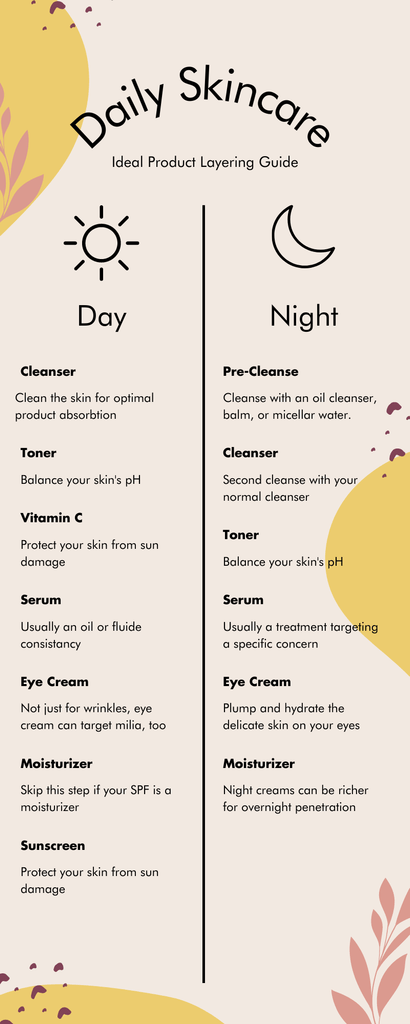
Are you tired of trying countless skincare products without seeing any real results? You’re not alone.
Many people struggle to find the right steps to create a skincare routine that truly works for them. Imagine waking up every morning to a refreshed and glowing complexion, feeling confident and ready to face the day. This isn’t just a dream—it can be your reality with the right skincare routine.
In this guide, you’ll discover simple and effective steps to transform your skin. Each step is designed to maximize the benefits of your products and help you achieve the radiant skin you’ve always wanted. Whether you’re a skincare newbie or looking to refine your routine, this article is your roadmap to healthier, happier skin. Ready to unlock the secrets to a flawless complexion? Let’s dive in!

Credit: lucybee.com
Choosing The Right Products
Choosing the right skincare products forms the foundation of an effective routine. The products must suit your skin’s needs and avoid harm. This choice helps your skin stay healthy, clear, and radiant.
Identifying Your Skin Type
Knowing your skin type guides product selection. Common types include:
- Oily: Shiny skin with larger pores.
- Dry: Flaky or rough patches.
- Combination: Oily in some areas, dry in others.
- Sensitive: Easily irritated or red.
- Normal: Balanced, not too oily or dry.
Observe your skin’s reaction throughout the day. This helps confirm your type. Choose products designed for your specific skin type.
Ingredients To Look For
Effective ingredients support skin health. Consider these:
- Hyaluronic Acid: Hydrates and plumps skin.
- Vitamin C: Brightens and fights dullness.
- Niacinamide: Reduces redness and evens tone.
- Salicylic Acid: Clears pores and reduces acne.
- Glycerin: Attracts moisture to skin.
Choose products with gentle, proven ingredients. They nourish without causing irritation.
Products To Avoid
Avoid harsh products that damage your skin. These include:
- High alcohol content: Dries and irritates skin.
- Fragrances: Can cause allergies and redness.
- Sulfates: Strip natural oils and cause dryness.
- Parabens: Controversial preservatives with possible risks.
- Excessive exfoliants: May damage skin barrier.
Read labels carefully. Choose products with minimal irritants and safe ingredients.
Cleansing Techniques
Cleansing is the foundation of any effective skincare routine. It removes dirt, oil, and impurities that build up on the skin daily. Proper cleansing improves skin health and prepares it for other products. Understanding different cleansing techniques helps maintain a clear and fresh complexion.
Morning Vs Evening Cleansing
Morning cleansing refreshes the skin and removes sweat or oils from sleep. Use a gentle cleanser to avoid stripping natural oils. Evening cleansing removes makeup, sunscreen, and dirt collected during the day. It requires a more thorough approach to clean pores deeply.
Double Cleansing Method
Double cleansing uses two steps to clean the skin fully. First, an oil-based cleanser breaks down makeup and sunscreen. Then, a water-based cleanser removes sweat, dirt, and leftover oil. This method ensures a complete cleanse without drying the skin.
Proper Cleansing Tools
- Soft washcloths help gently remove impurities.
- Silicone cleansing brushes offer gentle exfoliation.
- Facial sponges absorb dirt and oil effectively.
- Hands can be used carefully to avoid irritation.
Choosing the right tool depends on skin type and sensitivity. Always clean tools regularly to prevent bacteria buildup.
Exfoliation Tips
Exfoliation is a key step in any skincare routine. It helps remove dead skin cells and reveals fresh, glowing skin. Exfoliating properly can improve skin texture and allow other products to work better. Understanding how to exfoliate is important for healthy skin.
Physical Vs Chemical Exfoliants
Physical exfoliants use small particles or tools to scrub the skin. They remove dead skin by friction. Examples include scrubs and brushes. Chemical exfoliants use acids or enzymes to dissolve dead skin cells. Common acids are AHAs and BHAs. Physical exfoliants work quickly but can be harsh. Chemical exfoliants are gentler and work under the surface. Choose based on your skin type and sensitivity.
Frequency Of Exfoliation
How often to exfoliate depends on your skin. Sensitive skin needs only once a week. Normal or oily skin can exfoliate two to three times weekly. Over-exfoliating can cause irritation and redness. Start slow and watch how your skin reacts. Adjust frequency to keep skin smooth without damage.
Benefits Of Regular Exfoliation
- Removes dead skin cells and unclogs pores
- Improves skin texture and brightness
- Helps reduce acne and blackheads
- Prepares skin for better absorption of products
- Supports natural skin renewal
Regular exfoliation keeps skin fresh and healthy. It supports a glowing complexion and smooth feel.
Credit: medium.com
Toning Benefits
Toning is often skipped in many skincare routines, yet it plays a crucial role in maintaining healthy, balanced skin. A good toner can refresh your complexion, tighten pores, and prepare your skin to absorb moisturizers and serums better. Have you ever noticed how your skin feels tight or uneven after cleansing? That’s where toner steps in to restore balance and calm your skin.
Types Of Toners
Toners come in different formulations designed for various skin types and concerns. Here are the main types:
- Hydrating Toners:These add moisture to dry or sensitive skin using ingredients like glycerin or hyaluronic acid.
- Astringent Toners:Often containing alcohol or witch hazel, they help reduce oiliness and tighten pores for oily or acne-prone skin.
- Exfoliating Toners:Packed with acids like glycolic or salicylic acid, they gently remove dead skin cells and brighten your complexion.
- Soothing Toners:Made with calming ingredients like aloe vera or chamomile, they reduce redness and irritation.
Choosing the right type depends on your skin’s needs. What type do you think your skin craves right now?
How To Apply Toner
Applying toner correctly can boost its effectiveness. Start with a clean face after washing.
Pour a small amount onto a cotton pad or your hands and gently pat it over your face and neck. Avoid rubbing; gentle pressure helps toner absorb better.
Wait a minute for the toner to dry before moving on to serums or moisturizers. Have you ever skipped this step and wondered why your moisturizer felt sticky?
Toner’s Role In Skincare
Toner acts as a bridge between cleansing and moisturizing. It removes leftover dirt, oil, and makeup that your cleanser might miss.
It also restores your skin’s natural pH level, which cleansing can disrupt. This balance is key to preventing dryness or excess oil.
Many toners contain antioxidants and anti-inflammatory ingredients that protect and soothe your skin throughout the day. How might your skin change if you added toner to your routine?
Moisturizing Essentials
Moisturizing is a key part of any skincare routine. It helps keep your skin hydrated, smooth, and protected throughout the day. But choosing and applying the right moisturizer can feel tricky if you don’t know what to look for or how to use it effectively.
Choosing The Right Moisturizer
Finding the right moisturizer depends on your skin’s unique needs. Look for ingredients that suit your skin type—like hyaluronic acid for dry skin or salicylic acid for oily skin.
Think about texture too: creams are great for dry skin, while gels work better for oily types. If you have sensitive skin, avoid fragrances and harsh chemicals.
Have you ever bought a moisturizer that felt heavy or caused breakouts? Paying attention to labels can save you from that experience.
Application Tips
Apply moisturizer on clean, slightly damp skin to lock in hydration better. Use gentle upward strokes to avoid tugging on your skin.
Don’t forget your neck and décolletage—these areas need moisture too. A pea-sized amount usually does the trick; using too much can clog pores.
Try to moisturize twice a day—morning and night—to keep your skin balanced. How consistent are you with your moisturizing routine?
Moisturizing For Different Skin Types
| Skin Type | Best Moisturizer Type | Key Ingredients |
|---|---|---|
| Dry | Rich cream or ointment | Shea butter, ceramides, hyaluronic acid |
| Oily | Lightweight gel or lotion | Salicylic acid, niacinamide, aloe vera |
| Combination | Balanced lotion | Glycerin, hyaluronic acid, non-comedogenic oils |
| Sensitive | Fragrance-free cream | Chamomile, aloe vera, oatmeal extract |
Different skin types need different approaches. What works wonders for one person might not suit another. Have you matched your moisturizer to your skin type yet?
Credit: www.skincancercentres.com.au
Sun Protection Strategies
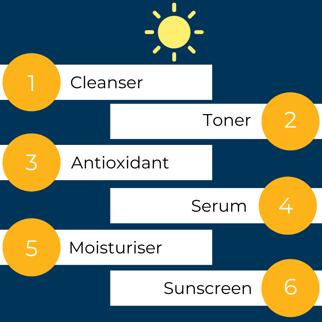
Sun protection is a crucial part of any skincare routine that often gets overlooked. Protecting your skin from harmful UV rays not only prevents sunburn but also reduces the risk of premature aging and skin cancer. Understanding how to effectively shield your skin can make a significant difference in your overall skin health.
Importance Of Sunscreen
Sunscreen acts as a barrier between your skin and the sun’s damaging ultraviolet rays. Without it, your skin is vulnerable to burns, dark spots, and long-term damage like wrinkles and even skin cancer. Have you ever noticed how your skin feels tight or looks uneven after spending time outdoors without protection?
Consistent use of sunscreen helps maintain an even skin tone and keeps your skin looking youthful. It’s not just for sunny days—UV rays can penetrate clouds and windows, meaning protection is necessary every day. Skipping sunscreen can undo the benefits of your entire skincare routine.
Choosing Spf Levels
SPF, or Sun Protection Factor, measures how well a sunscreen protects against UVB rays. A higher SPF means more protection, but it’s not always about picking the highest number. SPF 30 blocks about 97% of UVB rays, while SPF 50 blocks around 98%. Is the extra cost worth the slight increase in protection?
Think about your daily sun exposure when choosing SPF. If you spend a lot of time outdoors, especially between 10 a.m. and 4 p.m., go for SPF 50 or higher. For mostly indoor days with brief outdoor activities, SPF 30 usually suffices.
Applying Sunscreen Correctly
Many people apply too little sunscreen, reducing its effectiveness. A good rule is to use about a teaspoon for your face and a shot glass amount for your entire body. Have you ever reapplied sunscreen during the day, especially after sweating or swimming?
Apply sunscreen 15 to 30 minutes before heading outside to allow it to absorb properly. Don’t forget often-missed spots like your ears, neck, and the back of your hands. Reapplying every two hours keeps your skin protected and your routine effective.
Additional Skincare Steps
Adding extra steps to your skincare routine can make a noticeable difference in your skin’s health and appearance. These additional products and treatments target specific concerns and boost your overall glow. Let’s look at some ways to enhance your routine beyond the basics.
Serums And Treatments
Serums are packed with active ingredients that penetrate deeply to address issues like wrinkles, dark spots, or dryness. You might find a vitamin C serum brightens your complexion, while hyaluronic acid boosts hydration instantly. Applying a serum before moisturizer allows it to work effectively without interference.
Think about what your skin needs most. Are you battling dullness or fine lines? Choose a serum that focuses on that problem and use it consistently. Remember, less is more; a few drops are enough to make a difference.
Face Masks And Their Benefits
Face masks offer a quick, targeted treatment that can refresh and revitalize your skin in minutes. Different types serve different purposes—clay masks clear out pores, while sheet masks provide intense hydration. Using a mask once or twice a week can boost your skin’s condition significantly.
Have you noticed how a good mask can instantly lift your mood and skin? It’s a simple way to pamper yourself while giving your skin extra care. Try to pick masks that match your current skin needs rather than just following trends.
Eye Cream Usage
The skin around your eyes is delicate and often the first place to show signs of aging or fatigue. Eye creams are formulated to hydrate and reduce puffiness or dark circles gently. Apply a small amount with your ring finger, tapping lightly to avoid tugging the skin.
Do you skip eye cream because you think it’s not necessary? Adding this step can prevent wrinkles and brighten tired eyes over time. Consistent use can make your eyes look more awake and refreshed, enhancing your entire look.
Lifestyle Factors For Radiant Skin
Achieving radiant skin goes beyond the products you apply. Your daily habits play a huge role in how your skin looks and feels. Paying attention to lifestyle factors can make a visible difference in your glow and overall skin health.
Hydration And Diet
Water is your skin’s best friend. Drinking enough water helps maintain elasticity and flushes out toxins that can cause breakouts.
Think about the last time you ate a meal rich in fresh fruits and vegetables. Did your skin feel refreshed afterward? Nutrients like vitamins C and E support collagen production and protect against damage.
Try adding foods like berries, nuts, and leafy greens to your diet. These choices can boost your skin’s natural radiance from the inside out.
Sleep And Stress Management
Have you noticed how your skin looks after a bad night’s sleep? Puffy eyes, dullness, and breakouts often follow poor rest.
Sleep allows your skin to repair and regenerate. Aim for 7-9 hours nightly to see real improvements.
Stress can trigger inflammation and worsen skin conditions like acne or eczema. Find small ways to relax daily, such as deep breathing or a short walk, to keep your skin calm and clear.
Avoiding Harmful Habits
Smoking and excessive alcohol can quickly dull your complexion and accelerate aging. These habits reduce oxygen and nutrient flow to your skin.
Cutting back or quitting can lead to noticeable changes in your skin’s texture and tone.
Also, avoid touching your face frequently. It spreads bacteria and oils that clog pores and cause irritation.
Frequently Asked Questions
What Are The Essential Steps In A Skincare Routine?
A basic skincare routine includes cleansing, toning, moisturizing, and sun protection. These steps cleanse, balance, hydrate, and protect your skin daily. Consistency is key for healthy, glowing skin.
How Often Should I Follow My Skincare Routine?
You should follow your skincare routine twice daily, morning and night. Morning care protects and hydrates your skin for the day. Night care cleanses and repairs skin while you sleep.
Can I Skip Steps In A Skincare Routine?
Skipping steps can reduce your routine’s effectiveness. Each step targets specific skin needs. For best results, follow all steps consistently without skipping.
Why Is Moisturizing Important In Skincare?
Moisturizing keeps skin hydrated, soft, and prevents dryness. It strengthens the skin barrier and helps maintain a youthful appearance. Always use a moisturizer suitable for your skin type.
Conclusion
A good skincare routine helps keep your skin healthy and fresh. Cleanse, tone, and moisturize every day for best results. Don’t forget to protect your skin with sunscreen outside. Stick to these simple steps to see steady improvement. Consistency matters more than using many products.
Your skin will thank you with a natural glow. Start small and build habits that last. Healthy skin is a sign of good care and patience. Keep it simple, stay gentle, and enjoy the process.
