Your skin is your body’s largest organ and deserves the best care possible. With so many products and advice available, crafting an effective skincare routine can feel overwhelming.
But what if you could simplify it and still achieve glowing, healthy skin? Imagine waking up each day with confidence, knowing your skin looks its best. You can achieve this by following a few straightforward steps in your skincare routine.
This guide will break down each essential step, ensuring you understand exactly how to care for your skin. Ready to transform your skincare game? Let’s dive into the simple yet powerful steps that will revitalize your skin and boost your confidence.
Cleansing Techniques
Cleansing is the foundation of any effective skincare routine. It removes dirt, oil, and impurities that build up on your skin daily. Mastering proper cleansing techniques can transform your skin’s health and appearance.
Choosing The Right Cleanser
Your skin type plays a huge role in selecting the best cleanser. If you have oily skin, look for a foaming or gel-based cleanser that controls excess oil without stripping moisture. Dry skin benefits from creamy or hydrating cleansers that add moisture while cleansing.
I once switched to a gentle, sulfate-free cleanser for my sensitive skin, and the irritation I had been experiencing disappeared within days. Have you ever noticed how some cleansers leave your skin tight and uncomfortable? That’s a sign to try something milder.
Proper Cleansing Methods
Use lukewarm water to open up your pores, making it easier to remove impurities. Apply your cleanser with gentle circular motions using your fingertips, not a washcloth or sponge, which can irritate the skin. Rinse thoroughly and pat your face dry with a soft towel to avoid friction.
Applying too much pressure or using hot water can damage your skin barrier. Have you ever felt your skin sting or become red after washing? That’s a cue to be gentler and adjust your technique.
Frequency For Different Skin Types
How often you cleanse depends on your skin’s needs. Oily and combination skin types usually benefit from cleansing twice a day—morning and night—to keep shine and breakouts in check. Dry or sensitive skin often only needs cleansing once a day to avoid over-drying.
Remember, over-cleansing can strip your skin of natural oils, leading to more problems. Are you cleansing more than your skin actually requires? Pay attention to how your skin feels throughout the day to find the right balance.

Credit: lucybee.com
Exfoliation Tips
Exfoliation is a key part of a good skincare routine. It removes dead skin cells and clears pores. This helps skin look fresh and smooth. Knowing how to exfoliate correctly keeps skin healthy and glowing. Follow these tips for best results.
Types Of Exfoliants
Exfoliants come in two main types: physical and chemical.
- Physical exfoliantsuse small particles or tools to scrub off dead skin. Examples include scrubs, brushes, and sponges.
- Chemical exfoliantsuse acids or enzymes to dissolve dead skin cells. Common ones are AHAs (like glycolic acid) and BHAs (like salicylic acid).
Choose the type that suits your skin. Sensitive skin may prefer gentle chemical exfoliants.
How Often To Exfoliate
Frequency depends on skin type and exfoliant strength. For most, exfoliating 1 to 3 times a week works well.
Dry or sensitive skin should exfoliate less often, around once a week. Oily or acne-prone skin can exfoliate more, up to 3 times weekly.
Always watch how your skin reacts and adjust accordingly.
Avoiding Over-exfoliation
Too much exfoliation can harm the skin barrier. It causes redness, dryness, and irritation.
Signs of over-exfoliation include tightness, flaking, and sensitivity. Stop exfoliating if you see these signs.
Use gentle products and give your skin time to heal between sessions.
Toning Benefits
Toning is a key step in a skincare routine. It helps balance the skin’s pH after cleansing. Toners remove leftover dirt and oil that cleansers might miss. They prepare the skin to absorb moisturizers and treatments better. Using a toner can refresh and soothe the skin. It also tightens pores and reduces shine for a smooth look.
Selecting Suitable Toners
Choose a toner based on your skin type. For dry skin, pick hydrating toners with ingredients like glycerin or aloe vera. Oily skin benefits from toners with salicylic acid or witch hazel to control oil. Sensitive skin needs gentle, alcohol-free formulas to avoid irritation. Look for natural ingredients that calm and nourish the skin.
Applying Toner Effectively
Apply toner on clean skin using a cotton pad or your hands. Gently swipe or pat the toner over your face and neck. Avoid rubbing or pulling the skin. Let the toner dry naturally before moving to the next step. Use toner twice daily for best results—morning and night. Consistency helps maintain healthy, balanced skin.
Credit: medium.com
Serums And Treatments
Serums and treatments are the powerhouse of your skincare routine. They target specific concerns like wrinkles, dark spots, or dryness with concentrated ingredients. Adding the right serum can make a noticeable difference in your skin’s texture and glow.
Popular Serum Ingredients
Choosing a serum depends on your skin needs. Here are some ingredients that often deliver great results:
- Vitamin C:Brightens skin and fights free radicals.
- Hyaluronic Acid:Provides intense hydration and plumps the skin.
- Retinol:Boosts collagen and smooths fine lines.
- Niacinamide:Reduces redness and controls oil.
- Peptides:Help firm skin and improve elasticity.
Have you ever noticed how one ingredient can make your skin respond differently? It’s worth trying different serums to see which suits your skin best.
Layering Serums Correctly
Applying serums in the right order maximizes their benefits. Start with the thinnest, water-based serum and move to thicker, oil-based ones. This helps your skin absorb each layer effectively.
Give each serum a moment to sink in before adding the next. Rushing through this step can reduce the effectiveness of your treatments. Do you find your skin feels overwhelmed or sticky after applying multiple products? Adjusting the order or spacing out application time might help.
Moisturizing Essentials
Moisturizing is a crucial part of any skincare routine. It helps keep your skin hydrated, smooth, and protected from environmental damage. Skipping this step can leave your skin dry, flaky, and more prone to irritation.
Choosing the right moisturizer and applying it correctly makes a big difference. Have you ever wondered why some moisturizers feel heavy while others disappear quickly? The type of moisturizer and how you put it on can affect how your skin responds.
Moisturizer Types For Skin
Different skin types need different moisturizers. Knowing your skin type helps you pick the right product.
- Oily Skin:Look for lightweight, oil-free, or gel-based moisturizers. They hydrate without clogging pores or making your face greasy.
- Dry Skin:Choose thick creams or ointments with ingredients like hyaluronic acid or ceramides. They lock in moisture and repair the skin barrier.
- Combination Skin:Use a balance of light and rich moisturizers, or opt for products labeled for combination skin. This keeps oily areas from getting too shiny and dry patches from flaking.
- Sensitive Skin:Pick fragrance-free, hypoallergenic moisturizers with soothing ingredients like aloe vera or chamomile.
Have you ever tried a moisturizer that made your skin feel worse? That’s usually because it didn’t match your skin’s needs.
Applying Moisturizer Properly
Applying moisturizer the right way helps it work better. Start with clean skin, right after washing your face or after toner.
Take a small amount—about a pea size for your face. Too much can clog pores; too little won’t hydrate enough.
- Warm the moisturizer between your fingers to soften it.
- Gently press it into your skin instead of rubbing hard. Use upward, circular motions to encourage blood flow.
- Don’t forget your neck and ears—they need moisture too.
Have you noticed how your skin feels when you pat moisturizer in versus rubbing it? Patting helps retain moisture better and reduces irritation.
Remember, moisturizing is not just about looking good today. It’s about supporting your skin’s health over time. What changes could you make in your routine that might improve your skin’s comfort and appearance?

Credit: www.bellinispdx.com
Sun Protection
Sun protection is a vital part of any skincare routine. It helps prevent skin damage caused by harmful ultraviolet (UV) rays. UV rays can cause premature aging, sunburn, and increase the risk of skin cancer. Using the right sun protection products keeps your skin healthy and glowing. It also protects your skin from dark spots and redness.
Choosing Spf Products
Pick a sunscreen with broad-spectrum protection. This means it blocks both UVA and UVB rays. Choose SPF 30 or higher for daily use. For outdoor activities, a higher SPF may be better. Look for formulas that suit your skin type. For oily skin, use oil-free or gel sunscreens. For dry skin, creams with moisturizing ingredients work well. Mineral sunscreens with zinc oxide or titanium dioxide are good for sensitive skin.
Reapplying Sunscreen
Apply sunscreen 15 minutes before going outside. Reapply every two hours to maintain protection. Reapply more often if swimming or sweating. Use enough sunscreen to cover all exposed skin. A teaspoon for the face and a shot glass amount for the body is a good measure. Don’t forget ears, neck, and hands. Consistent reapplication helps prevent sunburn and long-term damage.
Additional Skincare Tips
Skincare is more than just applying creams and serums. It’s about caring for your skin through everyday habits that support its health from the inside out. These additional tips can make a big difference in how your skin looks and feels.
Hydration And Diet
Drinking enough water is essential, but what you eat also plays a huge role. Foods rich in antioxidants, like berries and leafy greens, help fight skin damage. Healthy fats from sources such as avocados and nuts keep your skin supple and glowing.
Think about your daily meals: Are they nourishing your skin or draining it? Adding a colorful variety of fruits and vegetables can boost your skin’s resilience and natural radiance.
Sleep And Skin Health
Quality sleep is when your skin repairs itself. Lack of sleep can lead to dullness, fine lines, and even breakouts. Aim for 7-9 hours of uninterrupted rest to wake up with refreshed skin.
Ever notice how tired you look after a bad night’s sleep? That’s your skin signaling it needs a break. Prioritize sleep as part of your skincare routine and watch your complexion improve.
Avoiding Common Mistakes
Using too many products at once can overwhelm your skin. Stick to a simple routine that targets your specific needs. Over-exfoliating or skipping sunscreen are mistakes that can cause more harm than good.
Have you ever applied a new product and seen your skin react badly? Sometimes less is more. Listen to your skin’s responses and adjust your routine accordingly.
Frequently Asked Questions
What Are The Basic Steps In A Skincare Routine?
A basic skincare routine includes cleansing, toning, moisturizing, and applying sunscreen. Cleansing removes dirt and oil. Toning balances skin pH. Moisturizing hydrates and protects the skin. Sunscreen shields against harmful UV rays, preventing damage and aging.
How Often Should I Follow My Skincare Routine?
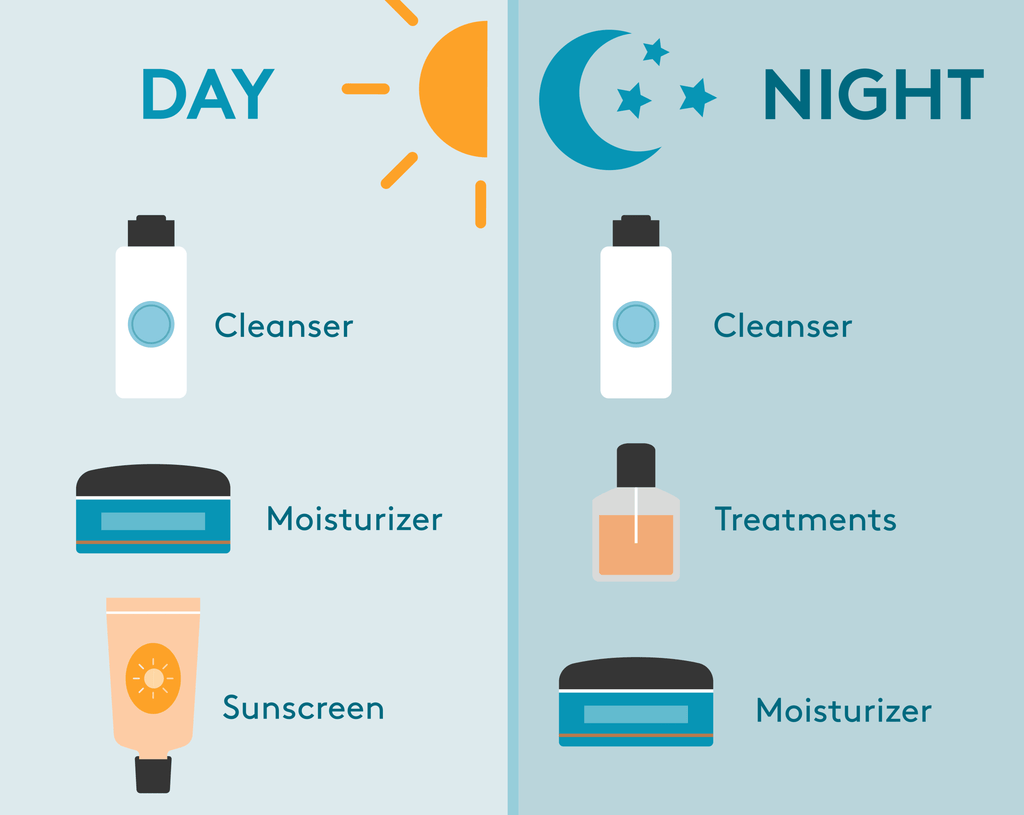
You should follow your skincare routine twice daily—once in the morning and once at night. Morning routines protect and prepare your skin for the day. Night routines cleanse and repair your skin while you sleep.
Why Is Moisturizing Important In Skincare?
Moisturizing keeps your skin hydrated, soft, and healthy. It prevents dryness, flakiness, and irritation. Proper hydration helps maintain the skin’s barrier, protecting it from environmental damage and premature aging.
Can I Skip Toner In My Skincare Routine?
While toner isn’t mandatory, it helps balance skin pH and removes leftover impurities. It can refresh and prepare your skin for better absorption of serums and moisturizers. Choose a toner that suits your skin type for best results.
Conclusion
A good skincare routine helps keep your skin healthy and fresh. Cleanse, tone, and moisturize every day. Don’t forget to protect your skin from the sun. Simple steps done regularly bring the best results. Your skin will feel softer and look brighter.
Start small and build your routine over time. Consistency is the key to glowing skin. Healthy habits create lasting benefits for your skin. Take care, be patient, and enjoy your natural beauty.
