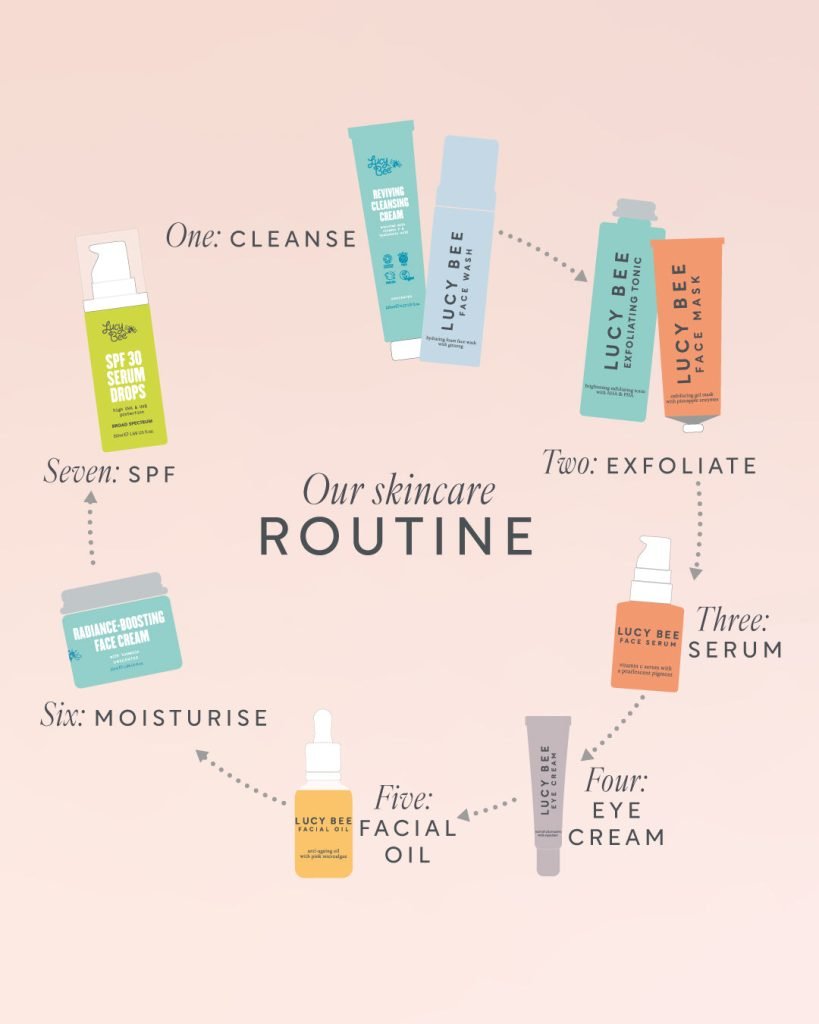
Are you ready to unlock the secret to radiant, glowing skin? Imagine looking in the mirror and seeing a fresh, vibrant complexion that boosts your confidence every single day.
Your skincare routine is the key to achieving this, and it’s simpler than you might think. By following a few straightforward steps, you can transform your skin and enjoy the beauty benefits you deserve. But here’s the catch: not all routines are created equal.
Understanding the right steps in a skincare routine is crucial to getting the results you want. Stick with me, and I’ll guide you through each essential step, ensuring you have the tools to make your skin the best it can be. Ready to discover the secrets to perfect skin? Keep reading!

Credit: www.colorescience.com
Cleansing Basics
Cleansing is the foundation of any effective skincare routine. It removes dirt, oil, and impurities that build up on your skin throughout the day. Without proper cleansing, other products can’t work as well, no matter how good they are.
Choosing The Right Cleanser
Your skin type plays a big role in picking the right cleanser. If your skin feels tight or dry after washing, you might want a gentle, hydrating cleanser with ingredients like glycerin or hyaluronic acid. On the other hand, oily or acne-prone skin benefits from foaming or gel cleansers that help control excess oil without stripping your skin.
Think about how your skin reacts after cleansing. Does it feel refreshed or irritated? If you have sensitive skin, avoid cleansers with strong fragrances or harsh chemicals. Sometimes switching cleansers based on the season or your skin’s current needs can make a noticeable difference.
Morning Vs Evening Cleansing
Do you really need to cleanse twice a day? Yes, but for different reasons. In the morning, cleansing helps remove sweat and oil your skin produced overnight. It also preps your face to absorb serums and moisturizers better.
Evening cleansing is more critical because it washes away makeup, sunscreen, pollution, and grime that accumulate during the day. Skipping this step can lead to clogged pores and breakouts. If you’re feeling too tired to do a full cleanse at night, at least use a makeup remover or micellar water to clear your skin before bed.
Exfoliation Tips
Exfoliation clears away dead skin cells and reveals fresh skin underneath. It helps brighten your face and keeps pores clean. Knowing how to exfoliate properly protects your skin from damage. Choose the right exfoliant and follow a good routine to see the best results.
Physical Vs Chemical Exfoliants
Physical exfoliants use tiny grains or beads to scrub off dead skin. They give an instant smooth feeling but can be harsh if used too hard. Gentle pressure is key to avoid irritation.
Chemical exfoliants use acids or enzymes to dissolve dead skin cells. They work deeper and can improve skin texture over time. Common types include AHAs (like glycolic acid) and BHAs (like salicylic acid).
Choose physical exfoliants for quick refreshment and chemical exfoliants for deeper cleansing. Sensitive skin often responds better to chemical exfoliants. Always test a small area before full use.
How Often To Exfoliate
Exfoliating too often can harm your skin’s barrier. Most skin types benefit from exfoliating 1-3 times per week. Dry or sensitive skin needs less frequent exfoliation.
Oily skin may handle more regular exfoliation but still avoid daily scrubbing. Pay attention to how your skin reacts. Redness, dryness, or irritation means you should exfoliate less.
Adjust the frequency based on the exfoliant type and your skin’s needs. Consistency is better than overdoing it for healthy, glowing skin.
Toning Benefits
Toner is an important part of a skincare routine. It helps balance the skin’s pH and removes leftover dirt or makeup. Toner also tightens pores, making skin look smoother. It prepares the skin to absorb moisturizers and serums better. Using toner regularly can make your skin feel fresh and clean.
Types Of Toners
- Hydrating Toners:Add moisture and soothe dry skin.
- Astringent Toners:Reduce oil and tighten pores, best for oily skin.
- Exfoliating Toners:Contain acids to remove dead skin cells.
- Calming Toners:Reduce redness and irritation, ideal for sensitive skin.
Applying Toner Correctly
Use a cotton pad or your hands to apply toner. Gently swipe or pat the toner on your face and neck. Avoid rubbing or tugging the skin. Let the toner dry naturally before applying other products. Use toner twice a day for best results.
Serum Selection
Choosing the right serum is key in any skincare routine. Serums deliver strong active ingredients directly to the skin. Picking the right one can improve skin health and appearance quickly. Knowing your skin needs helps in selecting the best serum.
Targeting Skin Concerns
Serums focus on specific skin problems. Some brighten dull skin, while others reduce wrinkles. Acne-prone skin benefits from serums with salicylic acid. Dry skin needs hydrating ingredients like hyaluronic acid. Sensitive skin may require gentle, soothing serums. Choose a serum that matches your skin concern for best results.
Layering Serums
Using more than one serum can boost benefits. Apply lighter, water-based serums first. Follow with thicker, oil-based serums. Give each serum a moment to absorb before the next. Avoid mixing too many active ingredients to prevent irritation. Layer serums carefully to maximize their effects and keep skin calm.
Moisturizing Techniques
Moisturizing is a key step in any skincare routine, but applying moisturizer effectively can make a big difference in how your skin looks and feels. It’s not just about slathering on cream; it’s about choosing the right product and using the right technique. Understanding the nuances of moisturizing helps your skin stay hydrated, balanced, and healthy throughout the day and night.
Picking The Right Moisturizer
Choosing the right moisturizer depends on your skin type and the climate you live in. If you have oily skin, look for lightweight, oil-free, or gel-based moisturizers that won’t clog pores. Dry skin benefits from richer creams with ingredients like hyaluronic acid or ceramides to lock in moisture.
Think about your skin’s needs: does it feel tight after washing? Does it get shiny quickly? These clues help you pick a product that actually supports your skin rather than causing more issues. Sometimes, trying a sample first can prevent wasted products and disappointment.
Daytime Vs Nighttime Moisturizers
Your skin’s needs change between day and night, so your moisturizer should too. Daytime moisturizers often contain SPF and antioxidants to protect against sun damage and pollution. They usually have a lighter texture to sit well under makeup and keep your skin feeling fresh.
Nighttime moisturizers focus on repair and hydration, often featuring ingredients like retinol, peptides, or heavier emollients. Applying a richer cream at night gives your skin the boost it needs to recover from daily stress. Have you noticed how your skin looks brighter after a good night’s moisturizing? That’s why choosing the right product for the time of day matters.
Credit: medium.com
Sun Protection
Sun protection is a vital part of any skincare routine. It helps prevent skin damage, premature aging, and skin cancer. Applying sunscreen daily shields your skin from harmful UV rays. No matter your skin type, sun protection keeps your skin healthy and glowing.
Choosing Sunscreen Spf
Pick a sunscreen with at least SPF 30 for everyday use. SPF 30 blocks about 97% of UVB rays. For extended outdoor activities, choose SPF 50 or higher. Look for broad-spectrum sunscreens to protect against UVA and UVB rays. Sunscreens come in many forms: creams, gels, sprays, and sticks. Choose one that suits your skin type and comfort.
Reapplication Tips
Apply sunscreen 15 minutes before going outside. Use enough to cover all exposed skin areas. Reapply every two hours or right after swimming or sweating. Don’t forget spots like ears, neck, and hands. Even on cloudy days, UV rays can harm your skin. Make reapplication a regular habit for best protection.
Additional Skincare Steps
Adding extra steps to your skincare routine can make a big difference in how your skin looks and feels. These additional steps target specific concerns that basic cleansing and moisturizing might miss. They help you fine-tune your routine to meet your skin’s unique needs.
Eye Creams
The skin around your eyes is delicate and often shows signs of tiredness or aging first. Using an eye cream can help reduce puffiness, dark circles, and fine lines. Look for products with ingredients like caffeine or hyaluronic acid to brighten and hydrate.
Apply eye cream gently with your ring finger to avoid tugging. A little goes a long way—pat lightly rather than rubbing. Have you noticed how much smoother your under-eye area feels after consistent use?
Face Masks
Face masks offer a quick boost to your skin, delivering concentrated ingredients where you need them most. You can choose hydrating masks if your skin feels dry, or clay masks if you want to clear out pores and reduce oiliness.
Try using a face mask once or twice a week to refresh your skin. Pay attention to how your skin reacts; some masks can be drying if used too often. What kind of mask leaves your skin feeling the freshest?
Spot Treatments
Spot treatments target stubborn blemishes and help reduce redness and swelling fast. Ingredients like salicylic acid or benzoyl peroxide work well to clear pimples without affecting surrounding skin.
Apply spot treatment only on the affected area and avoid overuse, as it can irritate your skin. Have you found a spot treatment that clears your blemishes overnight or significantly reduces their size?

Credit: thescarletlilyblog.com
Frequently Asked Questions
What Are The Essential Steps In A Skincare Routine?
A basic skincare routine includes cleansing, toning, moisturizing, and sun protection. Cleansing removes dirt and oil. Toning balances skin pH. Moisturizing hydrates and protects skin. Sunscreen shields from harmful UV rays. These steps ensure healthy and glowing skin daily.
How Often Should I Follow A Skincare Routine?
You should follow your skincare routine twice daily, in the morning and before bed. Morning routines protect and hydrate skin for the day. Evening routines cleanse and repair skin overnight. Consistency is key for visible, long-lasting results and healthier skin.
Can I Skip Steps In My Skincare Routine?
Skipping steps may reduce effectiveness but can be okay if you have sensitive skin. Always cleanse and moisturize. Sunscreen is vital in the morning. Toning is optional but beneficial. Tailor your routine to your skin type and concerns for best results.
Why Is Sunscreen Important In Skincare Routines?
Sunscreen protects skin from harmful UV rays that cause aging and skin cancer. It prevents sunburn, pigmentation, and premature wrinkles. Applying sunscreen daily, even on cloudy days, maintains skin health and enhances the benefits of other skincare products.
Conclusion
A good skincare routine helps keep your skin healthy and fresh. Cleanse, tone, and moisturize daily for best results. Don’t forget sunscreen to protect your skin from the sun. Consistency matters more than using many products. Simple steps can make a big difference over time.
Listen to your skin and adjust your routine as needed. Healthy skin starts with care and patience. Start small, be gentle, and enjoy glowing skin each day.
