Your skin is the first thing people notice about you. Taking care of it isn’t just about looking good—it’s about feeling confident and healthy every day.
But where do you start? A simple step-by-step skincare routine can make all the difference. You’ll discover easy, effective steps to build a routine that works for your skin type. By the end, you’ll have the tools to glow from the inside out.
Ready to unlock your best skin ever? Keep reading.
Morning Skincare Essentials
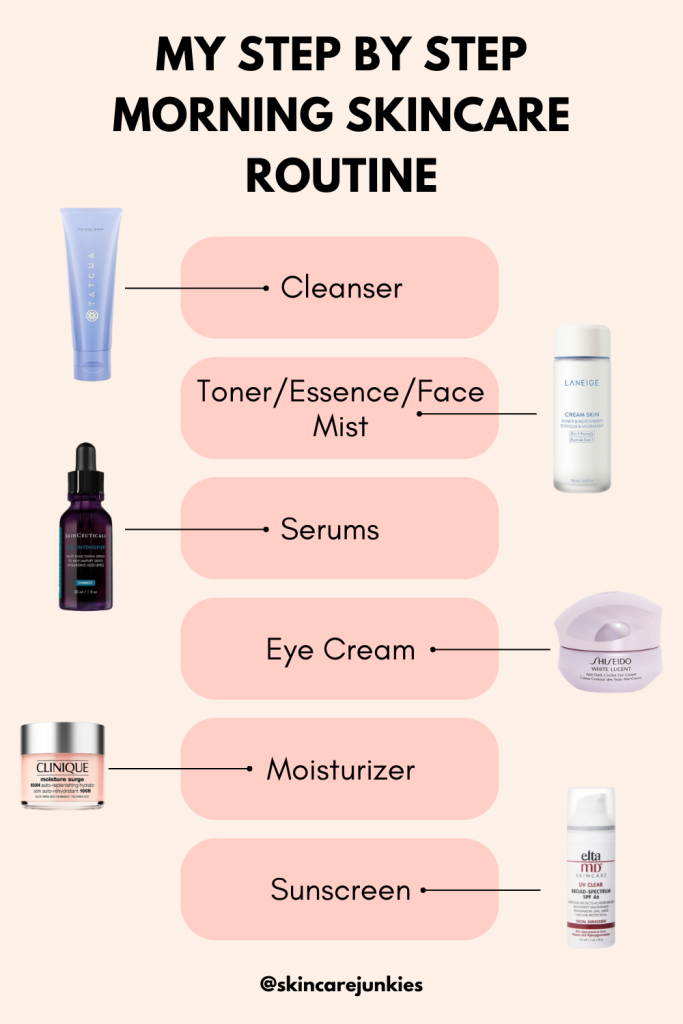
Starting your day with the right skincare routine sets the tone for healthy, glowing skin. Morning skincare essentials focus on preparing your skin to face environmental stress while keeping it hydrated and balanced. These simple yet crucial steps can make a noticeable difference in how your skin looks and feels throughout the day.
Cleansing For Freshness
Washing your face in the morning removes sweat, oil, and overnight buildup. Choose a gentle cleanser that suits your skin type to avoid stripping natural oils. I used to skip this step, thinking my skin was clean, but adding a light cleanse refreshed my face instantly and reduced breakouts.
Toning To Balance Skin
Toners help restore your skin’s natural pH and prepare it for moisturizer. Look for alcohol-free toners with ingredients like witch hazel or rose water to soothe your skin. Have you noticed how some mornings your skin feels tight? A good toner brings back that comfortable balance.
Moisturizing For Hydration
Moisturizers lock in hydration and create a smooth base for makeup or sunscreen. Pick one with ingredients like hyaluronic acid or glycerin if your skin feels dry. I switched to a lightweight moisturizer and found my skin stayed hydrated all day without feeling greasy.
Sunscreen For Protection
Applying sunscreen every morning shields your skin from harmful UV rays and prevents premature aging. Use a broad-spectrum SPF 30 or higher, even on cloudy days. Ask yourself: how often do you forget this step, and what impact might that have on your skin’s future?
Evening Skincare Steps
Evening skincare is key to healthy, glowing skin. It helps remove dirt and repair skin damage. A simple, consistent routine works best. Follow these essential steps to care for your skin each night.
Removing Makeup Thoroughly
Start by removing all makeup gently. Use a makeup remover or cleansing oil. Avoid harsh scrubbing to protect your skin. Clean skin allows better absorption of products applied later.
Deep Cleansing Techniques
Double cleanse to remove impurities deeply. First, use an oil-based cleanser to dissolve oils and sunscreen. Then, follow with a water-based cleanser to clear sweat and dirt. This method leaves skin fresh and clean.
Applying Serums And Treatments
Apply serums targeting your skin needs. Choose products for hydration, brightening, or anti-aging. Gently pat serums into the skin. Allow time for absorption before moving to the next step.
Night Cream Benefits
Use a night cream to lock in moisture. Night creams nourish and repair skin during sleep. They often contain ingredients that work best overnight. This step keeps skin soft and hydrated until morning.
Weekly Skincare Boosters
Weekly skincare boosters enhance your daily routine by giving your skin extra care. These treatments help remove dead skin, deeply hydrate, and soothe irritation. They keep your skin fresh and glowing.
Exfoliation Methods
Exfoliation removes dead skin cells and clears pores. Choose gentle scrubs or chemical exfoliants with AHAs or BHAs. Avoid over-exfoliating to prevent redness and dryness. Exfoliate once or twice a week for smooth skin.
Face Masks For Different Skin Types
Face masks offer targeted benefits based on your skin type.
- Oily skin: Clay masks absorb excess oil and reduce shine.
- Dry skin: Cream masks provide deep hydration and softness.
- Sensitive skin: Aloe or chamomile masks calm irritation and redness.
- Combination skin: Multi-masks balance different areas of the face.
Using Facial Oils
Facial oils nourish and protect the skin barrier. Apply a few drops after moisturizing. Oils with rosehip or jojoba help hydrate and fight signs of aging. They give skin a natural glow without feeling greasy.
Hydrating And Soothing Treatments
Hydrating treatments keep skin plump and fresh. Use sheet masks or serums with hyaluronic acid. Soothing treatments calm redness and irritation. Ingredients like aloe vera and calendula work well. These treatments restore skin comfort and balance.

Credit: lucybee.com
Choosing Products Wisely
Choosing the right skincare products can make a huge difference in how your skin looks and feels. Picking products without knowing what suits your skin can lead to irritation, breakouts, or simply wasted money. Understanding your skin’s needs helps you build a routine that actually works for you.
Identifying Your Skin Type
Knowing your skin type is the first step to choosing products that fit your needs. Is your skin oily, dry, combination, sensitive, or normal? You can find out by observing how your skin feels a few hours after washing—does it feel tight, shiny, or balanced?
For example, if your skin feels greasy by midday, you likely have oily skin and should look for lightweight, non-comedogenic products. If it feels tight and flaky, dry skin products with hydrating ingredients will help. Understanding your skin type helps you avoid products that can worsen your skin’s condition.
Ingredients To Look For
Look for ingredients that target your skin’s specific needs. If you want to reduce acne, products with salicylic acid or benzoyl peroxide can help clear pores. For dry skin, hyaluronic acid and glycerin are great at locking in moisture.
Antioxidants like vitamin C brighten your skin and protect it from damage. Niacinamide can reduce redness and improve texture. Ask yourself: does this ingredient have a proven benefit for my skin concerns?
Avoiding Harmful Chemicals
Not all ingredients are safe or suitable for your skin. Avoid harsh sulfates that strip natural oils and cause dryness. Parabens and synthetic fragrances can trigger allergies or irritation, especially for sensitive skin.
Check labels for alcohol denat or other drying alcohols, which can make your skin more sensitive. Choosing products with fewer unnecessary chemicals reduces the risk of unwanted reactions.
Patch Testing New Products
Always patch test new products before applying them all over your face. Apply a small amount on your wrist or behind your ear and wait 24-48 hours to see if you get any redness, itching, or swelling.
I once skipped patch testing and ended up with a rash that took weeks to heal. Testing first saves you from this hassle and lets you know if a product suits your skin. Do you really want to risk irritation when a simple test can prevent it?
Lifestyle Tips For Radiant Skin
Radiant skin does not come from skincare products alone. Lifestyle choices play a big role in how your skin looks and feels. Simple habits can boost your skin’s health and glow naturally. These tips support your skincare routine and improve your skin’s appearance over time.
Healthy Diet Impact
Your skin reflects what you eat. Foods rich in vitamins and antioxidants help repair skin and fight damage. Include colorful fruits and vegetables like berries, spinach, and carrots. Healthy fats from nuts and fish keep skin soft and hydrated. Avoid too much sugar and processed foods. They can cause dullness and breakouts.
Staying Hydrated
Water flushes out toxins and keeps skin plump. Aim to drink at least eight glasses of water daily. Herbal teas and water-rich fruits like watermelon also help. Dehydrated skin looks dry and tired. Proper hydration supports skin elasticity and smoothness.
Managing Stress Levels
Stress affects hormones that cause skin problems. Practice relaxation techniques like deep breathing, yoga, or meditation. Taking breaks and enjoying hobbies lowers stress. Calm mind, calm skin. Stress control reduces redness, acne, and irritation.
Importance Of Sleep
Sleep is when skin repairs itself. Lack of sleep causes dark circles, puffiness, and dull skin. Adults need 7 to 9 hours of quality sleep per night. Create a relaxing bedtime routine. Turn off screens early and keep your bedroom cool and dark for better rest.

Credit: thescarletlilyblog.com
Common Skincare Mistakes
Skincare routines can be tricky to master, especially when common mistakes sneak into your daily habits. These errors can undo all the effort you put into caring for your skin. Understanding what to avoid will save you time, money, and frustration.
Over-exfoliating
Exfoliating is great for removing dead skin cells, but doing it too often can cause irritation and dryness. Your skin needs time to heal and renew, so limit exfoliation to 2-3 times a week depending on your skin type.
I once exfoliated daily hoping for quicker results, but it left my skin red and sensitive. Have you noticed redness or tightness after exfoliating? That might be your skin signaling it needs a break.
Skipping Sunscreen
Many skip sunscreen, especially indoors or on cloudy days. However, UV rays can penetrate windows and clouds, causing premature aging and damage.
Make sunscreen a non-negotiable step every morning. Even if you use makeup with SPF, layering a dedicated sunscreen offers better protection.
Using Too Many Products
Adding a dozen products might seem thorough, but mixing too many active ingredients can overwhelm your skin. This often leads to breakouts, irritation, or reduced effectiveness.
Stick to a simple routine with targeted products. Ask yourself: Are all these products necessary, or is your skin reacting negatively to the clutter?
Ignoring Patch Tests
Trying new products without patch testing can cause unexpected allergic reactions or irritation. A simple patch test on your wrist or behind your ear can prevent painful surprises.
Next time you try something new, spend a couple of days testing it on a small skin area. Have you ever experienced a rash from a new cream you didn’t test first?

Credit: www.eraorganics.com
Frequently Asked Questions
What Are The Essential Steps In A Skincare Routine?
A basic skincare routine includes cleansing, toning, moisturizing, and sun protection. These steps keep skin clean, hydrated, and protected from damage daily.
How Often Should I Follow My Skincare Routine?
You should follow your skincare routine twice daily: once in the morning and once before bed. This maintains healthy, glowing skin.
Can I Skip Steps In My Skincare Routine?
Skipping steps can reduce effectiveness. Each step has a unique role to cleanse, hydrate, or protect your skin properly.
What Order Should I Apply Skincare Products?
Apply products from lightest to heaviest texture: cleanser, toner, serum, moisturizer, then sunscreen. This ensures better absorption and results.
Conclusion
A consistent skincare routine makes your skin healthy and glowing. Follow these steps for clear, radiant skin. Start by cleansing daily to remove dirt and oil. Apply toner to refresh and balance. Moisturize to keep skin hydrated and smooth. Don’t forget sunscreen for sun protection.
Tailor products to your skin type for best results. Consistency is key; stick to your routine. Small steps make a big difference. Healthy skin boosts confidence. Take care of your skin, and enjoy the benefits. Remember, healthy skin is always in.
