
Are you ready to feel confident in your own skin? Starting a skincare routine might seem overwhelming, but it doesn’t have to be.
With the right simple steps, you can unlock healthier, glowing skin that makes you look and feel amazing every day. Imagine waking up to a fresh, clear face without hassle or confusion. This guide will show you exactly how to build a skincare routine that fits your unique needs, so you can start seeing real results quickly.
Keep reading, and discover how easy it is to take control of your skin’s future—your best skin is just a few steps away.
Choosing The Right Products
Choosing the right skincare products forms the base of an effective routine. The right products suit your skin’s needs and keep it healthy. Picking the wrong ones can cause irritation or worsen skin issues.
Start by knowing what your skin needs. Then, learn which ingredients help your skin stay clear and soft. Avoid harmful additives that may damage your skin over time. Understanding these points makes product selection easier and safer.
Identifying Your Skin Type
Knowing your skin type helps you choose the best products. Common skin types include:
- Oily: shiny and prone to acne
- Dry: flaky and tight feeling
- Combination: oily in some areas, dry in others
- Normal: balanced, not too oily or dry
- Sensitive: easily irritated or red
Observe your skin for a few days without products. Note how it feels after washing and through the day. This helps identify your skin type clearly.
Essential Skincare Ingredients
Some ingredients work well for most skin types:
- Hyaluronic acid: hydrates and plumps skin
- Vitamin C: brightens and protects from damage
- Niacinamide: reduces redness and controls oil
- Salicylic acid: clears pores and fights acne
- Glycerin: locks in moisture
Choose products with ingredients that target your skin issues. Keep your routine simple by using fewer but effective ingredients.
Avoiding Harmful Additives
Some additives can harm your skin or cause allergies. Avoid products with:
- Alcohol: dries out skin
- Fragrance: causes irritation, especially in sensitive skin
- Parabens: linked to hormone disruption
- Sulfates: strip natural oils and cause dryness
Check product labels carefully. Choose gentle formulas to protect your skin’s health.

Credit: issuu.com
Daily Skincare Steps
Starting a daily skincare routine builds a strong foundation for healthy skin. Simple, consistent steps help keep skin clean, hydrated, and protected. Each step plays a crucial role in improving your skin’s look and feel. Follow these daily skincare steps to create a routine that works well for you.
Cleansing Techniques
Clean skin is the first step to a good routine. Use a gentle cleanser suited for your skin type. Wash your face twice a day—morning and night. Use lukewarm water to open pores and remove dirt. Avoid hot water; it can dry out your skin. Massage the cleanser in small, circular motions. Rinse thoroughly and pat dry with a soft towel. Clean skin allows other products to work better.
Toning Benefits
Toner helps balance your skin’s pH after cleansing. It removes leftover dirt and oil that cleansing might miss. Toning tightens pores and refreshes your skin. Choose alcohol-free toner to avoid dryness. Apply toner with a cotton pad or your hands. It prepares your skin to absorb moisturizers and serums more effectively.
Moisturizing Tips
Moisturizer locks in hydration and keeps skin soft. Pick a moisturizer that fits your skin type—light for oily skin, richer for dry skin. Apply moisturizer while your skin is still slightly damp. This helps seal in moisture better. Use gentle upward strokes to avoid pulling the skin. Regular moisturizing supports your skin’s natural barrier and prevents dryness.
Sun Protection Importance
Sun protection is essential to prevent skin damage and aging. Use a broad-spectrum sunscreen with at least SPF 30 every day. Apply sunscreen even on cloudy days and indoors near windows. Reapply every two hours if you stay outside. Sunscreen helps protect against harmful UV rays that cause wrinkles and spots. Make it the final step in your morning routine.
Weekly Skincare Boosters
Adding weekly skincare boosters to your routine can make a noticeable difference in your skin’s health and appearance. These treatments go beyond daily cleansing and moisturizing to target specific needs like dullness, dryness, or uneven texture. Think of them as your skin’s weekly power-up, helping you maintain a fresh and radiant complexion.
Exfoliation Methods
Exfoliation removes dead skin cells, revealing smoother and brighter skin underneath. You can choose between physical exfoliants like gentle scrubs or chemical exfoliants containing ingredients such as AHAs (alpha hydroxy acids) or BHAs (beta hydroxy acids).
Try starting with a mild exfoliant once a week and see how your skin responds. Over-exfoliating can cause irritation, so listen to your skin’s needs carefully.
Face Masks For Radiance
Face masks deliver concentrated ingredients that refresh and brighten your complexion. Clay masks can detoxify and reduce oiliness, while sheet masks provide a quick hydration boost.
Choose masks that suit your skin type and rotate them weekly to address different concerns. Have you noticed how a simple mask can instantly lift your mood and your skin?
Hydrating Treatments
Hydrating treatments replenish moisture and strengthen your skin barrier. Look for serums or overnight masks with hyaluronic acid or glycerin to lock in hydration.
Applying these treatments weekly can prevent dryness and keep your skin plump. What’s your go-to product when your skin feels thirsty?
Common Skincare Mistakes
Starting a skincare routine can feel exciting but also confusing. Many people make simple mistakes that can harm their skin instead of helping it. Recognizing these common errors can save you time, money, and frustration.
Overwashing And Dryness
You might think washing your face more often will make it cleaner, but overwashing actually strips your skin of its natural oils. This can lead to dryness, irritation, and even more breakouts as your skin tries to compensate.
Try washing your face twice a day with a gentle cleanser. If your skin feels tight or flaky afterward, consider switching to a milder product or using less water. Have you ever noticed your skin feeling worse after cleaning it too much?
Skipping Sunscreen
Sunscreen is not just for sunny days or beach trips—it’s essential every day. UV rays damage your skin even when it’s cloudy, causing premature aging and increasing the risk of skin cancer.
Make applying sunscreen a non-negotiable step in your morning routine. Choose a broad-spectrum SPF of at least 30 and reapply if you’re outside for long periods. Could skipping this step be undoing all your other skincare efforts?
Mixing Incompatible Products
It’s tempting to try many products at once, but some ingredients don’t work well together. For example, using retinol and vitamin C in the same routine can cause irritation and reduce their effectiveness.
Read labels carefully and research product combinations before mixing them. If you’re unsure, try introducing one new product at a time and observe how your skin reacts. Have you ever experienced redness or discomfort after trying too many new products?
Adapting Routine For Different Seasons
Your skin reacts differently as the seasons change. Adapting your skincare routine helps maintain balance and keeps your skin healthy year-round. Ignoring these changes can lead to dryness, oiliness, or breakouts. Are you ready to adjust your routine to match the weather?
Winter Skincare Adjustments
Winter air is cold and dry, which often strips moisture from your skin. You might notice your skin feels tight or flaky during these months.
Switch to a thicker moisturizer to lock in hydration. Look for ingredients like hyaluronic acid, ceramides, and shea butter. These help repair your skin barrier and prevent moisture loss.
Limit the use of harsh cleansers that can dry out your skin further. Instead, opt for gentle, hydrating cleansers that don’t strip natural oils.
Don’t forget to protect your skin from indoor heating, which also dries out the air. Using a humidifier in your room can add moisture back and soothe your skin.
Summer Skin Care Tips
Summer brings heat and humidity, which can increase oil production and lead to clogged pores.
Choose a lightweight, oil-free moisturizer to keep your skin hydrated without feeling greasy. Gel-based moisturizers work well during hot months.
Sun protection becomes crucial. Use a broad-spectrum sunscreen with at least SPF 30 daily, even on cloudy days. Reapply every two hours if you’re outdoors.
Consider adding products with antioxidants like vitamin C to protect your skin from sun damage and pollution.
Exfoliate regularly but gently to remove sweat, dirt, and dead skin. This helps prevent breakouts and keeps your skin glowing.

Credit: www.youtube.com
Tracking Progress And Adjusting
Tracking progress is vital when starting a skincare routine. It helps you see what works and what needs change. Patience is key because skin often takes weeks to show results. Keeping a simple record of your skin’s condition can guide your choices.
Adjustments are normal. Your skin may react differently over time. Knowing when to tweak your routine ensures better results and healthier skin.
Recognizing Skin Changes
Notice how your skin feels and looks every day. Look for signs like:
- Dryness or oiliness
- Redness or irritation
- Breakouts or clear skin
- Texture changes
- Brightness or dullness
Keep a journal or take photos weekly. This makes spotting patterns easier. Small changes can signal if products suit your skin or not.
When To Consult A Dermatologist
Some skin issues need expert advice. See a dermatologist if you experience:
- Severe acne or persistent breakouts
- Red, itchy, or painful patches
- Allergic reactions like swelling or rash
- Sudden changes in skin color or texture
- Skin problems that last more than a few weeks
A professional can offer treatments or product advice tailored to your skin’s needs. Don’t delay seeking help for serious concerns.
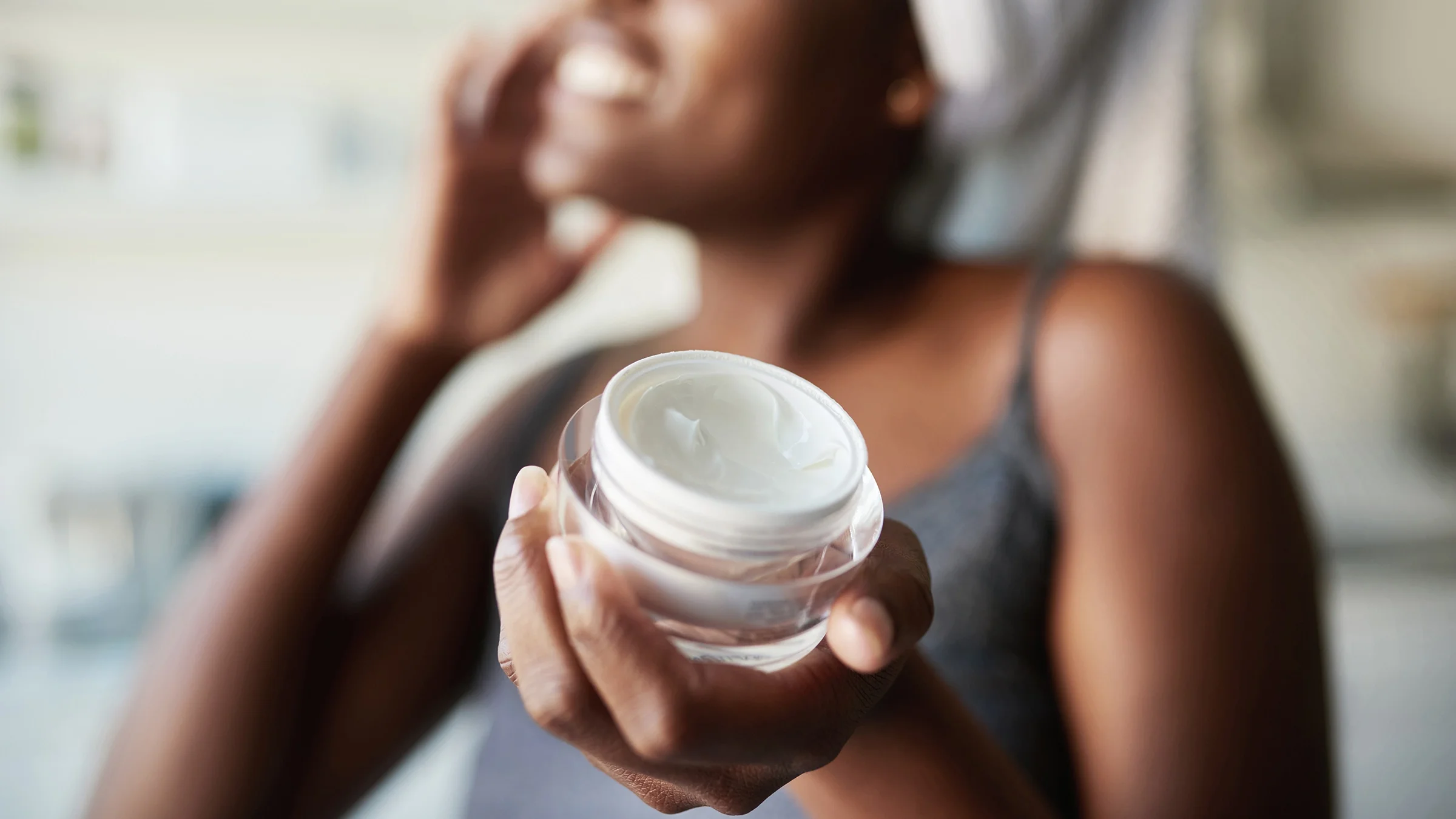
Credit: www.goodrx.com
Frequently Asked Questions
What Are The Basic Steps In A Skincare Routine?
A basic skincare routine includes cleansing, toning, moisturizing, and sun protection. Cleanse twice daily to remove dirt. Use toner to balance skin pH. Apply moisturizer to hydrate and protect. Always finish with sunscreen to prevent UV damage.
How Do I Choose Products For My Skin Type?
Identify your skin type: oily, dry, combination, or sensitive. Choose products formulated for your specific skin needs. Look for labels like “non-comedogenic” for oily skin or “hydrating” for dry skin. Test new products on a small area first.
How Often Should I Update My Skincare Routine?
Update your skincare routine every 6 to 12 months or with seasonal changes. Skin needs may shift due to weather or age. Adjust products to address new concerns like dryness or oiliness. Regular updates ensure effective care.
Can I Start A Skincare Routine With Minimal Products?
Yes, start with essential products: a gentle cleanser, moisturizer, and sunscreen. These basics protect and nourish your skin without overwhelming it. As your skin adapts, you can add treatments like serums or exfoliants gradually.
Conclusion
Starting a skincare routine can be simple and rewarding. Begin with basic steps. Cleanse, moisturize, and protect your skin daily. Choose products that suit your skin type. Consistency matters more than expensive products. Listen to your skin. Notice changes and adjust accordingly.
Patience is key; results take time. Stay hydrated and eat well for better skin health. Remember, everyone’s skin is different. What works for one may not work for another. Enjoy the process. Your skin will thank you. Keep exploring and learning about skincare.
A little effort goes a long way.
