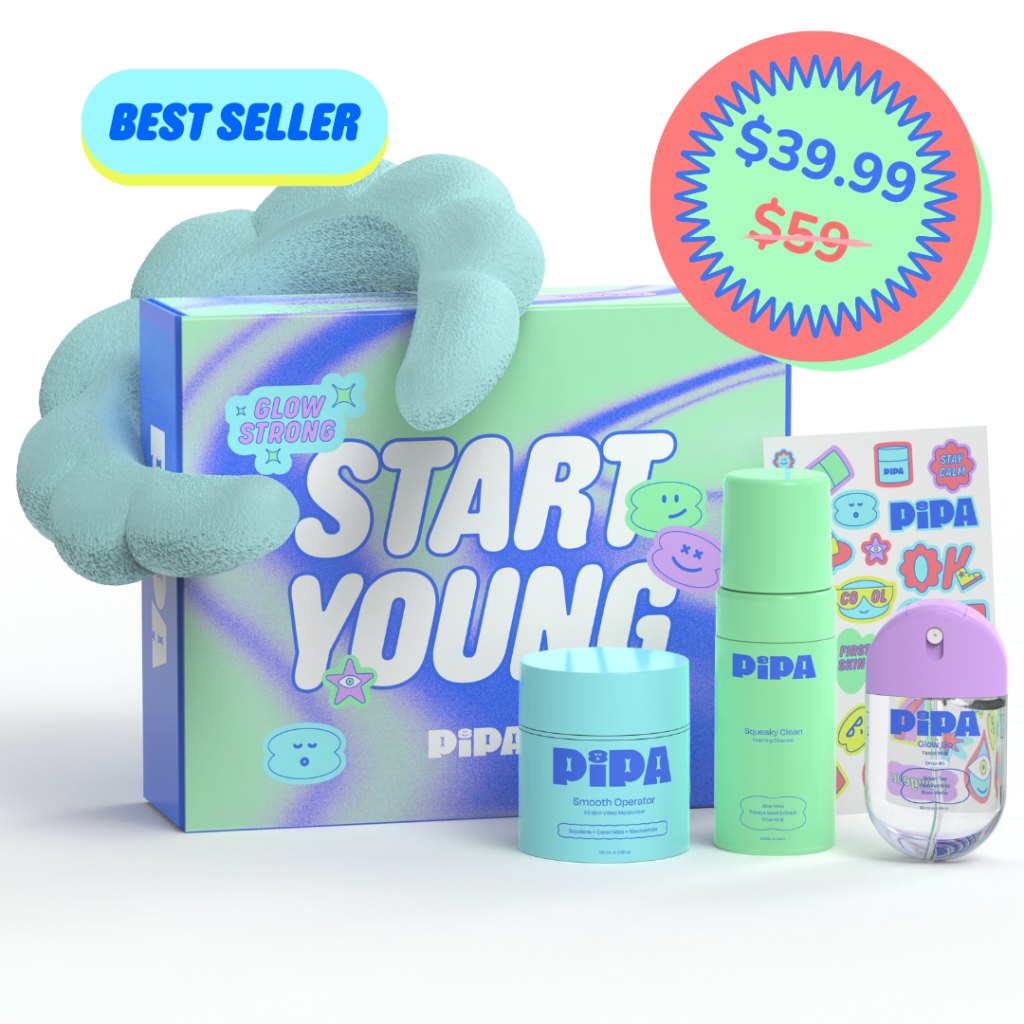
Your skin is changing, and you might be wondering how to take care of it the right way. At 13, building a simple skincare routine can help you feel confident and keep your skin healthy.
You don’t need a lot of products or complicated steps—just a few easy habits that fit your busy life. Ready to discover how to care for your skin without the fuss? Keep reading, and you’ll learn the best tips made just for you.
Skin Changes At 13
At 13, the skin begins to change a lot. This age marks the start of puberty, which affects the skin in many ways. The body produces more oil, and the skin can become oily or dry. These changes can cause new skin problems. Understanding these changes helps to take better care of young skin.
Common Skin Issues
Many 13-year-olds face common skin problems. Pimples, blackheads, and whiteheads often appear. Skin may also become red or irritated. Some teenagers get dry patches or flaky skin. These issues happen because the skin is adjusting to new changes. Good skin care can reduce these problems.
Hormonal Effects
Hormones play a big role in skin changes at 13. The body makes more hormones that increase oil production. Too much oil can block pores, causing acne. Hormones also affect how skin heals and reacts. This makes skin more sensitive and prone to breakouts. Managing hormones with a gentle routine helps keep skin clear.
Credit: www.lemon8-app.com
Basic Skincare Steps
Starting a skincare routine as a 13-year-old sets the foundation for healthy skin habits. Basic skincare steps help keep your skin clean, hydrated, and protected without overwhelming you. These simple actions can make a big difference in how your skin feels and looks every day.
Cleansing Properly
Cleansing removes dirt, oil, and sweat that build up on your skin throughout the day. Use a gentle cleanser made for young or sensitive skin to avoid irritation. Wash your face twice daily—once in the morning and once before bed—to keep pores clear and prevent breakouts.
Think about how your skin feels after a long day outdoors. Doesn’t it need a fresh start? Cleansing is your skin’s way of hitting the reset button.
Moisturizing Daily
Moisturizing keeps your skin soft and prevents dryness, which can cause irritation. Choose a lightweight moisturizer that suits your skin type—whether oily, dry, or combination. Applying moisturizer right after cleansing locks in hydration and creates a smooth barrier.
Have you noticed how some days your skin feels tight or flaky? That’s a clear sign to add moisturizer to your routine.
Using Sunscreen
Sunscreen protects your skin from harmful UV rays that cause damage even on cloudy days. Pick a broad-spectrum sunscreen with at least SPF 30, and apply it every morning before going outside. Don’t forget to reapply if you stay outdoors for hours or after swimming.
Imagine the effects of sun exposure over years—would you want to prevent wrinkles and sunspots from the start? Sunscreen is your best defense.
Choosing The Right Products
Choosing the right skincare products for a 13-year-old can feel overwhelming. You want something gentle yet effective enough to handle early skin changes. Picking products with the right ingredients and avoiding harmful chemicals can make a big difference in maintaining healthy, happy skin.
Ingredients To Look For
Look for products with simple, natural ingredients that soothe and protect young skin. Ingredients like aloe vera calm irritation, while hyaluronic acid helps keep skin hydrated without feeling heavy.
Vitamin C is a great addition for brightening and protecting skin from environmental damage. Also, gentle cleansers with ingredients like chamomile or oatmeal can clean without stripping away natural oils.
Have you noticed how your skin reacts to certain products? Paying attention to these details helps you choose what works best for your unique skin type.
Avoiding Harsh Chemicals
Steer clear of products containing alcohol, sulfates, or parabens. These can dry out or irritate sensitive teenage skin. Fragrances and dyes often cause redness or breakouts, so choose fragrance-free when possible.
It’s tempting to grab the trendiest product, but ask yourself: does it support healthy skin or just promise quick fixes? Avoiding harsh chemicals protects your skin’s natural barrier and prevents long-term damage.
Remember, less is often more. A simple routine with clean, gentle products will set a solid foundation for your skincare journey.

Credit: skintypesolutions.com
Healthy Habits For Skin
Healthy habits play a huge role in keeping your skin clear and glowing, especially at 13 when your body is changing fast. Simple daily choices can make a big difference in how your skin looks and feels. Here are some key habits to help you take care of your skin from the inside out.
Balanced Diet Tips
Your skin reflects what you eat, so choosing the right foods matters. Try to add plenty of colorful fruits and vegetables to your meals—they provide vitamins that help repair and protect your skin.
Foods rich in vitamin C like oranges and strawberries support collagen, which keeps your skin firm. Also, don’t forget healthy fats from nuts and fish; they keep your skin soft and hydrated.
Have you noticed how sugary snacks sometimes make your skin break out? Cutting back on sweets can help reduce pimples and keep your skin calm.
Hydration Importance
Drinking enough water is one of the simplest ways to improve your skin’s health. Water flushes out toxins and keeps your skin cells plump, which helps you avoid dryness and dullness.
A good rule is to drink at least 6-8 glasses of water a day. If you struggle to remember, try keeping a water bottle nearby or setting phone reminders.
Do you feel the difference when you’re well-hydrated? Your skin looks brighter and feels smoother almost immediately.
Sleep And Skin Health
Sleep isn’t just about feeling rested—it’s when your skin repairs itself. Missing sleep can lead to dark circles, dullness, and more breakouts.
Try to get 8-10 hours of sleep each night. A consistent bedtime routine helps your skin stay balanced and fresh-looking.
Think about how your skin looks after a good night’s sleep versus a late night. Which do you prefer?
Dealing With Acne
Acne is common for many 13-year-olds as their skin changes. It can cause pimples, redness, and sometimes pain. Managing acne gently helps avoid scars and keeps skin healthy. Understanding how to care for acne-prone skin is important at this age.
Gentle Treatments
Choose mild cleansers that do not dry out the skin. Wash the face twice daily using lukewarm water. Avoid scrubbing hard as it can irritate the skin.
Use non-comedogenic moisturizers to keep skin soft without clogging pores. Spot treatments with ingredients like benzoyl peroxide or salicylic acid can reduce pimples. Start with low strength to see how skin reacts.
Avoid touching or popping pimples to prevent infection and scarring. Protect skin from the sun with oil-free sunscreen daily. Healthy habits like drinking water and eating fruits support skin health.
When To See A Dermatologist
Visit a dermatologist if acne is severe or causes pain. If pimples do not improve after weeks of gentle care, seek help. A doctor can prescribe stronger treatments that work better for tough acne.
Consult a dermatologist if acne leaves scars or dark spots. Early treatment can prevent long-term skin damage. A specialist can also check for other skin problems.
Avoiding Common Mistakes
Skincare routines for 13 year olds can easily go off track if common mistakes sneak in. Avoiding these errors helps keep skin healthy and prevents problems from getting worse. Knowing what to watch out for makes your routine simpler and more effective.
Over-washing Skin
Washing your face too often can strip away natural oils that protect your skin. This leaves it dry, irritated, and sometimes even oilier as your skin tries to compensate. Washing twice a day with a gentle cleanser is enough to keep your skin clean without causing damage.
Think about how your skin feels after washing. Does it feel tight or uncomfortable? That’s a sign you’re over-washing. Try to stick to a gentle routine and avoid harsh scrubs or strong soaps that can harm your skin’s natural barrier.
Picking At Pimples
Picking or squeezing pimples can be tempting, but it often makes things worse. You risk spreading bacteria, causing more breakouts, and leaving scars that last for years. Instead, let pimples heal naturally and use spot treatments recommended for young skin.
Have you noticed how your skin reacts after touching pimples? It’s usually redness and swelling that stick around longer than the pimple itself. Keeping your hands away from your face is one of the simplest ways to protect your skin’s health.
Building A Routine That Sticks
Building a skincare routine for 13 year olds means creating habits that last. Consistency is key. The routine should be easy and fit into daily life. A simple plan helps avoid confusion and frustration. It also encourages young teens to care for their skin regularly.
Making It Simple
Keep the skincare routine short and clear. Use just a few products like a gentle cleanser, moisturizer, and sunscreen. Teach how to apply each product correctly. Avoid too many steps or complicated products. Simple routines are easier to remember and follow every day.
Staying Consistent
Routine works best when done at the same time daily. Morning and night are good moments to wash and moisturize the face. Set reminders or link skincare to other habits, like brushing teeth. Celebrate small wins to build motivation. Consistency helps skin stay healthy and clear over time.

Credit: www.petiteskinco.com
Frequently Asked Questions
What Is A Good Skincare Routine For 13 Year Olds?
A good skincare routine for 13 year olds includes gentle cleansing, moisturizing, and sun protection. Use mild products suited for young skin. Avoid harsh chemicals and over-exfoliation. Consistency is key for healthy, clear skin during teenage years.
How Often Should A 13 Year Old Wash Their Face?
A 13 year old should wash their face twice daily—morning and night. Use a gentle cleanser to remove dirt and excess oil. Avoid overwashing, which can dry out the skin and cause irritation.
Can 13 Year Olds Use Acne Treatments Safely?
Yes, 13 year olds can use mild acne treatments like benzoyl peroxide or salicylic acid. Start with low concentrations to prevent irritation. Always follow product instructions and consult a dermatologist if acne worsens or persists.
Should 13 Year Olds Use Moisturizer Daily?
Yes, moisturizing daily is important for 13 year olds to keep skin hydrated. Choose a lightweight, non-comedogenic moisturizer to avoid clogged pores. Moisturizing helps maintain skin balance and prevents dryness or irritation.
Conclusion
Creating a skincare routine is vital for 13-year-olds. It helps maintain healthy skin. Choose gentle products. Cleanse daily. Moisturize afterward. Protect your skin from the sun. Drink water for hydration. Listen to your skin’s needs. Pay attention to any changes.
Consistency is key. Don’t skip your routine. Encourage good habits early. This will benefit the skin long-term. Start with simple steps. Build a strong foundation. Healthy skin boosts confidence. Remember, everyone’s skin is unique. Find what works best for you.
Seek advice if needed. Enjoy the process. Your skin will thank you.
