Imagine waking up to smoother, glowing skin every day. Sounds like a dream, right?
Well, it’s possible with the right skincare routine, and retinol might just be the magic ingredient you’ve been missing. If you’re tired of dull skin, fine lines, or stubborn acne, then incorporating retinol into your daily regimen could be your game-changer.
This blog will guide you through a simple, effective skincare routine that harnesses the power of retinol to transform your skin. Stick around to discover how you can achieve the youthful, radiant complexion you’ve always wanted. Your skin deserves this!
Benefits Of Retinol
Retinol is a popular ingredient in skincare. It offers many benefits that improve the skin’s health and appearance. Using retinol regularly can make your skin look younger and brighter. It works by boosting natural processes inside the skin. This helps repair damage and maintain smoothness. Here are the main benefits of retinol in a skincare routine.
Boosting Collagen Production
Collagen keeps skin firm and elastic. Retinol helps increase collagen production. This makes skin stronger and less saggy. More collagen means fewer wrinkles and fine lines. It supports skin’s natural structure and resilience.
Reducing Fine Lines And Wrinkles
Retinol smooths out fine lines and wrinkles. It speeds up cell turnover, replacing old skin with fresh cells. This reduces signs of aging. Skin looks smoother and more youthful. Regular use softens lines around eyes and mouth.
Fading Dark Spots
Dark spots come from sun damage or aging. Retinol helps fade these spots over time. It evens out skin tone by speeding up skin renewal. Spots become lighter and less noticeable. This results in a clearer, brighter complexion.
Improving Skin Texture
Retinol improves overall skin texture. It unclogs pores and smooths rough areas. Skin feels softer and looks healthier. It also reduces bumps and uneven patches. Consistent use leads to glowing and refined skin.
Credit: www.naturalorganicskincare.com
Choosing The Right Retinol
Choosing the right retinol can transform your skincare routine, but it requires a bit of knowledge to get it right. Not all retinol products are created equal, and selecting one that matches your skin’s needs will help you avoid irritation and maximize benefits. Let’s break down the essentials to help you make an informed choice.
Retinol Vs. Retinoids
Retinol is a type of retinoid, but not all retinoids are retinol. Retinoids include a range of vitamin A derivatives, such as tretinoin and adapalene, which are often stronger and sometimes require a prescription.
Retinol itself is gentler and available over the counter. If you’ve never used retinoids before, retinol is usually the safer starting point to build tolerance.
Ask yourself: Do you need a mild option for daily use, or are you looking for a more potent treatment that may need medical supervision?
Concentration Levels
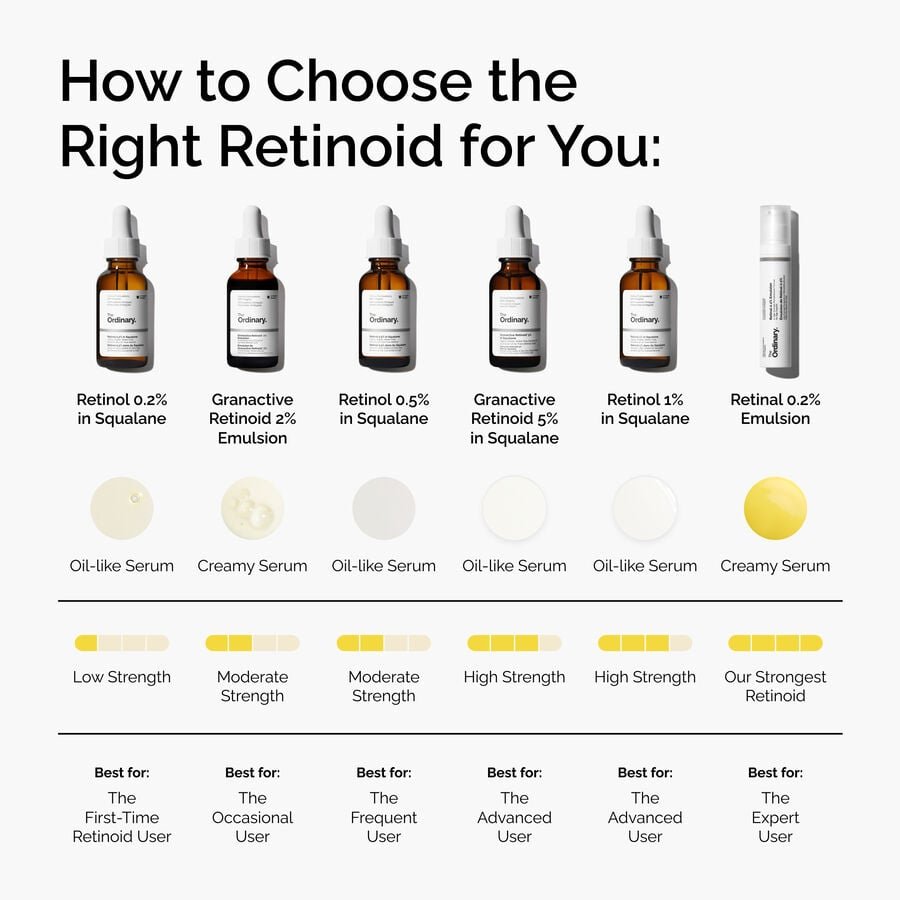
Retinol products come in different strengths, usually ranging from 0.01% to 1%. Beginners should start with lower concentrations like 0.25% or 0.5% to reduce the risk of redness and peeling.
If your skin handles lower concentrations well, you can gradually increase the strength for better results. Remember, more isn’t always better—patience is key with retinol.
Think about how your skin has reacted to active ingredients in the past. Can you tolerate stronger formulas, or do you need to proceed slowly?
Skin Type Considerations
Your skin type plays a huge role in choosing the right retinol. Oily and acne-prone skin may benefit from higher concentrations that help clear pores, while dry or sensitive skin needs gentler formulas to avoid irritation.
People with sensitive skin can look for retinol combined with soothing ingredients like hyaluronic acid or niacinamide. These help maintain hydration and reduce dryness.
Have you noticed your skin’s reaction to exfoliants or acids? Use those experiences to guide your choice and protect your skin barrier effectively.
Preparing Your Skin
Preparing your skin before applying retinol is crucial to maximize its benefits and minimize irritation. Your skin needs to be clean, balanced, and well-hydrated to handle retinol’s potency. Skipping these steps can lead to dryness, redness, or peeling, which no one wants.
Cleansing Techniques
Start with a gentle cleanser that suits your skin type. Avoid harsh soaps or scrubs that strip away natural oils. Use lukewarm water to open pores without causing dryness.
Pat your face dry with a soft towel instead of rubbing it. This prevents irritation and keeps your skin barrier intact. Have you noticed how your skin feels after cleansing? It should feel fresh but not tight or squeaky clean.
Exfoliation Tips
Exfoliation helps remove dead skin cells, allowing retinol to penetrate better. Use a mild chemical exfoliant, like one with lactic acid or glycolic acid, rather than physical scrubs that can be too abrasive.
Limit exfoliation to 1-2 times per week, especially when starting retinol. Over-exfoliating can cause sensitivity and counteract the benefits. How often do you exfoliate right now? Adjusting this can improve your retinol experience significantly.
Moisturizing Before Retinol
Applying a moisturizer before retinol creates a protective layer that reduces irritation. Choose a fragrance-free, hydrating moisturizer with ingredients like hyaluronic acid or ceramides.
Try the “moisturizer first” method if you have sensitive skin—apply moisturizer, wait a few minutes, then apply retinol. This technique helped me avoid redness when I started retinol. Have you tried moisturizing before retinol, or do you apply it directly?
Credit: medium.com
Step-by-step Retinol Routine
Building a skincare routine with retinol requires care and patience. Retinol is powerful and can cause irritation if not used properly. Following a clear routine helps your skin adjust and get the best results. Below is a simple guide to using retinol in your skincare.
Starting Slowly
Begin by using retinol only twice a week. Apply a small amount to clean, dry skin. Wait a few minutes before adding other products. Watch your skin for signs of redness or dryness. If your skin reacts well, increase use to every other night. This gradual approach helps skin build tolerance.
Nighttime Application
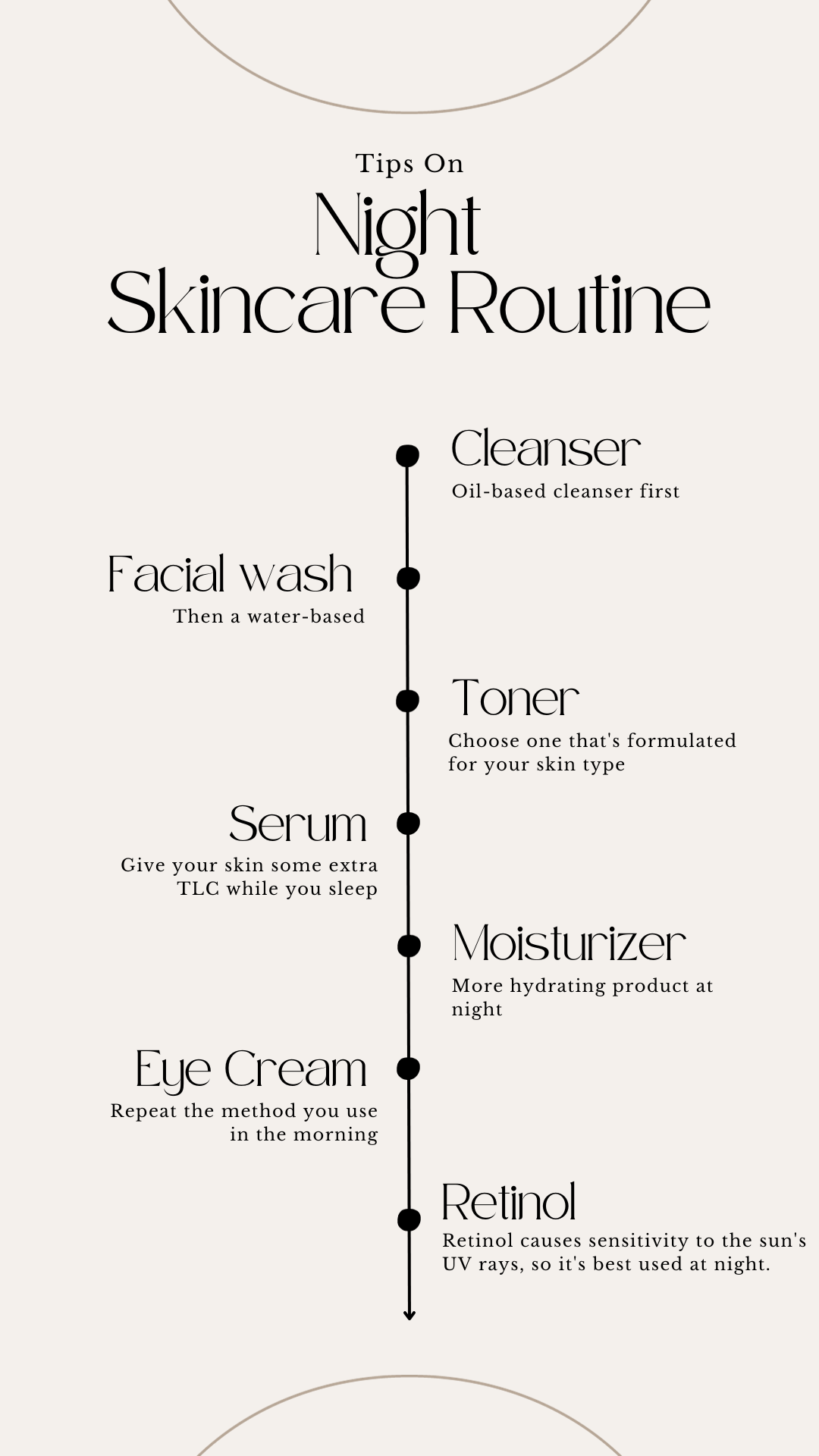
Retinol works best at night. It can break down in sunlight and cause sensitivity. Cleanse your face with a gentle cleanser first. Pat your skin dry carefully. Apply a pea-sized amount of retinol evenly over your face. Avoid the eye area and lips. Let it absorb before moving to the next step.
Layering With Other Products
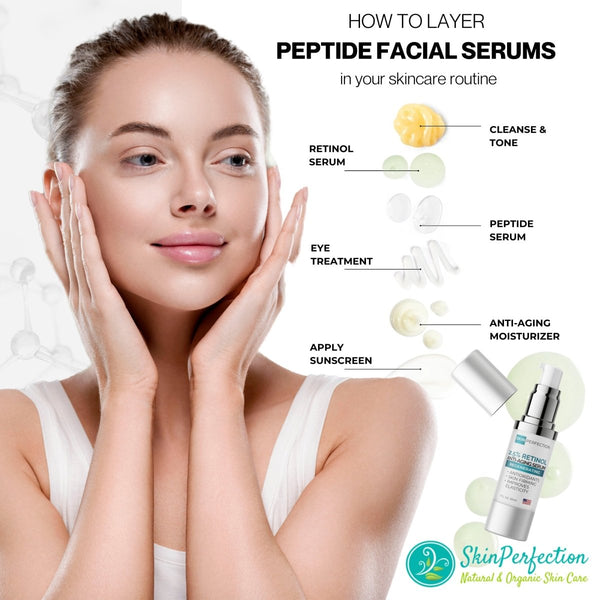
Use gentle, hydrating products with retinol. After retinol, apply a moisturizer to reduce dryness. Avoid strong acids or exfoliants on the same night. If you use serums, apply them before retinol. Sunscreen is a must during the day to protect your skin. Keep your routine simple to avoid irritation.
Managing Side Effects
Retinol is a powerful ingredient for clearer, smoother skin. It can cause side effects like dryness, peeling, and irritation. Managing these effects helps maintain skin health and comfort. Proper care lets you enjoy retinol’s benefits without discomfort.
Dealing With Dryness And Peeling
Dryness and peeling are common when starting retinol. They happen as skin adjusts to the product. Use a gentle moisturizer to soothe dryness. Apply it after retinol to lock in moisture. Avoid harsh cleansers that strip natural oils.
- Choose fragrance-free, hydrating creams.
- Use a humidifier in dry environments.
- Limit retinol use to every other night initially.
Minimizing Irritation
Irritation may cause redness and discomfort. Reduce irritation by applying retinol on dry skin. Wait 20 minutes after washing your face before use. Avoid other active ingredients like AHAs or BHAs on retinol days. Use sunscreen daily to protect sensitive skin.
When To Adjust Usage
Adjust retinol use if side effects worsen. Stop using it for a few days if irritation is severe. Resume with lower frequency or concentration once skin calms. Consult a dermatologist if problems persist. Listen to your skin’s signals to find the right balance.
Credit: goop.com
Enhancing Results
Enhancing the effects of your retinol skincare routine requires mindful care. Simple adjustments can boost your skin’s health and glow. Focus on protection, support, and healthy habits for best results.
Sun Protection Essentials
Retinol makes your skin more sensitive to sunlight. Daily sun protection is necessary. Use sunscreen with at least SPF 30 every morning. Reapply sunscreen every two hours if outdoors. Wear hats and sunglasses to shield your face. Avoid direct sun exposure during peak hours. Protecting your skin helps avoid irritation and damage.
Complementary Skincare Ingredients
Pair retinol with gentle, hydrating products. Use moisturizers containing hyaluronic acid or ceramides. These ingredients soothe and lock in moisture. Avoid harsh ingredients like alcohol or strong acids near retinol. Niacinamide works well with retinol to reduce redness. Layer products carefully to keep skin calm and balanced.
Lifestyle Habits For Healthy Skin
Good lifestyle choices improve retinol benefits. Drink plenty of water daily to keep skin hydrated. Eat fruits and vegetables rich in vitamins. Get enough sleep for skin repair and renewal. Avoid smoking and excessive alcohol, which harm skin health. Manage stress through exercise or relaxation techniques. Healthy habits support your skin’s natural glow.
Frequently Asked Questions
What Is The Best Time To Apply Retinol In Skincare?
Retinol works best at night because sunlight can degrade it. Apply retinol after cleansing and before moisturizing for maximum absorption. Nighttime use helps reduce irritation and boosts skin renewal during sleep.
How Often Should I Use Retinol In My Routine?
Start with 2-3 times a week and gradually increase. This helps your skin build tolerance and prevents irritation. Once adjusted, you can use retinol nightly if your skin tolerates it well.
Can I Use Retinol With Other Skincare Products?
Avoid combining retinol with vitamin C or AHAs to reduce irritation. Use gentle moisturizers and sunscreen alongside retinol. Always patch-test new combinations to ensure skin comfort and effectiveness.
What Are Common Side Effects Of Retinol Use?
Retinol may cause redness, peeling, dryness, or mild irritation initially. These effects usually lessen as your skin adjusts. Use moisturizer and sunscreen to minimize discomfort and protect sensitive skin.
Conclusion
Retinol can improve your skin with regular use. Start slow and watch your skin adjust. Always apply sunscreen during the day to protect your skin. Pair retinol with gentle moisturizers to avoid dryness. Be patient; results take weeks to show.
Keep your routine simple and consistent. Healthy skin needs care and time. Enjoy the journey to clearer, smoother skin.
