
Are you looking to brighten your skin and keep it healthy at the same time? Combining niacinamide and vitamin C in your skincare routine might be the game-changer you need.
These two powerful ingredients work together to reduce dark spots, even out your skin tone, and protect you from daily damage. If you want glowing skin that feels fresh and looks vibrant, understanding how to use niacinamide and vitamin C the right way is key.
Keep reading to discover simple steps that can transform your skincare and help you get the radiant complexion you deserve.
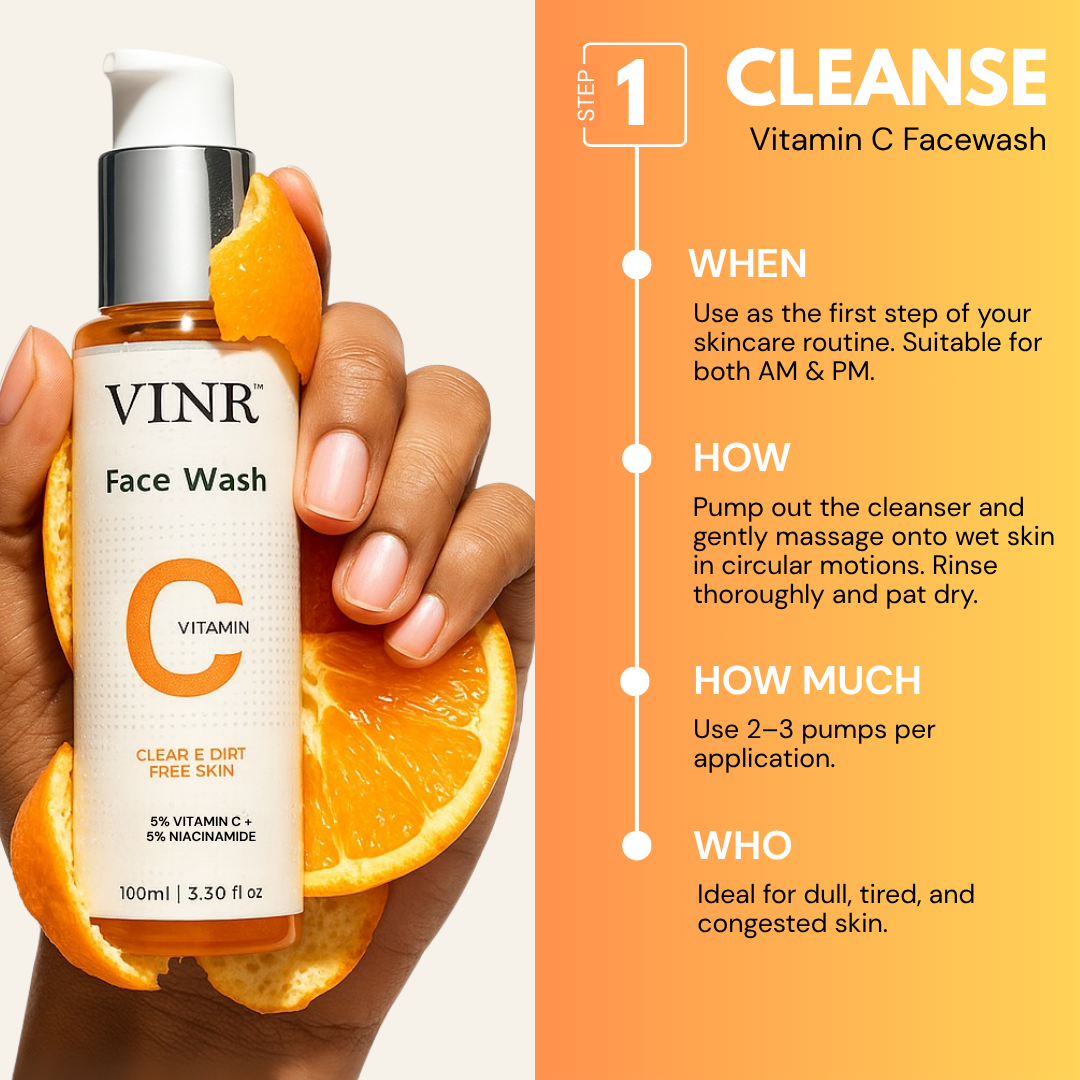
Credit: thevinr.com
Benefits Of Niacinamide
Niacinamide is a popular ingredient in skincare for many reasons. It suits almost all skin types and offers multiple benefits. Regular use can improve skin texture and appearance. It helps with common skin concerns in gentle ways.
Brightening Effects
Niacinamide reduces dark spots and uneven skin tone. It limits the transfer of pigment to skin cells. This makes skin look clearer and more radiant. Dullness fades, revealing a natural glow.
Reducing Inflammation
Niacinamide calms redness and irritation. It soothes sensitive or acne-prone skin. This reduces visible swelling and discomfort. Skin feels more comfortable and balanced.
Strengthening Skin Barrier
Niacinamide improves the skin’s outer layer. It helps retain moisture and protects against damage. A strong barrier keeps skin soft and healthy. It also defends against pollution and dryness.
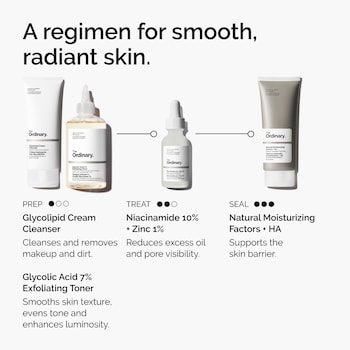
Credit: www.sephora.com
Advantages Of Vitamin C
Vitamin C is a powerful ingredient in skincare. It offers many benefits that help improve skin health. Its effects support a brighter, healthier complexion and protect skin from daily damage.
Antioxidant Protection
Vitamin C fights free radicals caused by sun exposure and pollution. These free radicals damage skin cells and cause early aging. Using Vitamin C helps protect skin from this harm, keeping it youthful and fresh.
Collagen Boosting
Collagen keeps skin firm and elastic. Vitamin C supports natural collagen production in the skin. This helps reduce wrinkles and fine lines. Skin looks smoother and firmer with regular Vitamin C use.
Evening Skin Tone
Vitamin C helps reduce dark spots and discoloration. It blocks excess melanin production, which causes uneven skin tone. This results in a brighter, more uniform complexion. Skin appears radiant and clear.
Combining Niacinamide And Vitamin C
Combining niacinamide and vitamin C in your skincare routine can offer powerful benefits, but it’s important to know how to use them effectively. Both ingredients target different skin concerns—niacinamide soothes and strengthens your skin’s barrier, while vitamin C brightens and protects against environmental damage. Used correctly, they complement each other to improve overall skin health.
Compatibility Tips
There’s a common belief that niacinamide and vitamin C shouldn’t be used together due to potential irritation or reduced effectiveness. However, modern research shows they can coexist nicely if you pay attention to formulation and layering.
- Start with a vitamin C serum (usually applied in the morning) since it performs best in a lower pH environment.
- Follow with niacinamide after vitamin C absorbs, or use niacinamide-based products in the evening.
- Always patch test new combinations to monitor your skin’s reaction.
Have you noticed your skin feels sensitive when layering actives? Adjusting the order or time of application might be the key.
Maximizing Results
To get the most out of these ingredients, consistency is crucial. Use vitamin C in the morning to protect against UV damage and pollution. Niacinamide shines as a calming agent, ideal for both morning and night routines.
Consider products that combine both ingredients with stable formulations. These can simplify your routine and ensure balanced delivery.
- Apply vitamin C on clean, dry skin.
- Wait a minute or two before adding niacinamide to avoid pH conflicts.
- Follow up with moisturizer and sunscreen for added protection.
What improvements would you like to see in your skin after adding these ingredients? Tracking your progress can help you tweak your routine effectively.
Common Myths
There are several myths around mixing niacinamide and vitamin C that might stop you from trying this combo. One is that they neutralize each other, but this is based on outdated science.
Another myth is that they cause redness or irritation when used together. While sensitive skin might react, most people tolerate the combination well with proper use.
- Niacinamide doesn’t cancel out vitamin C’s benefits.
- Using both can reduce inflammation and improve skin tone.
- If irritation occurs, simplify your routine and introduce one ingredient at a time.
Have you ever hesitated to mix ingredients due to myths? Testing and listening to your skin will give you the clearest answers.
Step-by-step Routine
Creating an effective skincare routine with niacinamide and vitamin C requires a clear and simple process. Each product plays a specific role in improving your skin’s health and appearance. Follow this step-by-step guide to get the best results and keep your skin glowing.
Cleansing And Prepping
Start by washing your face with a gentle cleanser. Choose one that removes dirt and oil without drying your skin. Use lukewarm water to open pores and rinse off impurities. Pat your face dry with a soft towel. Apply a light toner or hydrating mist to prepare your skin. This helps your skin absorb the next products better.
Applying Vitamin C Serum
Use a few drops of vitamin C serum on your clean face. Spread it evenly using your fingertips. Focus on areas with dark spots or dullness. Vitamin C protects skin from damage and brightens your complexion. Allow the serum to absorb fully before moving to the next step. This usually takes a couple of minutes.
Using Niacinamide Products
Apply niacinamide serum or moisturizer after vitamin C. Niacinamide calms skin and reduces redness. It also helps with uneven skin tone and texture. Use a small amount and gently massage it into your skin. Let it absorb completely to avoid mixing with other products. Niacinamide works well with vitamin C for balanced skin care.
Moisturizing And Sunscreen
Lock in all the benefits with a good moisturizer. Choose one that suits your skin type. Moisturizer keeps your skin hydrated and smooth. Follow with a broad-spectrum sunscreen every morning. Sunscreen protects your skin from UV rays and prevents damage. Use it even on cloudy days to maintain healthy skin.
Choosing The Right Products
Choosing the right skincare products with niacinamide and vitamin C matters a lot. The right products help your skin absorb these ingredients well. This boosts skin health and brings visible improvements. Picking products with the right strength and formula keeps your skin safe and glowing.
Serum Concentrations
Niacinamide usually works well at 5% concentration. This level balances effectiveness and skin comfort. Vitamin C serums vary from 10% to 20%. Beginners should start with lower percentages to avoid irritation. Higher concentrations suit oily or tolerant skin types better.
Formulations To Avoid
Avoid products that mix niacinamide and vitamin C with harsh ingredients. Alcohol and strong fragrances can dry or irritate skin. Skip formulas with high acid content alongside these actives. These combinations may cause redness or sensitivity. Look for gentle, simple ingredient lists instead.
Budget-friendly Options
Good skincare does not need to be expensive. Many affordable brands offer quality niacinamide and vitamin C products. Drugstore serums often provide effective doses at low prices. Focus on ingredient lists and reviews rather than brand names. Consistent use matters more than costly packaging.
Potential Side Effects
Using niacinamide and vitamin C in your skincare routine offers many benefits. Both ingredients brighten skin and improve texture. Yet, some people might experience side effects. It is important to know what to watch for and how to avoid problems.
Skin Sensitivity
Niacinamide is usually gentle, but some may feel mild redness or warmth. Vitamin C, especially in high concentrations, can cause tingling or stinging. Sensitive skin types might react more strongly. Sun exposure after using vitamin C can increase sensitivity. Using sunscreen daily helps protect your skin from damage.
Irritation Prevention
To reduce irritation, start with lower concentrations of each ingredient. Use niacinamide and vitamin C at different times, such as vitamin C in the morning and niacinamide at night. Avoid mixing them directly in the same product or layer. Moisturize well to keep skin barrier strong. Avoid harsh scrubs or exfoliants while using these actives.
Patch Testing Tips
Test products before applying to your face. Apply a small amount on your inner forearm or behind the ear. Wait 24 to 48 hours to check for redness or itching. If irritation appears, do not use the product on your face. Patch testing helps find the best combination for your skin.
Additional Tips For A Glowing Complexion
Achieving a glowing complexion requires more than just applying niacinamide and vitamin C. These ingredients work best when combined with healthy habits. Small changes in daily life can greatly enhance your skin’s brightness and health.
Diet And Hydration
Your skin reflects what you eat and drink. Eating plenty of fruits and vegetables supplies vitamins and antioxidants. These help protect and repair skin cells.
Drink enough water every day. Staying hydrated keeps skin plump and reduces dryness. Avoid sugary drinks and excess caffeine, as they can dehydrate your skin.
Consistent Routine
Consistency is key for any skincare routine. Use niacinamide and vitamin C daily for best results. Apply vitamin C in the morning to protect against pollution.
Niacinamide works well both morning and night. Stick to your routine, even on busy days. Patience helps your skin improve over time.
Lifestyle Factors
Sleep affects your skin’s ability to heal and regenerate. Aim for 7 to 8 hours of quality sleep each night. Avoid smoking and limit alcohol, as they damage skin cells.
Manage stress through exercise or relaxation techniques. Stress can cause breakouts and dullness. Protect your skin from sun exposure with sunscreen daily.

Credit: www.amazon.com
Frequently Asked Questions
Can I Use Niacinamide And Vitamin C Together?
Yes, niacinamide and vitamin C can be used together. They complement each other to brighten skin and reduce inflammation effectively.
What Is The Best Time To Apply Vitamin C?
Vitamin C is best applied in the morning. It protects skin from UV damage and boosts collagen production throughout the day.
How Does Niacinamide Improve Skin Health?
Niacinamide improves skin by reducing redness, minimizing pores, and strengthening the skin barrier. It also controls oil production for clearer skin.
Can Vitamin C Cause Skin Irritation?
Vitamin C may cause irritation for sensitive skin, especially in high concentrations. Start with a lower dose and patch test before full use.
Conclusion
Niacinamide and Vitamin C make a powerful duo for skincare. They help brighten the skin and reduce spots. You can use both in one routine. Apply them at different times for best results. Start with a clean face. Then, apply niacinamide serum.
Follow with a moisturizer. Use Vitamin C in the morning. Niacinamide can be used at night. Consistent use brings visible results. Your skin will look healthier and fresher. Remember to use sunscreen during the day. Protects your skin from damage.
A simple routine for glowing skin. Enjoy the benefits every day!
