Are you ready to unlock the secret to radiant, glowing skin? Imagine stepping out each day with confidence, knowing your skin looks its absolute best.
The answer might just lie in a simple ingredient: Vitamin C. This powerhouse vitamin is a must-have in any effective skincare routine. It promises not just to brighten your complexion but also to shield your skin from daily stressors. You might be wondering, “How can Vitamin C transform my skin?
” Or “Is it really worth the hype? ” Stick around, because by the end of this article, you’ll discover how incorporating Vitamin C into your skincare routine can be a game-changer for your skin’s health and vitality. Prepare to embrace a glow that not only turns heads but also boosts your confidence from within.

Credit: www.evolvebeauty.com
Benefits Of Vitamin C For Skin
Vitamin C is a powerful ingredient in skincare. It offers many benefits that improve skin health and appearance. Regular use can make skin stronger, brighter, and more even-toned.
Boosting Collagen Production
Vitamin C helps the skin produce collagen. Collagen keeps skin firm and elastic. More collagen means fewer wrinkles and fine lines. It supports skin repair and keeps the skin youthful.
Fighting Free Radicals
Free radicals harm skin cells and cause aging. Vitamin C is an antioxidant that fights free radicals. It protects skin from damage caused by pollution and sun exposure. This reduces signs of aging and skin stress.
Brightening Dull Complexion
Vitamin C brightens tired and dull skin. It helps even out skin tone and adds a natural glow. Regular use gives the skin a fresh and healthy look. It reduces tiredness visible on the face.
Reducing Hyperpigmentation
Dark spots and uneven patches often result from excess pigment. Vitamin C slows down pigment production. It helps fade dark spots and discoloration. Skin looks clearer and more even with continued use.

Credit: www.glamour.com
Choosing The Right Vitamin C Product
Choosing the right vitamin C product can feel overwhelming with so many options on the market. The key is understanding what form suits your skin type and how the product’s concentration and packaging affect its effectiveness. Your goal is to find a vitamin C product that delivers real benefits without causing irritation.
Different Forms Of Vitamin C
Vitamin C comes in several forms, each with unique benefits and stability levels. L-ascorbic acid is the purest form and works well for brightening, but it can irritate sensitive skin. If your skin is delicate, look for derivatives like magnesium ascorbyl phosphate or sodium ascorbyl phosphate, which are gentler yet still effective.
Think about how your skin reacts to active ingredients. Have you noticed redness or dryness with certain products? That’s a clue to choose a milder vitamin C form.
Concentration Levels To Consider
Concentration matters a lot. Products with 10-20% vitamin C are generally effective and safe for most skin types. Higher concentrations can boost results but increase the risk of irritation.
If you’re new to vitamin C, starting with a lower concentration can help your skin adjust. Pay attention to how your skin feels after application—any burning or excessive redness means you might need a gentler formula.
Packaging And Stability
Vitamin C is sensitive to light and air, which can reduce its potency quickly. Look for products in dark, airtight containers or opaque tubes to keep the formula stable. Pump dispensers are often better than jars because they limit exposure to air.
Have you ever opened a serum and noticed it turning yellow or brown? That’s a sign it’s oxidized and less effective. Choosing stable packaging helps keep your investment working well longer.
Combining With Other Ingredients
Vitamin C works well with some ingredients but clashes with others. Pairing it with vitamin E and ferulic acid can boost its antioxidant power and improve skin protection. Avoid using vitamin C at the same time as niacinamide if your skin is sensitive, as this can cause flushing or irritation.
Consider your entire routine. Are you layering multiple actives? Testing how vitamin C interacts with your current products helps avoid unwanted reactions and maximizes benefits.
Incorporating Vitamin C Into Your Routine
Adding vitamin C to your skincare routine boosts your skin’s brightness and health. It helps fight dark spots and protects against sun damage. Using it correctly ensures you get the best results.
Best Time To Apply Vitamin C
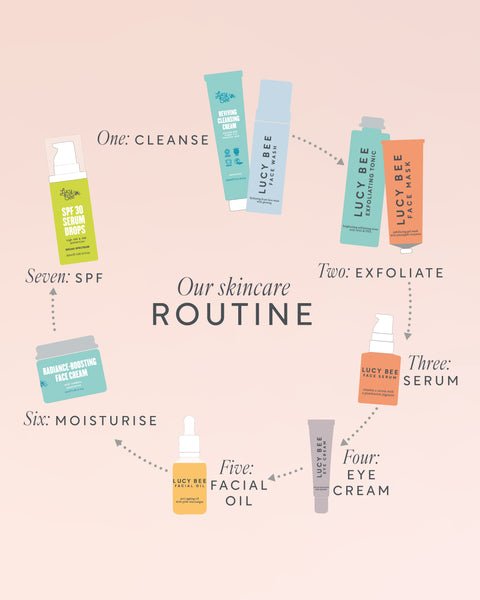
Vitamin C works best in the morning. It shields your skin from pollution and UV rays. Apply it after cleansing and before moisturizing. Use sunscreen afterward to protect your skin even more.
Step-by-step Application Guide
- Cleanse your face with a gentle wash.
- Pat your skin dry with a clean towel.
- Apply a few drops of vitamin C serum on your face.
- Gently spread the serum using your fingertips.
- Allow the serum to absorb for a minute.
- Follow with your favorite moisturizer.
- Finish with a broad-spectrum sunscreen in the morning.
Frequency And Consistency Tips
Use vitamin C serum daily for best effects. Start with every other day if your skin is sensitive. Watch your skin’s reaction and adjust as needed. Consistency helps keep your skin glowing and healthy.

Credit: www.playingwithapparel.com
Common Mistakes To Avoid
Using vitamin C in your skincare routine brings many benefits. Still, some common mistakes can reduce its effectiveness. Avoid these errors to keep your skin healthy and glowing.
Overusing Vitamin C Products
Applying too much vitamin C can irritate your skin. It may cause redness, dryness, or peeling. Stick to the recommended amount on the product label. Usually, a pea-sized amount is enough for your face. Give your skin time to adjust before increasing usage.
Mixing With Incompatible Ingredients
Vitamin C does not mix well with all skincare ingredients. Avoid using it with products containing benzoyl peroxide or retinol at the same time. These combinations can make vitamin C unstable and less effective. Use vitamin C in the morning and retinol at night for best results.
Ignoring Sun Protection
Vitamin C helps protect skin from sun damage but does not replace sunscreen. Always apply a broad-spectrum sunscreen after your vitamin C serum. Sunscreen shields your skin from harmful UV rays and prevents premature aging. Reapply sunscreen every two hours when outdoors.
Enhancing Results With Complementary Skincare
Vitamin C is a powerful ingredient, but pairing it with the right skincare steps can take your results to the next level. Adding complementary products helps your skin absorb and benefit from Vitamin C more effectively. Think of it as creating a team where every player supports the other to boost your glow and protect your skin.
Hydration Boosters
Hydration is key to making Vitamin C work better on your skin. When your skin is well-hydrated, it absorbs serums and creams more efficiently, allowing Vitamin C to penetrate deeply.
Look for moisturizers with ingredients like hyaluronic acid or glycerin. These attract water and lock in moisture, which keeps your skin plump and healthy. Have you noticed how dry skin often looks dull even with Vitamin C? Hydration can fix that.
Sunscreens For Protection
Vitamin C helps protect your skin from free radicals, but it doesn’t replace sunscreen. Applying a broad-spectrum sunscreen daily shields your skin from UV damage that can degrade Vitamin C’s effects.
Choose a sunscreen with at least SPF 30 and apply it as the last step in your morning routine. Think of sunscreen as the guard that lets Vitamin C do its job without getting overwhelmed by sun damage.
Exfoliation Techniques
Regular exfoliation removes dead skin cells, allowing Vitamin C to reach fresh layers of skin more easily. This can make the brightening effects of Vitamin C more noticeable and faster.
Use gentle exfoliators like lactic acid or mild scrubs 1-2 times a week. Over-exfoliating can irritate your skin, so listen to how your skin responds. Have you tried exfoliating before applying Vitamin C? It might change how your skin looks and feels.
Addressing Sensitive Skin Concerns
Sensitive skin needs special care when adding vitamin C to your routine. This ingredient can brighten and protect skin but may cause redness or stinging. Taking careful steps helps your skin adjust without discomfort. Understanding how to test and choose products makes a big difference.
Patch Testing Tips
Test vitamin C on a small skin area before full use. Apply a small drop on your wrist or behind your ear. Wait 24 to 48 hours to watch for any reaction. No redness, itching, or burning means it’s likely safe to use.
This simple step helps avoid unwanted irritation and skin problems.
Selecting Gentle Formulations
Look for vitamin C products designed for sensitive skin. These usually have lower concentrations, around 5-10%. Formulas with added soothing ingredients like aloe or chamomile calm the skin. Avoid products with strong acids or alcohol, which can irritate.
Choose serums or creams that feel light and hydrating. Gentle formulas support skin health and reduce risk of flare-ups.
Managing Irritation
If irritation appears, stop vitamin C use immediately. Use a mild cleanser and moisturizer to help skin heal. Apply cool compresses to reduce redness and discomfort. Avoid other strong skincare products while skin recovers.
Once healed, reintroduce vitamin C slowly, every other day. This approach helps your skin build tolerance without stress.
Frequently Asked Questions
What Are The Benefits Of Vitamin C In Skincare?
Vitamin C boosts collagen production, brightens skin, and fights free radicals. It reduces dark spots and protects against sun damage. Regular use improves overall skin texture and tone.
When Is The Best Time To Apply Vitamin C Serum?
Apply vitamin C serum in the morning after cleansing. It enhances sun protection and neutralizes free radicals. Follow with sunscreen for optimal results.
Can Vitamin C Cause Skin Irritation Or Sensitivity?
Vitamin C is generally safe but may irritate sensitive skin. Start with a lower concentration and do a patch test. Discontinue use if redness or discomfort occurs.
How Does Vitamin C Interact With Other Skincare Ingredients?
Vitamin C pairs well with hyaluronic acid and vitamin E. Avoid mixing with retinol or niacinamide to prevent reduced effectiveness. Layer products properly for best results.
Conclusion
Vitamin C boosts your skin’s brightness and health. Use it daily for best results. Start with a small amount to avoid irritation. Combine it with a gentle cleanser and moisturizer. Protect your skin with sunscreen after applying vitamin C. Consistency matters more than speed in skincare.
Watch your skin glow and feel smoother over time. A simple routine can make a big difference. Keep your skin care easy and effective with vitamin C.