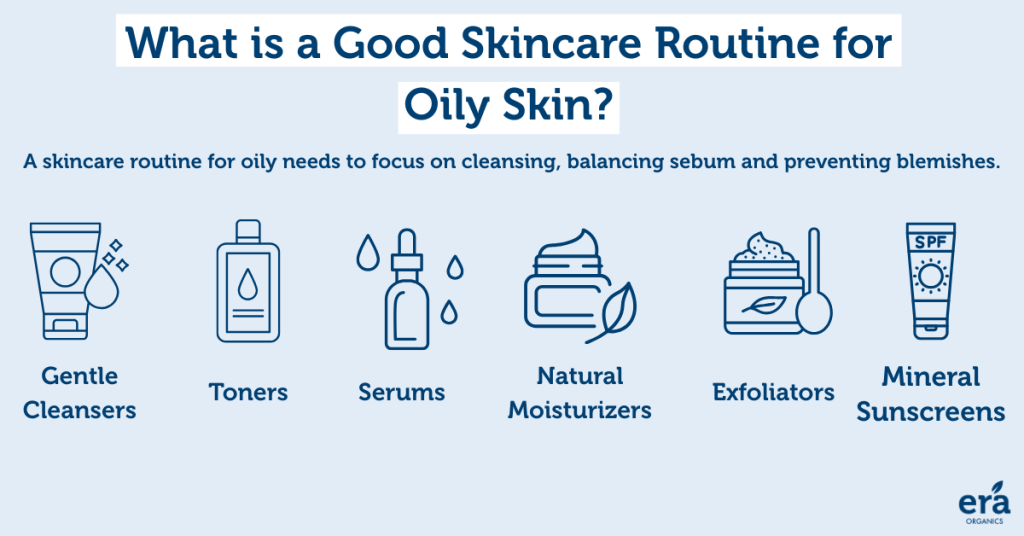
Are you tired of dealing with shiny skin, frequent breakouts, and makeup that just won’t stay put? If you have oily skin, you know the struggle is real.
But here’s the good news: with the right skincare routine, you can take control and achieve a balanced, glowing complexion. Imagine waking up each day with skin that feels fresh and looks radiant, without the constant worry of excess oil.
Sounds like a dream, right? In this guide, we’ll walk you through essential skincare routine steps tailored specifically for oily skin. You’ll discover easy, effective strategies that will transform your skincare game, leaving you with the confidence to face the world with your best face forward. Ready to unlock the secrets to managing oily skin? Let’s dive in!
Identify Your Skin Type
Knowing your skin type is the foundation of any effective skincare routine, especially for oily skin. You might think your skin is oily because it shines a lot, but it’s more than just appearance. Identifying your skin type correctly ensures you choose the right products and avoid irritation or worsening oiliness.
How To Recognize Oily Skin
Oily skin usually feels greasy a few hours after washing your face. You may notice a shiny forehead, nose, and chin—commonly called the T-zone. Pores often look larger and may be prone to blackheads or acne.
Do you find your makeup sliding off or disappearing quickly? That’s a strong hint your skin produces excess oil. But oily skin can also feel rough or thick, not just shiny.
Simple Tests To Identify Your Skin Type
Here’s a quick way to test your skin type at home:
- Wash your face with a gentle cleanser and pat dry.
- Wait for about an hour without applying any products.
- Press a clean tissue on different parts of your face, especially the forehead, nose, and cheeks.
If the tissue shows oil stains, especially on the T-zone, your skin is oily. No or very little oil means dry or normal skin.
Why Misidentifying Your Skin Type Can Backfire
I once thought my skin was just ‘combination’ and used heavy creams that clogged my pores. This made breakouts worse and increased oil production. Using the wrong products for your skin type can irritate your skin and trigger more oil.
Choosing lightweight, oil-free, or gel-based products suits oily skin better. Are you using products that might be making your oily skin worse without realizing it?
Choose The Right Cleanser
Choosing the right cleanser is key for oily skin care. The cleanser removes dirt, oil, and impurities that cause breakouts. It helps balance oil production and keeps the skin fresh. Using a cleanser that suits oily skin prevents clogged pores and shine. Select products that clean deeply without drying the skin.
Foaming Cleansers
Foaming cleansers create a light foam that cleans oil and dirt well. They feel fresh and remove excess oil from the skin surface. These cleansers help unclog pores and reduce shine. Use gentle foaming cleansers that do not strip moisture. Avoid harsh formulas that leave skin tight or dry.
Gel-based Cleansers
Gel-based cleansers have a smooth, gel texture that cleans deeply. They are good for oily skin because they remove oil without irritation. These cleansers often contain ingredients to control oil and prevent acne. Gel cleansers leave skin feeling clean and balanced. Choose alcohol-free gels to avoid dryness and redness.
Incorporate Exfoliation
Adding exfoliation to your skincare routine can make a noticeable difference, especially if you have oily skin. It helps remove dead skin cells that clog pores and cause breakouts. But the key is choosing the right type of exfoliant that suits your skin’s needs without causing irritation.
Chemical Exfoliants
Chemical exfoliants use ingredients like AHAs (alpha hydroxy acids) and BHAs (beta hydroxy acids) to gently dissolve dead skin cells. BHAs, like salicylic acid, are especially good for oily skin because they penetrate deep into pores and reduce excess oil. You might find that using a BHA toner or serum a few times a week keeps your skin clearer and less shiny.
Have you noticed some exfoliants leave your skin red or dry? Chemical exfoliants usually cause less irritation than scrubs if you pick the right concentration and start slow. Consider starting with a product containing 1-2% salicylic acid and observe how your skin reacts before increasing frequency.
Physical Exfoliants
Physical exfoliants use small particles or tools to manually remove dead skin cells. While they can give instant smoothness, they might be too harsh for oily skin prone to acne. Using a gentle scrub with rounded beads once a week can help without damaging your skin barrier.
Think about how your skin feels after using a scrub. If it’s red or irritated, it might be better to stick with chemical exfoliants or opt for very mild physical exfoliants like a soft washcloth. Remember, over-exfoliating can trigger more oil production, making your skin oilier.
Use A Toner
Using a toner is a key step in managing oily skin effectively. It helps balance your skin’s pH, tighten pores, and remove leftover dirt or oil after cleansing. Choosing the right toner can make a big difference in how your skin feels and looks throughout the day.
Alcohol-free Options
Many toners contain alcohol, which can dry out your skin and cause it to produce even more oil. Look for alcohol-free toners to avoid this cycle of dryness and oiliness. These options soothe your skin without stripping away its natural moisture.
Alcohol-free toners often contain calming ingredients like aloe vera or chamomile. They refresh your skin gently and reduce redness, making them ideal for sensitive oily skin. Have you ever noticed your skin feeling tight or irritated after using a toner? Switching to an alcohol-free formula might solve that problem.
Ingredients To Look For
Focus on toners with ingredients that help control oil and prevent breakouts. Salicylic acid is a popular choice because it unclogs pores and reduces shine. Niacinamide is another great ingredient; it regulates oil production and improves skin texture.
Other helpful ingredients include witch hazel, which tightens pores, and green tea extract, known for its antioxidant properties. Avoid toners with heavy fragrances or harsh chemicals that can irritate your skin. What ingredients have you found that actually calm your oily skin?
Apply Lightweight Moisturizer
Choosing the right moisturizer can feel tricky if you have oily skin. You might worry about adding shine or clogging your pores. But skipping moisturizer isn’t the answer—your skin still needs hydration to stay balanced and healthy.
Applying a lightweight moisturizer keeps your skin comfortable without weighing it down. It helps control excess oil and prevents your skin from producing more oil as a response to dryness. Let’s look at two great options that work well for oily skin.
Oil-free Formulas
Oil-free moisturizers avoid adding extra oils to your skin, making them ideal if you struggle with shine. These formulas hydrate without clogging pores or causing breakouts.
You might find products labeled “non-comedogenic” or “oil-free” in drugstores or skincare brands. These often include ingredients like hyaluronic acid or glycerin that attract moisture without grease. Have you noticed how some moisturizers feel heavy even when they promise to be light? Oil-free options usually feel lighter and absorb faster.
Gel-based Moisturizers
Gel-based moisturizers offer a refreshing, lightweight texture perfect for oily skin. They deliver hydration without the creamy heaviness that can weigh skin down.
Many gel formulas contain soothing ingredients like aloe vera and cucumber extract. These not only hydrate but also calm any redness or irritation you might have. If you’ve ever applied a gel moisturizer and felt a cool, non-sticky finish, you know how comfortable they can be during warm or humid days.
Include Sunscreen Daily
Sunscreen is a must-have in any skincare routine for oily skin. It protects your skin from harmful UV rays that cause damage and premature aging. Daily use prevents sunburn, dark spots, and skin cancer risks. Applying sunscreen also helps control oil production and keeps your skin healthy.
Non-comedogenic Sunscreens
Choose sunscreens labeled non-comedogenic. These products do not clog pores or cause breakouts. They are lightweight and designed specifically for oily and acne-prone skin. Look for gel-based or water-based formulas. They absorb quickly and leave no greasy residue. This keeps your skin feeling fresh and clean all day.
Broad-spectrum Protection
Use sunscreens with broad-spectrum protection. This means they guard against UVA and UVB rays. UVA rays cause aging and wrinkles. UVB rays cause sunburn and skin damage. A broad-spectrum sunscreen protects your skin from both. Aim for SPF 30 or higher to ensure strong defense. Reapply every two hours if you stay outdoors.
Add Targeted Treatments
Adding targeted treatments to your skincare routine helps manage oily skin effectively. These treatments focus on reducing excess oil and preventing breakouts. They also improve skin texture and minimize pores. Choosing the right ingredients is key for success.
Salicylic Acid
Salicylic acid is a powerful ingredient for oily skin. It exfoliates inside the pores, clearing out dirt and oil. This prevents blackheads and whiteheads from forming. Salicylic acid also reduces inflammation and redness. Use products with 1-2% salicylic acid for gentle, daily care.
Niacinamide
Niacinamide helps control oil production and strengthens the skin barrier. It reduces shine without drying out the skin. This ingredient also calms irritation and evens skin tone. Niacinamide suits all skin types and works well with other treatments. Apply a serum or moisturizer containing niacinamide after cleansing.

Credit: www.clinikally.com
Maintain Consistency
Consistency is key when managing oily skin. Skipping your routine or changing products too often can confuse your skin and cause more oil production. Sticking to a regular routine helps balance your skin’s natural oils and keeps breakouts under control.
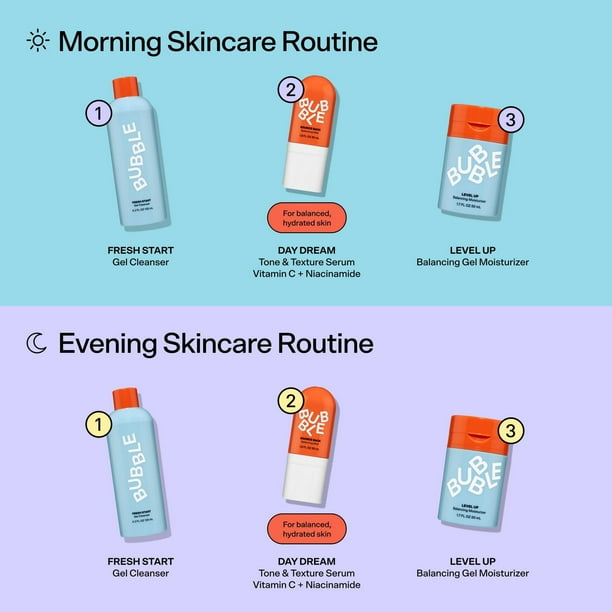
Morning Routine
Start your day by washing your face with a gentle foaming cleanser made for oily skin. This removes excess oil and clears away sweat from the night.
Follow with a lightweight, oil-free moisturizer to keep your skin hydrated without clogging pores. Don’t forget sunscreen — choose a mattifying formula to control shine and protect your skin from UV damage.
Make these steps a non-negotiable part of your morning. Can you commit to this simple routine every day, even when you’re rushing out the door?
Night Routine
At night, cleanse your face again to remove dirt, oil, and makeup that built up during the day. Using a salicylic acid cleanser can help prevent clogged pores and reduce oiliness.
Apply a lightweight, non-comedogenic moisturizer to repair your skin barrier overnight. Avoid heavy creams that may increase oil production.
Adding a targeted treatment, like a retinol or a clay mask once or twice a week, can boost results. How often are you willing to stick with these extra steps to see clearer skin?
Lifestyle Tips For Oil Control
Controlling oily skin involves more than just skincare products. Daily habits also affect oil production. Adopting smart lifestyle tips helps keep your skin balanced and fresh. These changes support your skincare routine and reduce shine.
Diet And Hydration
Your diet impacts skin oil levels. Eating a balanced diet supports healthy skin. Focus on whole foods like fruits, vegetables, and lean proteins.
- Limit greasy and fried foods that increase oiliness.
- Choose foods rich in omega-3 fatty acids to reduce inflammation.
- Drink plenty of water to keep skin hydrated and flush out toxins.
Staying hydrated helps your skin regulate oil better. Water improves skin texture and prevents excess oil production.
Avoid Overwashing
Washing your face too often can worsen oily skin. Overwashing strips natural oils and triggers more oil production.
- Cleanse your face twice daily with a gentle cleanser.
- Avoid harsh soaps or scrubs that irritate the skin.
- Pat your face dry instead of rubbing it.
Gentle cleansing maintains your skin’s natural balance. Overwashing causes dryness and leads to oil overproduction.
Credit: www.walmart.ca

Credit: chemistconfessions.com
Frequently Asked Questions
What Is The Best Cleanser For Oily Skin?
A gel-based, foaming cleanser works best for oily skin. It removes excess oil without drying out the skin. Look for ingredients like salicylic acid or tea tree oil to control shine and prevent breakouts effectively.
How Often Should I Wash Oily Skin Daily?
Wash oily skin twice a day, morning and night. Over-washing can strip natural oils and cause more oil production. Use lukewarm water and gentle cleansers to maintain a balanced, healthy complexion without irritation.
Can Oily Skin Benefit From Moisturizing?
Yes, oily skin needs moisturizer too. Choose a lightweight, oil-free, non-comedogenic moisturizer. It hydrates the skin without clogging pores or increasing shine. Moisturizing helps maintain skin balance and prevents excess oil production.
Should I Use Toner In An Oily Skin Routine?
Toner helps remove residual dirt and excess oil. Use an alcohol-free toner with soothing ingredients like witch hazel or niacinamide. It tightens pores, controls oil, and balances your skin’s pH effectively.
Conclusion
Caring for oily skin takes simple, steady steps. Cleanse your face twice daily to remove oil and dirt. Use a light moisturizer to keep skin balanced. Avoid harsh products that can cause irritation. Protect your skin from the sun every day.
Consistency helps control shine and prevent breakouts. Your skin will feel fresher and look healthier. Small changes make a big difference over time. Stick to your routine and notice the improvement. Healthy skin starts with good habits each day.
