If you have dry skin, you know how frustrating it can be to find a routine that truly works. Your skin may feel tight, flaky, or rough, leaving you uncomfortable and self-conscious.
But what if you could follow simple, effective steps that bring back your skin’s natural softness and glow? This guide will walk you through easy skincare routine steps designed just for dry skin. By the end, you’ll have clear, actionable tips to nourish your skin every day.
Ready to transform your dry skin into a smooth, healthy canvas? Let’s dive in.
Credit: www.walmart.ca
Causes Of Dry Skin
Dry skin happens when your skin loses too much water or oil. This makes it feel tight, rough, and sometimes itchy. Understanding the causes helps you take better care of your skin. Several factors can lead to dry skin.
Environmental Factors
Cold weather often dries out the skin. Low humidity pulls moisture from the skin’s surface. Hot showers can also strip natural oils. Exposure to wind and sun damages the skin’s barrier. Indoor heating reduces air moisture, making skin dry.
Lifestyle Habits
Harsh soaps and detergents remove oils from skin. Skipping moisturizer leaves skin unprotected. Drinking too little water reduces skin hydration. Smoking narrows blood vessels and harms skin health. Not wearing sunscreen can worsen dryness over time.
Skin Conditions
Eczema causes red, itchy, and dry patches. Psoriasis leads to thick, scaly skin areas. Some allergies trigger dry and irritated skin. Aging slows oil production, increasing dryness. Certain medications may reduce skin moisture as a side effect.

Credit: www.colorescience.com
Choosing The Right Cleanser
Choosing the right cleanser is a crucial first step in your skincare routine, especially if you have dry skin. The wrong product can strip away natural oils, leaving your skin feeling tight and uncomfortable. Finding a cleanser that cleans effectively without causing irritation can change how your skin looks and feels every day.
Gentle Cleansing Options
Look for cleansers labeled as gentle, hydrating, or creamy. These types often contain ingredients that help maintain moisture rather than remove it.
- Cream cleansers are excellent for dry skin because they clean without foam or harsh detergents.
- Oil-based cleansers can dissolve dirt and makeup while nourishing your skin’s natural barrier.
- Micellar water offers a no-rinse option that is soothing and simple to use.
Have you tried switching to a cream cleanser and noticed your skin felt less tight afterward? That small change can make a big difference.
Avoiding Harsh Ingredients
Many cleansers contain ingredients that dry out your skin or cause irritation. It’s important to read labels carefully to protect your skin’s natural oils.
- Steer clear of sulfates like sodium lauryl sulfate, which can strip moisture.
- Avoid alcohol-based cleansers that can leave your skin feeling parched.
- Fragrances and artificial dyes often cause redness and sensitivity.
Ask yourself: Does this cleanser leave my skin feeling tight or uncomfortable? If yes, it’s time to find a milder option.
Exfoliation Tips For Dry Skin
Exfoliation is a key step for dry skin care. It helps remove dead skin cells that make skin look dull. Proper exfoliation reveals fresher skin and allows moisturizers to work better. But dry skin needs gentle care to avoid irritation or redness. Choosing the right frequency and method is essential for a soft, glowing complexion.
Frequency And Methods
Exfoliate dry skin no more than two times a week. Over-exfoliating can strip natural oils and cause dryness. Use gentle methods that do not irritate the skin.
- Soft washcloth or konjac sponge with warm water
- Creamy exfoliants with mild ingredients
- Avoid harsh scrubs with large, rough particles
- Chemical exfoliants with lactic acid or enzymes work well
Always follow exfoliation with a rich moisturizer to lock in hydration.
Best Exfoliants To Use
Choose exfoliants specially designed for dry skin. Look for products that gently dissolve dead skin without causing dryness.
| Type | Examples | Benefits |
|---|---|---|
| Enzyme exfoliants | Papaya, pineapple enzymes | Break down dead skin softly, no scrubbing |
| Alpha hydroxy acids (AHAs) | Lactic acid, glycolic acid (low concentration) | Promote cell turnover, hydrate skin |
| Gentle physical exfoliants | Oatmeal, finely ground nut shells | Remove dead skin with minimal irritation |
Test new exfoliants on a small skin area before full use. This prevents unexpected reactions and keeps skin calm.
Hydrating Toners And Essences
Hydrating toners and essences are key players in a skincare routine for dry skin. They prepare the skin to absorb moisture and nutrients better. These products add an extra layer of hydration that helps soothe tight, flaky skin. Using them regularly can improve skin texture and boost overall moisture levels.
Ingredients To Look For
- Hyaluronic Acid: Attracts and holds moisture in the skin.
- Glycerin: Draws water into the skin for lasting hydration.
- Aloe Vera: Soothes and calms dry, irritated skin.
- Panthenol (Vitamin B5): Supports skin repair and hydration.
- Niacinamide: Strengthens the skin barrier and locks in moisture.
- Green Tea Extract: Provides antioxidants and reduces dryness.
Application Techniques
Use a cotton pad or clean hands to apply the toner or essence. Pat the product gently onto your face instead of rubbing. This helps the skin absorb moisture without irritation. Apply toners first, followed by essences, as they have different consistencies. Allow each layer to fully absorb before moving to the next step. Use these products twice daily for best results.
Moisturizer Selection
Choosing the right moisturizer can make a huge difference in managing dry skin. The right product not only hydrates but also protects your skin’s natural barrier. Let’s look closely at how to pick a moisturizer that truly works for your dry skin.
Creams Vs. Lotions
Creams are thicker and richer, making them perfect for dry skin that needs deep hydration. They create a protective layer that locks in moisture longer.
Lotions are lighter and absorb quickly, which might feel refreshing but often lack the intense hydration dry skin craves. If you’ve struggled with flaky patches, a cream will likely give you better results.
Think about your daily routine and climate. Do you need something heavy for winter or a lighter option for summer? Your skin’s needs can change with the seasons.
Key Hydrating Ingredients
Look for moisturizers containing ingredients that attract and hold water in your skin. Hyaluronic acid is a superstar here; it can hold up to 1,000 times its weight in water.
Glycerin is another excellent option that pulls moisture into your skin and keeps it soft. Don’t overlook natural oils like jojoba or almond oil—they nourish and protect without clogging pores.
Have you ever checked the ingredient list carefully? Avoid products with alcohol or fragrances that can dry out your skin even more. Your skin deserves ingredients that work with it, not against it.
Serums And Treatments
Adding serums and treatments to your skincare routine can make a huge difference, especially if your skin feels dry and tight. These concentrated formulas deliver powerful ingredients directly to your skin, targeting specific concerns like hydration and irritation. Knowing which serums to choose helps you get the most out of your routine.
Hyaluronic Acid Benefits
Hyaluronic acid is a hydration superstar. It holds up to 1,000 times its weight in water, making it perfect for dry skin.
Using a serum with hyaluronic acid helps your skin stay plump and moisturized throughout the day. It’s lightweight, absorbs quickly, and doesn’t leave a greasy feeling.
Have you noticed your skin feeling less tight after using a hydrating serum? That’s hyaluronic acid at work, pulling moisture into your skin layers.
Repairing And Soothing Serums
Dry skin often means your skin barrier is compromised. Repairing serums help strengthen this barrier and soothe irritation.
Look for serums containing ingredients like niacinamide, ceramides, or centella asiatica. These reduce redness, calm inflammation, and improve your skin’s resilience.
Think about how your skin reacts after harsh weather or long days indoors. Repairing serums can reduce that discomfort and help your skin bounce back faster.
Sun Protection For Dry Skin
Sun protection is vital for dry skin to avoid damage and moisture loss. UV rays can cause dryness, irritation, and premature aging. Using the right sunscreen helps keep skin hydrated and safe.
Choosing Hydrating Sunscreens
Select sunscreens that offer broad-spectrum protection against UVA and UVB rays. Look for formulas with moisturizing ingredients like glycerin, hyaluronic acid, or ceramides. Cream-based sunscreens suit dry skin better than gels or sprays. Avoid products with alcohol or fragrances that can dry out skin further. A sunscreen with SPF 30 or higher is ideal for daily use.
Daily Application Tips
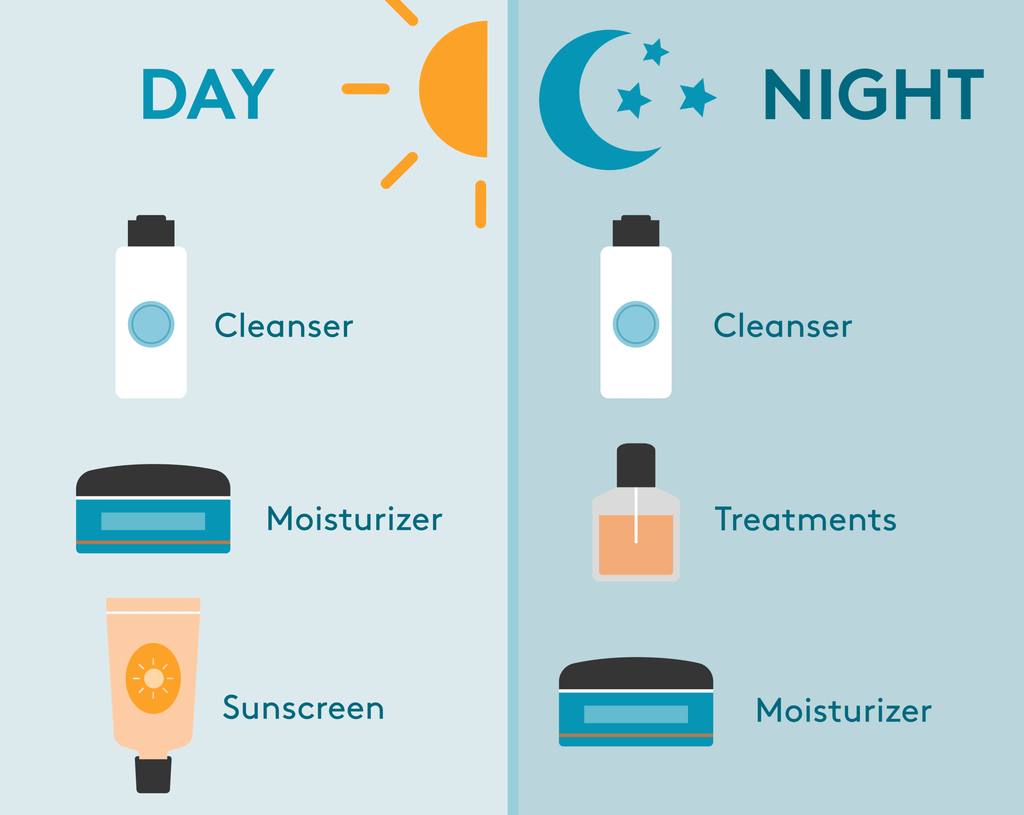
- Apply sunscreen every morning, even on cloudy days.
- Use enough product to cover your face, neck, and ears well.
- Reapply every two hours if outdoors or sweating.
- Apply sunscreen after moisturizer for better hydration.
- Use a gentle cleanser to remove sunscreen at night.
Nighttime Care Routine
The nighttime care routine is vital for dry skin. It helps the skin repair and regain moisture lost during the day. At night, the skin is more open to absorbing treatments and hydration. A good routine can soothe dryness and improve texture by morning.
Overnight Moisturizers
Overnight moisturizers lock in hydration while you sleep. They have thicker textures than daytime creams. These creams create a barrier to prevent water loss. Ingredients like hyaluronic acid and ceramides attract and hold moisture. Applying a rich moisturizer at night keeps skin soft and smooth. It also reduces flakiness and tightness in the morning.
Restorative Treatments
Restorative treatments repair skin damage and boost hydration. Products with ingredients like glycerin, squalane, and natural oils work well. These treatments calm irritation and strengthen the skin’s barrier. Some contain antioxidants to fight dryness caused by free radicals. Use gentle serums or oils after cleansing and before moisturizing. They help restore the skin’s natural moisture balance while sleeping.
Lifestyle Changes For Hydration
Hydrating dry skin requires more than just creams and lotions. Lifestyle changes help your skin stay soft and healthy. Simple habits support your skin’s moisture from inside and outside. These changes keep dryness away and improve your skin’s glow.
Diet And Water Intake
Eating foods rich in water helps hydrate your skin naturally. Fruits like watermelon, cucumber, and oranges provide moisture and vitamins. Healthy fats from nuts and fish keep skin soft and smooth.
Drinking enough water daily is key for dry skin. Water flushes out toxins and keeps skin cells plump. Aim to drink at least eight glasses of water every day. Carry a water bottle to remind yourself to stay hydrated.
Humidifiers And Environment
Dry air makes skin lose moisture quickly. Using a humidifier adds moisture back into the air. It helps prevent your skin from becoming rough and flaky.
Keep your room temperature moderate. Avoid very hot showers and heaters that dry out skin. Open windows sometimes to let fresh air in and reduce dryness.

Credit: www.eraorganics.com
Frequently Asked Questions
What Is The Best Cleanser For Dry Skin?
A gentle, hydrating cleanser with no harsh chemicals is best. Look for ingredients like glycerin or hyaluronic acid. Avoid foaming cleansers that strip natural oils. This helps maintain moisture and protects your skin barrier effectively.
How Often Should I Moisturize Dry Skin Daily?
Moisturize twice daily—morning and night—for optimal hydration. Use a rich, creamy moisturizer with emollients and humectants. Reapply if skin feels tight or flaky. Consistent moisturizing locks in moisture and prevents dryness throughout the day.
Can Exfoliating Help Improve Dry Skin Texture?
Yes, but exfoliate gently once or twice a week. Use mild chemical exfoliants like lactic acid, not harsh scrubs. This removes dead skin cells and promotes smoother, brighter skin without causing irritation or dryness.
Should I Use Sunscreen In A Dry Skin Routine?
Absolutely, sunscreen protects dry skin from UV damage. Choose a hydrating, broad-spectrum SPF 30 or higher. Sun exposure worsens dryness and can cause premature aging. Apply sunscreen every morning, even on cloudy days.
Conclusion
Achieving healthy skin requires a simple routine. Start with gentle cleansing. Follow with hydrating toner to lock in moisture. Apply a rich moisturizer to combat dryness. Use sunscreen daily for protection. Exfoliate weekly to remove dead skin cells. Drink water and eat healthy for better skin.
Consistency is key for visible results. Adjust products to suit your skin’s needs. Listen to your skin and adapt as necessary. A regular routine helps maintain balance and glow. Embrace these steps for softer, smoother skin. Your skin deserves the best care.
