Finding the perfect skincare routine for combination skin can feel like solving a puzzle. You know the struggle—some areas of your face are oily, while others are dry, leaving you feeling frustrated and unsure of what products to use.
You’re not alone in this skincare dilemma, and the good news is that achieving a balanced, healthy complexion is absolutely possible. Imagine having skin that feels comfortable, looks radiant, and allows you to confidently face the world every day. Intrigued?
In this guide, you’ll discover the essential skincare routine steps tailored specifically for your combination skin, helping you unlock the secret to a harmonious and glowing visage. Keep reading to learn how to transform your skincare game and achieve that enviable balance you’ve been dreaming of.
Identify Combination Skin
Identifying your skin type is the first crucial step in creating an effective skincare routine. Combination skin can be tricky because it shows characteristics of both dry and oily skin. Recognizing these unique signs helps you choose the right products that balance and nourish your skin without causing irritation or excess shine.
Common Traits
Combination skin usually has an oily T-zone, which includes the forehead, nose, and chin. This area might look shiny or feel greasy by midday. Meanwhile, your cheeks and other parts of your face can feel dry, tight, or even flaky.
You might notice occasional breakouts in the oily zones, while the dry areas remain calm. Your skin texture can vary, sometimes smooth and other times rough in different spots. Does your face feel like it needs different care in separate areas? That’s a strong hint you have combination skin.
Skin Type Test
To confirm if your skin is combination, try this simple test at home. Start with a clean face and avoid applying any products for a few hours. After that, gently press a tissue on different parts of your face.
- If the tissue picks up oil mainly from your forehead, nose, and chin but not much from your cheeks, you likely have combination skin.
- If your cheeks feel dry or tight while the T-zone is oily, this test becomes more clear.
- You can also observe how your skin reacts throughout the day—does your forehead become shiny while other parts stay matte?
Knowing your skin type allows you to choose cleansers, moisturizers, and treatments that won’t over-dry or overwhelm your skin. What products have you tried that didn’t work because you didn’t know your skin type?
Cleanse Twice Daily
Cleansing twice daily is a fundamental step for managing combination skin effectively. It helps remove dirt, oil, and impurities that accumulate throughout the day and night. But how you cleanse can make a big difference in balancing the oily and dry areas of your face.
Choosing The Right Cleanser
Not all cleansers suit combination skin. You need one that targets oily zones without drying out the rest of your face.
- Gel-based cleanserswork well for removing excess oil, especially around the T-zone.
- Creamy or hydrating cleansershelp soothe dry cheeks and maintain moisture.
- Look for ingredientslike salicylic acid for oil control and glycerin for hydration.
Have you ever chosen a cleanser that left your skin feeling tight or flaky? That’s a sign it’s too harsh for combination skin.
Proper Cleansing Technique
How you cleanse matters just as much as what you use. Start with lukewarm water to open pores gently without stripping natural oils.
- Apply a small amount of cleanser with your fingertips, not a washcloth or sponge, to avoid irritation.
- Massage your face in circular motions for about 30 seconds, focusing on the oily areas but being gentle on dry patches.
- Rinse thoroughly and pat your face dry with a soft towel instead of rubbing.
Do you rush through cleansing or take your time? Slowing down can help you achieve a clearer, more balanced complexion.
Exfoliate Gently
Exfoliating gently is a crucial part of caring for combination skin. This skin type can be tricky because it has both oily and dry areas. Harsh exfoliation can irritate dry patches and cause oilier parts to overproduce, so choosing the right method matters.
Think about how your skin feels after exfoliating. Does it feel balanced, or tight and irritated? Finding a gentle approach helps remove dead skin without upsetting your skin’s natural harmony.
Best Exfoliants For Combination Skin
Look for exfoliants that target both oily and dry areas without stripping your skin. Chemical exfoliants with ingredients like salicylic acidand lactic acidwork well because they dissolve dead skin gently.
Physical exfoliants can be tricky, but those with very fine, smooth particles can be effective if used carefully. Avoid rough scrubs that can cause microtears and worsen dryness or oiliness.
- Salicylic Acid:Helps unclog pores and reduce oil.
- Lactic Acid:Hydrates while exfoliating, perfect for dry patches.
- Enzyme Exfoliants:Use natural fruit enzymes to dissolve dead cells softly.
How Often To Exfoliate
Exfoliating too often can harm your skin barrier. For combination skin, 1 to 3 times a week usually works best. This frequency clears dead skin and excess oil without causing irritation.
Pay attention to how your skin reacts. If you notice redness or increased dryness, reduce the frequency. Your skin will tell you what it needs if you listen carefully.
Tone To Balance
Toning is a key step for combination skin. It helps balance oily and dry areas. A good toner refreshes skin without stripping moisture. It prepares skin for moisturizers and serums. Toning also tightens pores and soothes irritation. This step keeps skin feeling clean and smooth.
Benefits Of Toning
- Restores skin’s natural pH balance
- Removes leftover dirt and oil after cleansing
- Minimizes the appearance of pores
- Controls excess shine in oily zones
- Hydrates dry patches gently
- Calms redness and irritation
- Prepares skin for better absorption of products
Selecting A Suitable Toner
Choose a toner made for combination skin. Look for alcohol-free formulas to avoid dryness. Ingredients like witch hazel help control oil without harshness. Glycerin or hyaluronic acid add light hydration. Avoid heavy or greasy products that clog pores. Test new toners on a small skin patch first. Use twice a day for best results.
Hydrate And Moisturize
Hydrating and moisturizing are essential steps for anyone with combination skin. Your skin needs balance—it craves moisture without feeling greasy. Skipping this can lead to dry patches or excess oil, making your skin look uneven and uncomfortable.
Lightweight Moisturizers
Choosing a lightweight moisturizer is key. Heavy creams can clog pores in oily areas, causing breakouts. Look for products labeled “non-comedogenic” and “oil-free.”
Gel-based or water-based moisturizers work well because they hydrate without weighing your skin down. I’ve found that a simple aloe vera gel mixed with a few drops of jojoba oil keeps my skin soft and fresh throughout the day.
Do you check the texture of your moisturizer before buying? It can make a huge difference in how your skin feels hours later.
Targeting Dry And Oily Areas
Combination skin means you have different needs on your face. Apply richer creams on dry patches like cheeks and lighter formulas on oily zones like the T-zone.
Using two moisturizers might sound complicated but splitting your routine this way prevents over-moisturizing oily areas and under-moisturizing dry ones. You can even use a hydrating serum on dry spots for an extra boost.
Try this: after cleansing, pat your face dry and apply moisturizer in sections. This simple change helped me control shine without sacrificing softness where I needed it most.
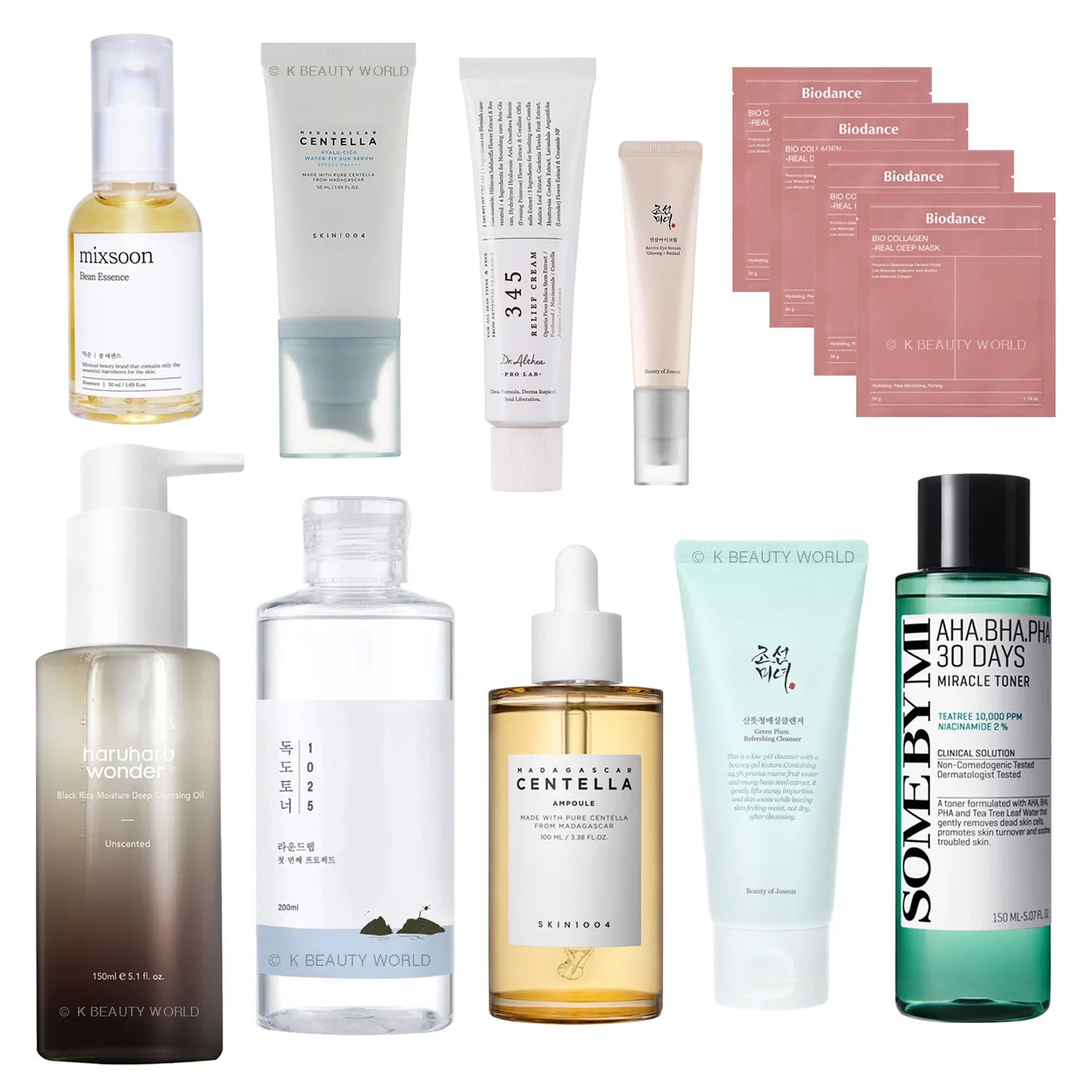
Credit: kbeautyworld.com
Protect With Sunscreen
Protecting your skin with sunscreen is a vital step in any skincare routine, especially for combination skin. This skin type can be tricky because it has both oily and dry areas, making it important to use a sunscreen that balances protection without causing breakouts or dryness. Applying sunscreen daily shields your skin from harmful UV rays that can worsen uneven skin texture and cause premature aging.
Importance Of Spf
SPF, or Sun Protection Factor, measures how well your sunscreen protects against UVB rays, which cause sunburn and contribute to skin cancer. Using sunscreen with at least SPF 30 can prevent damage and keep your skin looking healthy. Without it, the dry parts of your face may become more irritated, and oily areas might produce more sebum as a reaction to sun stress.
Have you noticed your skin reacting differently after spending time in the sun? That’s your skin asking for better protection. Sunscreen helps maintain your skin’s balance by preventing the sun from aggravating both dryness and oiliness.
Choosing Non-comedogenic Sunscreens
For combination skin, choosing a non-comedogenic sunscreen is crucial because it won’t clog your pores or cause breakouts. Look for labels that say “oil-free” and “non-comedogenic” to avoid adding extra shine or irritation to your oily zones.
- Gel-based sunscreens are usually lighter and work well on oily areas.
- Mineral sunscreens with zinc oxide or titanium dioxide can be gentle and effective for sensitive spots.
- Matte finish sunscreens help control shine throughout the day.
Have you tried different sunscreens only to find some make your skin feel heavy or greasy? Switching to non-comedogenic options might be the solution to protect your skin without sacrificing comfort.
Incorporate Serums
Adding serums to your skincare routine can make a noticeable difference, especially if you have combination skin. Serums are lightweight but packed with active ingredients that target specific concerns without overwhelming your skin. They help balance oily and dry areas, giving your complexion a more even, healthy look.
Brightening Ingredients
Look for serums with ingredients like vitamin C, niacinamide, or licorice root extract. These brighten dull spots and even out your skin tone without causing irritation. I noticed my dark patches fade faster when I consistently used a vitamin C serum in the morning.
Serums with brightening effects also help reduce redness and make your skin glow naturally. Since combination skin can be sensitive in some areas, choose gentle formulas to avoid triggering breakouts.
Hydrating Formulas
Hydration is key for combination skin, as dry patches need moisture while oily areas require lightness. Serums containing hyaluronic acid or glycerin add hydration without clogging pores.
When I switched to a hydrating serum, my flaky patches softened, and my T-zone didn’t feel greasy by midday. This balance keeps your skin comfortable and smooth throughout the day.
Have you tried serums that address both brightness and hydration? Finding the right one for your unique skin can transform your daily care routine.

Credit: www.reddit.com
Weekly Masks And Treatments
Weekly masks and treatments are essential for managing combination skin effectively. They target specific areas without overloading your skin. This way, you keep the oily parts matte and the dry patches nourished.
Clay Masks For Oil Control
Clay masks are perfect for the oily zones of your face. They absorb excess oil and help unclog pores, reducing shine and preventing breakouts.
Look for masks containing kaolin or bentonite clay. These ingredients draw out impurities gently without drying out your skin.
Try applying the clay mask only on your T-zone or other oily areas. Leaving the dry parts untouched keeps your skin balanced and comfortable.
Hydrating Masks For Dry Zones
Dry areas need extra moisture to avoid flakiness and irritation. Hydrating masks with ingredients like hyaluronic acid or aloe vera provide deep nourishment.
Applying a hydrating mask on your cheeks or other dry spots helps restore softness and smoothness. You’ll notice your skin feels calmer and looks healthier.
Have you ever felt that some masks make your dry skin worse? Choosing the right hydrating mask can make all the difference in keeping your skin comfortable.
Lifestyle Tips For Glow
Achieving a radiant glow goes beyond just the products you apply to your skin. Your daily habits and lifestyle choices have a powerful impact on how your skin looks and feels. Small changes in your routine can make a big difference, especially for combination skin, which needs balanced care both inside and out.
Diet And Hydration
Your skin reflects what you eat and drink. Adding more fresh fruits and vegetables can provide essential vitamins and antioxidants that help fight dullness and uneven texture. Think about including foods rich in Vitamin C like oranges, strawberries, and bell peppers to brighten your complexion.
Hydration plays a key role too. Drinking enough water keeps your skin plump and flushes out toxins that can cause breakouts or dryness. If plain water feels boring, try herbal teas or water infused with cucumber and mint for a refreshing twist.
Sleep And Stress Management
Have you noticed your skin looks tired or dull after a restless night? Sleep is when your body repairs itself, including your skin. Aim for 7-9 hours of quality sleep to help your skin recover and maintain its natural glow.
Stress can trigger oiliness and breakouts, particularly on combination skin. Finding ways to relax, such as gentle yoga or meditation, can reduce these effects. Even a short walk outdoors or listening to music can help calm your mind and improve your skin’s appearance.
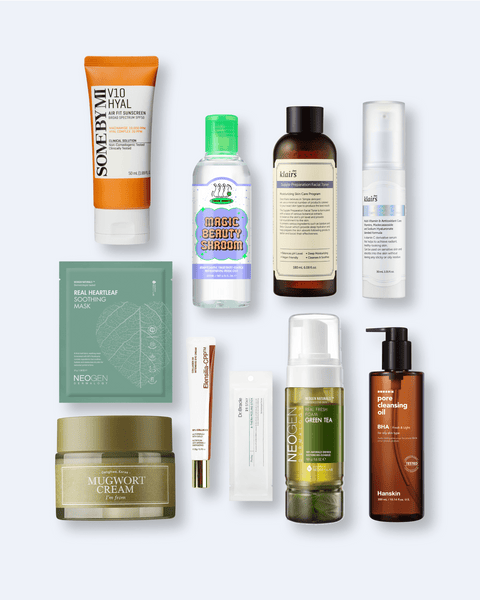
Credit: sokoglam.com
Frequently Asked Questions
What Is The Best Cleanser For Combination Skin?
A gentle, balanced cleanser removes excess oil without drying dry areas. Look for sulfate-free formulas with hydrating ingredients like glycerin or hyaluronic acid.
How Often Should I Exfoliate Combination Skin?
Exfoliate 1-2 times weekly to remove dead skin and unclog pores. Avoid harsh scrubs; opt for chemical exfoliants like AHAs or BHAs for gentle renewal.
Can I Use The Same Moisturizer For Oily And Dry Areas?
Use a lightweight, non-comedogenic moisturizer that hydrates dry patches and controls oil. Gel-based or water-based moisturizers work well for combination skin.
Should I Use Toner In A Combination Skin Routine?
Yes, use an alcohol-free toner to balance skin pH and reduce oiliness. Choose toners with soothing ingredients like witch hazel or rose water.
Conclusion
Caring for combination skin needs balance and gentle care. Cleanse to remove dirt without drying your skin. Use a light moisturizer to keep dry areas soft. Treat oily zones with products that control shine. Always protect your skin with sunscreen daily.
Consistency helps your skin stay healthy and fresh. Small steps make a big difference over time. Follow these simple steps for a clear, glowing face. Your skin will thank you with a natural, healthy look.
