
Dealing with rosacea can feel frustrating, especially when your skin reacts to almost everything. You want a skincare routine that soothes redness, calms irritation, and helps your skin look its best.
But where do you start? This guide is made just for you. You’ll discover simple, effective steps to care for your skin without making things worse. Keep reading, and you’ll find the answers you’ve been searching for to finally take control of your rosacea.
Symptoms Of Rosacea
Rosacea is a common skin condition that often causes redness and discomfort. Knowing the symptoms helps manage rosacea better. Early signs might be mild, but they can get worse without care.
Common Signs To Watch
- Redness on the cheeks, nose, chin, or forehead
- Visible small blood vessels on the face
- Swollen or bumpy skin that looks like acne
- Burning or stinging sensation
- Dry, rough, or scaly patches on the skin
- Eye irritation and redness
Triggers That Worsen Skin
- Exposure to sunlight or heat
- Hot or spicy foods and drinks
- Stress or strong emotions
- Alcohol consumption
- Harsh skincare products or soaps
- Cold or windy weather
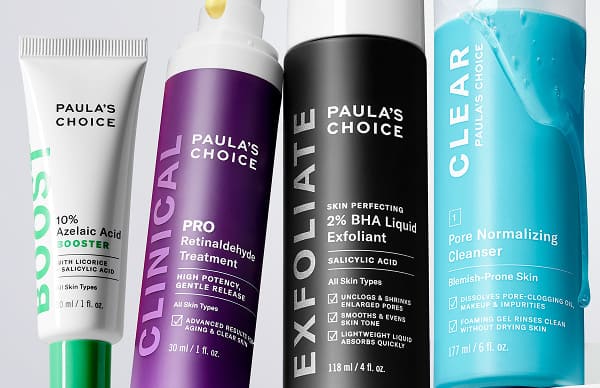
Credit: www.paulaschoice-eu.com
Choosing Gentle Cleansers
Choosing the right cleanser is crucial when managing rosacea. Your skin needs a product that cleans effectively without stripping away moisture or causing irritation. Gentle cleansers help maintain your skin’s natural barrier, which is often compromised in rosacea-prone skin.
Many people with rosacea find that harsh soaps or exfoliating cleansers worsen their redness and discomfort. I once switched to a mild, fragrance-free cleanser and noticed a significant reduction in flare-ups. This simple change made a huge difference in my daily routine and overall skin health.
Are you using a cleanser that could be silently aggravating your rosacea? Let’s look at what ingredients to avoid and which products can truly help calm your skin.
Ingredients To Avoid
- Fragrances and perfumes:These can cause irritation and trigger flare-ups.
- Alcohol:Often drying, it strips the skin’s moisture and worsens redness.
- Sulfates (like Sodium Lauryl Sulfate):These create a harsh lather but can damage sensitive skin.
- Exfoliating beads or scrubs:Physical exfoliants can inflame sensitive rosacea skin.
- Essential oils:Although natural, many can be irritating for rosacea sufferers.
Checking labels carefully can save you from unknowingly using harmful ingredients. Does your current cleanser contain any of these?
Recommended Cleansing Products
- CeraVe Hydrating Facial Cleanser:Gentle, fragrance-free, and contains ceramides to restore the skin barrier.
- La Roche-Posay Toleriane Hydrating Gentle Cleanser:Designed for sensitive skin, it soothes without irritation.
- Avene Extremely Gentle Cleanser Lotion:Soap-free and calming, perfect for delicate rosacea skin.
- Vanicream Gentle Facial Cleanser:Free of common irritants like dyes, fragrance, and parabens.
Choosing a cleanser from these options can help you protect your skin while keeping it clean. Have you tried any of these, or do you have a favorite gentle cleanser that works well for your rosacea?
Moisturizing For Sensitive Skin
Moisturizing is essential for sensitive skin, especially for those with rosacea. It helps calm irritation and protects the skin barrier. Choosing the right moisturizer can reduce redness and discomfort. Proper hydration supports healing and keeps skin soft.
Best Moisturizer Types
Look for moisturizers that soothe and do not irritate the skin. Creams and lotions with gentle ingredients work best. Avoid products with fragrances, alcohol, or harsh chemicals.
- Moisturizers with ceramides help repair the skin barrier.
- Products containing hyaluronic acid provide deep hydration.
- Aloe vera and chamomile offer calming effects.
- Non-comedogenic formulas prevent clogged pores.
Hydration Tips
Apply moisturizer on damp skin to lock in moisture. Use lukewarm water for washing your face, as hot water can cause dryness. Drink plenty of water throughout the day to hydrate from inside.
- Apply moisturizer twice daily, morning and night.
- Use a gentle cleanser before moisturizing.
- Pat skin dry instead of rubbing it.
- Consider a humidifier in dry environments.
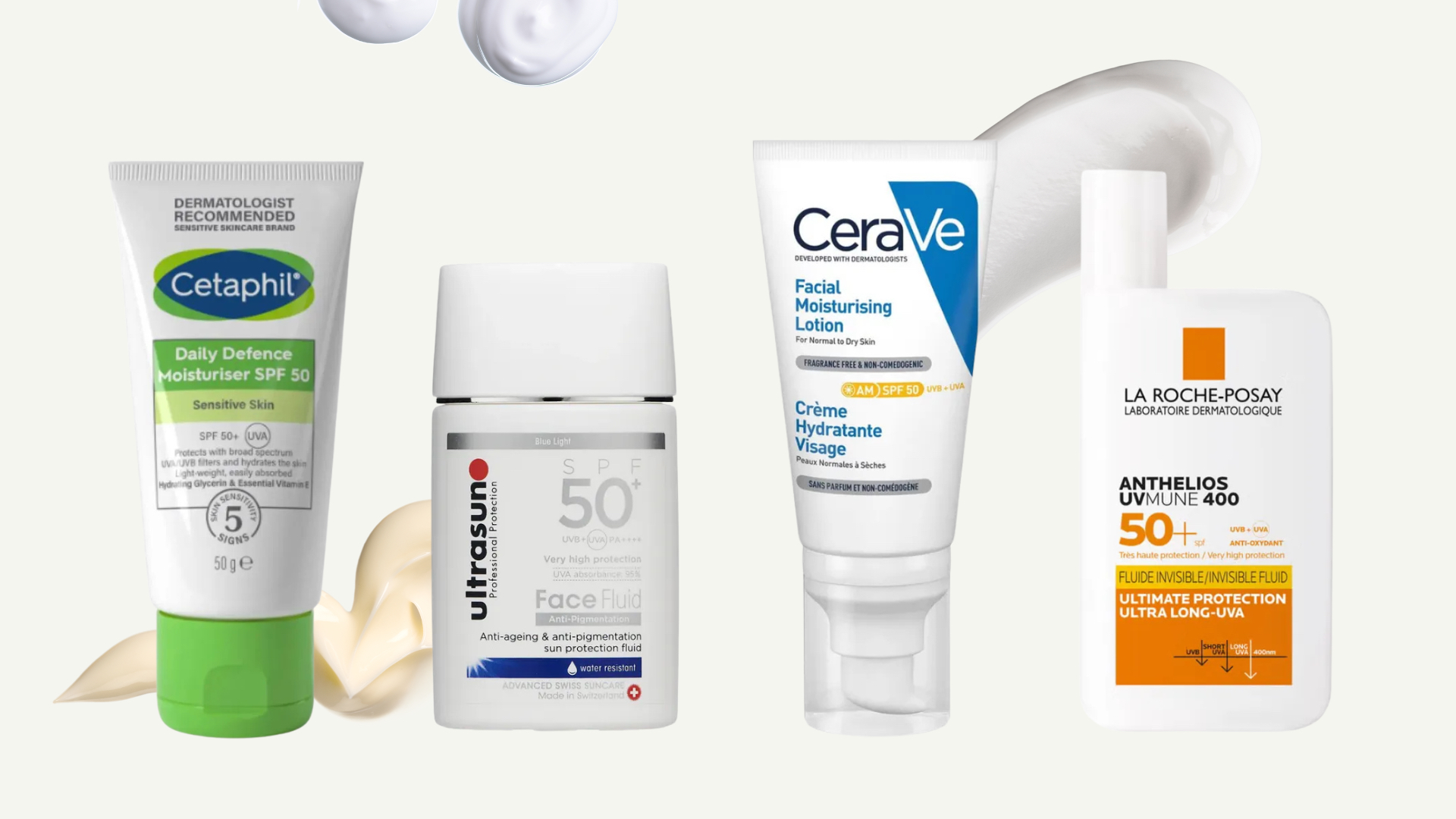
Credit: www.womanandhome.com
Sun Protection Essentials
Sun protection is a key part of managing rosacea. The sun’s rays can trigger flare-ups and worsen redness, making it vital to shield your skin daily. Protecting your skin doesn’t just stop at avoiding sunburn—it helps keep your rosacea calm and stable over time.
Why Sunscreen Matters
Sunscreen acts as a barrier between your skin and harmful UV rays. Without it, your rosacea can become inflamed, causing discomfort and visible redness. Even on cloudy days, UV rays can penetrate, so skipping sunscreen increases your risk.
I once underestimated the power of sun exposure. After a weekend without sunscreen, my rosacea flared up badly, reminding me how essential protection really is. Do you notice your skin reacting after sun exposure?
Choosing the right sunscreen can prevent these flare-ups and support your skin’s healing process. It’s not just about preventing sunburn but reducing inflammation and sensitivity.
Selecting Rosacea-friendly Sunscreens
Not all sunscreens suit sensitive rosacea skin. Look for physical blockers like zinc oxide or titanium dioxide—they’re less likely to irritate. Avoid chemical sunscreens that contain oxybenzone or avobenzone, as they can worsen redness.
Check for labels that say “fragrance-free” and “hypoallergenic.” These formulations minimize the risk of irritation. A lightweight, non-greasy formula will feel comfortable and won’t clog pores.
- Test a small amount on your skin before full application.
- Consider mineral-based sunscreens for gentle protection.
- Reapply every two hours when outdoors to maintain defense.
Have you found a sunscreen that works without causing irritation? Your skin’s response can guide you toward the best option.
Soothing Treatments And Remedies
Soothing treatments and remedies play a vital role in managing rosacea. They help reduce redness and calm irritated skin. Choosing gentle and effective options can improve comfort and skin health. Consistency is key for noticeable results over time.
Calming Ingredients To Look For
Certain ingredients soothe rosacea-prone skin without causing irritation. These natural and mild components support skin barrier repair and reduce inflammation.
- Aloe vera: Soothes and hydrates dry, sensitive skin.
- Chamomile: Calms redness and irritation with anti-inflammatory properties.
- Green tea extract: Rich in antioxidants to reduce swelling and redness.
- Niacinamide: Strengthens skin and minimizes redness.
- Oat extract: Provides gentle moisture and relieves itching.
- Ceramides: Restore the skin’s protective barrier.
Avoid harsh ingredients like alcohol, fragrance, and strong acids that may worsen rosacea.
Home Remedies That Help
Simple home remedies can ease rosacea symptoms and support skin healing. These methods focus on natural calming and hydration.
- Cool compresses: Apply a soft cloth soaked in cool water to reduce heat.
- Oatmeal mask: Mix ground oats with water, apply for 10-15 minutes, then rinse.
- Honey: Use raw honey as a gentle mask to soothe and moisturize.
- Cucumber slices: Place chilled slices on the face to calm inflammation.
- Green tea bags: Steep, cool, and place on affected areas to reduce redness.
Always patch test new treatments before full use to avoid reactions. Keep skin clean and avoid excessive rubbing or scrubbing.
Lifestyle Changes To Reduce Flare-ups
Managing rosacea flare-ups involves more than skincare products. Making lifestyle changes can lower the frequency and severity of flare-ups. Simple adjustments in daily habits support healthier skin and overall well-being.
Diet Adjustments
Certain foods and drinks can trigger rosacea flare-ups. Identifying and avoiding these triggers helps reduce redness and irritation.
- Limit spicy foods that increase skin flushing.
- Avoid hot beverages that can cause skin warmth.
- Reduce alcohol intake, especially red wine.
- Eat more fruits and vegetables rich in antioxidants.
- Stay hydrated by drinking plenty of water.
Keeping a food diary can help track which items cause flare-ups. Small diet changes can make a big difference over time.
Stress Management Techniques
Stress often worsens rosacea symptoms. Finding ways to relax lowers flare-up risks.
- Practice deep breathing exercises daily.
- Try yoga or gentle stretching routines.
- Take short breaks during busy days to calm the mind.
- Engage in hobbies that bring joy and reduce anxiety.
- Ensure enough sleep to help skin repair itself.
Regular stress management supports clearer, calmer skin. Small moments of calm can prevent future flare-ups.
When To See A Dermatologist
Knowing when to see a dermatologist for your rosacea skincare routine can save your skin from unnecessary irritation and worsening symptoms. If your usual treatments stop working or your skin feels out of control, it might be time to get professional advice. Early intervention often prevents complications and helps you manage rosacea more effectively.
Signs You Need Professional Help
Rosacea symptoms can vary, but some warning signs mean you should book an appointment with a dermatologist right away. Pay close attention if you notice:
- Persistent rednessthat doesn’t fade with over-the-counter products.
- Frequent flare-upsthat disrupt your daily life or confidence.
- Visible blood vesselsor swelling that wasn’t there before.
- Pain, burning, or itchingthat worsens despite your current routine.
- Pimple-like bumpsthat keep returning or get infected.
Have you tried adjusting your skincare products and diet, but your rosacea keeps flaring up? These signs suggest your skin needs a tailored approach only a dermatologist can provide.
Treatment Options Available
Dermatologists offer several treatments to control rosacea symptoms beyond basic skincare. Depending on your condition, your doctor might recommend:
- Prescription topical creamsthat reduce inflammation and redness.
- Oral antibioticsto control bacterial growth and flare-ups.
- Laser therapyto minimize visible blood vessels and persistent redness.
- Lifestyle and skincare guidancepersonalized to your skin type and triggers.
When I first visited a dermatologist, I was surprised by how much a customized treatment plan helped. Instead of guessing which products to use, I got clear instructions that made a real difference in managing my rosacea. Could professional treatment be the missing piece in your skincare routine?

Credit: www.youtube.com
Frequently Asked Questions
What Is The Best Skincare Routine For Rosacea?
A gentle skincare routine is essential for rosacea. Use a mild cleanser, fragrance-free moisturizer, and sunscreen with SPF 30. Avoid triggers like alcohol and spicy foods. Consider consulting a dermatologist for tailored advice. Consistency and avoiding harsh products are key to managing rosacea effectively.
Can Rosacea Be Cured With Skincare Products?
Currently, there is no cure for rosacea. However, skincare products can help manage symptoms. Using gentle, soothing products can reduce redness and irritation. Look for ingredients like niacinamide and hyaluronic acid. Always patch-test new products and consult a dermatologist for personalized recommendations.
How Often Should I Wash My Face With Rosacea?
Wash your face twice daily with a gentle cleanser. Avoid hot water and harsh scrubbing, which can irritate rosacea. Pat your face dry with a soft towel. A consistent routine helps maintain skin’s balance and minimizes flare-ups. Consult a dermatologist if unsure about the best practices.
Are Natural Remedies Effective For Rosacea?
Some natural remedies may help soothe rosacea symptoms. Ingredients like aloe vera, green tea, and chamomile can reduce redness. However, results vary, and it’s crucial to patch-test. Natural remedies should complement, not replace, prescribed treatments. Consult a dermatologist for advice tailored to your skin type.
Conclusion
A good skincare routine helps calm rosacea and reduce redness. Choose gentle products made for sensitive skin. Cleanse softly and moisturize daily to protect skin barrier. Avoid triggers like harsh soaps and hot water. Consistency is key for lasting results.
Listen to your skin and adjust steps as needed. Patience pays off with clear, healthier skin over time. Taking small, steady steps makes a big difference. You deserve comfort and confidence in your skin.
