Are you ready to unlock the full power of retinol in your skincare routine? Using retinol the right way can transform your skin, but the order in which you apply your products makes all the difference.
If you’ve ever felt confused about when to add retinol or worried about irritation, you’re not alone. You’ll discover the exact steps to follow so your skin gets the maximum benefits without any setbacks. Keep reading, and you’ll learn how to build a simple, effective routine that helps you achieve glowing, healthy skin every day.

Credit: theformularx.com
Why Retinol Matters
Retinol is a powerful ingredient in skincare. It helps improve skin texture and tone. Many people use retinol to fight signs of aging. It also helps clear acne and brighten dull skin.
Understanding why retinol matters can help you use it better. Using retinol correctly can give your skin a fresh, healthy look. It works deep in the skin to support cell renewal.
How Retinol Boosts Skin Renewal
Retinol speeds up the process of skin cell turnover. New cells replace old, damaged ones faster. This helps reduce wrinkles and fine lines. It also makes the skin look smoother and more even.
Retinol’s Role In Fighting Acne
Retinol unclogs pores by removing dead skin cells. Clear pores reduce the chance of breakouts. It also calms inflammation linked to acne. This leads to fewer pimples and less redness.
Protecting Skin From Sun Damage
Retinol helps repair skin affected by sun damage. It reduces dark spots and uneven pigmentation. This makes the skin tone more uniform and radiant. Using retinol supports healthier skin over time.
Why Retinol Needs Proper Application
Retinol can cause irritation if used incorrectly. It is important to apply it after cleansing and before moisturizing. Start with a small amount to let your skin adjust. Always use sunscreen during the day to protect sensitive skin.
Credit: medium.com
Choosing The Right Retinol
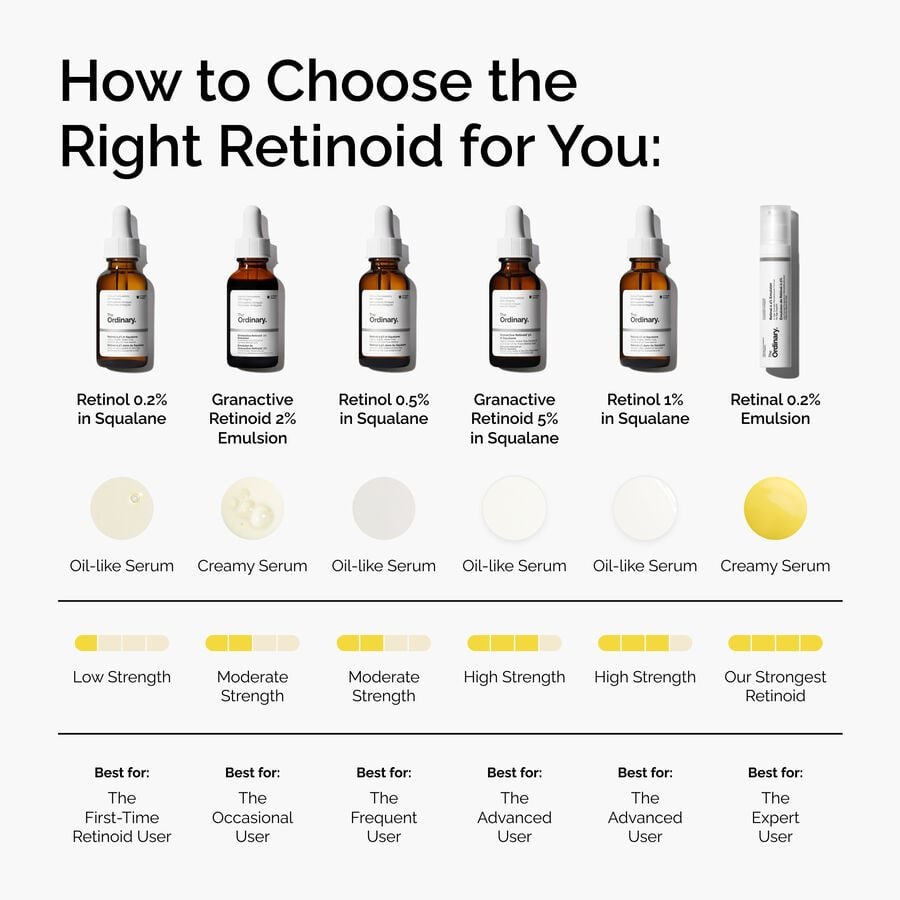
Choosing the right retinol is key to improving your skin without irritation. Retinol products vary in strength, form, and how they suit different skin types. Picking the right one helps you get the best results safely.
Retinol Strengths
Retinol comes in different strengths. Beginners should start with low strength, like 0.1% to 0.3%. These are gentle and reduce irritation risk. More experienced users may try 0.5% or higher for stronger effects. High strength retinol works faster but can cause dryness or redness.
Formulations To Consider
Retinol products have different forms. Creams are moisturizing and good for dry skin. Serums absorb quickly and suit oily skin. Gels often feel light and reduce shine. Some retinols combine with other ingredients for extra benefits, like hydration or soothing.
Skin Type Compatibility
Skin type affects retinol choice. Sensitive skin needs mild retinol and calming formulas. Dry skin benefits from retinol with added moisturizers. Oily or acne-prone skin does well with gel or serum versions. Normal skin can try most types but start slow to avoid irritation.
Preparing Your Skin
Preparing your skin before applying retinol is crucial for maximizing its benefits and minimizing irritation. This stage sets the foundation for how well retinol will work and how comfortable your skin feels afterward. Let’s break down the essential steps to get your skin ready effectively.
Cleansing Techniques
Start with a gentle cleanser that removes dirt, oil, and makeup without stripping your skin’s natural moisture. Avoid harsh scrubs or foaming cleansers that can leave your skin dry or irritated. I noticed my skin reacted better when I switched to a cream-based cleanser that felt soothing yet thorough.
Use lukewarm water—not hot—to rinse your face. Hot water can disrupt your skin barrier, making it more sensitive to retinol. After cleansing, pat your face dry with a soft towel instead of rubbing it.
Exfoliation Tips
Exfoliation removes dead skin cells, allowing retinol to penetrate deeper. But over-exfoliating before retinol can cause redness and peeling. Stick to gentle exfoliants like a mild chemical exfoliant with lactic acid or a soft enzyme peel.
Limit exfoliation to 1-2 times a week, especially if you’re new to retinol. I found that exfoliating the night before applying retinol gives my skin a smooth surface without overdoing it. Avoid physical scrubs that can create micro-tears and increase sensitivity.
Toning Essentials
A good toner balances your skin’s pH and preps it for the retinol application. Choose alcohol-free toners with soothing ingredients such as rose water, chamomile, or witch hazel. These calm your skin and reduce potential irritation.
Applying toner with a cotton pad or your hands can help remove any leftover impurities and refresh your skin. Have you tried skipping toner? You might find that a calming toner actually helps your skin adjust better to retinol treatments.

Credit: www.reddit.com
Applying Retinol Correctly
Applying retinol correctly can make a huge difference in how your skin responds. It’s not just about slapping it on; the way you use retinol affects its benefits and how your skin tolerates it. Getting the order, timing, and amount right helps you avoid irritation and get glowing skin faster.
Timing And Frequency
Retinol works best at night because it can make your skin sensitive to sunlight. Apply it after cleansing and drying your face but before moisturizing. Giving it time to absorb without mixing it immediately with other products helps its effectiveness.
Start with using retinol 2-3 times a week if you’re new to it. You can increase frequency gradually as your skin builds tolerance. Have you noticed your skin reacting differently on days you skip retinol? That’s a sign to adjust your routine.
Amount To Use
Less is definitely more when it comes to retinol. A pea-sized amount covers your entire face—using more won’t speed up results and may cause irritation. Think of it as applying a thin, even layer rather than a thick coat.
If you’re applying around the eyes or mouth, be extra gentle and use even less product. You want to avoid overloading sensitive areas. This simple rule helped me avoid redness and peeling that I struggled with early on.
Avoiding Common Mistakes
- Don’t mix retinol with strong acidslike AHAs or BHAs in the same routine. This combo can be too harsh and cause irritation.
- Avoid applying retinol on damp skin.It increases penetration and might lead to stinging or redness.
- Don’t skip moisturizer.Retinol can dry out your skin, so follow up with a hydrating cream to keep your skin balanced.
- Don’t expect overnight miracles.Retinol takes time to show results, so patience is key.
Have you ever felt discouraged because your skin got worse before it got better? That’s common, but adjusting these points can help you get the benefits without the drawbacks.
Building Your Complete Routine
Building a complete skincare routine with retinol requires care and balance. Retinol is powerful but can cause dryness and irritation. Pair it with the right products to soothe and protect your skin. A well-planned routine enhances retinol’s benefits and keeps skin healthy.
Focus on gentle, hydrating, and protective steps. Each product should support retinol and prevent common side effects. Understanding product roles helps create a smooth, effective routine.
Moisturizers That Complement Retinol
Moisturizers play a key role in calming skin after retinol use. Choose creams or lotions with hydrating ingredients like hyaluronic acid and ceramides. These help repair the skin barrier and lock in moisture.
Avoid heavy or greasy moisturizers that might clog pores. Lightweight, non-comedogenic options work best. Apply moisturizer after retinol to reduce dryness and redness.
Serums And Treatments
Serums add extra nourishment and target specific skin concerns. Use gentle serums with antioxidants such as vitamin C or niacinamide. These protect skin from damage and improve tone.
Do not mix retinol with strong acids or exfoliants in the same routine. This can increase irritation. Apply serums either before or on alternate nights to keep skin calm.
Sun Protection Strategies
Retinol makes skin more sensitive to sunlight. Daily sun protection is essential. Use a broad-spectrum sunscreen with at least SPF 30 every morning.
Reapply sunscreen every two hours when outdoors. Wear protective clothing and avoid direct sun exposure during peak hours. These steps prevent sun damage and maintain retinol benefits.
Adjusting For Sensitivity
Retinol is powerful but can cause skin sensitivity. Adjusting your routine helps your skin handle retinol better. Understanding signs of irritation is key to protecting your skin. Using soothing ingredients can calm and repair skin. Knowing when to pause retinol prevents damage and supports healing.
Signs Of Irritation
- Redness that lasts for hours
- Dry, flaky patches on the skin
- Stinging or burning sensations
- Swelling or raised bumps
- Increased sensitivity to touch or products
Soothing Ingredients
Look for ingredients that calm and hydrate skin. These include:
- Aloe vera to reduce redness
- Chamomile for gentle soothing
- Hyaluronic acid to boost moisture
- Niacinamide to strengthen the skin barrier
- Ceramides for skin repair
When To Pause Retinol
- Stop if irritation worsens over days
- Pause during sunburn or active skin conditions
- Give skin a break after strong peeling
- Resume retinol slowly after healing
- Consult a dermatologist if unsure
Maximizing Results Over Time
Maximizing results over time with retinol requires patience and a smart approach. Retinol works gradually to improve skin texture, tone, and clarity. Consistent care and proper product use help the skin adjust and show steady progress.
Small daily habits make a big difference. Understanding how to layer your skincare and track changes helps maintain healthy skin while using retinol.
Consistency Tips
- Use retinol at the same time every night.
- Start with a lower concentration to avoid irritation.
- Apply retinol 2–3 times a week at first, then increase.
- Keep a simple routine to avoid overwhelming the skin.
- Be patient; visible results take weeks to months.
Layering Products
- Cleanse your face before applying retinol.
- Apply retinol on dry skin for better absorption.
- Wait a few minutes before applying moisturizer.
- Use gentle, hydrating products to calm the skin.
- Avoid mixing retinol with strong acids or vitamin C at night.
Tracking Skin Improvements
- Take weekly photos under the same lighting.
- Note changes in texture, fine lines, and brightness.
- Keep a skincare journal to record product use and effects.
- Adjust routine based on skin reaction and progress.
- Consult a dermatologist if irritation persists or worsens.
Frequently Asked Questions
What Is The Correct Order For Using Retinol In Skincare?
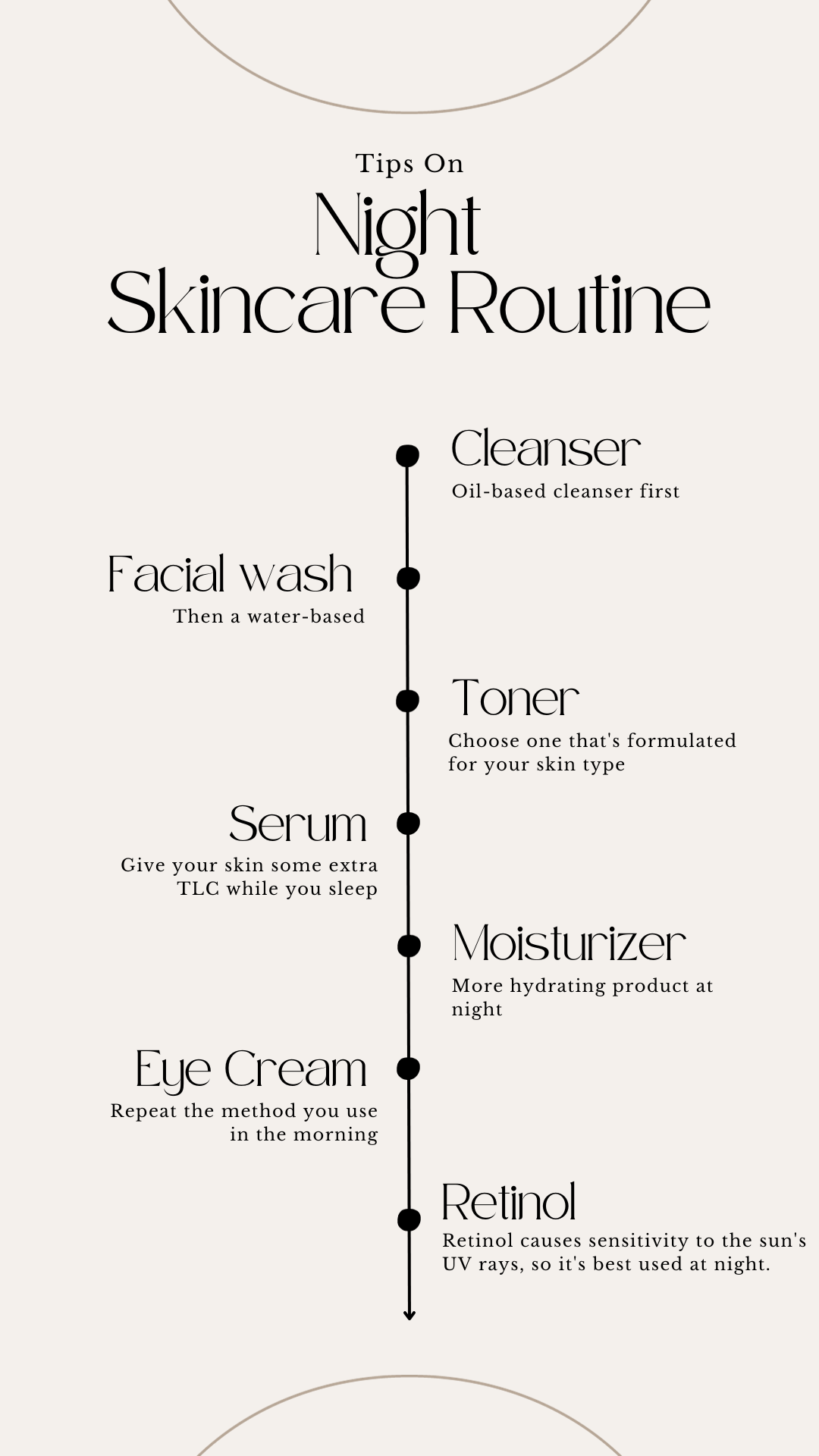
Apply retinol after cleansing and toning. Follow with moisturizer to lock hydration. Use sunscreen in the morning to protect skin from UV damage.
Can I Use Retinol With Other Skincare Products?
Yes, but avoid combining retinol with exfoliants or vitamin C. These can cause irritation. Introduce retinol gradually to let skin adjust safely.
How Often Should I Apply Retinol In My Routine?
Start with 2-3 times per week at night. Increase frequency as skin builds tolerance. Daily use is possible for most skin types after adjustment.
Should Moisturizer Be Applied Before Or After Retinol?
Moisturizer should be applied after retinol. This helps reduce dryness and irritation. It also locks in moisture, keeping skin hydrated and smooth.
Conclusion
Creating a skincare routine with retinol is simple. Start with cleansing. Then, apply toner and serum. Follow with retinol. Always use moisturizer after retinol. Don’t forget sunscreen in the morning. Consistency is key. Over time, skin looks healthier. Adjust your routine if irritation occurs.
Patience is important. Results take time. Listen to your skin’s needs. Adjust as necessary. A well-structured routine promotes glowing skin. Your skin will thank you.
