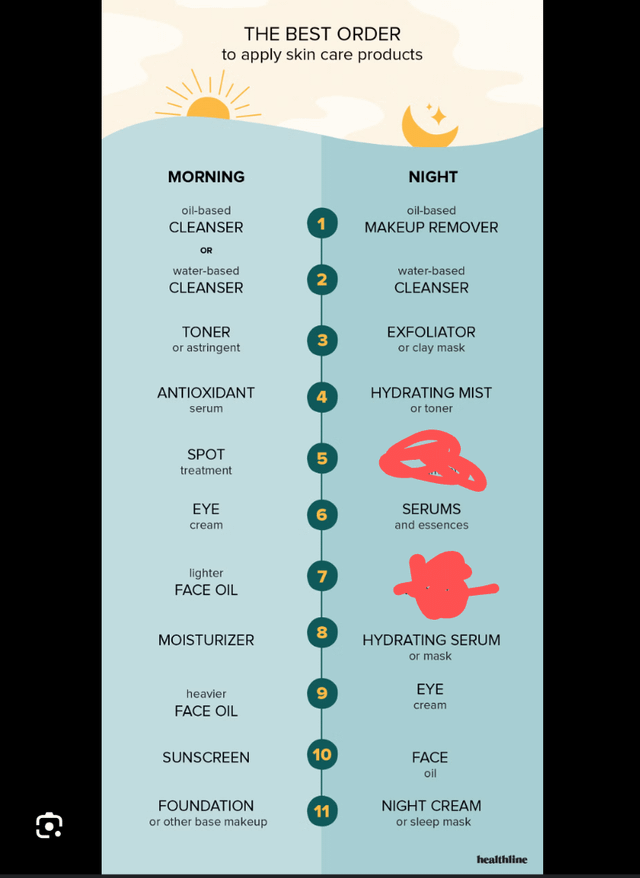
Are you tired of feeling confused about where to start with your skincare? You’re not alone.
Knowing the right order to apply your products can make a huge difference in how your skin looks and feels. Imagine waking up to a fresh, glowing face every day—without spending hours on complicated steps. You’ll discover a simple, easy-to-follow skincare routine order designed especially for beginners like you.
Stick with me, and you’ll soon feel confident about taking care of your skin the right way. Ready to transform your routine? Let’s dive in!
Credit: www.lemon8-app.com
Start With Cleansing
Starting your skincare routine with cleansing is the foundation for healthy skin. Cleansing removes dirt, oil, and impurities that build up throughout the day. It prepares your skin to absorb the benefits of the products you apply next.
Choose The Right Cleanser
Not all cleansers suit every skin type. If you have dry skin, look for creamy or hydrating cleansers that won’t strip your skin of moisture. Oily or acne-prone skin benefits from gel or foaming cleansers that control excess oil without over-drying.
Consider sensitive skin as well. Gentle, fragrance-free cleansers help avoid irritation. Have you ever used a cleanser that left your face tight or itchy? That’s a sign to switch to a milder formula.
Proper Cleansing Technique
How you cleanse matters just as much as what you use. Start by washing your hands to avoid transferring bacteria to your face. Use lukewarm water, as hot water can dry out your skin.
Apply a small amount of cleanser and massage it gently in circular motions for about 30 seconds. Avoid scrubbing hard; this can cause redness and damage. Rinse thoroughly and pat your face dry with a soft towel.
Do you rush through cleansing or take your time? Slowing down and being gentle makes a noticeable difference in how clean and fresh your skin feels.
Credit: www.lemon8-app.com
Apply Toner Next
After cleansing, applying toner is the next important step in your skincare routine. Toner helps balance your skin’s pH and prepares it for better absorption of moisturizers and treatments. It refreshes your skin and removes any leftover dirt or cleanser residue. This step is gentle and quick, making it perfect for beginners looking to improve their skincare habits.
Benefits Of Toner
- Restores skin’s natural pH balance after cleansing
- Removes leftover dirt, oil, and makeup
- Prepares skin to absorb moisturizers and serums better
- Soothes and refreshes tired or dry skin
- Helps control oil and reduce shine for oily skin types
- Can tighten pores and improve skin texture
How To Apply Toner
Use a clean cotton pad or your hands to apply toner. Pour a small amount on the cotton pad or into your palm. Gently pat or swipe the toner across your face and neck. Avoid rubbing hard to prevent irritation. Allow the toner to dry naturally before moving to the next step. Use toner twice a day, morning and night, for best results.
Use Serum For Targeted Care
Using serum in your skincare routine gives your skin a powerful boost of targeted care. Serums are lightweight, fast-absorbing liquids packed with active ingredients designed to address specific skin concerns. Whether you’re dealing with dryness, dullness, or wrinkles, adding the right serum can make a noticeable difference.
Types Of Serums
Serums come in many varieties, each focusing on different skin needs. Here are some common types you might find:
- Hydrating Serums:Contain ingredients like hyaluronic acid to lock in moisture and plump your skin.
- Brightening Serums:Include vitamin C or niacinamide to reduce dark spots and even out skin tone.
- Anti-Aging Serums:Often have retinol or peptides to help smooth wrinkles and boost collagen production.
- Acne-Fighting Serums:Use salicylic acid or tea tree oil to clear pores and reduce breakouts.
Choosing the right serum means knowing what your skin needs most. Have you ever noticed how one product can make your skin glow while another causes irritation? That’s why picking the right serum is so important.
When And How To Use Serum
Serums work best when applied after cleansing and toning but before moisturizing. This order helps your skin absorb the active ingredients deeply.
Use just a few drops—too much won’t speed up results and can waste product. Gently pat the serum onto your face and neck with your fingertips. Avoid rubbing harshly; your skin will thank you.
Most serums are designed for use twice daily, morning and night. However, some active ingredients like retinol should only be used at night to avoid sun sensitivity.
Have you tried layering serums? It’s tempting, but mixing too many can irritate your skin or reduce effectiveness. Stick to one targeted serum at a time and watch your skin transform.
Moisturize To Hydrate
Moisturizing is a key step in any skincare routine. It helps keep the skin soft and hydrated. Without moisture, skin can feel dry, tight, and uncomfortable. Moisturizers lock in water and protect the skin’s barrier. This step works best after cleansing and applying serums.
Selecting A Suitable Moisturizer
Choose a moisturizer based on your skin type. For oily skin, use a light, oil-free formula. Dry skin needs a richer cream with nourishing oils. Sensitive skin benefits from fragrance-free and gentle products. Look for ingredients like hyaluronic acid, glycerin, and ceramides. These help draw moisture into the skin and keep it there.
Best Practices For Moisturizing
- Apply moisturizer to damp skin for better absorption.
- Use gentle, upward strokes to spread the product evenly.
- Don’t forget the neck and areas around the eyes.
- Apply moisturizer twice daily, morning and night.
- Use a separate sunscreen after moisturizing in the morning.
Consistent moisturizing improves skin texture and prevents dryness. It also creates a smooth base for makeup. Moisturizing is simple but essential for healthy skin.
Don’t Skip Sunscreen
Sunscreen is the last step in your skincare routine, but it is also the most important. It protects your skin from harmful sun rays that can cause damage every day. Skipping sunscreen can lead to premature aging, sunburn, and skin diseases. Using sunscreen daily keeps your skin healthy and fresh.
Importance Of Sun Protection
Sun protection shields your skin from ultraviolet (UV) rays. UV rays can cause wrinkles, dark spots, and dryness. They also increase the risk of skin cancer. Applying sunscreen reduces these risks significantly. It helps maintain an even skin tone and prevents redness. Sun protection is essential, even on cloudy days or indoors near windows.
Choosing The Right Sunscreen
Select a sunscreen that suits your skin type and lifestyle. Look for broad-spectrum protection against UVA and UVB rays. Choose an SPF of at least 30 for daily use. For oily skin, opt for a gel or mattifying formula. Dry skin benefits from moisturizing sunscreens. Water-resistant options work best if you sweat or swim often. Always apply sunscreen 15 minutes before going outside and reapply every two hours.
Add Exfoliation Weekly
Adding exfoliation to your skincare routine once a week can make a noticeable difference in how your skin looks and feels. It helps remove dead skin cells, revealing a fresher, brighter complexion underneath. But knowing how and when to exfoliate is key to avoiding irritation and getting the best results.
Physical Vs Chemical Exfoliants
Physical exfoliants use small particles or tools to manually scrub away dead skin. Think of scrubs with sugar, salt, or tiny beads. While they provide instant smoothness, overuse or harsh scrubbing can cause micro-tears or redness, especially on sensitive skin.
Chemical exfoliants rely on acids or enzymes to dissolve dead skin cells gently. Ingredients like AHAs (alpha hydroxy acids) and BHAs (beta hydroxy acids) work beneath the surface to improve texture and unclog pores. Many find chemical exfoliants easier to control and less abrasive than physical ones.
Which type suits your skin? If you have sensitive or acne-prone skin, a mild chemical exfoliant might be safer. If you prefer a quick, tactile feel and have resilient skin, a gentle physical scrub can work well.
Safe Exfoliation Tips
- Start slow:Begin with one exfoliation per week to see how your skin reacts.
- Be gentle:Avoid rough scrubbing and press lightly, especially with physical exfoliants.
- Watch your skin:If you notice redness, burning, or excessive dryness, cut back or switch products.
- Use sunscreen:Exfoliation makes your skin more sensitive to the sun, so apply SPF daily.
- Don’t mix harsh actives:Avoid combining exfoliants with retinoids or strong acids on the same day.
I once overdid exfoliation trying to speed up my glow, which left my skin irritated for days. This taught me that less is more and paying attention to how your skin feels is crucial. How does your skin react when you exfoliate—does it feel refreshed or stressed? Listening to those signals guides you to the right balance.
Incorporate Eye Cream
Incorporating an eye cream into your skincare routine is a smart move for beginners. The skin around the eyes is thin and delicate. It needs special care to stay healthy and youthful. Eye creams are made to target issues like puffiness, dark circles, and fine lines. Using the right eye cream helps protect and nourish this sensitive area daily. It improves the overall look and feel of your skin.
Benefits For Delicate Skin
Eye cream offers gentle hydration without feeling heavy. It soothes and calms the skin, reducing redness. Many eye creams contain ingredients that help reduce puffiness. They also brighten dark circles, making your eyes look fresh. Eye creams support collagen production to fight fine lines. The delicate skin gets extra protection against dryness and damage. This boosts skin elasticity and smoothness in the eye area.
Application Tips
Apply eye cream with a light touch to avoid stretching the skin. Use your ring finger for the softest pressure. Dab a small amount on the ring bone below your eyes. Gently pat the cream inward toward the nose and outward toward the temples. Avoid rubbing or pulling the skin. Use eye cream twice daily, morning and night. Let the cream absorb fully before applying other products or makeup.
Adjust Routine For Nighttime
Adjusting your skincare routine for nighttime is crucial because your skin behaves differently while you sleep. At night, your skin enters repair mode, making it the perfect time to use products that hydrate deeply and target specific concerns. Have you noticed how some products feel too heavy during the day but work wonders at night? That’s why changing up your routine matters.
Night-specific Products
Nighttime products often focus on repair, hydration, and renewal. You might want to add items like:
- Retinol or retinoids:These boost cell turnover and reduce fine lines.
- Hydrating serums:Ingredients like hyaluronic acid lock in moisture overnight.
- Night creams:Thicker and richer to nourish your skin deeply.
- Eye creams:Target puffiness and dark circles that appear after a long day.
Think about what your skin needs most. Is it moisture, anti-aging, or soothing after a busy day? Choosing the right night products helps your skin recover better.
How To Layer Night Products
Layering night products correctly ensures each one works effectively without causing irritation. Start with the lightest texture and move to the heaviest. For example:
- Cleanse your face thoroughly to remove makeup and impurities.
- Apply a toner or essence to balance your skin’s pH.
- Use serums like retinol or vitamin C next, as they need to penetrate deeply.
- Follow with a hydrating serum to replenish moisture.
- Seal everything with a night cream to lock in hydration.
- Gently dab on eye cream as the last step around your eyes.
Have you ever felt your skin react badly after using many products? Proper layering can prevent that by letting each product absorb fully before adding the next. Patience in this process makes a big difference.

Credit: www.bellinispdx.com
Frequently Asked Questions
What Is The Correct Order For A Beginner’s Skincare Routine?
Start with cleansing, then toning, applying serum, moisturizing, and finally sunscreen. Follow this order daily for best results.
How Often Should Beginners Follow A Skincare Routine?
Beginners should follow their skincare routine twice daily, morning and night. Consistency helps improve skin texture and health effectively.
Can I Skip Steps In A Beginner Skincare Routine?
Skipping steps can reduce effectiveness. Cleansing and moisturizing are essential. Sunscreen is vital in the morning to protect skin.
When Should I Apply Sunscreen In My Routine?
Apply sunscreen last, after moisturizer, in the morning routine. It protects skin from UV damage and prevents premature aging.
Conclusion
Creating a skincare routine can seem complex. Yet, it’s quite simple. Start with a gentle cleanser. It removes dirt and oil. Follow up with toner. It balances your skin’s pH. Next, apply serum. It targets specific skin concerns. Don’t forget moisturizer.
It locks in hydration. Lastly, use sunscreen daily. It protects against harmful rays. Consistency is key. Stick to your routine. Your skin will thank you. With patience, you’ll see improvement. Remember, every skin is unique. Adjust as needed. Enjoy the process.
Your skin’s health is a journey, not a destination. Stay committed for the best results.
