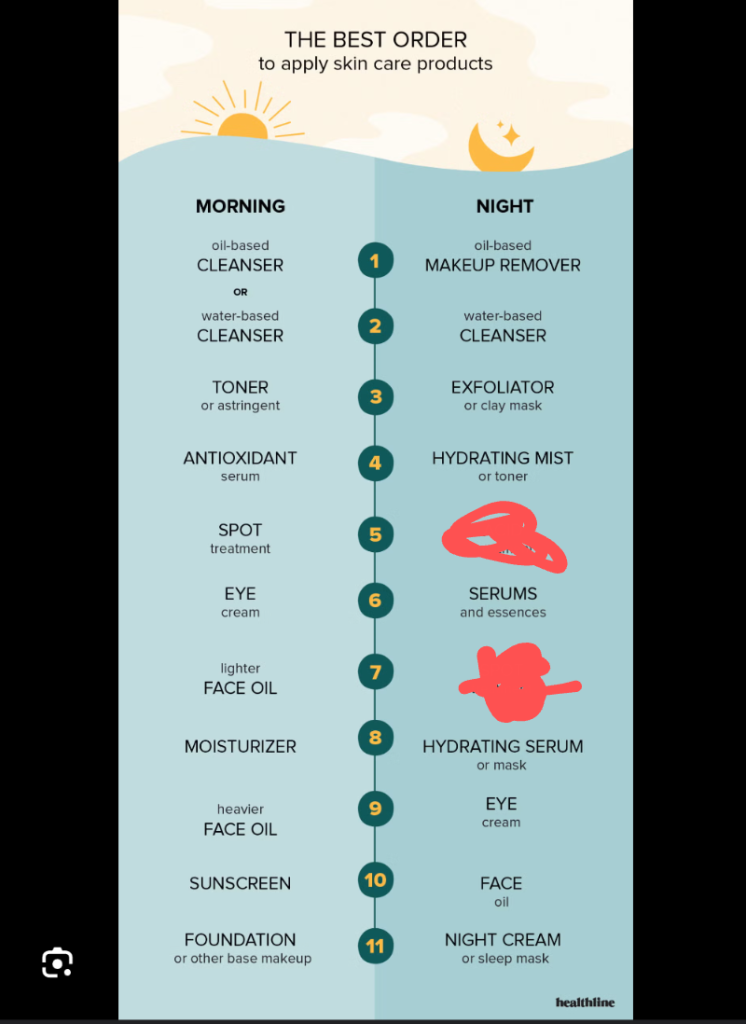
Are you sure you’re using your skincare products in the right order? The sequence in which you apply them can make all the difference between glowing skin and wasted effort.
If you’ve ever wondered why your skincare routine isn’t giving you the results you want, the answer might be simpler than you think. This guide will show you exactly how to layer your products for maximum effect, so you can unlock your skin’s true potential.
Keep reading—you’re about to discover the secret to a flawless skincare routine that really works.
Cleanse For A Fresh Start
Starting your skincare routine with a proper cleanse sets the tone for everything that follows. It removes dirt, oil, and impurities that can clog pores and cause breakouts. Think of cleansing as giving your skin a fresh canvas to absorb all the benefits of your next products.
Choosing The Right Cleanser
Your skin type plays a big role in picking the right cleanser. If you have dry skin, look for creamy or hydrating cleansers that won’t strip away natural oils. Oily or acne-prone skin benefits from foaming or gel cleansers that help control excess oil without overdrying.
Pay attention to ingredients too. Gentle formulas with ingredients like glycerin or hyaluronic acid help maintain moisture. Avoid harsh sulfates if your skin feels tight or irritated after washing.
Double Cleansing Method
Have you ever noticed your skin still feels greasy after washing once? That’s where double cleansing can help, especially if you wear makeup or sunscreen daily. The first cleanse removes surface impurities and makeup, while the second cleanse deeply cleans pores.
Start with an oil-based cleanser to dissolve makeup and sunscreen. Follow up with a water-based cleanser to clear away sweat, dirt, and residue. This two-step approach leaves your skin truly clean, preventing breakouts and improving product absorption.
Credit: www.lemon8-app.com
Exfoliate Gently
Exfoliating your skin gently can make a huge difference in how your skin looks and feels. It’s about removing dead skin cells without causing irritation or damage. Knowing the right way to exfoliate helps you avoid redness, dryness, or breakouts.
Physical Vs Chemical Exfoliants
Physical exfoliants use small particles or tools to scrub away dead skin. Examples include sugar scrubs, brushes, or facial sponges. They give immediate smoothness but can be too harsh if used aggressively or on sensitive skin.
Chemical exfoliants use acids or enzymes to dissolve dead skin cells. Ingredients like AHAs (glycolic acid) and BHAs (salicylic acid) gently break down the bonds holding dead skin together. These are often better for sensitive or acne-prone skin because they don’t involve scrubbing.
Which type fits your skin? If you have sensitive or dry skin, chemical exfoliants might be safer. If you prefer a quick, physical scrub, choose fine, gentle particles and avoid harsh rubbing.
How Often To Exfoliate
Exfoliating too often can damage your skin barrier and cause irritation. Most skin types do well with exfoliation 2-3 times a week. However, if your skin is dry or sensitive, once a week might be enough.
Pay attention to how your skin reacts. If you notice redness or flakiness, reduce the frequency. On the other hand, oily or acne-prone skin may benefit from more regular exfoliation, but still, avoid overdoing it.
Ask yourself: Is your skin feeling smoother and clearer, or is it tight and irritated? That’s the best guide to finding the right balance for your exfoliation routine.
Tone To Balance
Toning is a vital step in your skincare routine. It helps restore the skin’s natural pH after cleansing. Toning also preps your skin to absorb moisturizers and serums better. This step balances moisture and removes leftover impurities. Using toner regularly can improve skin texture and clarity.
Benefits Of Toner
- Restores the skin’s natural pH balance.
- Removes residue left by cleansers.
- Soothes and refreshes the skin.
- Prepares skin to absorb other products well.
- Reduces the appearance of pores.
- Controls excess oil and shine.
Selecting Toner For Your Skin Type
Different skin types need different toners. Choose one that suits your skin’s needs.
| Skin Type | Toner Type | Key Ingredients |
|---|---|---|
| Oily | Astringent toner | Salicylic acid, witch hazel |
| Dry | Hydrating toner | Glycerin, hyaluronic acid |
| Sensitive | Soothing toner | Aloe vera, chamomile |
| Normal | Balanced toner | Rose water, cucumber extract |
Pick a toner that matches your skin’s condition for best results.

Credit: www.bellinispdx.com
Apply Serums And Treatments
Applying serums and treatments is a crucial step in your skincare routine. These products deliver concentrated ingredients directly to your skin, addressing issues like dryness, dullness, or acne. Knowing how and when to use them can make a noticeable difference in your skin’s health and appearance.
Targeting Specific Skin Concerns
Serums are designed to tackle particular skin problems with powerful ingredients. If your skin feels dry, look for serums with hyaluronic acid to boost hydration. For uneven skin tone or dark spots, vitamin C serums work wonders.
Think about your main skin concern. Are you dealing with redness, fine lines, or breakouts? Choose treatments that focus on those issues to see real results. Applying these targeted products right after cleansing helps your skin absorb them better.
Layering Multiple Serums
You might want to use more than one serum to address different needs. When layering, apply the thinnest, water-based serums first, followed by thicker, oil-based ones. This order helps each serum penetrate effectively without clogging pores.
Wait a minute or two between layers to let your skin absorb each product. If you’re unsure about mixing certain ingredients, check for potential interactions—some combinations can irritate your skin. Have you ever felt overwhelmed by too many products? Start simple and add more only if your skin tolerates it well.
Moisturize For Hydration
Moisturizing is a key step in your skincare routine that keeps your skin hydrated and healthy. It helps lock in moisture and supports your skin’s natural barrier. Without proper hydration, your skin can feel tight, look dull, and become more prone to irritation.
Types Of Moisturizers
Choosing the right moisturizer depends on your skin type and needs. Here are common types you can consider:
- Gel-based moisturizers:Lightweight and great for oily or acne-prone skin. They absorb quickly without leaving a greasy feel.
- Cream-based moisturizers:Thicker and perfect for dry or sensitive skin. They provide deep hydration and help repair the skin barrier.
- Lotion-based moisturizers:Balanced texture, suitable for normal to combination skin. They offer moderate hydration without heaviness.
- Oil-based moisturizers:Rich and nourishing, ideal for very dry or mature skin. They help lock in moisture for longer periods.
Have you noticed how your skin reacts differently to each type? Pay attention to how your skin feels after applying to find your best fit.
Applying Moisturizer Correctly
Applying moisturizer the right way makes a big difference in its effectiveness. Start with clean, slightly damp skin to help seal in moisture.
Use a small amount—about a pea to dime size—and gently press it into your skin. Avoid rubbing harshly; instead, use light upward strokes to promote circulation.
Don’t forget your neck and décolletage, as these areas also need hydration. Have you ever skipped these spots and noticed dryness? Including them can improve overall skin texture.
Lastly, let the moisturizer absorb fully before applying sunscreen or makeup. This ensures your skin gets the full benefit without interference.
Protect With Sunscreen
Protecting your skin with sunscreen is a crucial step in any skincare routine. It shields your skin from harmful UV rays that can cause premature aging, sunburn, and even skin cancer. Applying sunscreen daily ensures your skin stays healthy and radiant, no matter the weather or season.
Importance Of Daily Spf
Many people skip sunscreen on cloudy days or when indoors. However, UV rays can penetrate through clouds and windows, causing damage without you noticing. Using SPF every day helps prevent wrinkles, dark spots, and redness caused by sun exposure.
Think about the days you forgot sunscreen and ended up with irritated or burned skin. That discomfort is a clear sign your skin needs protection all the time. Consistent SPF use also supports your skin’s natural repair process and reduces the risk of long-term damage.
Choosing The Right Sunscreen
Not all sunscreens work the same for every skin type. You need to find one that feels comfortable and suits your daily activities. For oily skin, look for oil-free or mattifying formulas to avoid shine, while dry skin benefits from moisturizing sunscreens.
- Broad-spectrum protection:Shields against both UVA and UVB rays.
- SPF 30 or higher:Offers adequate defense for daily use.
- Water resistance:Important if you sweat or spend time in water.
- Non-comedogenic:Prevents clogged pores and breakouts.
Have you tried mineral vs. chemical sunscreens? Mineral options with zinc oxide or titanium dioxide often feel lighter and better for sensitive skin. Finding the right sunscreen can make applying it a habit rather than a chore.
Adjusting Routine For Day And Night
Skin needs change between day and night. Adjusting your skincare routine helps your skin stay healthy and fresh. Daytime routines protect from sun and pollution. Nighttime routines focus on repair and hydration.
Daytime Essentials
Start with a gentle cleanser to remove dirt. Use a lightweight moisturizer to keep skin hydrated. Always apply sunscreen to protect from UV rays. Sunscreen prevents damage and signs of aging. Add a vitamin C serum for brightening and protection. Keep products light to avoid clogging pores during the day.
Nighttime Recovery
Cleanse your skin well to remove makeup and dirt. Use a richer moisturizer to nourish skin deeply. Apply treatments like retinol or exfoliants to support cell renewal. Nighttime is when skin repairs itself most. Avoid heavy sunscreen or makeup at night. Focus on calming and hydrating ingredients for better recovery.

Credit: lucybee.com
Common Mistakes To Avoid
Many people make mistakes while following their skincare routines. These errors can reduce the benefits of your products. Avoiding common pitfalls helps your skin look its best. Understanding these mistakes improves your skincare results.
Overloading Products
Applying too many products can irritate your skin. It may cause redness, dryness, or breakouts. Your skin needs time to absorb each product. Layering too many creams or serums blocks absorption. Stick to a simple routine with key products only.
Skipping Key Steps
Skipping essential steps weakens your skincare routine. Cleansing removes dirt and oil, preparing skin for treatments. Moisturizing locks in hydration and protects the skin barrier. Sunscreen shields skin from harmful UV rays every day. Do not skip these vital steps to keep skin healthy.
Frequently Asked Questions
What Is The Correct Order For A Skincare Routine?
Start with cleansing, then tone, apply serum, moisturize, and finish with sunscreen. This order ensures maximum absorption and protection.
Should I Apply Serum Before Or After Moisturizer?
Apply serum before moisturizer. Serum contains active ingredients that penetrate deeply, while moisturizer locks in hydration and serum benefits.
How Often Should I Follow My Skincare Routine?
Follow your skincare routine twice daily—morning and night. Consistency helps maintain healthy, glowing skin and improves product effectiveness.
Can I Skip Toner In My Skincare Routine?
Toner is optional but beneficial. It balances skin pH, removes leftover dirt, and preps skin for better serum and moisturizer absorption.
Conclusion
Creating a skincare routine ensures healthy and glowing skin. Start with cleansing. It removes dirt and oil. Follow with toner. It balances the skin. Next, apply serum. Serums target specific issues. Use moisturizer to hydrate. Always apply sunscreen. It protects against sun damage.
Consistency is key. Stick to your routine daily. Adjust products as needed. Listen to your skin’s needs. A simple routine can improve skin health. Keep it simple and effective. Remember, patience is crucial. Results take time. Prioritize your skin’s health.
Enjoy the process. Your skin will thank you!
