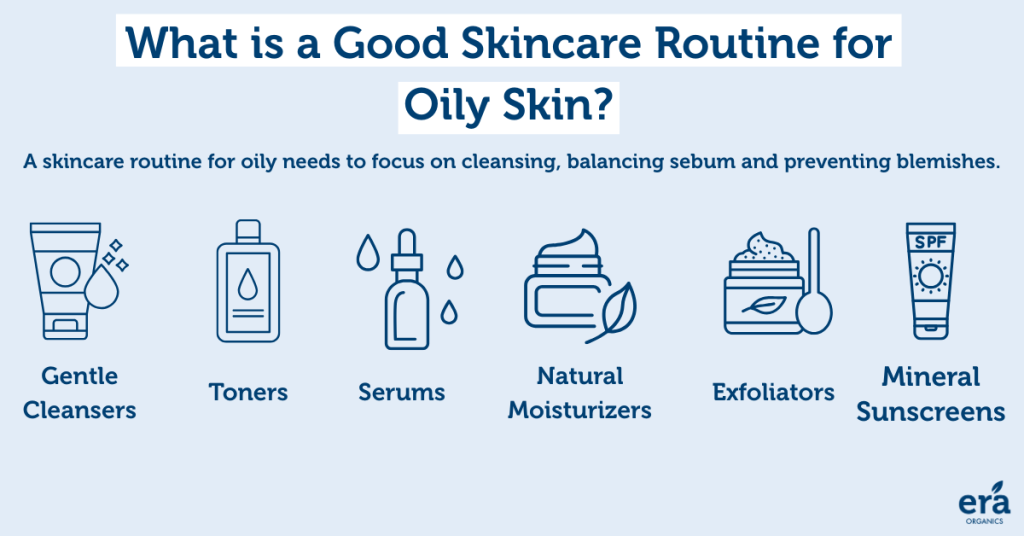
Are you tired of battling the relentless shine on your skin? Do you find yourself constantly reaching for blotting papers and mattifying powders, only to see your efforts melt away by midday?
If oily skin has you feeling frustrated and overwhelmed, you’re not alone. But here’s the good news: mastering the perfect skincare routine for oily skin can transform your complexion and boost your confidence. Imagine waking up to a fresh, balanced face that stays matte throughout the day.
Picture the freedom of stepping out without worrying about excess oil or clogged pores. This is within your reach, and it all starts with understanding the unique needs of your skin. In this guide, we’ll walk you through a tailored skincare routine designed specifically for oily skin. You’ll discover effective tips, must-have products, and simple steps that can make a significant difference. Ready to take control of your skin’s shine and achieve that enviable glow? Let’s dive into the secrets of a successful skincare routine for oily skin.
Causes Of Oily Skin
Understanding the causes of oily skin can help you manage it better. Oily skin happens when your sebaceous glands produce too much sebum, the natural oil that keeps your skin hydrated. But what triggers this excess oil production? Let’s break down some common causes that might surprise you.
Hormonal Influences
Your hormones play a big role in how much oil your skin produces. During puberty, your body produces more androgens, which can boost sebum production. Even as an adult, hormonal changes from menstruation, pregnancy, or stress can cause your skin to become oilier.
I once noticed my skin getting shinier right before my period. It made me realize how closely my hormones affected my skin’s oil levels. Have you ever tracked your skin changes along with your cycle?
Diet And Lifestyle Factors
What you eat and how you live can impact oily skin more than you think. Foods high in sugar and dairy may increase oil production, though this varies from person to person. Lack of sleep and high stress levels also signal your body to produce more oil as a response.
Keeping a food and lifestyle diary helped me spot patterns between greasy skin and late nights or junk food binges. Would noting your habits reveal similar links?
Environmental Triggers
Your surroundings affect your skin’s oiliness too. Hot and humid weather makes your skin sweat and produce more oil. Pollution and dirt can clog pores, making oily skin worse and causing breakouts.
Living in a city, I noticed my skin felt oilier on days with heavy traffic and smog. Cleaning your face gently but thoroughly after exposure can prevent oil build-up. How often do you refresh your skin after being outside?
Choosing The Right Cleanser
Choosing the right cleanser is key for oily skin care. It removes excess oil, dirt, and makeup without stripping the skin. The right cleanser balances oil production and keeps skin fresh. It prevents breakouts and helps maintain a clear complexion. Understanding different types of cleansers and their ingredients helps pick the best one for oily skin.
Foaming Vs Gel Cleansers
Foaming cleansers create a rich lather that deeply cleans pores. They remove oil and impurities effectively. Gel cleansers have a lighter texture and feel refreshing on the skin. Both types work well for oily skin but offer different experiences. Foaming cleansers suit very oily or acne-prone skin. Gel cleansers are good for sensitive oily skin that needs gentle care.
Ingredients To Look For
- Salicylic Acid:Clears clogged pores and reduces oil.
- Benzoyl Peroxide:Fights acne-causing bacteria.
- Tea Tree Oil:Natural antiseptic that calms skin.
- Glycolic Acid:Exfoliates dead skin and smooths texture.
- Niacinamide:Controls oil and reduces redness.
- Aloe Vera:Soothes and hydrates without heaviness.
Choose cleansers with these ingredients for clear, balanced skin.
How Often To Cleanse
Cleanse twice daily: morning and night. Morning cleansing removes sweat and oil built overnight. Evening cleansing clears dirt, makeup, and pollution. Avoid over-cleansing, which can dry skin and trigger more oil. Use gentle, oil-free cleansers to maintain skin balance. Adjust cleansing frequency based on activity and skin response.
Effective Exfoliation Methods
Exfoliation plays a key role in managing oily skin. It helps remove dead skin cells and unclog pores. This process reduces shine and prevents breakouts. Choosing the right exfoliation method is important. It should clear excess oil without causing irritation or dryness. Below are important details about effective exfoliation methods for oily skin.
Chemical Vs Physical Exfoliants
Chemical exfoliants use acids to dissolve dead skin cells gently. They work below the surface and clear pores deeply. Common types include AHAs (alpha hydroxy acids) and BHAs (beta hydroxy acids). BHAs like salicylic acid are especially good for oily skin.
Physical exfoliants use small particles or tools to scrub away dead skin. These can sometimes irritate oily skin and cause micro-tears. Use physical exfoliants carefully and choose fine, smooth scrubs.
Recommended Frequency
Exfoliate oily skin 2 to 3 times a week. Over-exfoliating can increase oil production and cause redness. Pay attention to your skin’s response. If irritation occurs, reduce the frequency. Consistency is key for clear and balanced skin.
Best Ingredients For Oily Skin
- Salicylic acid: Penetrates pores and reduces oil.
- Glycolic acid: Removes dead skin and brightens tone.
- Lactic acid: Gentle exfoliation with hydration.
- Bentonite clay: Absorbs excess oil and impurities.
- Jojoba beads: Natural, smooth physical exfoliant.

Credit: www.reddit.com
Toning Tips For Balance
Toning plays a crucial role in managing oily skin effectively. It helps restore your skin’s natural pH balance after cleansing and prepares it for moisturizer. Choosing the right toner can make a significant difference in controlling shine without stripping away essential moisture.
Alcohol-free Toners
Alcohol-based toners can dry out your skin, causing it to produce even more oil as a defense mechanism. Instead, look for alcohol-free options that gently refresh your skin without irritation. Ingredients like witch hazel or rose water work well to cleanse and tone without harsh effects.
Have you noticed your skin feeling tight or flaky after using a toner? That’s usually a sign to switch to an alcohol-free formula.
Soothing Ingredients
Soothing ingredients calm inflammation and reduce redness, which is common with oily, acne-prone skin. Look for toners containing aloe vera, chamomile, or green tea extract. These help keep your skin balanced and comfortable throughout the day.
I once switched to a toner with green tea extract and saw a noticeable decrease in breakouts and irritation within weeks. What soothing ingredients have you tried?
How Toners Control Shine
Toners help control shine by tightening pores and removing any leftover dirt or oil after cleansing. They create a smooth base that prevents excess sebum from building up. Using a toner regularly can reduce midday oiliness and keep your skin matte longer.
- Choose toners with salicylic acid or niacinamide to target oil production.
- Apply toner with a cotton pad, focusing on the T-zone where oil tends to accumulate.
- Don’t skip toner even on non-makeup days; consistency is key to shine control.
Moisturizers That Don’t Clog Pores
Finding the right moisturizer for oily skin can feel like walking a tightrope. You want hydration without the heaviness that leads to clogged pores and breakouts. The good news? Moisturizers designed specifically for oily skin manage to keep your skin balanced and fresh without causing flare-ups.
Lightweight Formulas
Lightweight moisturizers absorb quickly and don’t leave a greasy residue. They often come in gel or lotion forms that feel barely there on your skin. I’ve noticed that switching to a gel-based moisturizer stopped the midday shine and reduced the sticky feeling after application.
Look for products labeled as “non-comedogenic” to avoid pore-clogging ingredients. These formulas let your skin breathe while providing essential moisture.
Oil-free Options
Oil-free moisturizers are a must if you want to keep excess oil at bay. They hydrate without adding any extra oil to your skin’s surface. This reduces the risk of breakouts and keeps your complexion clearer throughout the day.
Brands with oil-free options often include soothing agents that calm irritated skin. If you’ve struggled with pimples after moisturizing, trying an oil-free product might be the game-changer you need.
Hydrating Ingredients
Ingredients like hyaluronic acid and glycerin attract water to your skin without weighing it down. These humectants keep your skin plump and hydrated without clogging pores.
Some moisturizers also include calming botanicals such as aloe vera or green tea extract. These ingredients help reduce redness and inflammation, which is often a concern with oily skin.
Have you ever checked the ingredient list of your moisturizer? Understanding what goes into your product can help you avoid hidden pore-cloggers and find something that truly suits your skin’s needs.
Sun Protection For Oily Skin
Protecting oily skin from the sun is a crucial step that many overlook. The right sun protection not only prevents sunburn but also stops excess oil production triggered by UV exposure. Choosing the right products and applying them properly can make a noticeable difference in both your skin’s health and appearance.
Non-greasy Sunscreens
Finding a sunscreen that doesn’t add extra shine or clog pores can feel impossible. Look for labels that say “oil-free,” “matte finish,” or “non-comedogenic.” Gel-based or water-based formulas often work best for oily skin because they absorb quickly without leaving a greasy residue.
One sunscreen I swear by feels lightweight and dries down to a matte finish. It lets my skin breathe and keeps my makeup from sliding off by midday. Have you ever tried a sunscreen that made your skin feel heavier? That’s exactly what you want to avoid.
Spf Recommendations
Most dermatologists recommend using a broad-spectrum sunscreen with at least SPF 30. This level blocks about 97% of UVB rays, which are primarily responsible for sunburn. If you spend a lot of time outdoors, consider SPF 50 for extra protection.
Don’t forget that SPF applies to all skin types, including oily skin. Higher SPF doesn’t mean you can skip reapplying. It’s about consistent coverage that fits into your daily routine without feeling like a chore.
Application Tips
Apply sunscreen as the last step of your skincare routine, after moisturizer but before makeup. Use about a nickel-sized amount for your face and neck to ensure full coverage. Don’t rush—gently pat and spread it evenly to avoid missing spots.
Reapply every two hours, especially if you’re sweating or spending time in water. Carry a travel-sized sunscreen for touch-ups. How often do you check if your sunscreen is still doing its job?
Targeted Treatments
Targeted treatments play a crucial role in managing oily skin effectively. They address specific issues like excess shine, clogged pores, and breakouts without stripping your skin of essential moisture. Adding these treatments to your skincare routine can make a visible difference in how your skin feels and looks throughout the day.
Oil-control Serums
Oil-control serums are lightweight and packed with ingredients that help balance sebum production. Look for serums containing niacinamide, salicylic acid, or zinc—they reduce shine and calm inflammation. I once struggled with midday oiliness until I added a niacinamide serum; it kept my skin matte for hours without feeling dry or tight.
Apply a few drops after cleansing and toning, focusing on your T-zone. These serums absorb quickly and create a smooth base for moisturizer and makeup.
Clay Masks
Clay masks are perfect for deep cleansing and absorbing excess oil. They pull out impurities from pores and reduce the greasy feeling that oily skin often brings. Using a clay mask once or twice a week can prevent breakouts and keep your skin refreshed.
Choose masks with kaolin or bentonite clay for gentle yet effective treatment. Remember not to leave the mask on until it cracks completely, as over-drying can trigger more oil production.
Blotting Techniques
Blotting papers are a quick fix to manage shine without disturbing your makeup. Carry them with you and gently press on oily areas rather than rubbing. This simple habit can prevent clogged pores caused by excess oil buildup.
Try using oil-absorbing powders as a follow-up to blotting for longer-lasting mattifying effects. Have you noticed how small adjustments like this can keep your skin looking fresh all day?
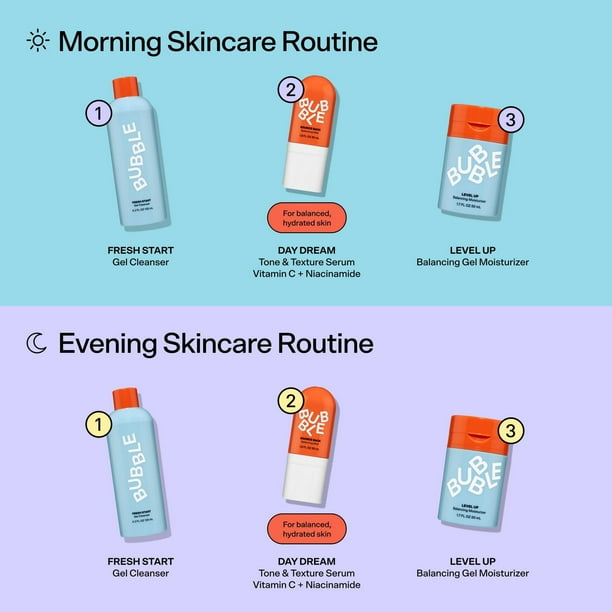
Credit: www.walmart.ca
Lifestyle Adjustments
Adjusting your lifestyle can make a big difference in managing oily skin. Skincare products help, but what you eat, how you handle stress, and your daily habits play a key role. Let’s look at simple changes that support clearer, healthier skin.
Dietary Changes
Your diet impacts your skin’s oil production more than you might think. Foods high in sugar and refined carbs can trigger excess oil and breakouts. Try adding more fresh vegetables, fruits, and whole grains instead.
Omega-3 fatty acids found in fish and flaxseeds help reduce inflammation and balance oil. Avoid greasy fast food, which can worsen shine and clog pores. Have you noticed your skin reacts after certain meals? Paying attention to these patterns can guide better food choices.
Stress Management
Stress can increase oil production and worsen acne. Finding ways to relax isn’t just good for your mind—it’s a win for your skin too. Simple activities like walking, listening to music, or practicing deep breathing can lower stress levels.
Try setting aside even 10 minutes a day for something you enjoy. You might be surprised how quickly your skin improves when your stress goes down. What small change can you make today to feel calmer?
Sleep And Hydration
Not getting enough sleep can cause your skin to produce more oil and look dull. Aim for 7-8 hours of quality sleep to help your skin repair and balance oil production. I found that sticking to a sleep schedule made a noticeable difference in my skin’s texture.
Drinking enough water flushes out toxins and keeps your skin hydrated without excess oil. Carry a water bottle with you and sip regularly throughout the day. Could a few more hours of sleep and a glass of water be what your skin needs right now?

Credit: chemistconfessions.com
Frequently Asked Questions
What Is The Best Skincare Routine For Oily Skin?
A good routine includes gentle cleansing twice daily, using oil-free moisturizers, and applying sunscreen. Exfoliate 2-3 times weekly to control oil and unclog pores. Use products labeled non-comedogenic to avoid breakouts.
How Often Should I Wash My Face With Oily Skin?
Wash your face twice daily—morning and night. Over-washing can strip natural oils, causing more oil production. Use a gentle cleanser to keep skin balanced and fresh without irritation.
Which Ingredients Help Control Oily Skin Effectively?
Look for salicylic acid, niacinamide, and benzoyl peroxide. These reduce excess oil, prevent breakouts, and soothe inflammation. Avoid heavy oils and alcohol-based products that can worsen oiliness.
Can Oily Skin Benefit From Moisturizing?
Yes, oily skin still needs hydration. Use lightweight, oil-free, or gel-based moisturizers to maintain moisture without clogging pores. Proper hydration helps balance oil production and keeps skin healthy.
Conclusion
A good skincare routine helps oily skin stay fresh and clear. Cleanse your face twice daily to remove dirt and oil. Use light, non-greasy moisturizers to keep skin balanced. Exfoliate gently to avoid clogged pores and shine. Protect your skin with sunscreen every day.
Consistency is key for healthy, glowing skin. Small changes can make a big difference. Your skin will thank you with time and care. Keep it simple and stay patient. Healthy skin is possible for oily types too.
