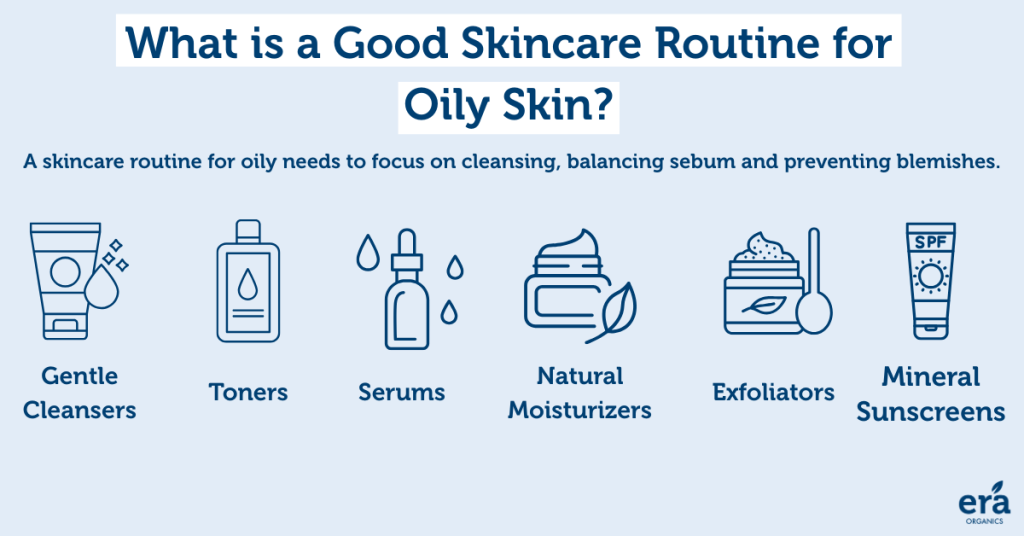
Struggling with oily skin can feel like a constant battle. You wake up, and your face is already shiny.
Makeup won’t stay put, and breakouts seem to appear out of nowhere. But what if you could take control of your skin instead of letting it control you? Your oily skin deserves a routine that works with it, not against it.
You’ll discover simple, effective steps to balance your skin, reduce shine, and keep your face feeling fresh all day long. Ready to transform your skincare routine and feel confident in your own skin? Keep reading.

Credit: chemistconfessions.com
Causes Of Oily Skin
Oily skin happens when the sebaceous glands produce too much oil. This excess oil can make your face look shiny and feel greasy. Understanding the causes helps control oily skin better. Several factors influence how oily your skin becomes.
Genetics And Hormones
Oily skin often runs in families. Your genes can make your skin produce more oil. Hormones also play a big role. During puberty, hormones increase oil production. Women may notice oily skin before their periods. Hormonal changes during pregnancy or menopause affect oil levels too.
Environmental Factors
Hot and humid weather increases oil production. Your skin tries to cool down by making more oil. Pollution can clog pores and worsen oily skin. Harsh weather, like wind or cold, can dry skin. Dry skin may trigger more oil production to compensate.
Diet And Lifestyle
Foods high in sugar and fat may boost oil production. Eating a lot of junk food can make skin oilier. Stress causes hormone changes that increase oil. Lack of sleep may worsen oily skin. Drinking water and eating fresh fruits help keep skin balanced.
Credit: sokoglam.com
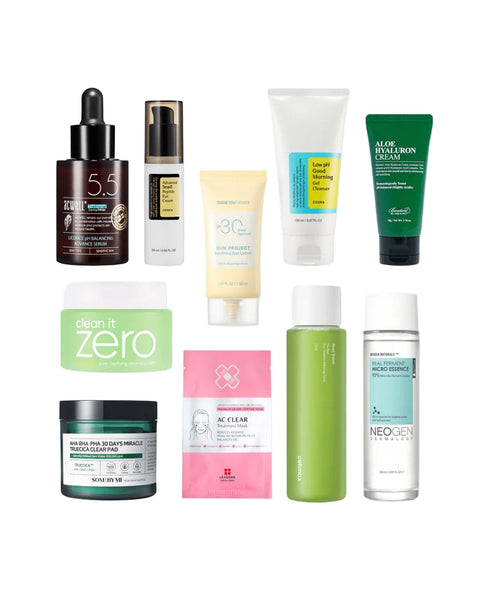
Choosing The Right Cleanser
Choosing the right cleanser can change how your skin feels and looks every day. For oily skin, the cleanser you pick should control excess oil without stripping away moisture. Finding that balance is key to a clear, fresh complexion.
Foaming Vs Gel Cleansers
Foaming cleansers create a rich lather that feels refreshing and deep-cleans pores. They are great if you want to remove oil and dirt quickly, especially after a sweaty day.
Gel cleansers tend to be lighter and less drying than foaming ones. They work well if your skin is oily but also sensitive or prone to irritation.
Think about how your skin reacts after cleansing. Does it feel tight and dry, or clean and comfortable? Your answer can guide whether a foaming or gel cleanser suits you better.
Ingredients To Look For
Look for ingredients that help control oil without harming your skin barrier. Salicylic acid is a popular choice because it exfoliates inside pores and reduces shine.
Niacinamide is another excellent ingredient. It calms inflammation and balances oil production, making your skin less prone to breakouts.
Avoid cleansers with heavy fragrances or alcohol, as they can irritate oily skin and cause more oil production. Would you rather soothe your skin or trigger more oil? Your cleanser’s ingredients answer that question every day.
Exfoliation Tips
Exfoliation is an important part of a skincare routine for oily skin. It helps remove dead skin cells and unclogs pores. Proper exfoliation can reduce shine and prevent breakouts. Choosing the right exfoliant and using it correctly matters a lot.
Chemical Vs Physical Exfoliants
Chemical exfoliants use acids to dissolve dead skin gently. Common types include AHAs like glycolic acid and BHAs like salicylic acid. They reach deeper into pores and are less abrasive.
Physical exfoliants use small particles or tools to scrub the skin. Examples are scrubs with beads or brushes. They remove dead cells by friction but can irritate oily skin if used too hard.
Chemical exfoliants suit oily skin better. They clear pores and reduce excess oil without harsh scrubbing. Physical exfoliants need gentle use to avoid redness or damage.
Frequency And Best Practices
- Exfoliate 2 to 3 times a week to avoid irritation.
- Use a gentle cleanser before exfoliating for best results.
- Apply exfoliant on clean, dry skin for chemical types.
- Massage physical exfoliants softly in circular motions.
- Always follow with a lightweight moisturizer to keep skin balanced.
- Use sunscreen daily, as exfoliation can increase sun sensitivity.
Balancing With Toners
Balancing your skin with the right toner can make a huge difference in managing oily skin. A good toner helps remove leftover dirt and oil after cleansing, tightens pores, and prepares your skin for moisturizer. But not all toners are created equal, especially if your skin tends to get oily or irritated easily.
Alcohol-free Options
Many toners contain alcohol, which can dry out your skin and trigger more oil production as your skin tries to compensate. Choosing an alcohol-free toner is a smarter way to keep your skin balanced without stripping its natural moisture.
Look for labels that say “alcohol-free” or “gentle.” Ingredients like witch hazel or rose water can tone your skin softly without harsh drying effects. When I switched to an alcohol-free toner, my skin felt less tight and the oily shine reduced noticeably by midday.
Soothing Ingredients
Oily skin can easily get irritated, so soothing ingredients are key to calming inflammation and redness. Ingredients such as aloe vera, chamomile, and green tea extract are great choices to add comfort while controlling oil.
These natural components not only refresh your skin but also help reduce the feeling of stickiness or heaviness after applying toner. Have you noticed how some toners leave your skin feeling cool and calm? That’s usually thanks to these soothing ingredients.
Moisturizers For Oily Skin
Choosing the right moisturizer is key for oily skin care. Many think oily skin does not need moisturizing. That is not true. Oily skin also loses moisture and needs balance. The right moisturizer helps control shine and keeps skin hydrated without clogging pores. Lightweight and oil-free products work best. They hydrate skin while reducing excess oil and shine.
Lightweight And Oil-free Formulas
Lightweight moisturizers feel comfortable and do not weigh skin down. Oil-free formulas avoid adding extra oil to the skin. These products absorb quickly and leave no greasy residue. Ingredients like hyaluronic acid and glycerin attract moisture without oil. They keep skin soft and smooth. Look for labels that say “non-comedogenic” to avoid clogged pores.
Gel Vs Lotion
Gel moisturizers have a water-based texture. They feel cool and refresh skin fast. Gels are perfect for oily skin as they dry quickly and do not add shine. Lotion moisturizers are light creams. They are slightly thicker but still absorb well. Lotions work well for oily skin during dry or cold weather. Choose gels for hot, humid days and lotions for cooler times.

Credit: www.reddit.com
Sun Protection Essentials
Protecting oily skin from the sun is not just about avoiding burns; it’s about preventing long-term damage like premature aging and breakouts triggered by UV exposure. The right sun protection can keep your skin clear and healthy without causing extra oiliness or clogging pores. Let’s focus on the essentials that make sun protection effective and comfortable for oily skin.
Non-comedogenic Sunscreens
Finding a sunscreen that doesn’t block your pores is crucial. Look for products labeled non-comedogenic, which means they are formulated to avoid clogging pores and causing acne.
Gel-based or water-based sunscreens work best for oily skin. They absorb quickly and leave a matte finish, reducing that greasy feel.
Ingredients like zinc oxide and titanium dioxide offer broad-spectrum protection without irritating your skin. These mineral sunscreens are less likely to cause breakouts than chemical ones.
- Choose sunscreens that say “oil-free” and “non-comedogenic.”
- Test a small patch first to ensure it doesn’t trigger breakouts.
- Brands like La Roche-Posay, Neutrogena, and Cetaphil have good options for oily skin.
Daily Application Tips
Applying sunscreen every day can seem tedious, but it’s a game changer for oily skin care. You might wonder if sunscreen will make your skin feel greasy or cause breakouts—here’s how to avoid that.
Apply sunscreen as the last step of your morning skincare routine, right before makeup. Use about a nickel-sized amount to cover your face evenly.
Reapply every two hours, especially if you’re outside. Keep a travel-size bottle handy to refresh your protection without piling on product.
- Pat, don’t rub, sunscreen into your skin to avoid irritation.
- Use blotting papers throughout the day if excess shine bothers you.
- Don’t skip sunscreen on cloudy days; UV rays still reach your skin.
Have you noticed changes in your skin when you switched to a non-comedogenic sunscreen? Your experience might help others find the right product that works without compromising their skin’s health.
Weekly Treatments
Weekly treatments play a crucial role in managing oily skin effectively. They help balance oil production and keep your skin clear without over-drying. Adding these targeted treatments to your routine can make a noticeable difference in how your skin looks and feels.
Clay Masks
Clay masks are a powerful tool for oily skin. They draw out excess oil and impurities from deep within your pores, leaving your skin feeling fresh and clean.
Try using a clay mask once a week to prevent clogged pores and breakouts. I noticed my skin felt less greasy and smoother after just a few uses. Look for masks with ingredients like bentonite or kaolin clay for the best results.
Oil-control Serums
Oil-control serums can help regulate your skin’s oil production throughout the week. These lightweight formulas absorb quickly and reduce shine without making your skin feel tight or dry.
Applying a serum after cleansing and before moisturizing can keep your skin matte and balanced. Products containing niacinamide or salicylic acid work well to minimize oil and calm inflammation. What if a simple serum could keep your skin clearer and less oily every day?
Lifestyle Habits For Radiance
Healthy lifestyle habits play a big role in keeping oily skin radiant. Skincare products help, but daily habits make a real difference. Simple changes can reduce shine and improve skin texture. Focus on what you eat and how you manage stress. These factors affect oil production and skin health.
Hydration And Diet
Water keeps skin hydrated and flushes out toxins. Drink at least eight glasses daily. Avoid sugary drinks and too much caffeine. Eat foods rich in vitamins and minerals. Vegetables, fruits, and lean proteins support healthy skin.
- Include foods high in omega-3 fatty acids.
- Choose whole grains over refined carbs.
- Limit fried and greasy foods.
- Consume plenty of antioxidants found in berries and nuts.
Balanced meals help control excess oil. Proper hydration prevents skin from producing more oil to compensate.
Stress Management
Stress triggers oil glands to produce more sebum. This can lead to breakouts and dull skin. Find ways to relax daily. Try breathing exercises, meditation, or light exercise. Sleep is also important for skin repair. Aim for 7-8 hours of quality sleep each night.
- Practice mindfulness or yoga.
- Take short breaks during the day.
- Maintain a regular sleep schedule.
- Avoid screen time before bed to improve sleep quality.
Reducing stress improves skin clarity and reduces oily shine naturally.
Frequently Asked Questions
What Is The Best Skincare Routine For Oily Skin?
A good oily skin routine includes gentle cleansing twice daily, using oil-free moisturizers, and applying non-comedogenic sunscreen. Exfoliate 1-2 times weekly to prevent clogged pores. Use products with salicylic acid or niacinamide to control oil and reduce shine effectively.
How Often Should I Wash My Face If I Have Oily Skin?
Wash your face twice daily, morning and night, to remove excess oil and dirt. Over-washing can irritate skin and increase oil production. Use a gentle cleanser formulated for oily skin to maintain balance and prevent breakouts.
Which Ingredients Help Control Oily Skin Effectively?
Look for salicylic acid, niacinamide, benzoyl peroxide, and clay in skincare products. These ingredients reduce excess oil, unclog pores, and prevent acne. Avoid heavy creams and products with alcohol, as they can worsen oiliness and skin irritation.
Can Oily Skin Benefit From Moisturizing?
Yes, oily skin still needs hydration. Use lightweight, oil-free, non-comedogenic moisturizers to keep skin balanced. Proper hydration prevents overproduction of oil and maintains skin health without clogging pores or causing breakouts.
Conclusion
Taking care of oily skin is simple with the right routine. Cleanse gently to remove extra oil and dirt. Use products made for oily skin to avoid clogging pores. Moisturize daily to keep skin balanced and healthy. Don’t skip sunscreen to protect your skin from damage.
Stay consistent, and results will show over time. Healthy skin feels fresh and looks clear. Small steps every day make a big difference. Your skin can stay shine-free and smooth with care. Keep it simple, and enjoy your glowing skin.
