Dealing with textured combination skin can feel like a daily puzzle. You want your skin to look smooth and balanced, but some areas feel oily while others are dry or rough.
If this sounds like you, don’t worry—you’re not alone. The right skincare routine can transform your skin, making it softer, clearer, and more even. Keep reading, because we’re about to share simple, effective steps that will help you take control of your skin and boost your confidence every day.
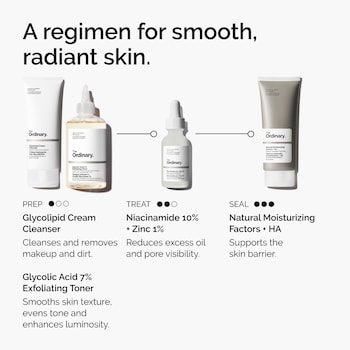
Credit: www.sephora.com
Characteristics Of Textured Combination Skin
Textured combination skin can feel like a puzzle sometimes. You might notice rough patches alongside shiny areas, making it tricky to find the right skincare balance. Understanding the unique traits of this skin type helps you choose products that soothe texture without upsetting oily or dry zones.
Common Skin Concerns
Texture issues like bumps, uneven tone, and enlarged pores are common with this skin type. You might also deal with occasional breakouts in oily areas and flakiness in dry spots. These concerns often overlap, making your skin feel unpredictable and harder to manage.
Have you ever found a moisturizer that works wonders on your cheeks but makes your forehead greasy? That’s a sign your skin needs different care in different places. The key is to address each concern without overloading your skin.
Identifying Oily And Dry Zones
Start by observing your face throughout the day. Typically, the T-zone (forehead, nose, and chin) tends to be oily, while the cheeks and jawline might feel dry or normal. This mix creates a textured feel that varies by area.
- Oily Zones:Shine, visible pores, and occasional acne.
- Dry Zones:Flakiness, tightness, and rough patches.
Knowing your skin’s map helps you apply the right products in the right places. For example, a lightweight gel moisturizer on oily areas and a richer cream on dry spots can make a big difference. What if you treated these zones separately instead of using one product all over?
Cleansing Techniques
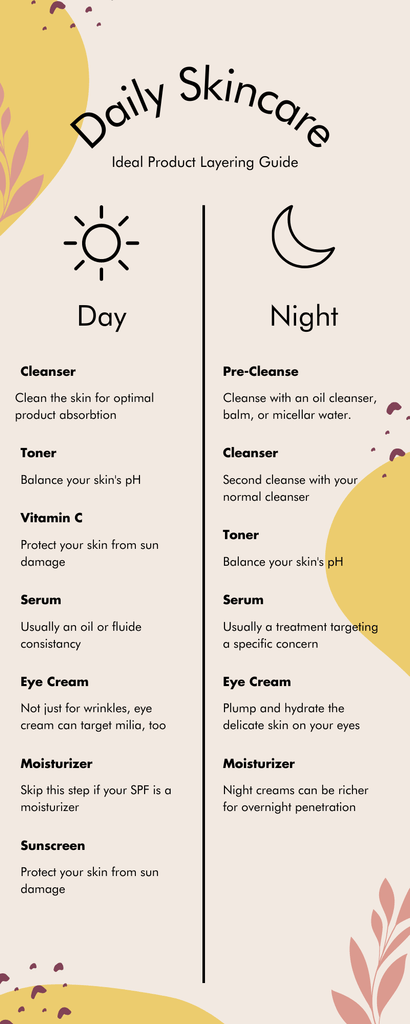
Cleansing is the first and most important step in any skincare routine. It removes dirt, oil, and makeup that can clog pores. For textured combination skin, cleansing needs extra care. The goal is to balance oil without drying out the skin. Proper techniques help keep skin clear and smooth. Let’s explore how to choose the right cleanser and the benefits of double cleansing.
Choosing The Right Cleanser
Select a cleanser based on your skin’s needs. For combination skin, use a gentle formula that cleans without stripping moisture. Look for:
- Mild foaming cleansers for oily areas
- Cream or lotion cleansers for dry patches
- Non-comedogenic and fragrance-free options
- Ingredients like salicylic acid or niacinamide to control texture
A cleanser that balances the skin’s pH is ideal. Avoid harsh scrubs or alcohol-based products. These can worsen texture and cause irritation.
Double Cleansing Benefits
Double cleansing involves two steps for a thorough clean. First, use an oil-based cleanser to remove makeup and excess oil. Next, follow with a water-based cleanser to clear sweat and dirt.
- Deep cleans pores without over-drying
- Prepares skin for better absorption of skincare products
- Helps reduce breakouts and uneven texture
This method is gentle and effective for textured combination skin. It balances cleansing and hydration, keeping skin fresh and smooth.
Exfoliation Strategies
Exfoliation is key for textured combination skin, but it requires a careful approach. You want to smooth rough patches without upsetting the oily or dry areas. Finding the right exfoliation strategy can transform your skin’s texture and balance.
Physical Vs Chemical Exfoliants
Physical exfoliants use small particles or tools to manually scrub away dead skin. They give immediate smoothness but can be too harsh if used aggressively, especially on textured or sensitive areas.
Chemical exfoliants use acids or enzymes to dissolve dead skin cells gently. Ingredients like AHAs (glycolic, lactic acid) work well on dry patches, while BHAs (salicylic acid) penetrate oily pores to clear buildup.
- Physical exfoliants can cause microtears if overused or too abrasive.
- Chemical exfoliants offer more even exfoliation and can improve skin texture over time.
- You might find a combination of both types works best for different zones on your face.
Think about how your skin reacts after exfoliation—is it calm or irritated? That feedback will guide your choice.
Frequency For Combination Skin
Too much exfoliation can trigger oiliness and dryness simultaneously. You want to strike a balance that refreshes without stripping your skin.
Most people with combination skin benefit from exfoliating 2-3 times a week. On days you use chemical exfoliants, skip physical scrubs to avoid overdoing it.
- Start with once a week and gradually increase as your skin adjusts.
- Pay attention to how different areas respond—oily zones may tolerate more frequent exfoliation than dry patches.
- Always follow exfoliation with a soothing moisturizer to restore hydration.
Ask yourself: Does your skin feel balanced after exfoliation, or does it swing towards dryness or oiliness? Adjust frequency accordingly to keep your skin comfortable and smooth.

Credit: andalou.com
Moisturizing Tips
Moisturizing textured combination skin can feel like walking a tightrope. You want to hydrate dry patches without making oily areas greasy. The key lies in finding the right balance and ingredients that work for both skin types.
Balancing Hydration
Start by applying a lightweight moisturizer to your entire face. This keeps oily zones from feeling heavy while giving dry patches enough moisture.
Consider using different products on different areas—thicker creams on dry spots and gel-based formulas on oilier zones. This targeted approach can prevent clogged pores and irritation.
Ask yourself: Is your skin feeling tight in some areas but shiny in others? Adjust your routine accordingly to maintain harmony across your face.
Best Ingredients To Look For
Look for ingredients that hydrate without heaviness. Hyaluronic acid is a top choice; it attracts moisture without clogging pores.
Niacinamide helps regulate oil production and reduces redness, making it perfect for combination skin.
Lightweight oils like squalane provide nourishment without a greasy finish. Avoid heavy oils that can worsen oily zones.
- Hyaluronic Acid:Hydrates deeply and feels light.
- Niacinamide:Controls oil and calms skin.
- Squalane:Moisturizes without heaviness.
- Glycerin:Draws moisture into dry patches.
Have you checked your moisturizer’s ingredients lately? Choosing the right ones can make all the difference.
Targeted Treatments
Targeted treatments play a crucial role in managing textured combination skin. They help address specific concerns without overwhelming your skin. This approach ensures you treat oily and dry areas effectively, improving overall skin texture.
Serums For Texture Improvement
Serums are lightweight and packed with active ingredients that target uneven texture. Look for serums containing ingredients like niacinamide, salicylic acid, or vitamin C. Niacinamide helps reduce pore size and smooths rough patches, while salicylic acid gently exfoliates dead skin cells, preventing clogged pores.
I once struggled with bumpy skin on my cheeks and forehead. Adding a niacinamide serum to my routine made a noticeable difference in just a few weeks. It’s a gentle yet powerful way to smooth your skin without irritation.
Apply your serum after cleansing and before moisturizing. This allows the active ingredients to penetrate deeply and work effectively. Remember, consistency is key—results build over time.
Spot Treatments For Oily Areas
Oily areas, like the T-zone, often need special attention to control shine and prevent breakouts. Spot treatments with ingredients such as benzoyl peroxide or tea tree oil can reduce excess oil and inflammation quickly.
Using spot treatments only on problem areas prevents drying out the rest of your skin. If you apply them everywhere, your dry patches might worsen. I found that targeting just my oily nose and chin helped balance my skin without causing tightness elsewhere.
Apply spot treatments after your serum and before moisturizer, but only on blemishes or oily zones. This targeted approach keeps your skin balanced and clear without over-drying or irritating sensitive areas.

Credit: parade.com
Sun Protection Essentials
Protecting textured combination skin from the sun is vital. Sun exposure can cause dryness, oiliness, and uneven skin tone. Using the right sun protection keeps your skin healthy and balanced. It prevents damage like dark spots and premature aging. Choosing the correct sunscreen and applying it properly makes a big difference.
Choosing Lightweight Sunscreens
Opt for sunscreens labeled “non-comedogenic” or “oil-free.” These formulas avoid clogging pores. Look for products with a matte finish to reduce shine. Gel-based or water-based sunscreens work well for combination skin. Broad-spectrum protection with SPF 30 or higher is essential. Mineral sunscreens with zinc oxide or titanium dioxide are gentle and effective.
Application Tips For Combination Skin
Apply sunscreen every morning, even on cloudy days. Use about a teaspoon for your face. Dab sunscreen on oily zones first to control shine. Gently spread it over dry areas to avoid flaking. Reapply every two hours if outdoors. Layer sunscreen over moisturizer to keep skin hydrated and protected. Don’t forget your neck, ears, and hairline for full coverage.
Lifestyle Habits For Better Skin
Healthy skin starts with daily habits beyond creams and serums. Simple lifestyle changes help balance textured combination skin. Focus on what you eat, drink, and how you manage stress. These factors deeply affect skin’s glow and health.
Diet And Hydration
Eating the right foods can calm oily and dry skin areas. Choose fresh fruits and vegetables rich in vitamins C and E. These nutrients support skin repair and protect against damage. Avoid sugary snacks and fried foods that may worsen texture and oiliness.
Drink plenty of water throughout the day. Hydration helps flush out toxins and keeps skin soft. Aim for at least eight glasses daily. Herbal teas also soothe skin and provide gentle hydration without caffeine.
Stress Management Techniques
Stress triggers oil production and inflammation, leading to breakouts. Practice simple relaxation methods to keep stress low. Deep breathing exercises calm your mind and body in minutes.
Try short walks outside or gentle stretching to release tension. Regular sleep schedules improve skin repair and reduce puffiness. Aim for 7 to 8 hours of restful sleep every night.
Common Mistakes To Avoid
Knowing the common mistakes to avoid can save your textured combination skin from unnecessary irritation and imbalance. Many people unknowingly worsen their skin condition by skipping simple but crucial steps. Are you making any of these errors in your routine?
Over-exfoliating
Exfoliation feels great, especially when you want smoother skin, but too much can cause more harm than good. Over-exfoliating strips your skin’s natural oils, leading to increased dryness in some areas and extra oiliness in others.
Think about the last time you exfoliated daily—did your skin feel tight or irritated afterward? If yes, you might be overdoing it. Limit exfoliation to 2-3 times a week and choose gentle exfoliants that suit your skin texture.
Ignoring Dry Patches
It’s easy to focus on oily zones and forget about the dry patches that need attention too. Dry patches can become flaky and uncomfortable if left untreated, ruining your skin’s overall balance.
Instead of skipping those areas, treat dry spots with a richer moisturizer or targeted hydrating serums. Have you noticed any stubborn dry patches lately? Addressing them will improve your skin’s texture and appearance dramatically.
Frequently Asked Questions
What Is The Best Cleanser For Textured Combination Skin?
A gentle, hydrating cleanser with mild exfoliants suits textured combination skin. It removes excess oil without stripping moisture, balancing dry and oily zones effectively.
How Often Should I Exfoliate Textured Combination Skin?
Exfoliate 1-2 times weekly to avoid irritation. Use a chemical exfoliant with AHAs or BHAs to smooth texture and unclog pores gently.
Can Moisturizers Help Improve Textured Combination Skin?
Yes, lightweight, non-comedogenic moisturizers hydrate dry areas without clogging pores. Look for ingredients like hyaluronic acid and niacinamide for balanced moisture.
Should I Use Different Products For Oily And Dry Areas?
Target oily zones with mattifying products and dry areas with hydrating formulas. A tailored approach controls shine and soothes flaky patches effectively.
Conclusion
A consistent skincare routine helps manage textured combination skin. Cleanse gently to remove impurities. Hydrate with a lightweight moisturizer. Choose products that balance oil and moisture. Exfoliate weekly to smooth skin texture. Don’t forget sunscreen every day. Protects from sun damage.
Patience is key. Results take time. Listen to your skin’s needs and adjust accordingly. Consistency brings clarity and glow. Keep your routine simple for best results. Textured skin can feel smoother with proper care. Your skin deserves love and attention.
Follow these steps for healthier skin.
