Imagine waking up every morning with skin that feels calm, comfortable, and confident. For those with sensitive skin, this might seem like a distant dream.
The reality of redness, itchiness, and irritation often makes skincare feel more like a battlefield than a beauty routine. But what if you could turn that around? What if you had a simple guide to help you achieve the peaceful, glowing skin you’ve always wanted?
This article is your roadmap to a skincare routine designed specifically for sensitive skin. You’ll discover gentle techniques and products that soothe rather than aggravate. By the end, you’ll have a clear, step-by-step plan that will make your skin feel like it’s wrapped in a soft, comforting embrace. Ready to transform your skincare routine and finally give your skin the TLC it deserves? Let’s dive in and make that dream a reality!
Causes Of Sensitive Skin
Sensitive skin can feel frustrating and unpredictable. Understanding what causes your skin to react is key to managing and soothing it effectively. Causes often go beyond just the surface and involve both external triggers and internal skin health.
Common Triggers
Many people with sensitive skin notice flare-ups after exposure to certain substances or conditions. Harsh soaps, fragrances, and skincare products with alcohol or preservatives often cause irritation. Even environmental factors like extreme cold, heat, or pollution can trigger redness and discomfort.
Have you ever noticed your skin acting up after using a new face wash or stepping outside on a windy day? These everyday triggers might be the reason. Avoiding or minimizing contact with these irritants can help you maintain calm and balanced skin.
Skin Barrier Issues
Your skin barrier acts like a shield, protecting you from irritants and locking in moisture. If this barrier is weak or damaged, your skin becomes more vulnerable to sensitivity. Factors like over-exfoliation, harsh cleansing, or even stress can break down this barrier.
Think about how your skin feels after scrubbing too hard or skipping moisturizer—it often becomes tight, dry, or itchy. Strengthening your skin barrier with gentle products and proper hydration can reduce sensitivity and improve your skin’s resilience. What simple change could you make today to support your skin barrier?

Credit: www.eraorganics.com
Choosing The Right Cleanser
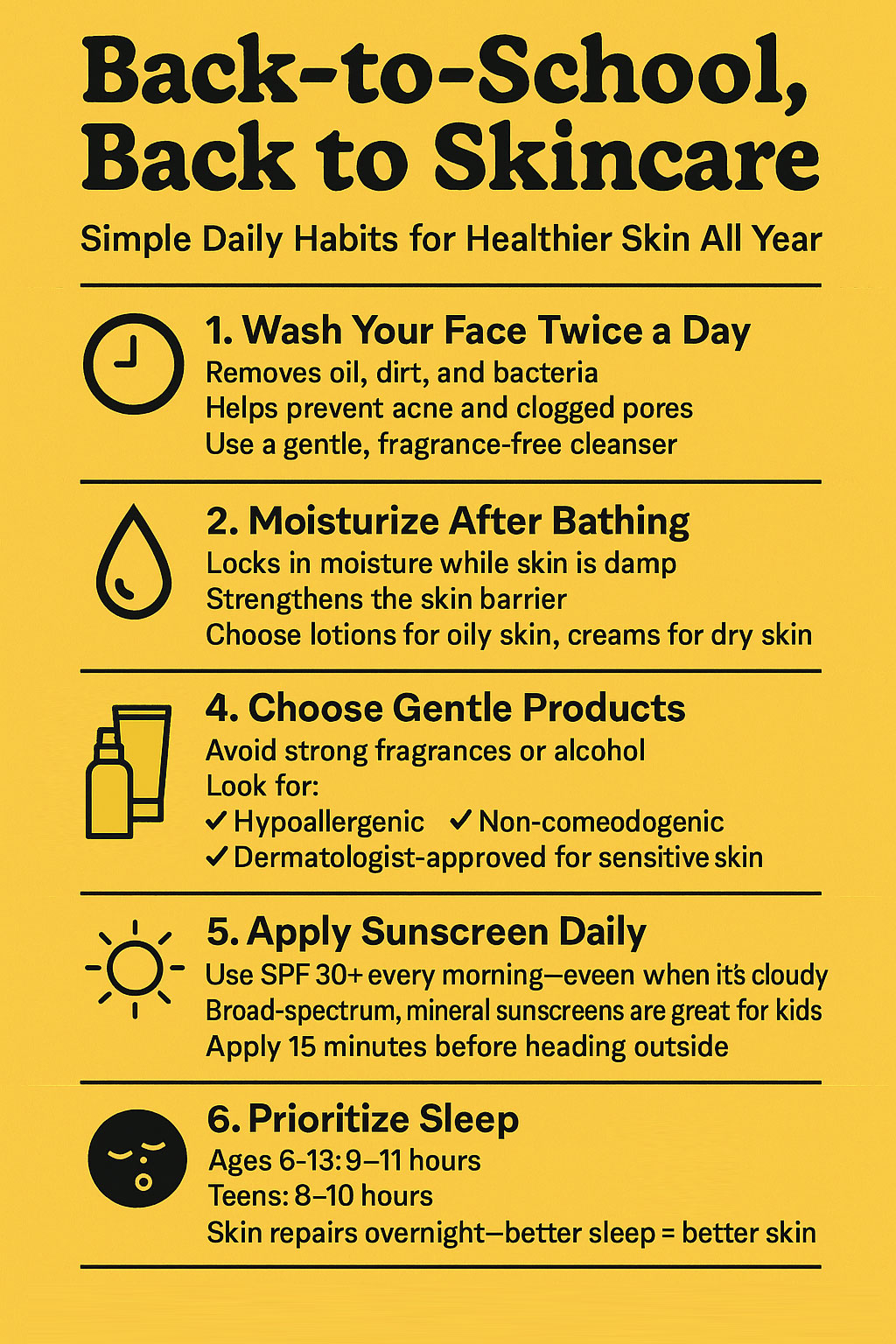
Choosing the right cleanser is key for sensitive skin care. The cleanser removes dirt, oil, and makeup without harming the skin. Sensitive skin needs gentle products that do not cause irritation or dryness. Picking the proper cleanser helps maintain the skin’s natural barrier and keeps it calm.
Ingredients To Avoid
Avoid harsh ingredients that can irritate sensitive skin. Look out for:
- Fragrances and perfumes
- Alcohol, especially denatured alcohol
- Sulfates like sodium lauryl sulfate
- Strong acids such as glycolic or salicylic acid
- Harsh exfoliants and scrubbing beads
These ingredients strip natural oils and cause redness or itching. A gentle formula with minimal additives works best.
Best Cleanser Types
Choose cleansers designed for sensitive skin. Good options include:
- Cream or lotion cleansers that hydrate as they clean
- Micellar water that gently lifts impurities without rubbing
- Oil-based cleansers that dissolve makeup softly
- Gel cleansers with soothing ingredients like aloe vera
Look for labels saying “fragrance-free,” “hypoallergenic,” or “for sensitive skin.” These types keep your skin calm and clean.
Moisturizing Without Irritation
Moisturizing is crucial for sensitive skin, but it often feels like walking a tightrope. You want to hydrate without triggering redness, itching, or breakouts. Finding the right balance means choosing ingredients and techniques that soothe rather than irritate.
Hydrating Ingredients
Look for moisturizers with gentle, hydrating ingredients that calm your skin. Ingredients like:
- Aloe vera– soothes inflammation and cools irritation
- Glycerin– draws moisture into the skin without clogging pores
- Hyaluronic acid– holds water in your skin, keeping it plump and soft
- Oat extract– reduces redness and strengthens the skin barrier
- Ceramides– restore the skin’s protective barrier, locking in moisture
Avoid fragrances and alcohol, as they often cause irritation. I once switched to a fragrance-free moisturizer with ceramides and noticed my skin stopped reacting after just a week.
How To Apply Moisturizer
Applying moisturizer the right way matters just as much as the product itself. Use clean hands and apply the moisturizer while your skin is still slightly damp to lock in hydration.
Gently pat or press the product into your skin instead of rubbing. This reduces irritation and helps the moisturizer absorb better.
Ask yourself: Are you applying too much or too little? A pea-sized amount for your face is usually enough. Overloading your skin can cause congestion, while too little won’t provide enough hydration.
Sun Protection For Sensitive Skin
Protecting sensitive skin from the sun is not just about avoiding burns; it’s about preventing irritation and long-term damage. Choosing the right sunscreen can make a huge difference in how your skin feels and reacts. Understanding your options and applying sunscreen correctly helps you stay safe without discomfort or breakouts.
Physical Vs Chemical Sunscreens
Physical sunscreens use ingredients like zinc oxide and titanium dioxide. They sit on top of your skin and reflect UV rays away. These are often better for sensitive skin because they don’t penetrate deeply or cause irritation.
Chemical sunscreens absorb UV rays and convert them into heat. Ingredients like oxybenzone or avobenzone do this job. However, they can sometimes trigger redness or stinging in sensitive skin types.
Have you noticed your skin feeling itchy or burning after sunscreen? That’s a clue your skin might prefer physical blockers. Many people with sensitive skin find physical sunscreens gentler and less likely to cause flare-ups.
Application Tips
- Apply sunscreen 15 minutes before going outside.This gives it time to form a protective barrier.
- Use enough product.Most adults need about one teaspoon per body part (face, arms, legs) to be fully protected.
- Reapply every two hours.If you’re sweating or swimming, reapply more often to maintain protection.
- Test a small patch first.Apply sunscreen to a small area to check for any adverse reactions before full use.
- Choose fragrance-free formulas.Fragrances often irritate sensitive skin and can cause breakouts or redness.
Have you ever skipped reapplying sunscreen and regretted it later? It’s easy to forget, but missing even one application can leave your skin vulnerable. Think of sunscreen as a shield that needs constant upkeep for sensitive skin to stay calm and protected.
Incorporating Serums And Treatments
Incorporating serums and treatments into a skincare routine for sensitive skin can enhance skin health without causing irritation. These products deliver concentrated ingredients that target specific concerns like redness, dryness, or inflammation. Choosing the right serums and using them correctly supports the skin’s barrier and soothes sensitivity.
Soothing Ingredients
Serums for sensitive skin should contain gentle, calming ingredients. Look for:
- Chamomile – reduces redness and soothes irritation
- Aloe vera – hydrates and calms inflammation
- Niacinamide – strengthens the skin barrier and evens tone
- Hyaluronic acid – provides deep hydration without heaviness
- Green tea extract – offers antioxidant protection and reduces swelling
Avoid harsh chemicals, fragrances, and alcohol that can trigger sensitivity.
When To Use Serums
Apply serums after cleansing and toning but before moisturizing. This order allows active ingredients to absorb better. Use serums once or twice daily depending on skin tolerance. Start with a small amount to test for any reactions. If irritation occurs, reduce frequency or stop use. Consistency over time helps improve skin health gently and effectively.
Credit: dermatologyofct.com
Lifestyle Tips For Healthy Skin
Maintaining healthy skin goes beyond the products you apply—it’s about how you live every day. Your lifestyle choices can either soothe sensitive skin or trigger irritation. Small changes in your daily habits can make a big difference in your skin’s health and comfort.
Diet And Hydration
What you eat directly affects your skin’s condition. Foods rich in antioxidants like berries, leafy greens, and nuts help protect your skin from damage.
Hydration is just as important. Drinking enough water keeps your skin plump and reduces dryness, which often triggers sensitivity.
Try to avoid processed foods and excessive sugar, as they can cause inflammation and worsen skin problems. Have you noticed your skin reacting after certain meals? Keeping a food diary might reveal surprising connections.
Stress Management
Stress can cause your skin to flare up, making sensitivity worse. Finding ways to manage stress isn’t just good for your mind—it’s essential for your skin too.
Simple practices like deep breathing, walking in nature, or even short meditation sessions can calm your nervous system. When I started taking just five minutes daily to breathe deeply, my skin redness noticeably decreased.
Ask yourself: How often do you pause and check in with your stress levels? Addressing stress early can prevent it from showing up on your skin in uncomfortable ways.
Avoiding Common Mistakes
Avoiding common mistakes plays a key role in caring for sensitive skin. Small errors can cause redness, irritation, or dryness. Knowing what to avoid helps keep skin calm and healthy. Sensitive skin needs gentle care and attention to product choices. Understanding typical mistakes helps protect your skin and improve your routine.
Over-exfoliation
Exfoliating too often can damage sensitive skin. It removes natural oils that protect the skin barrier. This leads to dryness and redness. Limit exfoliation to once or twice a week. Use gentle exfoliants with mild ingredients. Avoid scrubs with large, rough particles that can cause tiny tears.
Using Harsh Products
Harsh products strip away moisture and irritate sensitive skin. Ingredients like alcohol, fragrances, and strong acids cause redness and burning. Choose products labeled for sensitive skin or free from irritants. Look for soothing ingredients like aloe vera and chamomile. Always patch test new products on a small skin area first.

Credit: www.eraorganics.com
Frequently Asked Questions
What Is The Best Cleanser For Sensitive Skin?
The best cleanser for sensitive skin is gentle, fragrance-free, and hydrating. Look for products with soothing ingredients like aloe vera or chamomile. Avoid harsh chemicals and exfoliants that can cause irritation.
How Often Should I Moisturize Sensitive Skin Daily?
Moisturize sensitive skin twice daily, once in the morning and once before bed. Use a lightweight, hypoallergenic moisturizer to keep your skin hydrated without clogging pores or causing irritation.
Can Sensitive Skin Tolerate Exfoliation?
Yes, but exfoliate gently and infrequently. Use mild chemical exfoliants like lactic acid or enzyme-based products once or twice a week. Avoid physical scrubs that can damage sensitive skin and cause redness or inflammation.
Which Ingredients Should I Avoid For Sensitive Skin?
Avoid fragrances, alcohol, sulfates, and harsh preservatives. These ingredients often cause redness, dryness, or irritation. Opt for products labeled hypoallergenic, non-comedogenic, and free from parabens or artificial dyes.
Conclusion
Caring for sensitive skin needs patience and gentle steps. Choose products with simple, natural ingredients. Avoid harsh chemicals that can cause irritation. Always test new products on a small skin patch first. Keep your routine consistent for the best results.
Protect your skin from sun and pollution daily. Listen to your skin’s needs and adjust as you go. Healthy skin feels soft, calm, and comfortable. Small changes lead to big improvements over time. Your skin will thank you for the care you give.
