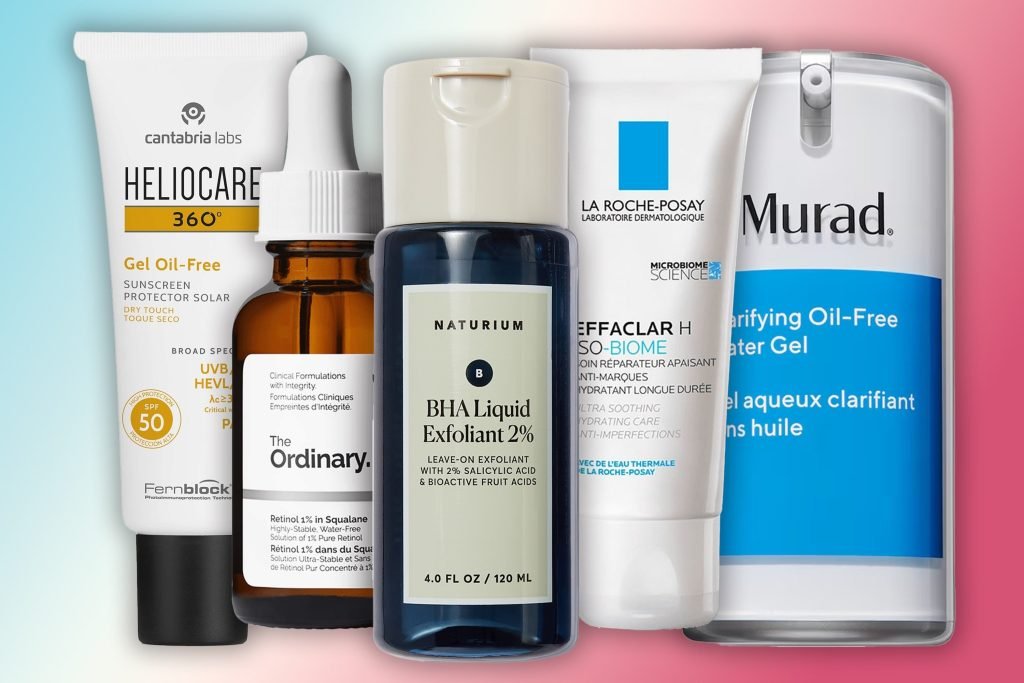
Are you tired of dealing with sensitive, acne-prone skin that seems to react to everything? You’re not alone.
Finding the right skincare routine can feel like an endless battle, especially when your skin flares up at the slightest provocation. Imagine finally having a calm, clear complexion that feels comfortable and looks radiant. It’s possible with the right steps tailored just for your sensitive, acne-prone skin.
In this guide, you’ll discover simple yet effective strategies that are gentle on your skin but tough on acne. Picture yourself confidently facing each day with skin that doesn’t just look good but feels good too. Ready to transform your skincare routine and find relief? Let’s dive in and explore how you can achieve the healthy, glowing skin you deserve.
Credit: www.womanandhome.com
Choosing The Right Cleanser
Choosing the right cleanser is key for sensitive, acne-prone skin. The cleanser you pick sets the tone for your entire skincare routine. It should clean without stripping natural oils or causing irritation. Finding a balance between gentle care and effective cleansing is crucial.
Gentle Ingredients To Look For
Opt for cleansers with soothing and mild ingredients. These help calm the skin and reduce redness.
- Aloe vera: Hydrates and soothes irritation.
- Chamomile: Reduces inflammation and redness.
- Glycerin: Attracts moisture without clogging pores.
- Ceramides: Strengthen the skin’s natural barrier.
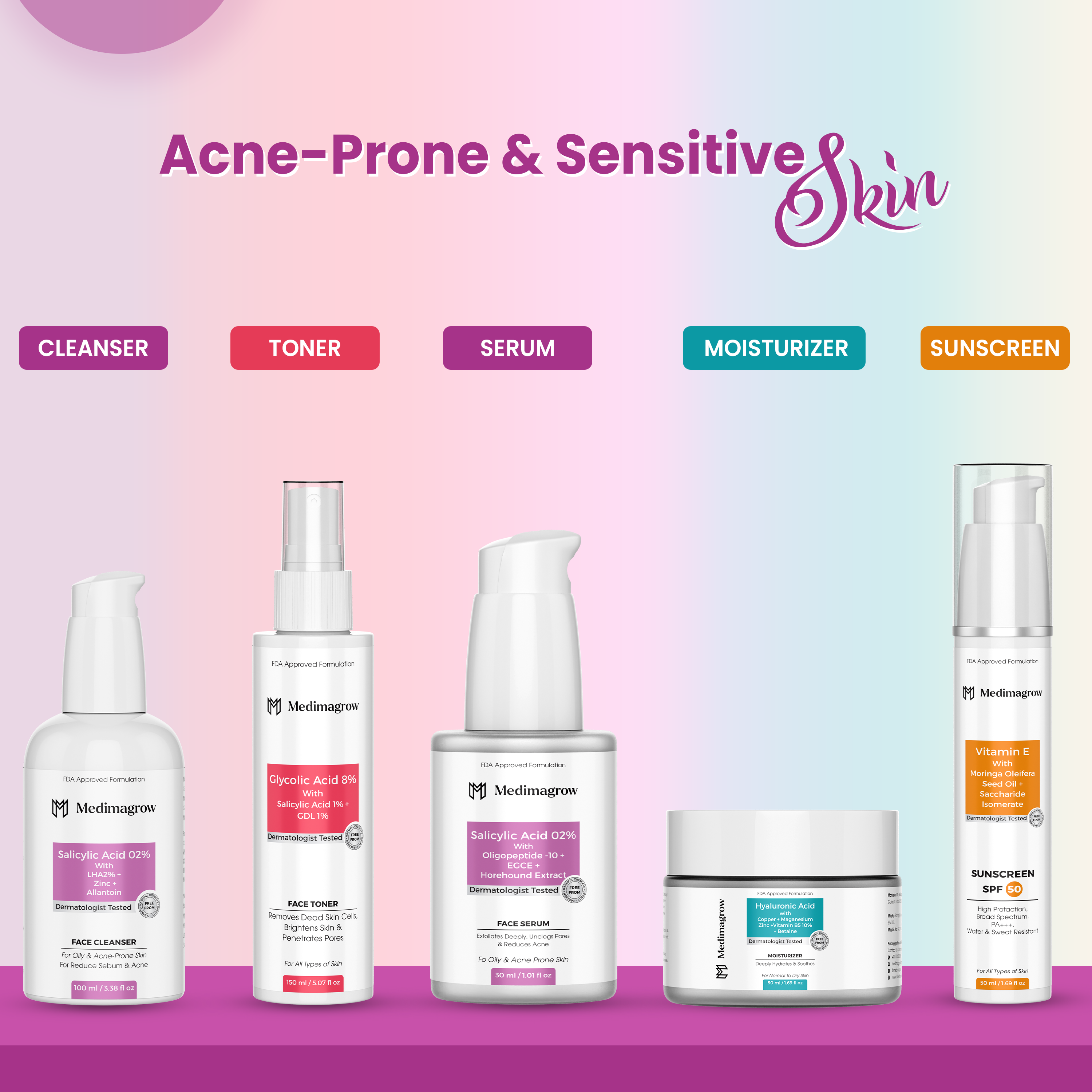
- Salicylic acid (low concentration): Helps clear pores gently.
These ingredients clean while protecting sensitive skin from damage.
Avoiding Harsh Chemicals
Harsh chemicals can worsen acne and irritate sensitive skin. Stay away from:
- Alcohol: Dries out and irritates skin.
- Sulfates (SLS, SLES): Strip natural oils and cause redness.
- Fragrances and dyes: Trigger allergic reactions and sensitivity.
- Strong acids or exfoliants: Can damage skin barrier.
Choose products labeled “fragrance-free” and “for sensitive skin.”
How Often To Cleanse
Cleansing twice a day is ideal for sensitive, acne-prone skin. Once in the morning and once at night.
Over-cleansing can dry out skin and increase irritation. Use lukewarm water to avoid stripping oils.
Be gentle. Avoid scrubbing. Pat skin dry with a soft towel.
Moisturizing Without Clogging Pores
Moisturizing is a must, even for sensitive acne-prone skin. The challenge? Finding a moisturizer that hydrates without clogging pores or triggering breakouts. Striking this balance keeps your skin calm, nourished, and clear—making your routine more effective and comfortable.
Lightweight Formulas For Sensitive Skin
Heavy creams can feel suffocating and worsen acne. Lightweight moisturizers, like gels or lotions, absorb quickly and leave no greasy residue. You might find products labeled as “oil-free” or “water-based” especially gentle on your skin.
Think about how your skin feels an hour after application. Does it still feel fresh or weighed down? That’s a simple test to find your ideal formula.
Non-comedogenic Moisturizers
Non-comedogenic means the moisturizer won’t block your pores. Look for this label to avoid hidden pore-cloggers. Ingredients like mineral oil or heavy silicones can sneak into formulas and cause breakouts, so steer clear.
- Check product labels carefully.
- Opt for brands known for acne-safe products.
- Patch test new moisturizers before full use.
Have you ever tried a moisturizer that made your skin worse? That’s often because it wasn’t truly non-comedogenic. Learning to read ingredient lists helps you avoid those mistakes.
Hydrating Ingredients That Soothe
Sensitive, acne-prone skin needs hydration without irritation. Ingredients like hyaluronic acid, glycerin, and aloe vera hydrate while calming redness. These help repair your skin barrier without adding oiliness.
Notice how your skin reacts when you switch to moisturizers with soothing ingredients? Many find less irritation and fewer breakouts. These simple swaps can transform your skincare experience.
Sun Protection Tips
Protecting your sensitive, acne-prone skin from the sun is more important than you might think. Sun exposure can worsen inflammation and cause redness, making acne scars more visible. Choosing the right sunscreen and applying it correctly can help keep your skin calm and clear.
Selecting Sensitive Skin-friendly Sunscreens
Look for sunscreens labeled “for sensitive skin” or “non-comedogenic.” These products are less likely to clog pores or cause irritation. Avoid fragrances, alcohol, and harsh chemicals, as they can trigger breakouts or redness.
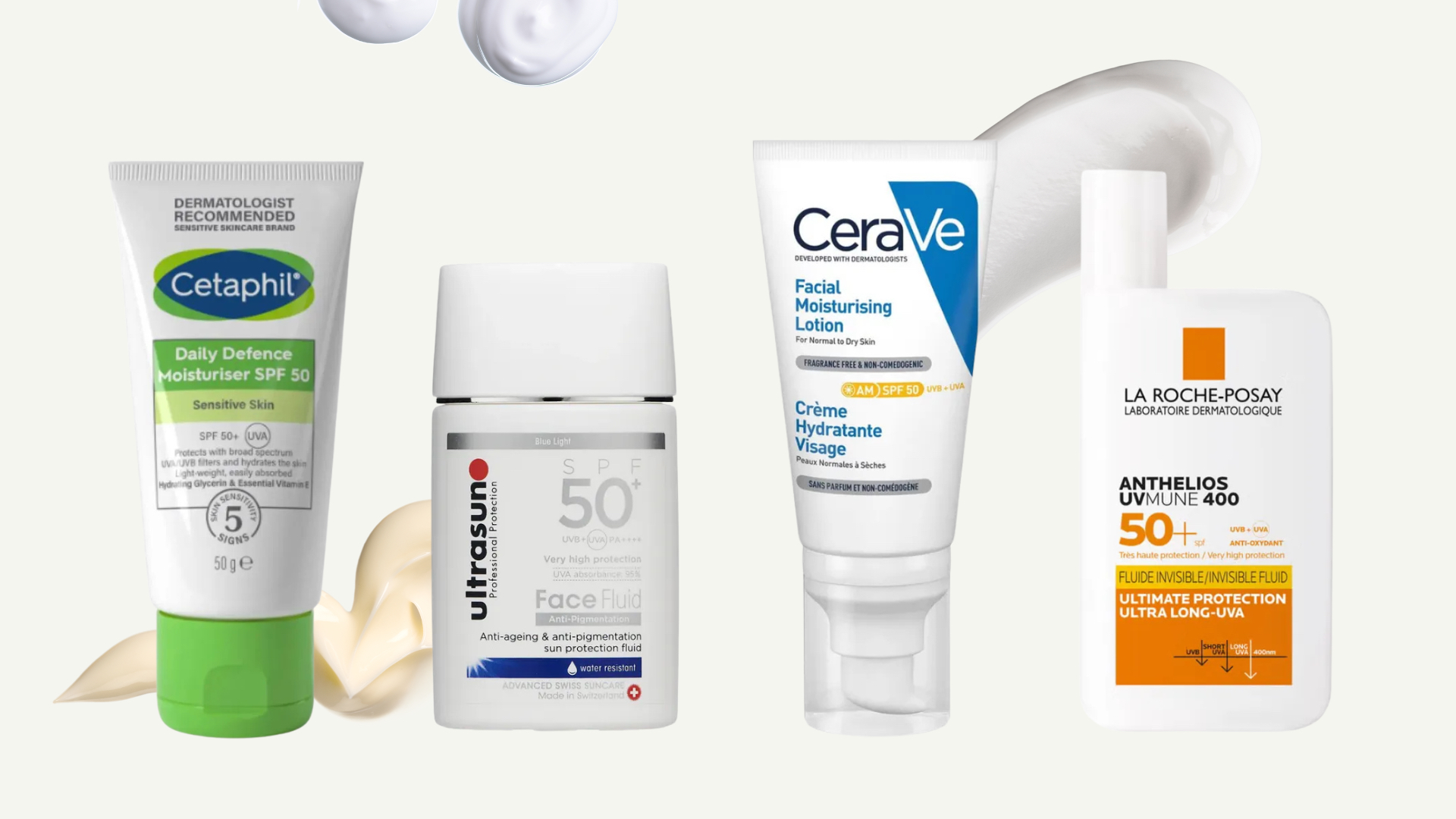
Mineral-based sunscreens often work well because they sit on top of the skin and provide a gentle barrier. Brands with zinc oxide or titanium dioxide are typically safer choices. Have you ever noticed a sunscreen making your skin feel tight or itchy? That’s a sign to switch to a gentler formula.
Physical Vs Chemical Sunscreens
Physical sunscreens use mineral ingredients to block UV rays, while chemical ones absorb them. Sensitive skin often reacts better to physical sunscreens because they are less likely to cause irritation.
Chemical sunscreens can sometimes cause stinging or breakouts, especially if your skin is already inflamed. If you prefer chemical options, test a small patch first to see how your skin reacts. Would you rather have a sunscreen that feels lighter or one that’s more soothing? Your answer can guide your choice.
Proper Application Techniques
Apply sunscreen generously—about a teaspoon for your face alone. Don’t forget areas like your neck, ears, and hairline, which also get sun exposure. Reapply every two hours, especially if you sweat or swim.
Use gentle, patting motions instead of rubbing to avoid irritating your skin. Let the sunscreen absorb fully before applying makeup or other products. Does your sunscreen leave a white cast? Choosing tinted mineral sunscreens can help blend better with your skin tone.
Targeted Acne Treatments
Targeted acne treatments play a crucial role in managing sensitive, acne-prone skin. They work by addressing breakouts directly without causing irritation or dryness. Choosing the right treatments can make a significant difference in calming your skin while effectively fighting acne.
Gentle Ingredients To Combat Acne
Look for acne-fighting ingredients that are gentle on your skin. Ingredients like niacinamide, azelaic acid, and sulfur reduce inflammation and kill acne-causing bacteria without harsh side effects.
Salicylic acid can be effective but use it in low concentrations to avoid irritation. These ingredients help clear pores and soothe redness, making them ideal for sensitive skin.
Spot Treatment Strategies
Applying treatments only to affected areas prevents unnecessary dryness on the rest of your skin. Use a small amount of product directly on pimples rather than slathering it all over your face.
Try layering a calming serum before applying spot treatments to reduce irritation. Have you noticed how targeted care can speed up healing without overwhelming your skin?
Avoiding Over-drying Products
Many acne treatments strip away natural oils, causing your skin to overproduce oil and worsen breakouts. Avoid products with high alcohol content or strong astringents.
Moisturize with non-comedogenic, fragrance-free creams to maintain your skin’s barrier. Keeping your skin balanced will help acne treatments work better and keep sensitivity in check.
Incorporating Exfoliation Carefully
Exfoliation can be a game-changer for sensitive acne-prone skin, but it needs to be done with care. The goal is to remove dead skin cells without irritating or damaging your skin barrier. Understanding how to exfoliate gently can help you avoid flare-ups and keep your skin calm and clear.
Choosing Mild Exfoliants
Opt for gentle exfoliants that don’t strip your skin. Products with ingredients like lactic acid or polyhydroxy acids (PHAs) are usually kinder than harsh scrubs. Avoid physical exfoliants with rough particles, which can cause micro-tears and worsen acne.
Have you noticed your skin getting red or itchy after exfoliating? That’s often a sign you need a softer option. Start with low concentrations and test on a small patch before applying all over your face.
Frequency And Timing
How often you exfoliate matters a lot. For sensitive acne-prone skin, once or twice a week is typically enough. Too much exfoliation can disrupt your skin’s natural balance and lead to more breakouts.
Try exfoliating in the evening to give your skin time to recover overnight. Avoid layering exfoliants with other strong active ingredients on the same day, as this can increase irritation.
Signs Of Over-exfoliation
It’s easy to overdo exfoliation without realizing it. Watch for persistent redness, dryness, or increased sensitivity as warning signs. If your skin feels tight or looks flaky, it’s time to cut back.
Notice an increase in acne or stinging sensations? These can mean your skin barrier is compromised. Pause exfoliation and focus on soothing, hydrating products until your skin calms down.
Credit: medimagrow.com
Lifestyle Factors Affecting Skin
Understanding how your lifestyle impacts sensitive, acne-prone skin is key to seeing real improvements. The choices you make every day—what you eat, how you handle stress, and the quality of your sleep—play a huge role in how your skin behaves. Addressing these factors can reduce flare-ups and boost your skin’s natural resilience.
Diet And Hydration
Your skin reacts directly to what you put into your body. Foods high in sugar and dairy often worsen acne for many people. Try adding more fruits, vegetables, and whole grains that provide essential vitamins and antioxidants.
Don’t forget about water. Staying hydrated helps flush out toxins and keeps your skin soft and clear. I noticed fewer breakouts when I started drinking at least eight glasses of water daily—simple but powerful.
Stress Management
Stress can trigger hormone imbalances that lead to acne flare-ups. Have you noticed your skin breaking out before big deadlines or stressful events? Finding ways to relax—like meditation, gentle exercise, or even a short walk—can calm your mind and your skin.
Try setting aside just 10 minutes a day to focus on deep breathing or mindfulness. These small moments can reduce stress hormones that inflame sensitive skin.
Sleep And Skin Health
Sleep isn’t just about rest; it’s when your skin repairs itself. Poor sleep can increase inflammation and make acne worse. Aim for 7-9 hours of quality sleep each night to help your skin recover and stay balanced.
Creating a bedtime routine that avoids screens and bright lights can improve your sleep quality. Have you considered how your nightly habits might be affecting your skin’s healing process?
Patch Testing New Products
Trying new skincare products can feel exciting, especially when you’re battling sensitive, acne-prone skin. But adding something new without testing it first can lead to unwanted breakouts or irritation. That’s why patch testing is a smart step to protect your skin and save you from potential frustration.
How To Perform A Patch Test
Start by choosing a small, discreet area of your skin, like behind your ear or on your inner forearm. Apply a small amount of the new product there and leave it on for 24 to 48 hours. Avoid washing the area during this time to get accurate results.
Watch closely for any signs of redness, itching, swelling, or irritation. If none appear, the product is likely safe to use on your face. This simple step can prevent a lot of discomfort later.
Interpreting Reactions
Not all reactions are equal. Mild redness or slight tingling may pass quickly, but persistent burning, swelling, or hives indicate a stronger reaction. If you notice any of these, stop using the product immediately.
Remember, even natural or “gentle” products can cause a reaction if your skin is sensitive. Pay attention to how your skin responds within the testing window. This can save you days of dealing with irritated skin.
When To Consult A Dermatologist
If your patch test reveals a severe reaction, or if you’re unsure about a product’s ingredients, it’s time to seek expert advice. A dermatologist can help identify allergens or irritants that might be hidden in your skincare.
Also, if you experience frequent breakouts or reactions despite patch testing, professional guidance can customize your routine safely. Your skin deserves care that’s both effective and gentle.
Credit: www.laroche-posay.us
Frequently Asked Questions
What Is The Best Cleanser For Sensitive Acne-prone Skin?
A gentle, fragrance-free cleanser with salicylic acid works best. It removes dirt without irritating skin or causing dryness.
How Often Should I Exfoliate Sensitive Acne-prone Skin?
Exfoliate 1-2 times weekly using a mild chemical exfoliant. Avoid harsh scrubs to prevent redness and irritation.
Can I Use Moisturizer If I Have Acne-prone Sensitive Skin?
Yes, choose a non-comedogenic, lightweight moisturizer. It hydrates skin without clogging pores or triggering acne.
Which Ingredients Should I Avoid In Sensitive Acne Skincare?
Avoid alcohol, fragrances, and harsh sulfates. These can irritate sensitive skin and worsen acne symptoms.
Conclusion
Caring for sensitive, acne-prone skin needs patience and care. Choose gentle products that calm and clean your skin. Avoid harsh scrubs or strong chemicals that cause irritation. Keep your routine simple and consistent every day. Watch how your skin reacts and adjust as needed.
Healthy skin takes time but is worth the effort. Small steps lead to clearer, calmer skin over time. Stay kind to your skin and trust the process.
