
Do you notice tiny, grayish dots on your nose or cheeks that just won’t go away? Those are sebaceous filaments, and they can make your skin look dull and uneven.
The good news is, you don’t have to live with them. With the right skincare routine, you can reduce their appearance and reveal smoother, clearer skin. Keep reading to discover simple, effective steps you can start today to take control of your skin and boost your confidence.
Your journey to healthier skin begins here.
Credit: www.lemon8-app.com
What Are Sebaceous Filaments
Sebaceous filaments are tiny natural structures found in the skin. They line the inside of pores and help move oil from oil glands to the skin surface. These filaments keep the skin lubricated and healthy. Unlike blemishes, sebaceous filaments are a normal part of skin anatomy.
They often appear as small, grayish or yellowish dots on the skin. Many people mistake them for blackheads, but they serve a different purpose. Understanding sebaceous filaments helps in managing skin care better.
How They Differ From Blackheads
Sebaceous filaments and blackheads look similar but are not the same. Blackheads are a type of acne caused by clogged pores filled with dead skin cells and oil. They have a dark tip due to oxidation when exposed to air.
Sebaceous filaments are not clogged pores. They are thin, tube-like structures filled with sebum and skin cells. They appear smaller and lighter than blackheads and do not cause inflammation or infection.
Common Areas Affected
Sebaceous filaments appear mostly in areas with many oil glands. The nose is the most common spot. They also show up on the chin, forehead, and cheeks.
These areas have larger pores to release more oil. It is normal to see sebaceous filaments in these places, especially in people with oily skin.
Causes Of Sebaceous Filaments
Sebaceous filaments are tiny, naturally occurring structures in skin pores. They help channel oil to the skin surface. Sometimes, they become more visible, causing concern. Understanding their causes helps manage their appearance effectively.
Excess Oil Production
The skin produces oil through sebaceous glands. Overactive glands create more oil than needed. This excess oil fills pores, making filaments stand out. Oily skin types often show more sebaceous filaments. Hormonal changes can also increase oil production.
Skin Type Influence
Skin type plays a key role in sebaceous filament visibility. Oily and combination skin types have larger pores. Larger pores collect more oil and dead skin cells. Dry skin may show fewer filaments but can still have them. Genetics also affect how visible filaments appear.
Environmental Factors
External conditions impact sebaceous filaments too. Pollution and dirt clog pores quickly. Hot and humid weather increases oil production. Harsh skincare products can irritate skin, worsening filament appearance. Proper cleansing helps reduce environmental effects.
Daily Cleansing Tips
Daily cleansing is the foundation of managing sebaceous filaments effectively. It helps control excess oil and prevents pores from becoming clogged, which reduces the visibility of these tiny, naturally occurring skin features. You might wonder why some cleansers work better than others or why the way you wash your face matters just as much as the product you use.
Choosing The Right Cleanser
Pick a gentle cleanser that balances oil without stripping your skin. Look for products labeled as non-comedogenic and oil-free, designed specifically for oily or combination skin types. Ingredients like salicylic acid can help dissolve excess oil inside pores, making them ideal for sebaceous filaments.
Be cautious with harsh scrubs or strong soaps—they can irritate your skin and increase oil production. Instead, a foaming or gel-based cleanser often works well to remove dirt and oil effectively. Have you checked your cleanser’s ingredient list lately? It might reveal if it’s truly suited for your skin needs.
Proper Washing Techniques
Use lukewarm water to open your pores without causing irritation. Avoid hot water as it can dry out your skin and trigger more oil production. Gently massage the cleanser in circular motions for about 30 seconds to lift dirt and oil.
Rinse thoroughly, making sure no residue is left behind, as leftover product can worsen clogged pores. Pat your face dry with a soft towel—rubbing can cause redness and inflammation. How often do you think about your washing technique? Small changes here can make a big difference in your skin’s clarity.
Exfoliation For Clearer Skin
Exfoliation plays a key role in managing sebaceous filaments and achieving clearer skin. These tiny, naturally occurring structures can become more visible when dead skin cells accumulate, trapping oil and debris. Regular exfoliation helps remove that buildup, allowing your pores to breathe and your skin to look smoother.
But how do you choose the right exfoliation method? Understanding the difference between chemical and physical exfoliants can help you find a routine that works without irritating your skin.
Chemical Vs Physical Exfoliants
Chemical exfoliants use acids or enzymes to dissolve dead skin cells gently. They penetrate deeper into pores, making them effective for unclogging sebaceous filaments. Ingredients like salicylic acid (BHA) are especially good because they are oil-soluble and can clean inside pores.
Physical exfoliants involve scrubbing the skin with tiny particles or tools. While they can provide immediate smoothness, they often cause micro-tears or irritation if used too roughly. If you have sensitive skin or active acne, physical exfoliation might worsen inflammation and make sebaceous filaments more noticeable.
Ask yourself: Does your skin tolerate scrubs well, or does it feel tight and irritated afterward? Your answer can guide you toward chemical exfoliants, which tend to be gentler and more effective for sebaceous filaments.
Recommended Ingredients
- Salicylic Acid (BHA):Penetrates oily pores to clear out excess sebum and dead skin cells.
- Glycolic Acid (AHA):Works on the surface to remove dead skin and improve texture, but less effective inside pores.
- Lactic Acid (AHA):Gentle on sensitive skin while promoting cell turnover.
- Enzymes (Papaya, Pineapple):Natural exfoliants that break down dead skin without scrubbing.
Using products with these ingredients two to three times a week can make a noticeable difference. Over-exfoliating may dry out your skin and increase oil production, so listen to your skin’s response carefully.
Have you tried switching to a chemical exfoliant and noticed your sebaceous filaments becoming less visible? Sometimes, changing one product can transform your skin’s appearance and feel.
Moisturizing Without Clogging Pores
Moisturizing is essential for healthy skin, even when dealing with sebaceous filaments. The key is to hydrate without causing more clogged pores. Choosing the right products and balancing moisture levels helps keep skin clear and smooth. Proper moisturizing supports skin’s natural barrier and reduces excess oil production.
Non-comedogenic Options
Non-comedogenic products do not block pores. They allow skin to breathe while providing moisture. Look for labels that say “non-comedogenic” or “won’t clog pores.” These products often use lighter oils and ingredients. Examples include:
- Hyaluronic acid
- Glycerin
- Dimethicone
- Squalane
These ingredients hydrate without adding extra oil. Avoid heavy creams or oils like coconut oil. These can trap dirt and clog pores.
Balancing Hydration
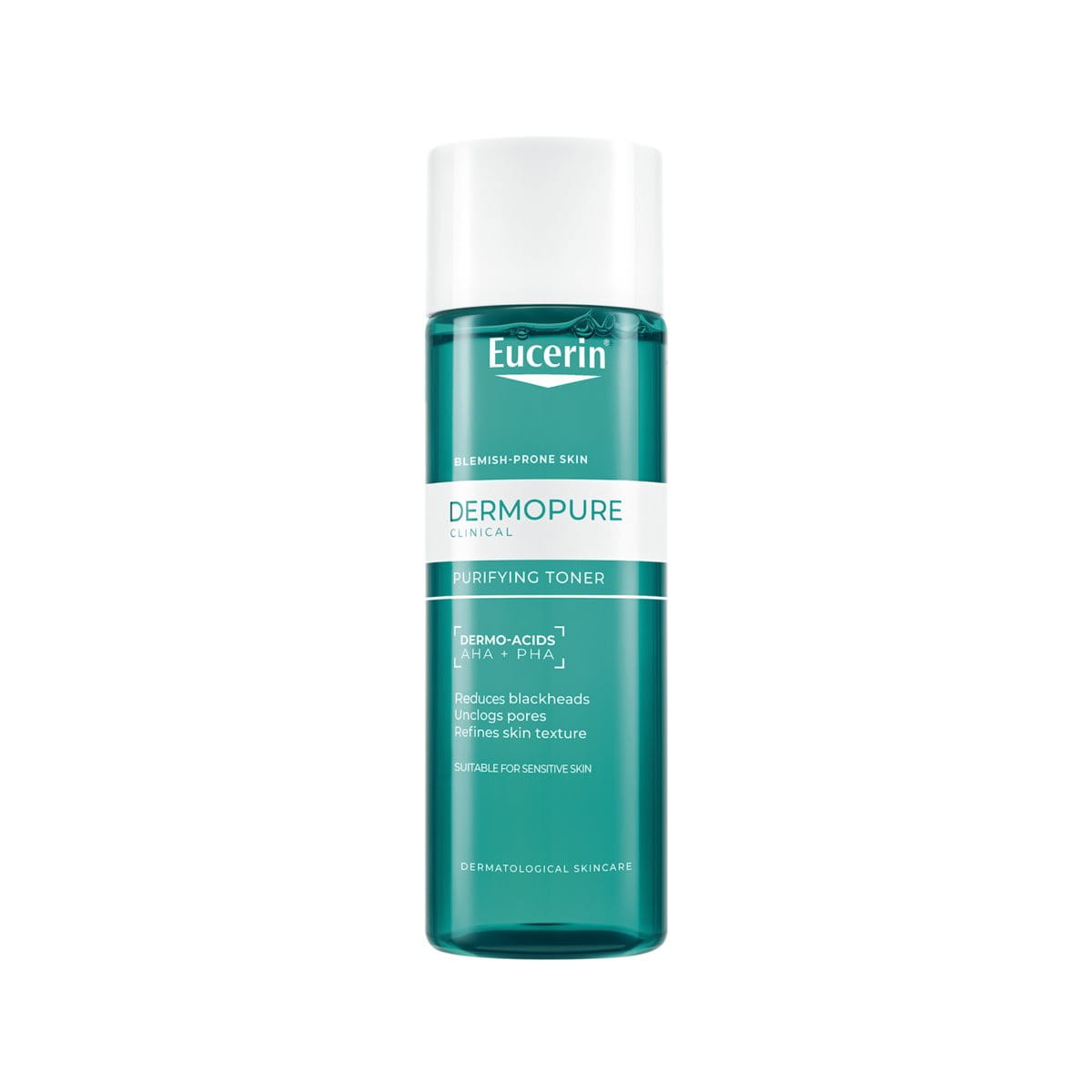
Hydration balance is crucial to avoid excess oil. Dry skin can cause more oil production. Use a lightweight moisturizer after cleansing. Apply just enough to keep skin soft and smooth. Over-moisturizing may lead to clogged pores and pimples.
Consider your skin type and environment. In humid areas, a gel-based moisturizer might work best. In dry climates, a slightly richer formula can help. Adjust your routine based on how your skin feels. Consistent care keeps sebaceous filaments less visible and skin healthier.
Credit: www.eucerin.co.uk
Targeted Treatments
Targeted treatments play a key role in managing sebaceous filaments. These treatments focus on controlling oil production and clearing clogged pores. Using the right products helps reduce the appearance of filaments and keeps skin smooth.
Retinoids Role
Retinoids speed up skin cell turnover. They help clear out dead cells that block pores. This process reduces the size of sebaceous filaments. Retinoids also regulate oil production, preventing pores from becoming clogged again.
Consistent use improves skin texture and clarity. Start with a low concentration to avoid irritation. Apply retinoids at night for best results. Use sunscreen daily, as retinoids increase sun sensitivity.
Clay Masks Benefits
Clay masks absorb excess oil from the skin’s surface. They help remove dirt and impurities from pores. This deep cleansing reduces the visibility of sebaceous filaments.
Clay masks also soothe inflammation and calm the skin. Use them once or twice a week. Choose masks with natural clays like kaolin or bentonite for gentle care.
Lifestyle Habits For Smooth Skin
Healthy lifestyle habits play a big role in keeping skin smooth and clear. They help reduce the appearance of sebaceous filaments and improve overall skin texture. Simple changes in daily routines can bring noticeable skin benefits.
Diet And Hydration
Eating a balanced diet supports skin health from the inside out. Focus on foods rich in vitamins and antioxidants.
- Include plenty of fruits and vegetables.
- Choose whole grains over processed carbs.
- Eat foods high in omega-3 fatty acids like fish and nuts.
Drink enough water to keep skin hydrated and flush out toxins. Aim for at least 8 glasses daily. Proper hydration helps reduce oiliness and keeps skin soft.
Avoiding Skin Irritants
Skin irritants can worsen sebaceous filaments and cause inflammation. Use gentle skincare products with minimal chemicals. Avoid harsh scrubs or strong fragrances that strip natural oils.
- Choose fragrance-free cleansers and moisturizers.
- Limit sun exposure and always use sunscreen.
- Wash your face twice daily with lukewarm water.
Wear breathable fabrics and avoid touching your face often. These habits protect skin’s natural barrier and reduce irritation.

Credit: natalieoneilll.com
When To See A Dermatologist
Knowing when to see a dermatologist for sebaceous filaments is important. Most sebaceous filaments are harmless and do not need medical treatment. Yet, certain signs suggest a professional check-up is wise.
Persistent Concerns
Sebaceous filaments that do not improve with good skincare may need expert advice. If they cause discomfort or look worse over time, consider a dermatologist visit. Changes in skin texture or color around the filaments also signal the need for help. Persistent oiliness and clogged pores can hide other skin issues. A professional can diagnose these correctly and suggest targeted care.
Professional Treatments
Dermatologists offer treatments that go beyond home care. They can perform deep cleansing procedures to clear pores. Prescription creams and gels may reduce oil production and filament buildup. Light therapies can also improve skin texture and appearance. These options provide faster and more effective results than over-the-counter products. Seeking professional treatment helps maintain healthy skin and prevents complications.
Frequently Asked Questions
What Are Sebaceous Filaments And How Do They Differ?
Sebaceous filaments are tiny, natural structures in pores. Unlike blackheads, they help channel oil to the skin surface. They appear as small, grayish dots, mostly on the nose and cheeks, and are normal, not acne.
How To Create An Effective Skincare Routine For Sebaceous Filaments?
Use gentle cleansing twice daily to remove excess oil. Incorporate exfoliation with salicylic acid to clear pores. Apply lightweight, non-comedogenic moisturizers. Avoid heavy creams that can clog pores. Consistency is key for visible improvement.
Can Exfoliation Reduce Sebaceous Filaments Permanently?
Exfoliation helps minimize the appearance by clearing dead skin cells. However, it cannot remove sebaceous filaments permanently, as they are natural. Regular exfoliation maintains pore cleanliness and reduces buildup, improving skin texture and look.
Which Ingredients Are Best For Managing Sebaceous Filaments?
Salicylic acid is excellent for deep pore cleansing. Niacinamide helps regulate oil production and soothe skin. Retinoids increase cell turnover and prevent clogging. Look for non-comedogenic, gentle formulas to avoid irritation.
Conclusion
Achieving clear skin with sebaceous filaments is possible. Stick to a routine. Use gentle cleansers and exfoliants. Avoid harsh products that irritate. Moisturize daily for balanced skin. Choose non-comedogenic products to prevent clogged pores. Stay consistent. Results take time, but patience pays off.
Drink plenty of water. Keep skin hydrated from within. Regularly check your skin’s needs and adjust accordingly. Everyone’s skin is unique. What works for one might not work for another. Listen to your skin. It knows best. Celebrate small improvements.
Your skin journey is personal. Embrace it with care and understanding.
