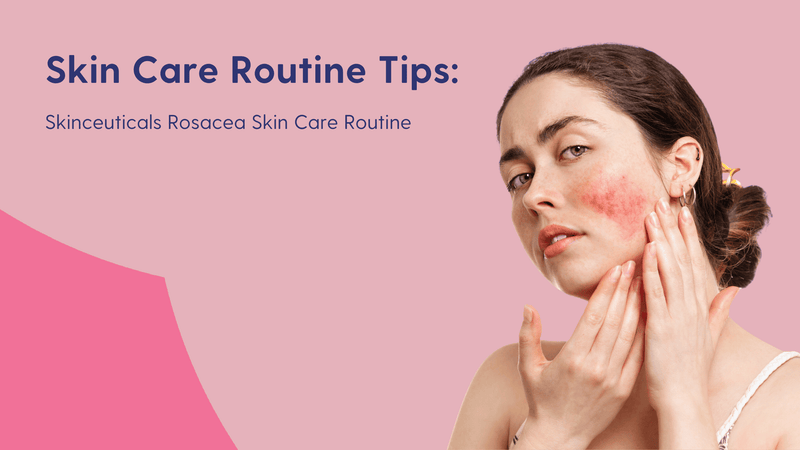
Struggling with rosacea can feel like an endless battle against redness, irritation, and discomfort. If you’re tired of trying countless products that promise relief but fall short, it’s time to discover a skincare routine tailored just for you.
Imagine waking up each morning to a complexion that feels calm, balanced, and confident. You deserve to feel good in your skin, and the right routine can make all the difference. You’ll uncover the secrets to a soothing and effective skincare regimen designed specifically for those with rosacea.
Get ready to transform your skin and reclaim your confidence. Your journey to a healthier, happier complexion starts here.
Recognizing Rosacea Symptoms
Recognizing rosacea symptoms early can make a huge difference in managing your skin’s health. Many people mistake rosacea for simple redness or sunburn, which delays proper care. Understanding the key signs and knowing what to avoid helps you take control and reduce flare-ups effectively.
Common Signs On Skin
Rosacea often starts with persistent redness, especially on the cheeks, nose, and forehead. You might notice small, visible blood vessels and tiny red bumps that can look like acne but don’t respond to typical treatments.
Some people experience a burning or stinging sensation, which can make skincare feel uncomfortable. Over time, the skin may thicken, especially around the nose, causing a swollen or bumpy appearance.
Have you ever felt your skin flush easily in situations where others don’t? That’s a key hint that rosacea could be at play.
Triggers To Watch For
Identifying your personal triggers can help you avoid flare-ups and keep your skin calm. Common triggers include:
- Hot drinks and spicy foods
- Exposure to sunlight or extreme temperatures
- Stress and intense exercise
- Alcohol consumption
- Certain skincare products containing alcohol or fragrances
Notice any patterns when your skin worsens? Tracking these triggers daily can provide valuable insight into what to skip or adjust.
Have you tried changing your diet or routine only to see little improvement? Sometimes, subtle environmental factors like wind or humidity play a bigger role than expected.
Choosing Gentle Cleansers
Choosing the right cleanser is key for managing rosacea. Gentle cleansers soothe the skin and reduce redness. They avoid harsh chemicals that can trigger flare-ups. The goal is to clean without stripping natural oils. This keeps skin calm and balanced.
Ingredients To Avoid
Avoid cleansers with irritating ingredients. Some common triggers include:
- Alcohol, which dries and irritates skin
- Fragrances, causing allergic reactions
- Sulfates, strong detergents that strip moisture
- Menthol or peppermint, which cause burning
- Exfoliating beads or rough particles
Check labels carefully. Look for products marked “for sensitive skin.” These usually avoid harsh chemicals.
Best Cleansing Practices
Use lukewarm water to rinse your face. Hot water can worsen rosacea symptoms.
Apply cleanser gently with fingertips. Avoid scrubbing or rough cloths.
Rinse thoroughly but softly. Pat skin dry with a clean towel.
Cleanse twice daily to remove dirt and oil. Over-washing can irritate the skin.
Choose creamy or lotion-based cleansers. They provide moisture while cleansing.
Moisturizing For Sensitive Skin
Moisturizing for sensitive skin affected by rosacea requires a gentle touch and careful choice of products. Your skin needs hydration without irritation, which means avoiding harsh chemicals and focusing on calming ingredients. Moisturizing correctly can reduce redness and improve your skin’s barrier, making it less reactive over time.
Hydrating Ingredients
Look for moisturizers with soothing and hydrating ingredients that support sensitive skin. Ingredients like ceramides help rebuild the skin’s protective barrier, while hyaluronic acid attracts moisture without feeling heavy. Aloe vera and oatmeal extract calm inflammation and reduce redness.
Try to avoid fragrances, alcohol, and harsh preservatives, as these can trigger flare-ups. Have you checked your product labels recently? Sometimes, the culprit is hidden in ingredients you didn’t expect.
Application Tips
Apply moisturizer on damp skin to lock in hydration effectively. Use gentle, upward strokes instead of rubbing vigorously. Your hands should be clean and warm to avoid shocking your skin.
Applying moisturizer twice daily, morning and night, helps maintain consistent hydration. If your skin feels tight or itchy, don’t hesitate to reapply a light layer. How often do you listen to your skin’s signals throughout the day?
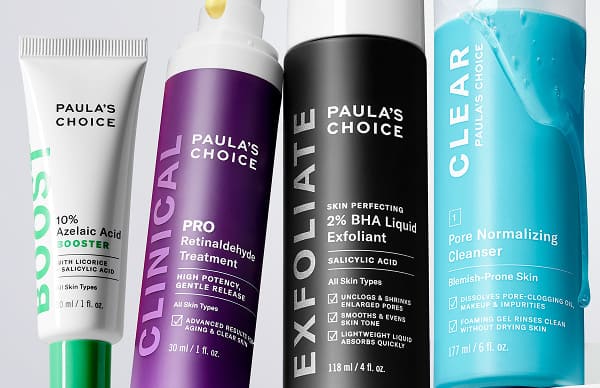
Credit: www.paulaschoice-eu.com
Sun Protection Essentials
Sun protection is a crucial part of managing rosacea. The right products and habits can prevent flare-ups and keep your skin calm. Without proper care, UV exposure can worsen redness and irritation, making it harder to control your symptoms.
Selecting Suitable Sunscreens
Not all sunscreens are created equal, especially for rosacea-prone skin. Look for mineral-based formulas with zinc oxide or titanium dioxide—they sit on top of the skin and reflect UV rays without causing irritation.
Avoid sunscreens with fragrances, alcohol, or harsh chemicals. These ingredients can trigger redness and discomfort. Choose products labeled “for sensitive skin” or “hypoallergenic” to reduce the risk of flare-ups.
Have you ever noticed how some sunscreens leave your skin feeling greasy or clogged? Opt for lightweight, non-comedogenic options that absorb quickly and won’t block your pores.
Daily Sun Care Routine
Applying sunscreen should be as routine as brushing your teeth. Make it the last step in your morning skincare to lock in moisture and protect your skin all day.
Reapply every two hours if you spend time outdoors, and more often if you sweat or swim. Wearing a wide-brimmed hat and seeking shade during peak sun hours adds extra defense.
Remember, sun protection isn’t just for summer. UV rays can affect your skin year-round. How often do you think about your skin’s needs during cloudy or cold days?
Soothing Treatments And Serums
Soothing treatments and serums play a crucial role in managing rosacea. They help reduce redness, calm irritation, and strengthen your skin’s barrier. Choosing the right products can transform your daily routine and improve how your skin feels and looks.
Anti-inflammatory Options
Look for serums and treatments specifically designed to reduce inflammation. Ingredients like niacinamide and azelaic acid are known to calm redness and prevent flare-ups. I once switched to a niacinamide serum, and the difference in my skin’s calmness was noticeable within a week.
Other anti-inflammatory options include:
- Green tea extract – helps soothe irritated skin.
- Licorice root – reduces redness and evens skin tone.
- Colloidal oatmeal – provides gentle relief for inflamed skin.
Have you noticed if your skin reacts better to certain anti-inflammatory ingredients? Tracking this can help you find what suits your rosacea best.
Calming Ingredients To Look For
Serums with calming ingredients can provide instant relief and long-term benefits. Look for products containing allantoin, which promotes healing and softness. Chamomile extract is another favorite for its calming properties.
Other calming ingredients include:
- Cucumber extract – hydrates and cools sensitive skin.
- Panthenol (Vitamin B5) – supports skin repair and reduces dryness.
- Madecassoside – derived from centella asiatica, it helps reduce redness and strengthens the skin barrier.
Have you tried combining these soothing ingredients in your routine? Layering the right serums can amplify their calming effects without overwhelming your skin.

Credit: www.pennsmithskincare.com
Lifestyle Adjustments To Reduce Flare-ups
Managing rosacea flare-ups involves more than just skincare products. Simple lifestyle changes can help calm your skin and reduce redness. These adjustments focus on what you eat and how you handle stress daily. Small steps in these areas can lead to noticeable improvements in your skin’s health and comfort.
Dietary Considerations
Some foods can trigger rosacea flare-ups. Avoid spicy dishes, hot drinks, and alcohol. These often cause redness and irritation. Eat fresh fruits and vegetables rich in antioxidants. Healthy fats like those in fish and nuts support skin health. Drink plenty of water to keep your skin hydrated.
- Limit caffeine and hot beverages.
- Choose whole grains over processed foods.
- Incorporate anti-inflammatory foods like leafy greens.
- Avoid foods high in histamines, such as aged cheese and fermented products.
Stress Management Techniques
Stress can worsen rosacea symptoms. Finding ways to relax helps lower flare-ups. Try deep breathing exercises to calm your mind. Gentle yoga or stretching can relieve tension. Regular physical activity boosts mood and skin health. Ensure you get enough sleep to help your skin repair overnight.
- Practice mindfulness or meditation daily.
- Take short breaks during work to breathe deeply.
- Engage in hobbies that make you happy.
- Maintain a consistent sleep schedule.
When To Consult A Dermatologist
Knowing when to consult a dermatologist is crucial for managing rosacea effectively. Many people try over-the-counter products and home remedies, but sometimes professional advice is necessary to prevent worsening symptoms. If your skin feels out of control or you’re unsure about your condition, it’s time to seek expert help.
Signs Of Severe Rosacea
Severe rosacea can show up in ways that go beyond simple redness or occasional flushing. Watch out for persistent swelling, thickened skin, or painful bumps that don’t heal.
- Intense burning or stinging sensations that last for hours
- Visible blood vessels spreading across your cheeks or nose
- Skin that becomes rough, bumpy, or develops a swollen, bulbous appearance
- Eye irritation such as dryness, redness, or swollen eyelids
If you notice these signs, your current skincare routine might not be enough. Ignoring them can lead to permanent skin damage.
Professional Treatment Options
A dermatologist can offer treatments that you can’t get over the counter. Prescription creams and oral medications target inflammation and bacteria more effectively.
Advanced options include:
- Laser therapy to reduce visible blood vessels and redness
- Light therapy that calms inflammation and improves skin texture
- Customized skincare plans tailored to your unique skin type and triggers
Remember, a professional can also identify if your rosacea overlaps with other skin conditions, ensuring you get the right diagnosis. Have you noticed any sudden changes in your skin? That’s a clear sign to get a dermatologist’s opinion.

Credit: www.youtube.com
Frequently Asked Questions
What Is The Best Skincare Routine For Rosacea?
A gentle, fragrance-free cleanser and moisturizer suit rosacea best. Use sunscreen daily and avoid harsh scrubs. Consistency helps reduce redness and irritation.
Which Ingredients Should I Avoid In Rosacea Skincare?
Avoid alcohol, fragrance, menthol, and exfoliating acids. These can irritate sensitive rosacea skin and worsen redness. Choose soothing, calming ingredients instead.
How Often Should I Moisturize Rosacea-affected Skin?
Moisturize twice daily with a gentle, non-comedogenic product. This helps repair the skin barrier and reduces dryness and irritation common in rosacea.
Can Sun Exposure Worsen Rosacea Symptoms?
Yes, sun exposure often triggers rosacea flare-ups. Use broad-spectrum SPF 30 or higher sunscreen daily. Wear hats and seek shade when outdoors.
Conclusion
A gentle skincare routine helps calm rosacea and reduce redness. Choose products made for sensitive skin to avoid irritation. Cleanse softly, moisturize daily, and protect your skin from the sun. Avoid harsh scrubs or strong chemicals that may cause flare-ups.
Consistency matters most for seeing real improvement over time. Patience and care can make your skin feel healthier and look better. Small steps add up to big changes. Keep your routine simple and listen to your skin’s needs. Your skin deserves kindness every day.
