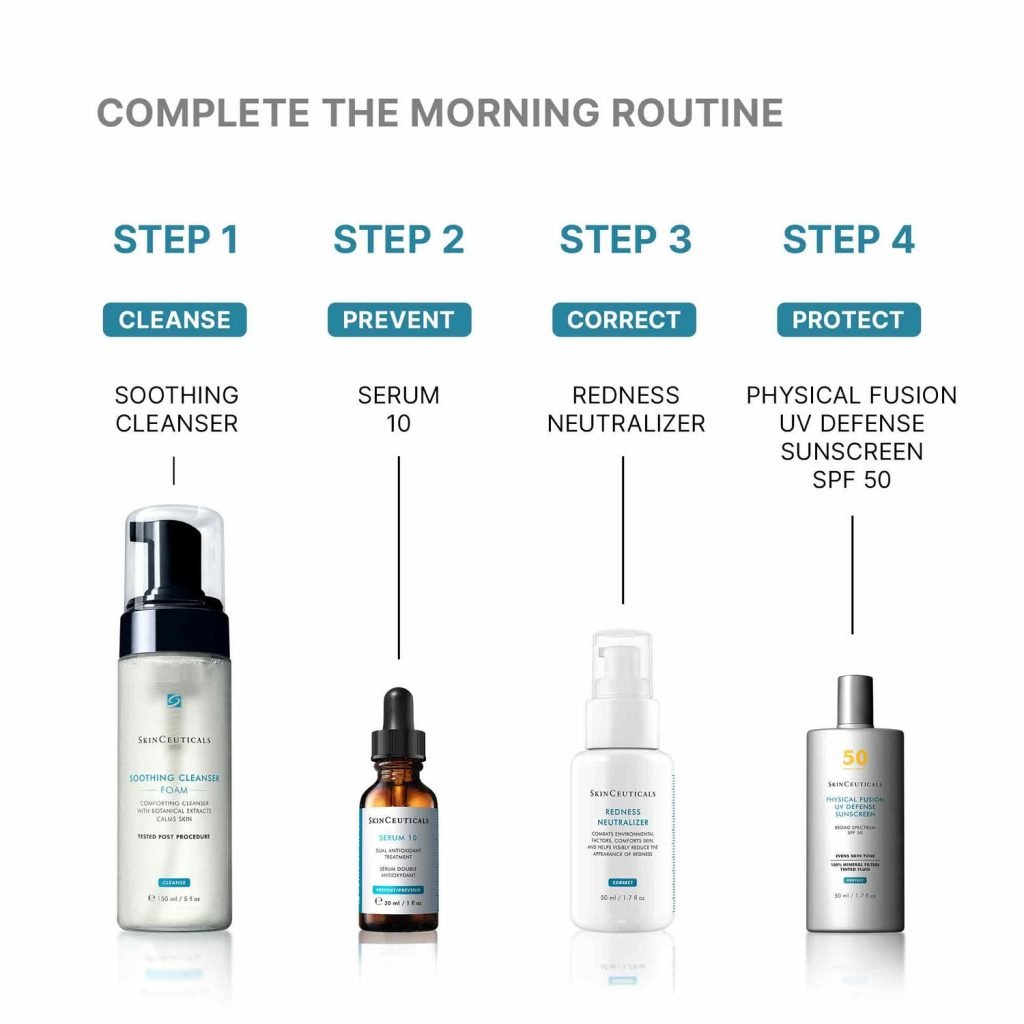
Dealing with redness in your skin can be frustrating, right? You might find yourself trying product after product, hoping to calm that persistent flush.
But what if the solution was simpler than you think? Understanding how to tailor a skincare routine specifically for redness can make all the difference. Imagine waking up to a calmer, more even complexion, feeling confident in your skin. By the end of this article, you’ll have the tools and tips to achieve just that.
Stay with us to discover how to transform your skincare routine and say goodbye to redness for good.
Causes Of Facial Redness
Facial redness can be frustrating and confusing, especially when it appears without warning. Understanding what causes this redness is key to managing it effectively. Let’s look at the main reasons your skin might be turning red and how you can identify them.
Common Skin Conditions
Several skin conditions often cause redness. Rosacea is one of the most common, leading to persistent redness and visible blood vessels.
Other conditions like eczema and psoriasis also cause inflamed, red patches. These often come with itching or dryness, making your skin feel uncomfortable.
If your redness comes with bumps or irritation, it might be a sign to see a dermatologist for a proper diagnosis.
Environmental Triggers
Your surroundings can play a big role in causing facial redness. Exposure to extreme temperatures, whether hot or cold, can make your skin flush.
Sun exposure is another major culprit. Even a short time in direct sunlight can lead to redness and sensitivity.
Pollution and harsh winds also irritate your skin, breaking down its protective barrier and leaving it vulnerable to redness.
Lifestyle Factors
What you eat and how you live impact your skin’s redness more than you might think. Spicy foods, alcohol, and caffeine often trigger flare-ups.
Stress is another powerful trigger; it can cause your blood vessels to dilate, resulting in redness.
Even your skincare products might be to blame if they contain harsh ingredients. Pay close attention to how your skin reacts after using something new.

Credit: www.youtube.com
Choosing Gentle Cleansers
Choosing the right cleanser is the first and most crucial step to calm redness in your skin. A gentle cleanser can reduce irritation and protect your skin’s natural barrier. Harsh products often make redness worse, so picking carefully matters a lot.
Ingredients To Avoid
Look out for ingredients that can strip your skin or cause irritation. Avoid:
- Sulfateslike Sodium Lauryl Sulfate – they can dry out and irritate sensitive skin.
- Alcohol– often found in toners and some cleansers, it can cause redness and flakiness.
- Fragrances and dyes– synthetic scents often trigger allergic reactions or sensitivity.
- Exfoliating acidslike high concentrations of glycolic or salicylic acid in daily cleansers – these can be too harsh for red, sensitive skin.
If you’ve ever noticed a burning or stinging feeling after washing your face, your cleanser might contain one of these offenders.
Soothing Cleanser Options
Choose cleansers that calm and hydrate your skin instead of stripping it. Look for products with:
- Aloe Vera– it cools and soothes inflamed skin gently.
- Ceramides– help rebuild the skin’s protective barrier.
- Oat Extract– known to reduce redness and irritation effectively.
- Glycerin– a gentle humectant that keeps skin moisturized without heaviness.
I switched to a cleanser with oat extract and noticed my redness calm significantly within a week. Have you tried switching your cleanser to see if your skin feels less irritated? Sometimes a simple change can make a big difference.
Effective Moisturizers For Redness
Choosing the right moisturizer is key to calming redness and soothing sensitive skin. Effective moisturizers not only hydrate but also strengthen your skin’s natural defenses. Picking products with the right ingredients can make a noticeable difference in reducing irritation and preventing flare-ups.
Hydrating Ingredients
Look for moisturizers rich in hydrating ingredients like hyaluronic acid and glycerin. These attract water to your skin, providing deep hydration without clogging pores. I’ve found that switching to a hyaluronic acid-based moisturizer helped my redness fade faster by keeping my skin plump and balanced.
Other soothing components like aloe vera and chamomile extract can cool irritated skin and reduce inflammation. Have you tried applying a moisturizer with these soothing botanicals after cleansing? It often feels like an instant relief for redness-prone skin.
Barrier Repair Formulas
Moisturizers that focus on repairing the skin barrier are essential for redness. Ingredients such as ceramides, niacinamide, and fatty acids rebuild the protective layer, preventing moisture loss and shielding skin from irritants.
From personal experience, a moisturizer with ceramides transformed my dry, red patches into smooth, calm skin within weeks. If your redness flares up easily, ask yourself: does your moisturizer support your skin’s barrier or just add surface hydration?
Targeted Treatments And Serums
Targeted treatments and serums play a key role in managing skin redness. They focus on calming irritation and reducing inflammation. These products often contain active ingredients that soothe the skin and strengthen its barrier. Using the right serums can improve your skin’s comfort and appearance.
Anti-inflammatory Ingredients
Ingredients with anti-inflammatory properties help reduce redness and swelling. They calm irritated skin and support healing. Common anti-inflammatory ingredients include:
- Niacinamide: Helps reduce redness and strengthens skin barrier.
- Azelaic Acid: Fights inflammation and evens skin tone.
- Green Tea Extract: Soothes skin and protects from damage.
- Allantoin: Calms and promotes skin repair.
- Aloe Vera: Provides hydration and reduces irritation.
Look for serums with these ingredients to help soothe redness.
Calming Serums To Try
Calming serums are lightweight and absorb quickly. They deliver soothing ingredients deep into the skin. These serums help reduce redness and discomfort throughout the day. Examples include:
- Serums with chamomile extract for gentle calming effects.
- Products containing centella asiatica to support healing.
- Formulas with licorice root to brighten and reduce redness.
Choose a calming serum suited to your skin type and use it daily for best results.
Sun Protection Strategies
Protecting your skin from the sun is crucial for reducing redness. Sun exposure can worsen irritation and cause long-term damage. Developing smart sun protection strategies helps calm your skin and prevent flare-ups. Use gentle products and follow simple habits to keep your skin safe.
Choosing The Right Sunscreen
Select a sunscreen labeled broad-spectrum. It shields against UVA and UVB rays. Pick sunscreens with physical blockers like zinc oxide or titanium dioxide. These ingredients are less likely to irritate sensitive skin.
Look for formulas marked as fragrance-free and hypoallergenic. These reduce the chance of redness and reactions. Choose a sunscreen with SPF 30 or higher for daily use. Apply it generously and reapply every two hours outdoors.
Additional Sun Safety Tips
- Wear a wide-brimmed hat to protect your face and neck.
- Use sunglasses to shield the delicate eye area.
- Seek shade during peak sun hours, usually 10 AM to 4 PM.
- Wear lightweight, long-sleeved clothing for extra coverage.
- Apply sunscreen even on cloudy days to block hidden UV rays.
Lifestyle Changes To Reduce Redness
Reducing skin redness is possible by changing daily habits. These lifestyle shifts support healthier skin and lower irritation. Small changes bring noticeable results over time. Focus on what you eat and how you manage stress. Both impact skin’s appearance and comfort.
Diet And Hydration
Eating the right foods helps calm redness. Choose fresh fruits and vegetables with antioxidants. These protect skin from damage and soothe inflammation. Avoid spicy, salty, and fried foods that may worsen redness.
Drink plenty of water every day. Staying hydrated keeps skin soft and less irritated. Aim for at least eight glasses daily. Herbal teas can also be gentle and soothing for the skin.
Stress Management Techniques
Stress causes skin flare-ups and redness. Relaxation lowers stress hormones that trigger skin problems. Try deep breathing exercises or meditation for quick relief. Even a short walk outside can reduce tension.
Regular sleep improves skin repair and reduces redness. Aim for 7-8 hours of sleep each night. Avoid screens before bed to help your mind relax. Managing stress well reflects in calmer, clearer skin.
Home Remedies For Quick Relief
Redness on your skin can be uncomfortable and sometimes embarrassing. Quick relief doesn’t always require expensive products or trips to the dermatologist. Simple home remedies can calm your skin effectively and soothe irritation fast.
Cold Compress Benefits
Applying a cold compress is one of the easiest ways to reduce redness quickly. The cool temperature helps narrow blood vessels, which lowers inflammation and calms your skin.
Wrap a few ice cubes in a clean cloth or use a chilled gel pack. Hold it gently on the affected area for 5 to 10 minutes. You’ll often notice immediate relief and less visible redness.
Have you tried this after a sunburn or a breakout? Many find it refreshing and surprisingly effective without causing dryness or irritation.
Natural Soothing Ingredients
Some natural ingredients are known to soothe redness and support skin healing. Aloe vera gel, for instance, contains anti-inflammatory properties and cools the skin.
Green tea bags, when cooled, also work wonders. The antioxidants and tannins help reduce swelling and redness. Simply steep the bags, chill them in the fridge, then place them on your skin.
Honey is another gentle option. It acts as a natural moisturizer and has antibacterial qualities, which can calm irritated skin. Apply a thin layer, leave it for 15 minutes, then rinse with lukewarm water.
- Aloe vera gel – apply directly to the skin
- Chilled green tea bags – use as a compress
- Raw honey – leave on for 15 minutes
Would you give these simple ingredients a try before reaching for creams packed with chemicals? Sometimes, nature offers the best quick fixes for redness.

Credit: www.goodhousekeeping.com
When To See A Dermatologist
Knowing when to see a dermatologist is important for managing redness effectively. Some redness is normal and can improve with home care. Persistent or worsening redness may signal a deeper skin issue. Early professional advice helps prevent damage and find the right treatment. Understanding the signs of persistent redness guides you to seek expert help on time.
Signs Of Persistent Redness
- Redness lasting more than two weeks
- Visible swelling or bumps under the skin
- Burning or itching that does not stop
- Red patches spreading to other areas
- Skin peeling or developing crusts
- Redness that worsens despite skincare efforts
Professional Treatments Available
Dermatologists offer treatments beyond home care. These include:
- Prescription creams to reduce inflammation
- Laser therapy to calm blood vessels
- Light therapy for skin healing
- Oral medications for severe cases
- Customized skincare plans for sensitive skin
These options help reduce redness safely and quickly. A dermatologist can choose the best treatment based on your skin type and condition.

Credit: www.ulta.com
Frequently Asked Questions
What Causes Facial Redness And How To Treat It?
Facial redness is caused by irritation, rosacea, or sensitive skin. To treat it, use gentle cleansers, moisturize, and avoid harsh ingredients. Applying anti-inflammatory products and sunscreen daily helps reduce redness and soothe skin effectively.
Which Ingredients Reduce Redness In Skincare Products?
Ingredients like niacinamide, aloe vera, chamomile, and green tea reduce redness. They calm inflammation and strengthen skin barriers. Look for products with these ingredients for gentle, redness-relieving skincare routines.
How Often Should I Follow A Redness-reducing Skincare Routine?
Follow a redness-reducing skincare routine twice daily, morning and night. Consistency helps calm irritation and improves skin texture. Always cleanse, moisturize, and apply sunscreen to protect sensitive skin from further redness.
Can Lifestyle Changes Help Reduce Skin Redness?
Yes, lifestyle changes help reduce skin redness. Avoid hot showers, spicy food, and excessive sun exposure. Manage stress and stay hydrated. These habits support your skincare routine and minimize redness flare-ups effectively.
Conclusion
Taking care of redness needs gentle steps every day. Choose mild cleansers and soft moisturizers. Avoid harsh scrubs and strong chemicals. Use sunscreen to protect your skin from sun damage. Drink plenty of water to keep skin healthy. Be patient; results take time to show.
Consistency helps calm redness and improve skin. Small changes can make a big difference. Keep your routine simple and steady. Your skin will thank you with a clearer, calmer look.
