Pregnancy brings many changes to your body, and your skin is no exception. You may notice new glow, but also new challenges like dryness, sensitivity, or breakouts.
Finding the right skincare routine during this special time is key to keeping your skin healthy and comfortable. You’ll discover simple, safe steps tailored just for you. Keep reading to learn how to care for your skin and feel confident every day of your pregnancy.
Changes In Skin During Pregnancy
Pregnancy brings many changes to the body, especially the skin. These changes happen because of shifts in hormones and blood flow. Some women see glowing skin, while others face challenges. Understanding these changes helps in caring for your skin better during this time.
Hormonal Effects On Skin
Hormones rise sharply during pregnancy. This increase affects oil production in the skin. Some women get oily skin and acne. Others may notice dryness or sensitivity. Melanin levels also rise, causing darker spots on the skin.
Common Skin Issues
- Acne due to increased oil production
- Dark patches called melasma or the “mask of pregnancy”
- Stretch marks on the belly, breasts, and thighs
- Increased sensitivity causing redness or itching
- Varicose veins and spider veins
When To See A Dermatologist
Seek a dermatologist if skin problems become painful or severe. Sudden rashes, intense itching, or unusual growths need expert care. A specialist can suggest safe treatments for pregnancy. Avoid self-medicating with strong products.
Credit: www.lemon8-app.com
Essential Skincare Ingredients
Choosing the right skincare ingredients during pregnancy is more important than ever. Your skin changes, and so does its sensitivity. Knowing which ingredients are safe and which to avoid can protect both you and your baby.
Safe Ingredients To Use
Look for gentle, nourishing ingredients that support your skin without harsh effects.
- Vitamin C:Brightens your complexion and boosts collagen safely.
- Hyaluronic Acid:Keeps your skin hydrated without irritation.
- Shea Butter:Soothes dryness and strengthens your skin barrier.
- Aloe Vera:Calms inflammation and provides natural moisture.
- Zinc Oxide:A safe physical sunscreen ingredient to protect from UV rays.
When I switched to products with these ingredients during pregnancy, my skin felt calmer and more balanced. What are your go-to gentle ingredients?
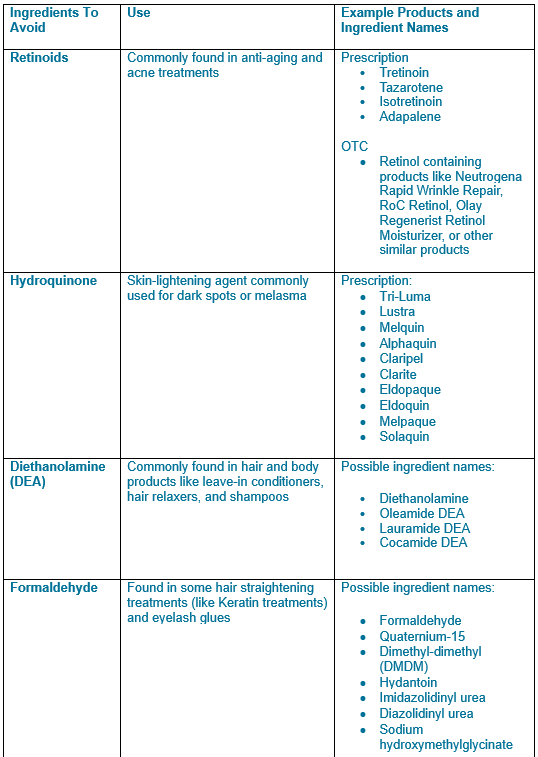
Ingredients To Avoid
Some popular skincare ingredients can harm your baby or irritate sensitive skin. It’s crucial to read labels carefully.
- Retinoids (Retinol, Retin-A):Linked to birth defects and should be avoided.
- Salicylic Acid (high doses):Can affect fetal development if used in large amounts.
- Benzoyl Peroxide:May be too harsh and potentially unsafe during pregnancy.
- Hydroquinone:Skin lighteners with this ingredient are not recommended.
- Phthalates and Parabens:Found in some fragrances and preservatives, best avoided.
Have you checked your current products for any of these ingredients? It might be time for an update.
Natural Alternatives
If you prefer natural skincare, many options work well during pregnancy.
- Coconut Oil:Moisturizes deeply and helps reduce stretch marks.
- Chamomile Extract:Soothes sensitive, itchy skin.
- Oatmeal:Great for calming irritated or dry skin.
- Rosehip Oil:Supports skin repair and adds gentle hydration.
Switching to natural alternatives helped me avoid flare-ups and gave me peace of mind. What natural ingredients have you tried that made a difference?
Daily Skincare Steps
Maintaining a daily skincare routine during pregnancy requires extra care and attention. Your skin experiences many changes, and choosing safe products is essential. Simple, consistent steps can help you feel fresh and confident every day.
Cleansing Tips
Choose a gentle, fragrance-free cleanser that won’t strip your skin of its natural oils. Look for products labeled safe for sensitive skin or pregnancy-safe formulas. Avoid harsh scrubs or exfoliants that can irritate your skin or cause redness.
Wash your face twice a day using lukewarm water, as hot water can dry out your skin. After cleansing, gently pat your face dry with a soft towel instead of rubbing it. Have you noticed how your skin reacts differently during pregnancy? Adjust your cleansing routine accordingly.
Moisturizing Safely
Opt for a rich, hydrating moisturizer that supports your skin barrier without clogging pores. Ingredients like hyaluronic acid and ceramides are excellent for keeping your skin plump and hydrated. Avoid products containing retinoids or salicylic acid, as these are not recommended during pregnancy.
Apply moisturizer right after cleansing to lock in moisture. If your skin feels extra dry or tight, layering a nourishing oil over your moisturizer can provide added comfort. What changes in your skin’s moisture needs have you noticed since becoming pregnant?
Sun Protection Guidelines
Protecting your skin from UV damage is crucial, especially since pregnancy can increase sensitivity to the sun. Choose a broad-spectrum sunscreen with at least SPF 30 that is mineral-based, containing zinc oxide or titanium dioxide. These ingredients are safer for both you and your baby.
Apply sunscreen every morning, even on cloudy days, and reapply every two hours if you’re outdoors. Don’t forget areas like your neck, ears, and hands. Have you found a sunscreen that feels comfortable and doesn’t cause breakouts during pregnancy?

Credit: trulydestiny.com
Handling Specific Skin Concerns
Pregnancy brings many changes to your skin, and you might notice new challenges appearing. Handling specific skin concerns requires gentle care and smart choices. Let’s look at how you can tackle common issues like acne, hyperpigmentation, and stretch marks while keeping both you and your baby safe.
Dealing With Acne
Acne can flare up during pregnancy due to hormonal shifts. Instead of harsh treatments, choose gentle cleansers with ingredients like salicylic acid in low concentrations or benzoyl peroxide after checking with your doctor. Avoid picking or squeezing pimples to prevent scarring and infections.
Adding a non-comedogenic moisturizer helps keep your skin balanced. Have you noticed your skin becoming oilier or drier? Adjust your routine accordingly to maintain comfort and clarity.
Managing Hyperpigmentation
Dark spots or melasma often appear during pregnancy, especially on the face. Protecting your skin from sun exposure is crucial—wear a broad-spectrum sunscreen with SPF 30 or higher daily, even on cloudy days.
Vitamin C serums can brighten your skin but check with your healthcare provider before use. Wearing a wide-brimmed hat outdoors adds an extra layer of defense. What small changes can you make to your daily habits to reduce sun exposure?
Reducing Stretch Marks
Stretch marks happen as your skin stretches to accommodate your growing belly. Moisturizing regularly with products containing cocoa butter, shea butter, or oils like almond or coconut can improve your skin’s elasticity.
Massaging these products gently into your skin may boost circulation and comfort. While no product can guarantee complete prevention, many women find that consistent care helps lessen their appearance. Are you giving your skin enough hydration and care during this time?
Lifestyle Tips For Healthy Skin
Taking care of your skin during pregnancy goes beyond creams and serums. Your daily habits play a huge role in keeping your skin healthy and glowing. Small changes in your lifestyle can make a big difference in how your skin looks and feels throughout this special time.
Diet And Hydration
Your skin reflects what you eat. Nutrient-rich foods like fruits, vegetables, and whole grains provide vitamins that support skin repair and elasticity.
Drink plenty of water to keep your skin hydrated from the inside out. I noticed that when I increased my water intake, my skin felt less dry and looked more radiant almost immediately.
Are you aware of how sugar and processed foods can cause skin breakouts or dullness? Try swapping them for healthier snacks like nuts or yogurt to see the difference.
Stress Management
Stress can worsen skin problems like acne or eczema. When I started practicing simple breathing exercises daily, my skin started clearing up and felt less irritated.
Find ways to relax that fit your routine—whether it’s meditation, a short walk, or listening to music. Even 5 minutes of focused relaxation can reduce skin inflammation caused by stress hormones.
What’s one small stress-relief habit you could add to your day to help your skin stay calm?
Sleep And Skin Health
Sleep is when your body repairs damaged skin cells and boosts collagen production. Missing out on sleep often leads to dull, tired-looking skin.
Try to get 7-9 hours of restful sleep each night. I found that a consistent bedtime routine not only improved my skin but also helped me feel more energized.
Have you noticed how your skin reacts after a poor night’s sleep? Prioritizing rest can be one of the easiest ways to keep your skin glowing.

Credit: www.15minutebeauty.com
Frequently Asked Questions
What Are Safe Skincare Ingredients During Pregnancy?
Safe ingredients include hyaluronic acid, vitamin C, and gentle cleansers. Avoid retinoids, salicylic acid, and benzoyl peroxide. Always check labels and consult your doctor before trying new products.
How Often Should Pregnant Women Follow Skincare Routines?
Pregnant women should follow a gentle skincare routine twice daily. Consistency helps manage hormonal changes and skin sensitivity. Avoid over-exfoliating or using harsh treatments to protect skin health.
Can Pregnancy Cause New Skin Problems?
Yes, pregnancy can cause melasma, acne, and dryness due to hormonal shifts. Adjusting your skincare routine helps manage these changes safely. Consult a dermatologist if issues persist or worsen.
Is Sunscreen Necessary During Pregnancy?
Yes, sunscreen is essential during pregnancy to protect sensitive skin from UV damage. Use broad-spectrum SPF 30 or higher daily. Choose mineral-based sunscreens like zinc oxide for safety.
Conclusion
Caring for your skin during pregnancy is important. Always choose gentle products. These protect both you and the baby. Hydrate your skin with safe moisturizers. Sunscreen is essential for sun protection. Maintain a simple, consistent routine. Listen to your skin’s needs.
Changes are normal during pregnancy. Consult with a dermatologist if unsure. Prioritize self-care and well-being. Healthy skin boosts confidence and comfort. Keep your skincare journey joyful and stress-free. Enjoy this special time with glowing skin.
