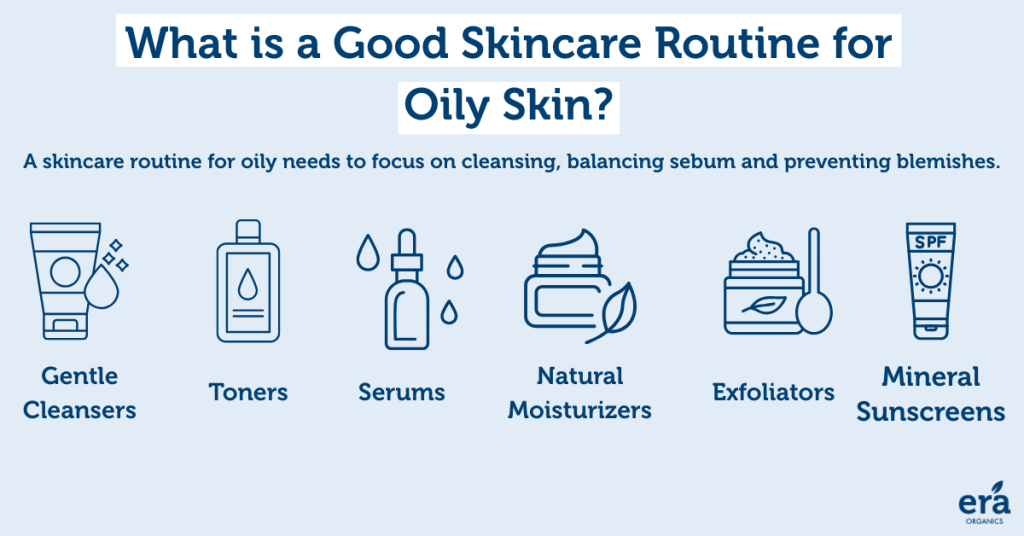
Do you find yourself constantly battling the midday shine or struggling to keep your makeup in place? If oily skin is your daily nemesis, you’re not alone.
Managing oily skin can feel like a never-ending challenge, but the right skincare routine can transform your skin from greasy to glowing. Imagine waking up each day with fresh, balanced skin that stays matte from morning till night. Sounds like a dream, right?
With the right steps, this dream can become your reality. In this guide, we’ll uncover the secrets to a skincare routine specifically tailored for oily skin. You’ll discover easy, effective tips that can help you regain control over your skin, boosting your confidence and letting your natural beauty shine through. Ready to say goodbye to excess oil and hello to a clearer complexion? Let’s dive in!
Causes Of Oily Skin
Oily skin happens when the skin produces too much sebum. Sebum is a natural oil that keeps skin soft. But too much oil can make skin shiny and cause pimples. Many things cause oily skin. Understanding these helps to manage it better.
Genetics And Hormones
Oily skin often runs in families. Genes decide how much oil glands produce. Hormones also play a big role. During puberty, hormone changes boost oil production. Women may notice more oil during periods or pregnancy. Hormones can make skin oilier at times.
Environmental Factors
Hot and humid weather increases oil production. Skin sweats more and oil glands work harder. Pollution and dirt can clog pores. This makes skin produce more oil to protect itself. Using harsh soaps can also irritate skin. The skin reacts by making extra oil.
Diet And Lifestyle
Eating greasy or sugary foods may increase skin oil. Drinking little water can dry skin and cause more oil. Stress triggers hormone changes that boost oil. Lack of sleep makes skin tired and oily. Regular exercise helps, but sweat can increase oil temporarily.
Credit: www.walmart.ca
Choosing The Right Cleanser
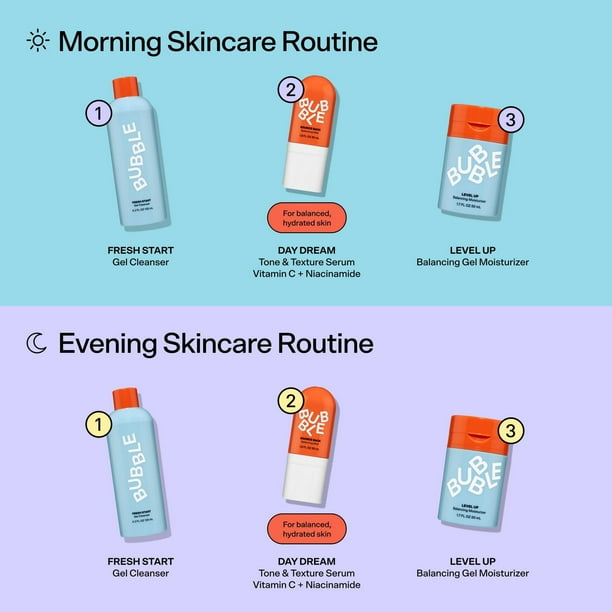
Choosing the right cleanser is the foundation of managing oily skin effectively. A cleanser that suits your skin type can control excess oil without stripping away essential moisture. Picking the wrong one might leave your skin feeling tight or, worse, trigger more oil production.
Foaming And Gel Cleansers
Foaming and gel cleansers are often the best match for oily skin. They work by breaking down excess sebum and impurities, leaving your face feeling fresh and clean.
Look for gel-based formulas with ingredients like salicylic acid or tea tree oil, which help unclog pores and reduce shine. Foaming cleansers create a rich lather that lifts dirt without over-drying your skin.
Have you noticed how some cleansers leave a residue while others rinse off completely? That’s a key factor—choose one that rinses clean and doesn’t leave your skin feeling sticky.
Avoiding Harsh Ingredients
Many cleansers designed for oily skin contain strong chemicals that can irritate your skin. Ingredients like alcohol or sulfates might seem like they’re cutting oil, but they can actually cause your skin to produce more oil as a defense mechanism.
Instead, opt for gentle, non-comedogenic cleansers free from artificial fragrances and dyes. These are less likely to cause redness or breakouts.
Ask yourself: does your cleanser calm your skin or leave it feeling raw? If it’s the latter, it’s time to switch.
Frequency Of Washing
Washing your face too often can backfire, especially with oily skin. Cleansing more than twice a day can strip natural oils and prompt your skin to overcompensate with even more oil.
Stick to cleansing once in the morning and once at night. This routine keeps your skin balanced and prevents irritation.
If you exercise or sweat heavily, a gentle rinse or wipe can help without disrupting your skin’s natural barrier. How often do you wash your face right now, and has it improved or worsened your oily skin?
Exfoliation Tips
Exfoliation is key for oily skin care. It clears dead skin cells and unclogs pores. This process helps reduce shine and prevents breakouts. Choosing the right exfoliation method and ingredients keeps skin healthy and balanced.
Chemical Vs Physical Exfoliants
Chemical exfoliants use acids to dissolve dead skin gently. They are less abrasive and suit sensitive oily skin well. Physical exfoliants use small particles or brushes to scrub away dead skin. They can be too harsh and cause irritation if used too often.
Chemical exfoliants offer smoother results without damage. Physical exfoliants can create micro-tears if overused. Choose based on your skin’s tolerance and needs.
Recommended Ingredients
- Salicylic Acid (BHA) – penetrates pores and reduces oil.
- Glycolic Acid (AHA) – removes dead skin and improves texture.
- Lactic Acid – gentle exfoliation with added hydration.
- Jojoba Beads – natural and gentle physical exfoliant.
- Rice Bran – mild scrubbing effect without irritation.
These ingredients keep oily skin clear and fresh without over-drying.
Exfoliation Schedule
Start exfoliating 1-2 times per week. Observe how your skin reacts. Increase frequency only if no irritation occurs. Avoid daily scrubbing to prevent redness and dryness. Consistency helps maintain a smooth, balanced complexion.
Effective Toners For Oily Skin
Choosing the right toner can transform your oily skin routine from frustrating to effective. A good toner not only refreshes your face but also controls excess oil and prevents breakouts. Let’s look at what makes a toner truly work for oily skin and how you can get the best results.
Balancing Ph Levels
Your skin’s pH level plays a big role in oil production. Oily skin often has a higher pH, which can lead to more oil and clogged pores. Using a toner that restores your skin’s natural pH (around 5.5) helps keep oil in check and supports healthy skin barrier function.
Have you ever noticed your skin feels tight or dry after using a toner? That might mean the pH is off, causing irritation. Look for toners labeled “pH balanced” to avoid stripping your skin of essential moisture.
Ingredients To Look For
Not all toners are created equal—some ingredients help oily skin more than others. Here are a few you should seek out:
- Salicylic Acid:Helps unclog pores and reduce acne.
- Witch Hazel:Natural astringent that controls oil without drying.
- Niacinamide:Reduces sebum production and calms inflammation.
- Green Tea Extract:Antioxidant-rich and soothing for irritated skin.
Steer clear of alcohol-heavy toners—they might feel refreshing but often cause your skin to overproduce oil later. Instead, choose gentle, effective ingredients that work with your skin.
Application Techniques
How you apply your toner can impact its effectiveness. Use a cotton pad or your hands to gently pat the toner onto your face. Avoid rubbing harshly, as this can irritate your skin and trigger more oil production.
Apply toner right after cleansing when your skin is still slightly damp. This helps lock in moisture and primes your skin for serums or moisturizers. Have you tried layering a hydrating toner with a mattifying serum? It’s a game-changer for controlling shine throughout the day.
Moisturizing Without The Shine
Moisturizing oily skin might seem like a tricky balance. You want hydration without that unwanted shine that often comes with heavy creams. Finding the right moisturizer can transform your skin’s look and feel, giving you the perfect matte finish while keeping your skin nourished.
Lightweight Formulas
Choosing a lightweight moisturizer is key to avoiding excess shine. These formulas absorb quickly and won’t clog your pores. I once switched from a thick cream to a lightweight lotion, and my face felt fresher throughout the day without that greasy look.
Look for products labeled as “light” or “weightless.” They provide enough moisture to keep your skin balanced but don’t sit heavily on the surface. Have you noticed how some creams leave a film? Lightweight options prevent that.
Oil-free And Non-comedogenic Options
Moisturizers that are oil-free and non-comedogenic won’t add to your skin’s oiliness or cause breakouts. These are designed specifically to hydrate without blocking pores. Your skin can breathe better, reducing the chance of clogged pores and shine.
Check the ingredient list for terms like “non-comedogenic” and avoid heavy oils or silicones that weigh skin down. Have you ever tried a moisturizer that made your skin feel heavier? Switching to oil-free products can change that experience entirely.
Gel-based Moisturizers
Gel-based moisturizers are a great choice for oily skin. They feel cool and refreshing when applied and dry down to a matte finish. I found that gel formulas helped calm my skin while keeping it hydrated, especially during humid days.
These moisturizers often contain ingredients like hyaluronic acid, which locks in moisture without adding oil. If you’re looking for a product that hydrates quickly and leaves zero shine, gel-based options are worth trying.
Sun Protection Strategies
Protecting oily skin from the sun requires more than just any sunscreen. You need strategies that control shine while shielding your skin effectively. Understanding the right products and habits can make a big difference in your skin’s health and appearance.
Matte Finish Sunscreens
Oily skin can feel greasy and heavy with regular sunscreens. Matte finish sunscreens solve this by absorbing excess oil and reducing shine. Look for labels that say “oil-free,” “non-comedogenic,” and “matte finish” to keep your skin fresh all day.
Personal experience: I once switched to a matte sunscreen and noticed my skin stayed less oily and didn’t break out. This simple change helped me feel more confident without constant blotting.
Importance Of Daily Use
Sun damage doesn’t take a day off, so your protection shouldn’t either. Applying sunscreen every day, even when indoors or on cloudy days, prevents long-term damage and premature aging. This habit also helps control oil production by protecting your skin barrier.
Ask yourself: Are you skipping sunscreen on days you feel less exposed to the sun? That’s often when damage adds up unnoticed.
Reapplication Tips
Sunscreen loses effectiveness after a few hours, especially if you have oily skin that tends to sweat or wipe off product. Reapply every two hours or immediately after sweating or swimming. Carry a compact spray or powder sunscreen designed for touch-ups without adding grease.
Try setting reminders on your phone to reapply. It’s a small step that protects your skin and keeps oiliness in check throughout the day.
Weekly Treatments
Weekly treatments play a key role in managing oily skin. They help control shine and prevent breakouts. These treatments give the skin a deep cleanse and extra care beyond daily routines. Regular use can balance oil production and improve skin texture.
Clay Masks For Oil Control
Clay masks draw out excess oil and impurities from pores. They reduce shine and help keep skin matte. Use a clay mask once or twice a week for best results. Avoid leaving it on too long to prevent dryness.
Hydrating Masks
Oily skin still needs hydration to stay healthy. Hydrating masks provide moisture without clogging pores. Choose lightweight, gel-based masks that soothe and refresh the skin. Use after clay masks to restore balance.
Spot Treatments For Breakouts
Spot treatments target pimples and reduce inflammation quickly. Ingredients like salicylic acid and benzoyl peroxide work well. Apply only on affected areas to avoid drying healthy skin. Use as needed to keep breakouts under control.

Credit: www.reddit.com
Lifestyle Habits To Support Skin Health
Supporting your oily skin with the right lifestyle habits can make a big difference in how your skin looks and feels. Skincare products help, but what you eat, how you handle stress, and how much water you drink play crucial roles too. Paying attention to these daily habits can help balance oil production and keep your skin healthy.
Healthy Diet Choices
Your skin reflects what you put into your body. Eating foods rich in antioxidants, like berries and leafy greens, can protect your skin from damage. Avoiding excessive sugary and greasy foods can reduce breakouts and oily shine.
Try adding nuts, seeds, and fatty fish to your meals. These provide essential fatty acids that support skin barrier health. Have you noticed how your skin reacts after eating certain foods? Keeping a food diary might help you spot patterns.
Stress Management
Stress triggers hormone changes that can increase oil production. Finding ways to manage stress can reduce flare-ups and improve your skin’s clarity. Activities like yoga, meditation, or even a short walk can calm your mind and skin.
Think about your daily routine—are there moments you can pause and breathe deeply? Even small adjustments can lower stress and give your skin a chance to reset.
Adequate Hydration
Drinking enough water helps flush out toxins and keeps your skin hydrated from within. When your body is well-hydrated, your skin can regulate oil better. Aim for at least 8 glasses a day, but listen to your body’s needs.
Adding herbal teas or water-rich fruits like cucumber and watermelon can boost hydration. Do you remember to drink water regularly, or only when you feel thirsty? Setting reminders can make a big difference.
Common Mistakes To Avoid
Many people with oily skin make mistakes that worsen their condition. These errors can lead to more breakouts and irritation. Avoiding these common pitfalls helps keep skin balanced and healthy.
Over-washing And Over-exfoliating
Washing your face too often strips natural oils. Skin reacts by producing more oil. Over-exfoliating damages the skin barrier. This causes redness and increased oil production. Cleanse twice a day and exfoliate 1-2 times weekly.
Using Heavy Makeup
Heavy makeup clogs pores and traps oil. This leads to pimples and blackheads. Choose lightweight, non-comedogenic products. Always remove makeup before bed to let skin breathe.
Ignoring Skin Changes
Oily skin can change with age, weather, or diet. Not adjusting your routine causes imbalance. Pay attention to how your skin feels and looks. Adapt your products and habits as needed.

Credit: chemistconfessions.com
Frequently Asked Questions
What Is The Best Cleanser For Oily Skin?
Use a gentle, foaming cleanser with salicylic acid. It removes excess oil and prevents clogged pores without drying out skin. Avoid harsh soaps that strip natural moisture. Cleansing twice daily keeps oily skin balanced and fresh.
How Often Should I Moisturize Oily Skin?
Moisturize oily skin twice daily with a lightweight, oil-free moisturizer. It hydrates skin without adding grease. Choose non-comedogenic formulas to prevent breakouts. Regular moisturizing helps regulate oil production and maintains skin’s natural barrier.
Can Sunscreen Worsen Oily Skin?
No, use a mattifying, oil-free sunscreen. It protects skin without adding shine or clogging pores. Sunscreen prevents sun damage and premature aging. Look for broad-spectrum SPF 30 or higher designed for oily skin.
Which Ingredients Help Control Oily Skin?
Ingredients like salicylic acid, niacinamide, and clay absorb excess oil. They reduce shine and prevent acne. Avoid heavy oils and alcohol-based products that irritate skin. Consistent use of these ingredients improves oily skin texture and appearance.
Conclusion
A good skincare routine helps control oily skin and shine. Cleanse your face twice daily to remove oil and dirt. Use gentle products made for oily skin to avoid irritation. Moisturize even if your skin feels oily; it keeps skin balanced.
Don’t skip sunscreen to protect your skin from damage. Consistency matters most for clear, healthy skin. Stick to these simple steps and watch your skin improve. Your skin can feel fresh and comfortable every day.
