Are you tired of dealing with the constant shine and unexpected breakouts that come with oily, sensitive skin? You’re not alone.
Finding the right skincare routine that balances oiliness while soothing sensitivity can feel like a never-ending battle. But here’s the good news: it doesn’t have to be this way. Imagine waking up to a complexion that feels fresh and looks balanced without the irritation.
This is not just a dream; it can be your reality. You’ll discover a skincare routine tailored specifically for oily, sensitive skin. We’ll guide you through each step, ensuring that your skin gets the care it deserves. Ready to transform your skincare game? Keep reading and unlock the secrets to a healthier, more radiant complexion.
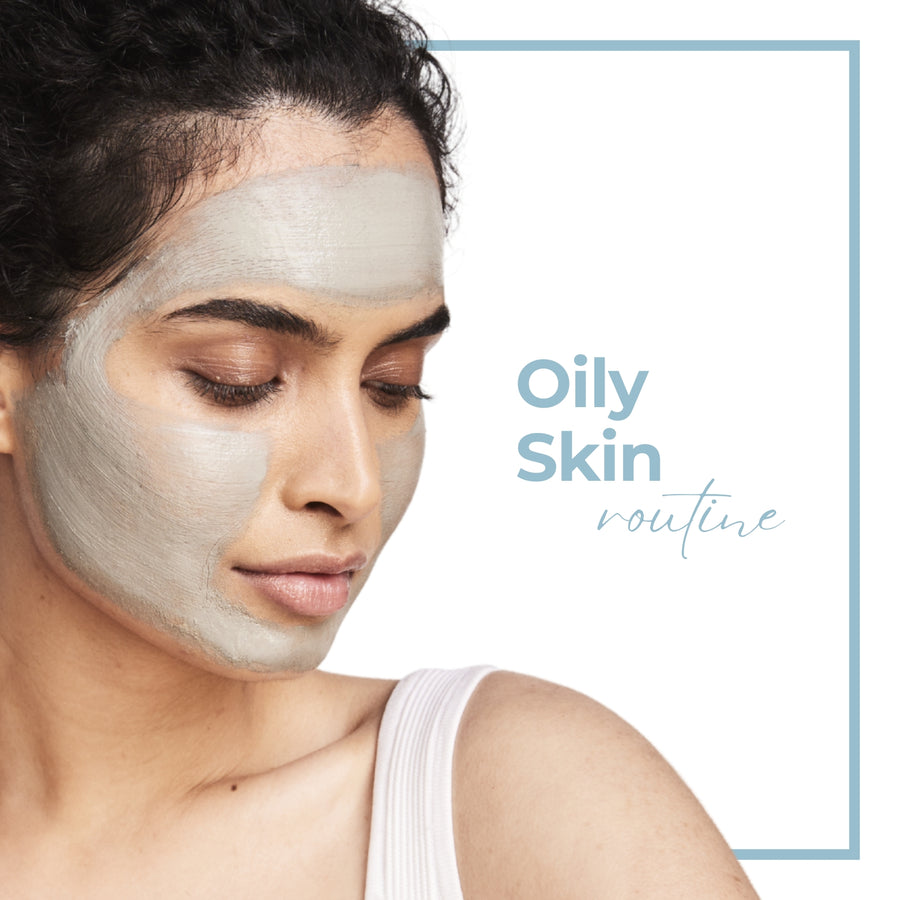
Credit: backtoearthskin.com
Characteristics Of Oily Sensitive Skin
Oily sensitive skin is a unique combination that can feel like a constant balancing act. You might notice shiny areas alongside redness or irritation that flares up unexpectedly. Understanding the characteristics of this skin type helps you choose the right products and avoid common pitfalls.
Common Symptoms
Oily sensitive skin often shows a mix of traits that can confuse your skincare choices. You may see:
- Excess shine, especially on the forehead, nose, and chin
- Large, visible pores prone to clogging
- Redness or blotchiness triggered by certain products or environmental factors
- Occasional breakouts combined with irritation or burning sensations
Have you ever felt that your skin looks oily but stings after applying moisturizer? That’s a common sign of this skin type needing gentle but effective care.
Causes And Triggers
Several factors contribute to oily sensitive skin, and knowing them helps you manage your routine better. Overactive sebaceous glands produce too much oil, but your skin’s barrier is also delicate and easily disrupted.
- Harsh skincare products that strip natural oils can worsen sensitivity
- Environmental stressors like pollution and weather changes increase irritation
- Hormonal fluctuations often ramp up oil production and sensitivity
- Diet and stress can trigger both oiliness and redness
Think about the last time your skin flared up—was it after trying a new cleanser or spending time outdoors? Pinpointing your triggers is key to avoiding them and calming your skin down.
Choosing The Right Cleanser
Choosing the right cleanser is crucial for managing oily sensitive skin. The wrong product can strip your skin of essential moisture or cause irritation, making oil problems worse. Picking a cleanser that balances oil control with gentle care sets the foundation for healthier skin.
Gentle Formulations
Look for cleansers labeled as gentle or formulated for sensitive skin. These products usually contain soothing ingredients like aloe vera, chamomile, or glycerin that calm irritation.
Gel-based or foaming cleansers often work well because they remove excess oil without leaving your skin feeling tight. If you’ve experienced redness or stinging from cleansers before, switching to a gentle formula can make a noticeable difference.
Have you noticed your skin feeling dry or uncomfortable after washing? That’s a sign your cleanser might be too harsh for your sensitive skin type.
Avoiding Harsh Ingredients
Ingredients like alcohol, sulfates, and strong fragrances can worsen sensitivity and increase oil production as your skin tries to compensate.
Check your cleanser’s label and avoid:
- Sodium lauryl sulfate (SLS)
- Alcohol denat
- Artificial dyes and perfumes
Instead, choose products with mild surfactants and natural extracts. This approach helps keep your skin calm and prevents the cycle of irritation and excess oil.
Are you paying attention to what’s on your cleanser’s ingredient list? Small changes here can lead to big improvements in your skin’s health.
Effective Toners And Their Benefits
Toners play a key role in caring for oily sensitive skin. They help refresh the skin after cleansing. Effective toners balance oil without causing dryness or irritation. Choosing the right toner can calm redness and reduce shine. These products prepare the skin to absorb moisturizers better. Using a gentle toner daily supports a healthy skin barrier. It helps maintain a clean, clear complexion while soothing sensitive areas.
Balancing Oil Production
Toners control excess oil by tightening pores and reducing shine. Ingredients like witch hazel and niacinamide are popular for oily skin. They help remove leftover dirt and oil after washing. This prevents clogged pores and breakouts. A good toner keeps oil levels steady throughout the day. It avoids over-drying, which can cause skin to produce more oil. Regular use helps skin look matte and feel fresh.
Soothing Irritation
Many toners include calming ingredients to reduce redness and irritation. Aloe vera, chamomile, and green tea are gentle on sensitive skin. They cool the skin and lower inflammation. These ingredients support healing and protect the skin barrier. Toners with soothing effects make skin feel comfortable and less tight. They help prevent flare-ups and keep sensitive skin calm.

Credit: www.independent.co.uk
Moisturizers For Oily Sensitive Skin
Finding the right moisturizer for oily sensitive skin is tricky. The goal is to hydrate without causing breakouts or irritation. Many moisturizers can feel heavy or clog pores, making skin worse.
Choosing the right formula helps keep skin balanced and calm. Moisturizers designed for oily sensitive skin provide moisture without extra shine or redness. They soothe irritation while controlling oil production.
Lightweight And Non-comedogenic Options
Lightweight moisturizers feel comfortable and absorb quickly. Non-comedogenic products do not block pores, preventing acne and blackheads. Look for labels stating “oil-free” or “non-comedogenic.”
- Gel-based formulas work well for oily skin types.
- Water-based moisturizers provide hydration without heaviness.
- Ingredients like hyaluronic acid add moisture without clogging pores.
- Avoid thick creams that can trap oil and dirt.
Hydration Without Greasiness
Hydration keeps skin healthy and prevents excess oil production. Moisturizers with soothing ingredients calm sensitive skin while hydrating.
- Aloe vera and chamomile reduce redness and irritation.
- Niacinamide balances oil and strengthens skin barrier.
- Light formulas help maintain moisture without a greasy feel.
- Proper hydration reduces the need for heavy makeup layers.
Sun Protection Tips
Sun protection is essential for oily sensitive skin to prevent damage and irritation. Choosing the right sunscreen and applying it correctly can protect your skin without causing breakouts or redness. Proper sun care keeps your skin healthy and calm under the sun.
Choosing Suitable Sunscreens
Select sunscreens labeled as “oil-free” or “non-comedogenic.” These formulas reduce the chance of clogged pores and acne. Mineral sunscreens with zinc oxide or titanium dioxide work well for sensitive skin. They provide gentle protection without harsh chemicals.
Look for sunscreens with at least SPF 30 for effective coverage. Avoid products with added fragrances or alcohol. These ingredients can irritate sensitive skin and increase oiliness. Testing a small amount on your skin can help avoid reactions.
Application Techniques
Apply sunscreen 15 minutes before going outside. Use a generous amount to cover all exposed skin. Gently pat sunscreen into the skin instead of rubbing. This prevents irritation and maintains the skin’s balance.
Reapply every two hours, especially after sweating or swimming. Use a clean cotton pad or your fingertips to avoid spreading bacteria. Combine sunscreen with your daily skincare routine for best results.
Weekly Treatments And Masks
Weekly treatments and masks play a crucial role in managing oily sensitive skin. They help balance oil production while soothing irritation that daily cleansers might miss. Choosing the right masks can refresh your skin without causing redness or breakouts.
Clay Masks For Oil Control
Clay masks are your best friend when dealing with excess oil. They draw out impurities and absorb surface oil, leaving your skin feeling clean and less shiny. Look for gentle clays like kaolin or white clay, which are less likely to irritate sensitive skin.
Try applying a thin layer once or twice a week. Leave it on for about 10 minutes, then rinse with lukewarm water. Notice how your skin feels—if it tightens too much or becomes red, reduce the frequency or switch to a milder formula.
Calming Ingredients For Sensitivity
Adding masks with calming ingredients can calm redness and soothe your skin’s sensitivity. Ingredients like aloe vera, chamomile, and oatmeal help reduce inflammation while keeping your skin hydrated. These masks complement clay treatments by preventing dryness and irritation.
Look for products labeled “soothing” or “for sensitive skin.” If you prefer DIY, a mix of honey and oatmeal can calm your skin naturally. How does your skin respond after using calming masks? Adjust your routine based on its reaction to keep the balance just right.
Lifestyle Habits For Better Skin
Your skin reflects more than just the products you apply; it also shows how you live. For oily sensitive skin, adjusting your lifestyle can reduce flare-ups and balance oil production. Small changes in daily habits often make a big difference in how your skin looks and feels.
Diet And Hydration
What you eat directly affects your skin’s oiliness and sensitivity. Foods high in sugar and dairy can trigger breakouts and redness. Try adding more fruits, vegetables, and whole grains to your meals to calm inflammation.
Drinking enough water is essential. Hydration helps your skin maintain its natural barrier and reduces excess oil. Aim for at least 8 glasses a day, and notice how your skin feels less greasy and more balanced.
Stress Management
Stress often causes your skin to act up, especially if it’s oily and sensitive. When you’re stressed, your body produces more cortisol, which can increase oil production and cause irritation. Finding ways to relax—whether through meditation, exercise, or hobbies—can help control these flare-ups.
Have you noticed your skin breaking out during stressful times? Managing stress isn’t just good for your mind; it’s essential for calming your skin too. Try setting aside a few minutes daily to breathe deeply or take a short walk outside. Your skin will thank you.
Common Mistakes To Avoid
Getting your skincare routine right for oily sensitive skin can feel like walking a tightrope. Mistakes can easily trigger breakouts, irritation, or even make your skin oilier. Avoiding common pitfalls is key to keeping your skin calm and balanced.
Over-cleansing
It’s tempting to wash your face multiple times a day when your skin feels oily, but over-cleansing strips away natural oils your skin needs. This causes your skin to produce even more oil to compensate, creating a vicious cycle.
Try washing your face twice daily with a gentle cleanser. Avoid harsh scrubs or products with strong fragrances, as they can irritate sensitive skin. Have you noticed your skin becoming red or flaky after cleansing? That’s a sign you’re overdoing it.
Using Incompatible Products
Not all skincare products suit oily sensitive skin. Some formulas can clog pores or cause allergic reactions, even if they work well for others. Pay close attention to ingredients like alcohol, heavy oils, or artificial dyes, which can aggravate your skin.
Look for labels that say “non-comedogenic” and “fragrance-free.” Patch test new products on a small skin area before full use. Have you ever bought a product based on hype only to regret it later? Your skin’s reaction is the best guide to what’s truly compatible.
Credit: www.lemon8-app.com
Frequently Asked Questions
What Is The Best Cleanser For Oily Sensitive Skin?
A gentle, sulfate-free cleanser with salicylic acid works best. It removes excess oil without irritating sensitive skin or causing dryness.
How Often Should I Moisturize Oily Sensitive Skin?
Moisturize twice daily with a lightweight, non-comedogenic moisturizer. Hydration balances oil production and soothes sensitive skin effectively.
Can I Use Exfoliants On Oily Sensitive Skin?
Yes, but use mild chemical exfoliants like BHA once or twice a week. Avoid harsh scrubs to prevent irritation.
Should I Avoid Certain Ingredients For Oily Sensitive Skin?
Avoid alcohol, fragrance, and harsh sulfates. These ingredients can worsen sensitivity and increase oiliness or inflammation.
Conclusion
Caring for oily sensitive skin needs gentle steps every day. Choose mild cleansers and avoid harsh scrubs. Use light moisturizers that calm and protect your skin. Stay consistent with your routine for the best results. Patience helps your skin adjust and improve over time.
Healthy skin feels comfortable and looks fresh. Keep your routine simple and listen to your skin’s needs. Small changes make a big difference in skin health. Your skin deserves kindness and care daily.