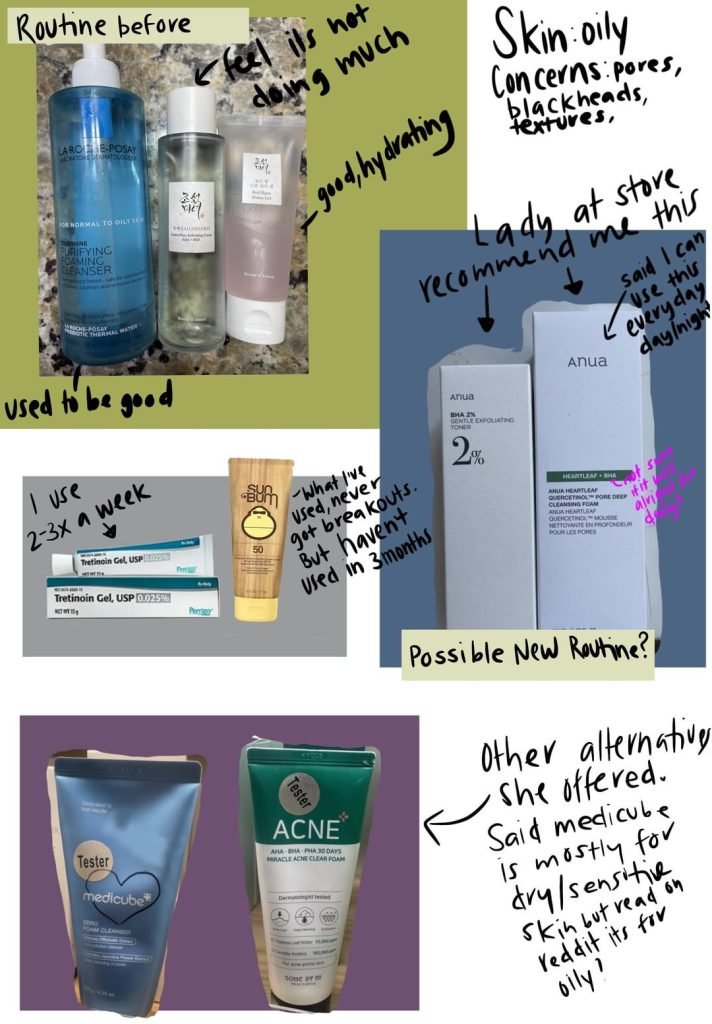
Struggling with oily, acne-prone skin can feel like an endless battle. You try product after product, hoping to find the magic solution that will finally give you the clear, smooth skin you crave.
But with so many options out there, how do you know what truly works for you? The right skincare routine can transform your skin and boost your confidence. Imagine starting each day with a fresh, shine-free face, and feeling good about what you see in the mirror.
Ready to discover the secrets to managing oily, acne-prone skin effectively? Let’s dive into a simple, yet powerful routine designed just for you.
Causes Of Oily Acne Prone Skin
Oily acne-prone skin results from several factors that increase oil production and clog pores. Understanding these causes helps manage skin better. Different elements play roles in making skin oily and more prone to acne.
Hormonal Factors
Hormones control oil glands in the skin. During puberty, hormone levels rise sharply. This increase causes glands to produce more oil. Hormonal changes during menstruation, pregnancy, and stress also affect oil production. Excess oil mixes with dead skin cells and blocks pores, leading to acne.
Diet And Lifestyle
Food affects skin health. Eating many oily or sugary foods can worsen oiliness. Skipping meals or eating unhealthy snacks causes skin problems. Poor sleep and high stress increase hormone levels that trigger oil production. Lack of exercise reduces blood flow, affecting skin renewal and oil balance.
Environmental Triggers
Pollution and humidity impact oily skin. Dust and dirt stick to oily skin easily. This clogs pores and causes acne. Hot weather makes skin sweat more, mixing sweat with oil and dirt. Using harsh skincare products can irritate skin and increase oil production. Protecting skin from these triggers helps control oiliness and acne.

Credit: medisynth.com
Key Ingredients To Look For
Choosing the right ingredients for your skincare routine can make a huge difference, especially if your skin is oily and acne-prone. The right components help control excess oil, reduce breakouts, and soothe inflammation without stripping your skin. Knowing what to look for empowers you to pick products that work effectively and avoid those that could worsen your skin issues.
Salicylic Acid Benefits
Salicylic acid is a game-changer for oily, acne-prone skin. It gently exfoliates inside your pores, clearing out excess oil and dead skin cells that cause breakouts. You might notice fewer blackheads and a smoother texture after regular use.
What’s great is that salicylic acid also has anti-inflammatory properties, which calm redness and swelling. If you’ve struggled with clogged pores, this ingredient can help keep your skin clearer without over-drying.
Role Of Benzoyl Peroxide
Benzoyl peroxide targets acne-causing bacteria directly. It’s powerful at reducing inflammation and preventing new pimples from forming. If you’ve ever dealt with painful, inflamed acne, products containing benzoyl peroxide might be worth trying.
However, it can be drying or irritating if overused, so start with a lower concentration and see how your skin reacts. Your skin’s tolerance matters more than the strength of the product.
Niacinamide For Oil Control
Niacinamide is a multitasker your oily skin will thank you for. It reduces oil production without stripping your skin, helping to balance shine throughout the day. Plus, it strengthens your skin barrier, making it more resilient against environmental stress.
Many find niacinamide also improves uneven skin tone and minimizes pores, giving a smoother look. Have you noticed your skin getting oilier as the day goes on? Niacinamide can help manage that.
Importance Of Clay And Charcoal
Clay and charcoal are excellent for deep cleansing oily skin. They absorb excess oil and impurities, leaving your skin feeling fresh and less greasy. These ingredients work best in masks or cleansers to give your skin a detox boost.
Using clay or charcoal once or twice a week can prevent buildup that triggers breakouts. Do you feel your skin needs a reset after a long day? These ingredients offer a satisfying way to clear out dirt and oil quickly.
Daily Skincare Steps
Taking care of oily, acne-prone skin means sticking to a daily routine that controls shine without stripping your skin of essential moisture. The goal is to keep your skin clean and balanced while avoiding products that might clog pores or worsen breakouts. Let’s walk through the key daily steps that can make a real difference in managing your skin’s unique needs.
Gentle Cleansing Techniques
Cleansing oily, acne-prone skin requires a gentle touch to avoid irritating your skin or triggering more oil production. Use a mild, foaming cleanser with ingredients like salicylic acid or tea tree oil to help clear pores without over-drying.
Wash your face twice a day—morning and night—with lukewarm water. Avoid hot water since it can increase oiliness and cause inflammation.
Effective Exfoliation Methods
Exfoliating helps remove dead skin cells that clog pores and cause breakouts. Opt for chemical exfoliants containing AHAs or BHAs instead of harsh scrubs, which can worsen acne.
Limit exfoliation to 2-3 times per week to prevent irritation. Have you noticed how exfoliating regularly smooths your skin texture and reduces blackheads?
Toning Tips For Balance
Toners can restore your skin’s pH balance and remove leftover impurities after cleansing. Choose alcohol-free formulas with soothing ingredients like witch hazel or niacinamide to calm redness and control oil.
Apply toner with a cotton pad or gently pat it in with your hands. This step preps your skin for better absorption of serums and moisturizers.
Moisturizing Without Clogging Pores
Many believe oily skin doesn’t need moisturizer, but skipping this step can cause your skin to produce even more oil. Use a lightweight, non-comedogenic moisturizer that hydrates without blocking pores.
Look for products labeled “oil-free” or “gel-based.” Have you tried aloe vera gel or hyaluronic acid serums? They offer moisture without heaviness.
Sun Protection Essentials
Sun protection is crucial, especially when using acne treatments that increase sun sensitivity. Choose a broad-spectrum, oil-free sunscreen with at least SPF 30.
Apply sunscreen every morning, even on cloudy days, and reapply if you spend time outdoors. Have you noticed how some sunscreens leave a greasy feel? Try mineral-based options to avoid that.

Credit: www.independent.co.uk
Weekly And Monthly Treatments
Weekly and monthly treatments are key to managing oily, acne-prone skin. These treatments help control excess oil, clear clogged pores, and reduce inflammation. They work deeper than daily cleansing and moisturizing. Consistent use improves skin texture and prevents future breakouts.
Face Masks For Oil Control
Face masks absorb excess oil and reduce shine. Clay masks are ideal because they pull out dirt and toxins. Use a mask once or twice a week for best results.
- Choose masks with ingredients like kaolin or bentonite clay.
- Avoid masks with heavy oils or fragrances that irritate skin.
- Apply to clean skin and leave on for 10-15 minutes.
Chemical Peels And Their Benefits
Chemical peels exfoliate dead skin and unclog pores. They improve skin tone and fade acne scars. Mild peels with salicylic or glycolic acid work well for oily skin.
- Use peels monthly to avoid skin irritation.
- Follow instructions carefully to protect sensitive areas.
- Peels boost the effect of daily skincare products.
Spot Treatments For Breakouts
Spot treatments target active pimples directly. Ingredients like benzoyl peroxide or tea tree oil reduce bacteria and inflammation. Apply a small amount only on the blemish.
- Use spot treatments at night for better absorption.
- Avoid overuse to prevent dryness and redness.
- Combine with a gentle daily routine for clear skin.
Lifestyle Habits To Support Clear Skin
Supporting clear skin goes beyond the products you apply. Your daily habits play a crucial role in managing oily, acne-prone skin. By adjusting lifestyle choices, you can reduce flare-ups and maintain a healthier complexion without relying solely on skincare products.
Healthy Eating Choices
Your diet directly impacts your skin’s oil production and inflammation levels. Focus on whole foods like vegetables, fruits, lean proteins, and whole grains. Avoid excessive sugar, fried foods, and dairy, which can trigger acne for some people.
Adding foods rich in omega-3 fatty acids, like salmon or walnuts, can help calm inflammation. Have you noticed certain foods making your skin worse? Keeping a food diary might reveal your personal triggers.
Stress Management
Stress increases hormone levels that can worsen acne. Finding ways to manage stress reduces breakouts and improves your overall skin health. Simple activities like walking, yoga, or deep breathing can make a big difference.
Think about how your skin reacts during stressful periods. Could a daily 10-minute relaxation routine help you break the cycle of stress-related breakouts?
Proper Hydration
Drinking enough water helps balance your skin’s oil production and flush out toxins. Aim for at least 8 glasses a day, but adjust based on your activity level and environment. Hydrated skin is less likely to overproduce oil.
If plain water feels boring, try infusing it with cucumber or mint for a refreshing twist. Do you track your water intake daily? Small changes can keep your skin clearer.
Sleep And Skin Health
Sleep repairs your skin and regulates hormones that affect oil and acne. Aim for 7-9 hours of quality sleep each night to support skin healing and reduce inflammation. Lack of sleep often leads to breakouts and dull skin.
Try to keep a consistent bedtime and create a calming pre-sleep routine. Have you noticed your skin’s condition improve after a good night’s rest? Prioritize sleep as a key step in your skincare routine.
Common Mistakes To Avoid
Many people make mistakes that worsen oily, acne-prone skin. These errors can increase irritation and breakouts. Avoiding common pitfalls helps keep your skin calm and clear. Knowing what not to do is just as important as following the right steps.
Over-washing And Irritation
Washing your face too often strips natural oils. This causes your skin to produce more oil. Over-washing also damages the skin barrier. It leads to redness and irritation. Stick to cleansing twice a day to keep skin balanced.
Using Harsh Products
Strong cleansers or scrubs can harm oily, acne-prone skin. Harsh ingredients cause dryness and inflammation. Avoid products with alcohol, strong fragrances, or rough exfoliants. Choose gentle, non-comedogenic formulas designed for sensitive skin.
Skipping Moisturizer
Many think oily skin does not need moisturizer. This is a mistake. Moisturizing helps balance oil production. Without it, skin can become dry and flaky. Pick a lightweight, oil-free moisturizer to keep skin hydrated without clogging pores.
Popping Pimples
Touching or squeezing pimples spreads bacteria. It increases the risk of scarring and infection. Resist the urge to pop spots. Use spot treatments instead and let pimples heal naturally for better results.
Choosing The Right Products
Choosing the right skincare products is key for oily, acne-prone skin. The products you select can control oil and reduce breakouts. Wrong choices can cause more oil and irritation. Focus on ingredients and product types that support clear skin. Keep your routine simple to avoid overwhelming your skin.
Oil-free And Non-comedogenic Labels
Pick products labeled oil-free to avoid extra shine. Non-comedogenic means the product won’t clog pores. These labels help reduce acne flare-ups. Look for cleansers, moisturizers, and sunscreens with these tags. They keep your skin clear without drying it out.
Patch Testing New Products
Test new products on a small skin area first. Apply a small amount behind your ear or on your wrist. Wait 24 to 48 hours to check for reactions. Redness, itching, or bumps means the product may irritate your skin. Skip products that cause problems to protect your face.
Adjusting Routine Seasonally
Skin changes with seasons. In hot weather, use lighter products to control oil. In cold months, switch to gentle moisturizers to avoid dryness. Adjust cleansers and treatments based on skin needs. Seasonal changes can improve comfort and reduce breakouts.

Credit: www.youtube.com
Frequently Asked Questions
What Is The Best Skincare Routine For Oily Acne-prone Skin?
The best routine includes gentle cleansing, exfoliating 2-3 times weekly, using oil-free moisturizers, and applying non-comedogenic sunscreen. Consistent use of acne treatments like salicylic acid or benzoyl peroxide helps control breakouts effectively.
How Often Should I Wash My Face With Oily Skin?
Wash your face twice daily—morning and night. Over-washing can strip natural oils, causing more oil production. Use a gentle, foaming cleanser designed for oily, acne-prone skin to maintain balance and reduce breakouts.
Can Moisturizers Help Oily, Acne-prone Skin?
Yes, using a lightweight, oil-free moisturizer prevents dryness and irritation. It balances oil production and supports skin healing. Choose non-comedogenic formulas that won’t clog pores or worsen acne.
Which Ingredients Should I Avoid For Oily Acne Skin?
Avoid heavy oils, alcohol-based products, and fragrances. These can irritate skin and worsen acne. Steer clear of comedogenic ingredients like mineral oil and lanolin to prevent pore clogging and breakouts.
Conclusion
Caring for oily, acne-prone skin needs gentle, steady steps. Cleanse your face twice daily to remove excess oil and dirt. Use products made for oily skin to avoid clogging pores. Moisturize with light, non-greasy formulas to keep skin balanced. Don’t forget sunscreen to protect your skin from damage.
Patience is key; results take time to show. Stick to your routine and watch your skin improve. Healthy skin is possible with the right care and habits.
