Uneven skin tone got you feeling self-conscious? You’re not alone.
Hyperpigmentation can be a stubborn issue, but with the right skincare routine, you can tackle those dark spots and reveal a brighter, more even complexion. Imagine looking in the mirror and seeing a skin tone that reflects your true beauty.
It’s possible, and you’re about to discover how. In this guide, we’ll break down a simple yet effective skincare routine specifically designed to combat hyperpigmentation. Get ready to learn the secrets to radiant skin, because you deserve to feel confident and beautiful every day. So, are you ready to transform your skin? Let’s dive in.
Causes Of Hyperpigmentation
Hyperpigmentation happens when the skin produces too much melanin. Melanin is the pigment that gives skin its color. Various factors can trigger this overproduction. Understanding these causes helps manage and prevent dark spots effectively.
Sun Exposure
Sunlight is a major cause of hyperpigmentation. UV rays stimulate melanin production to protect the skin. This leads to dark spots or uneven skin tone. Sunscreen use is essential to reduce this effect.
Hormonal Changes
Hormones can influence melanin levels. Pregnancy, birth control pills, and hormone therapy often cause melasma. This condition creates brown patches, especially on the face.
Skin Injuries
Injuries like cuts, burns, or acne scars can darken after healing. The skin produces extra pigment to repair itself. This results in post-inflammatory hyperpigmentation.
Inflammation
Inflammation from skin conditions triggers pigment production. Eczema, psoriasis, or allergic reactions cause redness and dark spots. Managing inflammation can reduce discoloration risks.
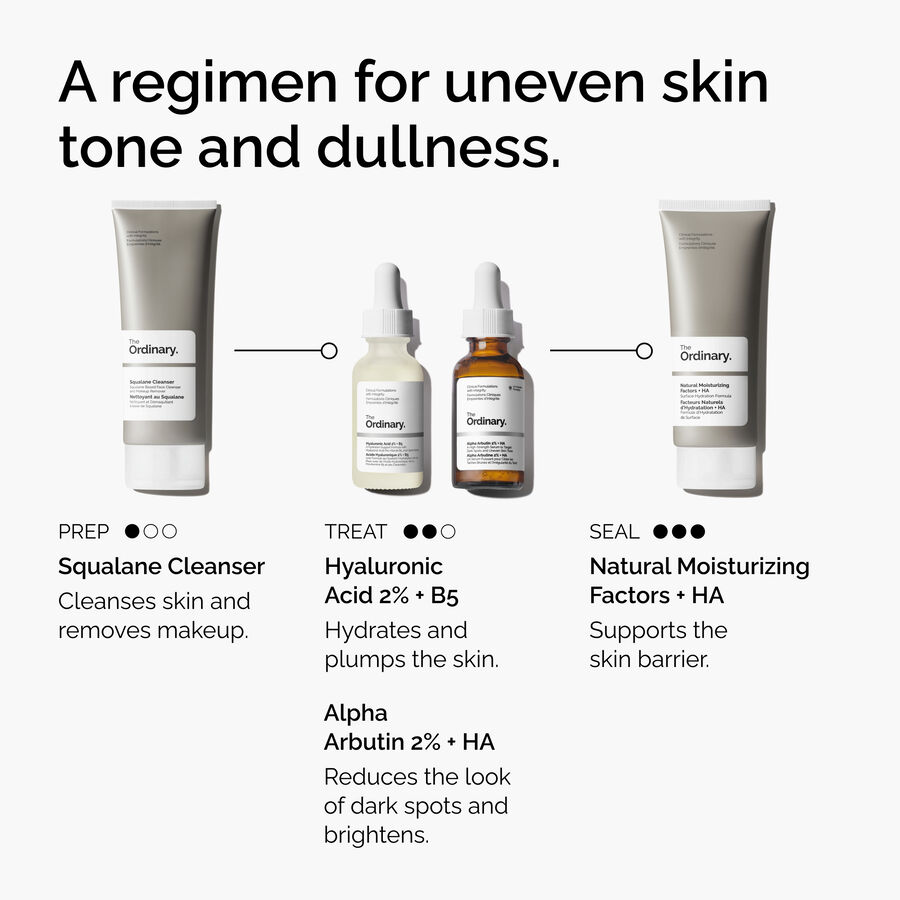
Credit: theordinary.com
Key Ingredients To Target Hyperpigmentation
Understanding which ingredients actively target hyperpigmentation can transform your skincare routine. Not all products are created equal, and some key compounds stand out for their proven ability to fade dark spots and even out skin tone. Identifying these ingredients helps you choose the right products that work effectively and safely for your skin.
Vitamin C
Vitamin C is a powerful antioxidant that brightens your skin and reduces dark spots by inhibiting melanin production. Using a stable form of Vitamin C, like L-ascorbic acid, can help you see noticeable improvements in hyperpigmentation within weeks. Have you noticed how your skin responds to brightening serums? Consistency is key for Vitamin C to work well.
Niacinamide
Niacinamide, also known as Vitamin B3, helps to lighten dark patches and improve skin texture. It reduces the transfer of pigment to skin cells, which means less visible discoloration over time. If your skin is sensitive, niacinamide is a gentle option that also strengthens your skin barrier.
Retinoids
Retinoids promote cell turnover and fade pigmentation by peeling away the top layer of dead skin cells. They also boost collagen production, improving overall skin health and firmness. Have you tried retinoids at night? Start slow to avoid irritation, and watch your skin reveal a more even tone.
Alpha Hydroxy Acids
Alpha Hydroxy Acids (AHAs) like glycolic and lactic acid exfoliate the skin’s surface, helping to remove pigmented dead cells. Regular use can brighten dull skin and reduce the appearance of dark spots. How often do you exfoliate? Overdoing AHAs can cause sensitivity, so balance is essential.
Kojic Acid
Kojic Acid works by blocking the enzyme responsible for melanin production, making it effective against stubborn dark spots. It’s often found in serums and creams designed specifically for hyperpigmentation. Have you considered adding kojic acid to your routine? It can complement other ingredients for a more comprehensive approach.
Daily Skincare Steps
Building a daily skincare routine for hyperpigmentation means choosing the right steps and sticking to them consistently. Each part of your routine plays a key role in brightening your skin and preventing dark spots from getting worse. Let’s break down the essential daily steps that can make a real difference in your skin’s appearance.
Cleansing
Cleansing is your first defense against dirt, oil, and makeup that can clog pores and worsen hyperpigmentation. Use a gentle, sulfate-free cleanser that won’t strip your skin’s natural moisture. I found that switching to a mild cleanser helped reduce irritation, which often triggers more dark spots.
Toning
Toning helps balance your skin’s pH and prepares it for the next steps. Look for toners with ingredients like niacinamide or witch hazel that calm inflammation and reduce redness. Have you noticed how skipping toner sometimes makes your skin feel tight or uneven? That’s why this simple step can improve how your skin absorbs treatments.
Serums
Serums deliver concentrated ingredients directly to your skin. For hyperpigmentation, choose serums containing vitamin C, alpha arbutin, or licorice extract. I started using a vitamin C serum daily, and within weeks, my skin tone looked brighter and more even. Remember, consistency with serums is key to seeing results.
Moisturizing
Keeping your skin hydrated supports its natural healing process and prevents dryness that can worsen dark spots. Use a moisturizer suitable for your skin type—whether it’s a lightweight gel or a richer cream. I always apply moisturizer after serum to lock in active ingredients and keep my skin soft throughout the day.
Sun Protection
Sun exposure is one of the biggest causes of hyperpigmentation, so sunscreen is non-negotiable. Choose a broad-spectrum SPF 30 or higher and apply it every morning, even on cloudy days. Have you ever skipped sunscreen and noticed your spots darken? Protecting your skin daily stops existing pigmentation from getting worse.

Credit: andalou.com
Weekly Treatments
Weekly treatments play a vital role in reducing hyperpigmentation effectively. These treatments help remove dead skin cells and promote skin renewal. They also boost the absorption of active ingredients in your daily skincare products. Consistent weekly care can brighten dark spots and even out skin tone over time.
Exfoliation
Exfoliation removes dull, dead skin cells that make dark spots look worse. Gentle exfoliation once or twice a week helps reveal fresher skin underneath. Use mild scrubs or exfoliating brushes to avoid irritation. Chemical exfoliants with ingredients like AHAs or BHAs are ideal for hyperpigmentation. They dissolve dead skin gently and brighten the complexion.
Face Masks
Face masks provide concentrated treatment and hydration. Choose masks with ingredients like vitamin C, licorice extract, or niacinamide. These ingredients help fade dark spots and calm inflammation. Apply masks once a week after cleansing and exfoliating. Leave on for 10 to 15 minutes, then rinse with lukewarm water.
Chemical Peels
Chemical peels use acids to deeply exfoliate and renew skin. They remove damaged outer layers, revealing brighter skin below. Mild peels with glycolic acid or lactic acid work well for hyperpigmentation. Peels should be done once a week or less, depending on skin sensitivity. Always follow with sunscreen to protect new skin cells.
Lifestyle Tips For Clear Skin
Clear skin depends on more than just creams and serums. Daily habits play a big role in reducing hyperpigmentation. Simple lifestyle changes can improve your skin’s tone and brightness over time.
Eating well, drinking enough water, managing stress, and avoiding triggers support healthy skin. These habits help your skin heal and prevent dark spots from worsening.
Healthy Diet
Foods rich in antioxidants protect skin cells from damage. Include colorful fruits and vegetables like berries, spinach, and carrots. Vitamin C and E help fade dark spots and boost collagen. Avoid processed foods and excess sugar, which can cause inflammation.
Hydration
Water flushes out toxins and keeps skin moist. Drink at least eight glasses of water daily. Well-hydrated skin looks plumper and heals faster. Herbal teas and water-rich fruits also add hydration.
Stress Management
Stress triggers hormone changes that worsen skin conditions. Practice relaxation techniques such as deep breathing or meditation. Regular exercise improves mood and reduces stress. Better mental health reflects in your skin’s appearance.
Avoiding Triggers
Sun exposure increases pigmentation and dark spots. Use broad-spectrum sunscreen every day. Wear hats and protective clothing outdoors. Avoid picking or scratching blemishes to prevent scars. Identify personal triggers like harsh skincare products and avoid them.

Credit: www.yesstyle.com
Common Mistakes To Avoid
Many people make errors that slow down their progress in treating hyperpigmentation. Avoiding these common mistakes helps improve skin tone and reduces dark spots faster. Consistency and care matter most in your routine.
Skipping Sunscreen
Sunscreen protects your skin from harmful UV rays. Sun exposure makes hyperpigmentation worse and causes new spots. Apply sunscreen every day, even on cloudy days or indoors near windows. Choose broad-spectrum SPF 30 or higher for best results.
Over-exfoliating
Exfoliation removes dead skin cells and brightens your skin. But too much scrubbing damages the skin barrier. This leads to irritation and more dark spots. Limit exfoliation to 1-2 times per week using gentle products. Listen to your skin’s needs.
Using Harsh Products
Strong chemicals can irritate sensitive skin and increase pigmentation. Avoid products with high alcohol, fragrance, or rough scrubs. Opt for mild cleansers and soothing ingredients like niacinamide or aloe vera. Gentle care improves skin health and tone.
Inconsistent Routine
Results need regular and steady skincare habits. Skipping treatments or changing products often prevents improvement. Stick to your routine daily for weeks to see changes. Patience and consistency are key to fading dark spots.
When To See A Dermatologist
Knowing when to see a dermatologist can save you time, discomfort, and potential skin damage. Hyperpigmentation might seem manageable at home, but some signs mean it’s time to seek professional advice. Paying attention to your skin’s changes helps you make informed decisions about your skincare routine.
Persistent Hyperpigmentation
If dark spots or patches don’t improve after several weeks of consistent skincare, you should consult a dermatologist. Sometimes, over-the-counter products aren’t enough to treat stubborn hyperpigmentation. A specialist can diagnose underlying causes and suggest stronger, targeted treatments.
Have you noticed discoloration that refuses to fade despite your best efforts? This persistence is a clear sign to get expert help.
Severe Skin Reactions
Using new skincare products can sometimes cause irritation, redness, or allergic reactions. If your skin becomes inflamed, itchy, or starts peeling excessively, stop using the product immediately and see a dermatologist. These symptoms might indicate sensitivity or an allergic reaction that requires medical attention.
Don’t ignore discomfort or worsening skin conditions. Your skin’s health is too important to risk serious damage.
Professional Treatments
Dermatologists offer treatments that are not available over the counter, such as chemical peels, laser therapy, and prescription creams. These options can accelerate the fading of hyperpigmentation and improve your skin texture. If you want faster or more dramatic results, professional treatments are worth considering.
Would you prefer a personalized treatment plan tailored to your skin’s needs? A dermatologist can provide this, ensuring safe and effective care.
Frequently Asked Questions
What Is The Best Skincare Routine For Hyperpigmentation?
A good routine includes gentle cleansing, exfoliation, and targeted treatments like vitamin C and niacinamide. Always apply sunscreen to prevent dark spots from worsening and protect your skin from UV damage.
How Long Does It Take To See Results For Hyperpigmentation?
Results usually appear within 4 to 8 weeks with consistent use of treatments. Patience is key, as skin renewal and fading dark spots take time.
Can Sunscreen Help Reduce Hyperpigmentation?
Yes, sunscreen is essential. It protects skin from UV rays that worsen pigmentation and prevent current spots from darkening. Use broad-spectrum SPF 30 or higher daily.
Are Natural Remedies Effective For Hyperpigmentation?
Some natural ingredients like aloe vera and licorice extract can soothe skin and lighten spots. However, clinical treatments and dermatologist-recommended products work faster and more reliably.
Conclusion
Treating hyperpigmentation takes patience and care. Stick to a gentle skincare routine daily. Use sunscreen to protect your skin from dark spots. Choose products with ingredients like vitamin C and niacinamide. Avoid harsh scrubs that can worsen pigmentation. Notice small changes over time.
Healthy skin needs consistent effort, not quick fixes. Stay calm and keep your routine simple. Your skin will thank you for the care. Keep learning and adjusting as your skin improves. Clearer, brighter skin is possible with steady steps.
