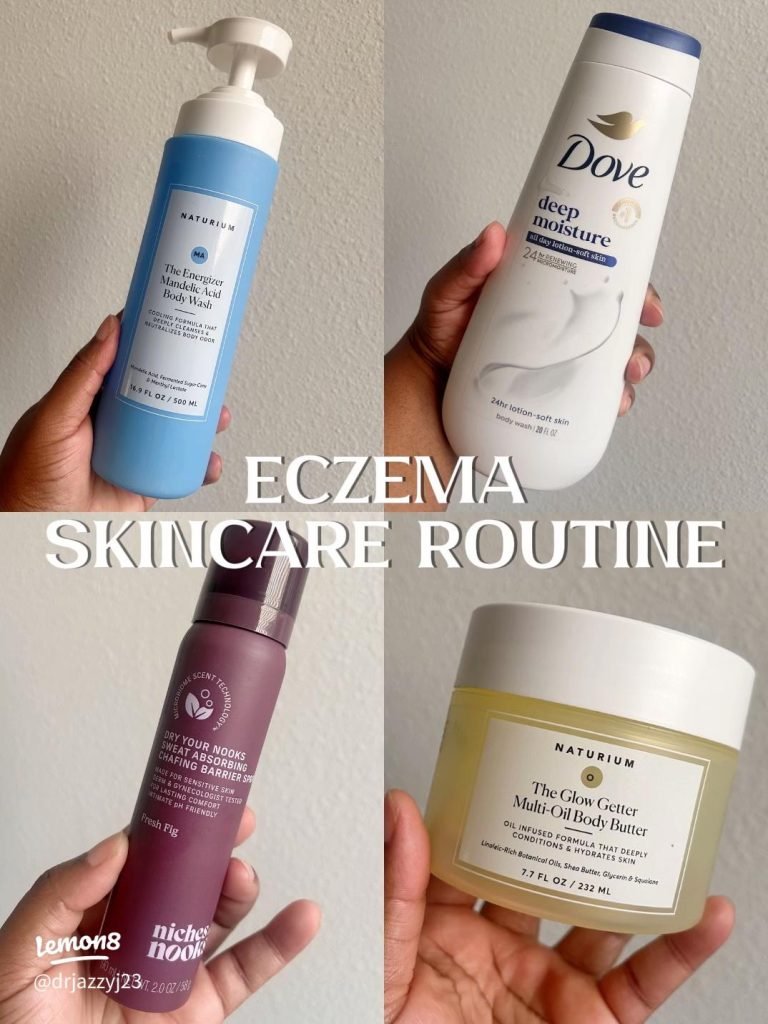
Dealing with eczema can feel frustrating and uncomfortable, especially when your skin is constantly dry, itchy, or irritated. But the right skincare routine can make a big difference in calming your skin and preventing flare-ups.
If you want to feel more confident and comfortable in your own skin, this guide is for you. Keep reading to discover simple, effective steps you can take every day to protect and nourish your skin, so eczema doesn’t control your life.
Your skin deserves care that works—let’s find it together.

Credit: www.reddit.com
Causes Of Eczema Flare-ups
Eczema flare-ups occur when the skin’s protective barrier weakens or reacts to certain factors. These flare-ups cause redness, itching, and dryness. Understanding what triggers eczema can help manage and reduce these episodes. Identifying common causes is the first step in protecting your skin.
Common Triggers To Avoid
- Harsh soaps and detergents that strip natural oils
- Extreme temperatures and sudden weather changes
- Stress and lack of sleep
- Rough fabrics like wool or synthetic materials
- Excessive sweating or dryness
Role Of Allergens And Irritants
Allergens can cause the immune system to overreact, leading to flare-ups. Common allergens include pollen, pet dander, and dust mites.
Irritants damage the skin directly. These include chemicals in skincare products, fragrances, and household cleaners. Even small exposures can trigger itching and redness.

Credit: www.youtube.com
Choosing Gentle Cleansers
Choosing a gentle cleanser is key for eczema-prone skin. Harsh cleansers can strip natural oils and worsen irritation. A mild, soothing cleanser helps maintain the skin’s barrier. It removes dirt without causing dryness or redness.
Ingredients To Look For
- Glycerin: Adds moisture and keeps skin soft.
- Ceramides: Help restore and protect the skin barrier.
- Aloe vera: Soothes and calms inflamed skin.
- Colloidal oatmeal: Reduces itching and irritation.
- Shea butter: Provides gentle hydration without clogging pores.
- Panthenol (Vitamin B5): Supports skin healing and hydration.
These ingredients support skin health and reduce eczema flare-ups.
Avoiding Harsh Chemicals
- Sulfates (like Sodium Lauryl Sulfate): Can dry and irritate skin.
- Fragrances: Often cause allergic reactions and itching.
- Alcohol: Dries out skin and breaks down the barrier.
- Parabens: May cause skin sensitivity in some people.
- Artificial dyes: Can trigger eczema flare-ups.
Select cleansers free from these chemicals to protect sensitive skin. Always check product labels carefully before buying.
Effective Moisturizing Techniques
Moisturizing is a key step in caring for eczema-prone skin. It helps keep the skin barrier strong and reduces dryness and itching. Using the right moisturizing techniques can soothe flare-ups and prevent future irritation. Consistency and proper application make a big difference.
Best Moisturizer Types For Eczema
- Ointments:Thick and oily, they lock in moisture effectively.
- Creams:Balanced texture, suitable for daily use on most skin types.
- Lotions:Lighter but may need frequent reapplication on very dry skin.
- Barrier Repair Creams:Contain ingredients like ceramides to restore skin.
- Fragrance-Free Products:Reduce the risk of irritation and allergic reactions.
How And When To Apply
Apply moisturizer right after bathing or washing hands to trap water in the skin. Use gentle pats instead of rubbing to avoid irritation. Cover all dry areas and any skin that feels tight or itchy.
Reapply moisturizer at least twice a day, especially on flare-up areas. During cold or dry weather, increase application frequency. Use clean hands to prevent infections. Consistent moisturizing keeps eczema symptoms under control.
Credit: www.lemon8-app.com
Soothing Treatments And Remedies
Soothing treatments and remedies play a vital role in managing eczema symptoms. They help calm irritated skin and reduce redness. Choosing the right options can ease discomfort and support healing.
Natural Options For Relief
Many people find relief using natural remedies. These options are gentle and can support sensitive skin.
- Oatmeal Baths:Colloidal oatmeal soothes itching and reduces inflammation.
- Coconut Oil:Moisturizes skin and has mild antibacterial properties.
- Aloe Vera:Cools irritated skin and speeds healing.
- Honey:Acts as a natural moisturizer and helps fight bacteria.
These natural treatments can be applied directly or added to baths. Testing a small skin area first avoids reactions.
Over-the-counter Products
OTC products provide easy access to eczema relief. They include creams, ointments, and lotions formulated for sensitive skin.
- Hydrocortisone Cream:Reduces inflammation and itching quickly.
- Moisturizers:Look for fragrance-free, thick formulas that lock in moisture.
- Anti-itch Lotions:Contain ingredients like pramoxine to soothe itching.
- Barrier Repair Creams:Help restore the skin’s natural protective layer.
Use these products as directed. Consistency improves skin comfort and helps prevent flare-ups.
Lifestyle Habits To Support Skin Health
Supporting your skin health goes beyond just the products you apply. Your daily lifestyle habits play a key role in managing eczema and keeping your skin calm and nourished. Simple changes in what you eat and how you handle stress can make a big difference in your skin’s condition.
Diet And Hydration Tips
Your skin reflects what you feed your body. Eating foods rich in omega-3 fatty acids, like salmon or flaxseeds, can help reduce inflammation and soothe eczema flare-ups.
Try to avoid common triggers such as processed foods, sugary snacks, and dairy if you notice they worsen your symptoms. Keeping a food diary might help you identify these triggers.
Hydration is just as important. Drinking plenty of water keeps your skin cells plump and aids in flushing out toxins. Aim for at least 8 glasses a day, and consider herbal teas if plain water feels boring.
Managing Stress Levels
Stress can be a silent trigger for eczema. When you’re stressed, your body releases chemicals that may worsen inflammation and itching.
Finding ways to calm your mind can help your skin heal faster. Simple practices like deep breathing, yoga, or even a short walk outside can lower stress hormones.
Have you noticed your eczema flares during tough times? Try setting aside just 10 minutes daily to relax and observe any changes in your skin. This small habit can lead to big improvements over time.
When To See A Dermatologist
Knowing when to see a dermatologist is crucial for managing eczema effectively. Mild eczema can often be treated at home. Severe or persistent symptoms need professional care. Early consultation can prevent complications and improve skin health.
Signs Of Severe Eczema
- Intense itching that disrupts sleep
- Widespread redness and swelling
- Cracked, bleeding, or oozing skin
- Skin infections like pus or crusting
- Thickened or leathery patches
- No improvement after using basic treatments
Treatment Options Offered
A dermatologist can provide stronger treatments. These include:
- Prescription topical steroids to reduce inflammation
- Immunomodulators to calm the immune response
- Antibiotics for infected skin areas
- Phototherapy using controlled light exposure
- Advice on avoiding triggers and skin care routines
Personalized treatment helps control flare-ups and soothe skin. Regular follow-ups ensure the best results.
Frequently Asked Questions
What Is The Best Skincare Routine For Eczema?
A gentle, fragrance-free cleanser and a rich moisturizer are essential. Apply moisturizer immediately after bathing to lock in moisture. Avoid hot water and harsh soaps to prevent irritation. Use products designed for sensitive skin to reduce flare-ups and soothe eczema.
How Often Should I Moisturize Eczema-prone Skin?
Moisturize at least twice daily, preferably morning and night. Reapply after washing hands or bathing to maintain skin hydration. Consistent moisturizing helps restore the skin barrier and reduce dryness. Use thick creams or ointments for better protection.
Can I Use Natural Oils For Eczema Care?
Yes, certain natural oils like coconut or sunflower oil can soothe eczema. They help moisturize and reduce inflammation. However, test on a small skin area first to avoid allergic reactions. Avoid heavily scented or essential oils that may irritate sensitive skin.
Should I Avoid Specific Ingredients In Eczema Skincare?
Avoid fragrances, alcohol, and harsh chemicals in skincare products. These can worsen irritation and cause flare-ups. Look for hypoallergenic and dermatologist-tested products. Ingredients like ceramides and colloidal oatmeal help repair and protect eczema skin.
Conclusion
Caring for eczema-prone skin needs patience and the right routine. Choose gentle cleansers and moisturizers. Avoid harsh chemicals. Hydration is key to soothing dry patches. Listen to your skin’s needs. Adjust products as necessary. Always patch-test new items. Consistency can lead to better skin health.
Stress management helps too. Seek professional advice if needed. Remember, everyone’s skin is unique. Tailor routines to suit your needs. With care, eczema can be managed effectively. Your skin deserves kindness and attention.