Do you struggle with dry, sensitive skin that feels tight, itchy, or irritated? Finding the right skincare routine can feel overwhelming when your skin needs extra care and gentle products.
But what if you could discover a simple, effective routine that soothes your skin, keeps it hydrated, and protects it from harsh elements? You’ll learn easy steps and tips tailored just for your dry and sensitive skin. Keep reading to unlock the secrets to a calm, glowing complexion you’ll love.
Causes Of Dry And Sensitive Skin
Dry and sensitive skin feels tight, itchy, and sometimes irritated. Understanding what causes these issues helps in choosing the right skincare. Various factors can lead to dryness and sensitivity. These include the environment, genetics, and daily habits. Each factor affects the skin’s ability to stay hydrated and calm.
Environmental Factors
Cold weather removes moisture from the skin. Dry air, especially indoors, also causes dryness. Sun exposure can damage the skin’s protective layer. Harsh winds can strip away natural oils. Pollution adds stress and irritants to sensitive skin.
Genetic Influences
Some people inherit dry or sensitive skin from their parents. Genes affect how much oil the skin produces. They also influence the skin’s barrier strength. Weak skin barriers lose moisture faster. This makes skin prone to irritation and redness.
Lifestyle Habits
Hot showers wash away natural oils. Using strong soaps can irritate the skin. Skipping moisturizer leaves skin dry and tight. Poor diet may lack essential fatty acids. Stress and lack of sleep reduce skin repair. Drinking little water dehydrates the skin from inside.

Credit: www.youtube.com
Choosing The Right Cleanser
Choosing the right cleanser is key for dry and sensitive skin. The cleanser must clean without stripping natural oils. It should soothe and protect the skin barrier. A good cleanser helps maintain moisture and reduces irritation. Picking the wrong cleanser can cause redness and tightness.
Gentle Ingredients To Look For
Choose cleansers with calming ingredients. Look for:
- Aloe vera – soothes and hydrates skin
- Glycerin – draws moisture into the skin
- Chamomile – calms redness and irritation
- Oat extract – reduces itchiness and inflammation
- Hyaluronic acid – boosts skin hydration
These ingredients clean softly while supporting skin health.
Avoiding Harsh Chemicals
Avoid cleansers with strong chemicals that dry out skin. Steer clear of:
- Sulfates (like SLS and SLES) – strip natural oils
- Alcohol – causes dryness and irritation
- Fragrances – trigger allergic reactions
- Parabens – may harm sensitive skin
- Harsh exfoliants – can damage fragile skin barrier
These ingredients disrupt the skin’s moisture and cause discomfort.
Best Cleanser Types
Cleansers for dry, sensitive skin come in various forms. Some best types include:
- Cream cleansers:Rich texture, hydrates as it cleans
- Milk cleansers:Light, gentle, removes impurities softly
- Micellar water:No rinse, removes dirt without drying
- Oil cleansers:Dissolve makeup and grime while moisturizing
Pick a type that fits your skin’s needs and feels comfortable.
Effective Hydration Techniques
Effective hydration is key for dry and sensitive skin. It helps soothe irritation and prevents flaking. Choosing the right products and applying them properly keeps skin soft and healthy. Hydration supports the skin’s natural barrier and locks in moisture.
Moisturizer Types For Dry Skin
Moisturizers come in different types. Creams are thick and rich, ideal for dry skin. They provide a strong moisture barrier. Lotions are lighter but still hydrating. Ointments are very thick and best for extreme dryness. Look for ingredients like glycerin, hyaluronic acid, and ceramides. These help attract and hold moisture.
Hydrating Serums And Oils
Serums contain concentrated ingredients that deeply hydrate. Hyaluronic acid serums draw water into skin layers. Oils seal in moisture and protect the skin’s surface. Examples include jojoba oil, argan oil, and rosehip oil. Combine serums and oils for extra hydration. They improve skin texture and reduce dryness.
When And How To Apply
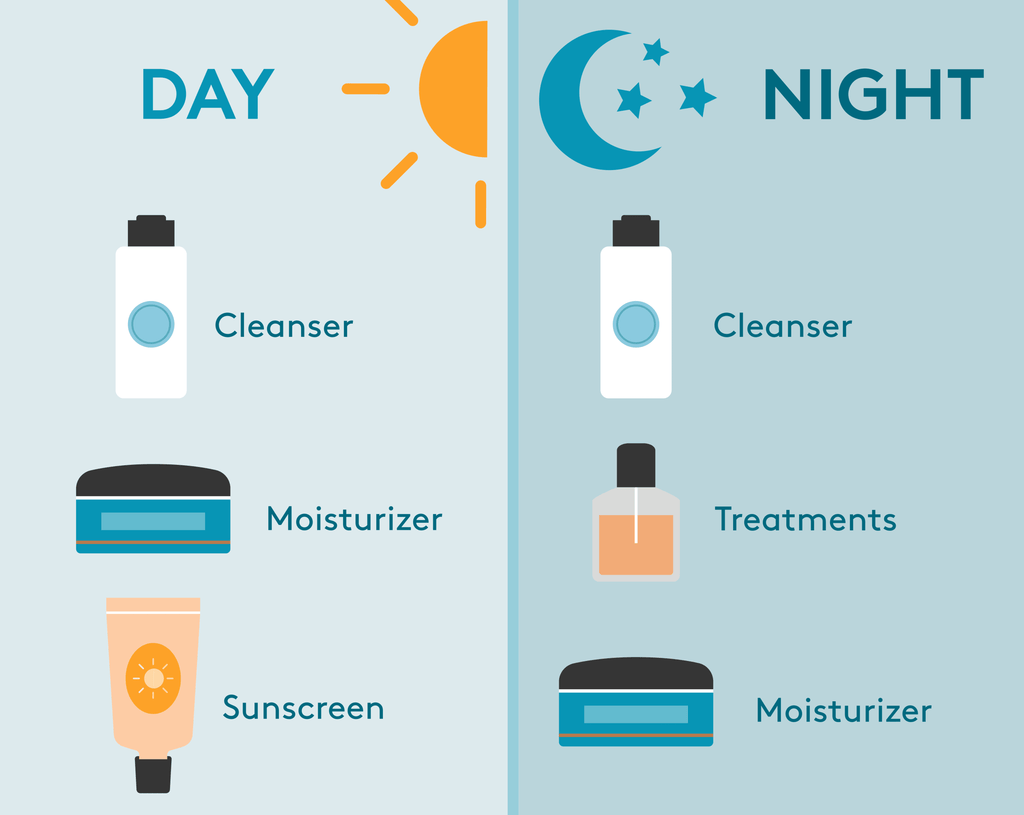
- Apply moisturizer right after cleansing to lock in moisture.
- Use serums before moisturizer for better absorption.
- Gently pat products into the skin instead of rubbing.
- Apply oils last to seal moisture and protect skin barrier.
- Use hydrating products twice daily, morning and night.
Soothing Treatments For Sensitivity
Soothing treatments play a crucial role in calming dry and sensitive skin. These treatments help reduce redness, irritation, and discomfort, allowing your skin to heal and feel comfortable. Choosing the right products and methods can make a big difference in how your skin responds each day.
Calming Ingredients
Look for skincare products containing ingredients known for their soothing properties. Ingredients like aloe vera, chamomile, and oat extract can reduce inflammation and provide gentle hydration.
Niacinamide is another powerful option; it strengthens your skin’s barrier and improves tolerance to other products. Avoid harsh chemicals or fragrances that might trigger sensitivity or dryness.
Using Face Masks Safely
Face masks can be a great way to deliver extra moisture and calm your skin, but they must be used carefully. Choose masks formulated specifically for sensitive skin, focusing on hydrating and calming ingredients.
Limit mask use to once or twice a week to avoid overloading your skin. Always patch test new masks on a small area before applying them to your entire face to prevent unexpected reactions.
Spot Treatments
Spot treatments can target specific areas of irritation without overwhelming your entire face. Use mild anti-redness creams or ointments that contain soothing ingredients like calendula or allantoin.
Applying spot treatments only where needed helps avoid unnecessary dryness or irritation elsewhere. Have you tried customizing your routine this way to see how your skin reacts differently?
Sun Protection Essentials
Sun protection is vital for dry and sensitive skin. It prevents damage and keeps skin calm and healthy. Choosing the right sunscreen and applying it properly helps avoid redness and irritation. Consistent sun protection supports your skincare routine and improves skin texture.
Choosing Sensitive Skin Sunscreens
Pick sunscreens with gentle, soothing ingredients. Look for mineral-based formulas with zinc oxide or titanium dioxide. These protect without clogging pores or causing dryness. Avoid sunscreens with fragrances, alcohol, or parabens. They may irritate sensitive skin or cause redness. Lightweight and non-greasy options work best to keep skin comfortable all day.
Daily Application Tips
Apply sunscreen every morning, even on cloudy days. Use enough to cover all exposed areas evenly. Reapply every two hours if outdoors for long periods. Use a broad-spectrum sunscreen with at least SPF 30. Gently pat sunscreen into the skin instead of rubbing harshly. Let it absorb fully before applying makeup or other products. This keeps your skin protected without irritation.

Credit: www.colorescience.com
Lifestyle Tips For Skin Health
Taking care of dry and sensitive skin goes beyond just the products you apply. Your daily habits play a huge role in how your skin feels and looks. Small changes in your lifestyle can make a big difference in soothing irritation and maintaining moisture.
Diet And Hydration
What you eat directly affects your skin’s health. Foods rich in omega-3 fatty acids, like salmon and walnuts, help reduce inflammation and keep skin hydrated. Antioxidant-packed fruits and vegetables, such as berries and spinach, protect your skin from damage.
Drinking enough water is just as important. Aim for at least 8 glasses a day to keep your skin plump and prevent dryness. If plain water feels boring, try herbal teas or water infused with cucumber and mint for a refreshing twist.
Sleep And Stress Management
Have you noticed your skin acting up after a sleepless night? Lack of sleep can worsen dryness and increase sensitivity. Your skin repairs itself while you sleep, so getting 7–9 hours is essential.
Stress triggers the release of hormones that can cause flare-ups. Simple stress reducers like deep breathing, walking outdoors, or listening to calming music can calm your skin as well as your mind. What stress relief activity fits into your day?
Avoiding Irritants
Dry and sensitive skin reacts quickly to harsh chemicals and environmental factors. Avoid skincare products with fragrances, alcohol, or strong preservatives that can strip your skin’s natural oils.
Even everyday choices matter—wear soft fabrics and use gentle laundry detergents to prevent irritation. Protect your skin from extreme weather by covering up and using a humidifier indoors during dry seasons.
Adjusting Routine For Seasonal Changes
Dry and sensitive skin needs special care throughout the year. Changing seasons bring new challenges for your skin. Adjusting your skincare routine helps protect and soothe your skin. It keeps your skin healthy, soft, and comfortable no matter the weather.
Winter Care
Winter air is cold and dry. It pulls moisture from your skin quickly. Use a rich, creamy moisturizer to lock in hydration. Choose products with ingredients like hyaluronic acid and ceramides. Avoid harsh cleansers that strip natural oils. Apply sunscreen even on cloudy days. Protect your skin by wearing scarves and gloves. Limit hot showers, as heat can dry skin more.
Summer Adjustments
Summer heat causes sweat and oil buildup. Light, non-greasy moisturizers work best. Look for water-based or gel formulas. Use a broad-spectrum sunscreen with at least SPF 30 daily. Cleanse your skin gently to remove sweat and dirt. Stay hydrated by drinking plenty of water. Avoid heavy makeup that can clog pores. Use soothing ingredients like aloe vera to calm skin after sun exposure.

Credit: www.walmart.ca
Frequently Asked Questions
What Is The Best Moisturizer For Dry And Sensitive Skin?
Choose a fragrance-free, hydrating moisturizer with ceramides or hyaluronic acid. These ingredients restore moisture and soothe irritation effectively.
How Often Should I Exfoliate Dry Sensitive Skin?
Exfoliate gently once a week using a mild, non-abrasive exfoliant. Over-exfoliating can worsen dryness and cause redness or irritation.
Can I Use Facial Oils On Dry, Sensitive Skin?
Yes, lightweight facial oils like jojoba or squalane can nourish without clogging pores. They help lock in moisture and calm sensitivity.
Which Cleanser Suits Dry And Sensitive Skin Types Best?
Use a gentle, sulfate-free cream or gel cleanser. It cleanses without stripping natural oils or triggering dryness and irritation.
Conclusion
Achieving healthy skin requires consistency and care. Choose gentle products for your routine. Cleanse softly to avoid irritation. Moisturize daily to lock in hydration. Hydration is key. Protect your skin with sunscreen. It prevents damage. Listen to your skin’s needs.
Adjust products as necessary. Patience is important for results. Consult a dermatologist for personalized advice. They provide expert guidance. Remember, every skin is unique. Find what works best for you. Enjoy your glowing skin journey.
