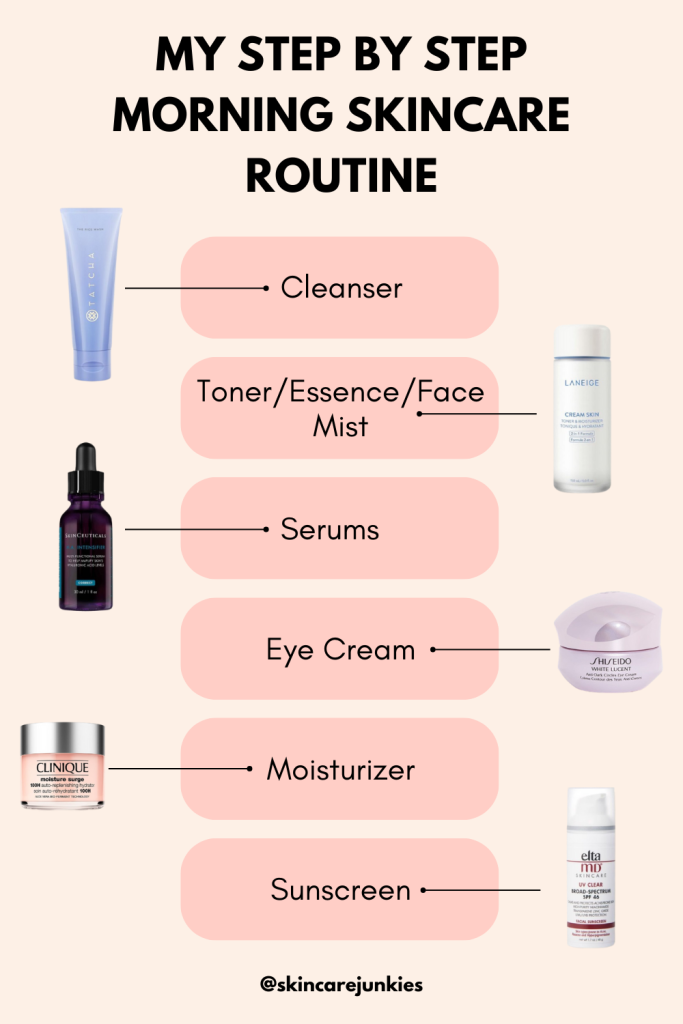
Are you overwhelmed by the countless skincare products lining the shelves or the endless beauty tips circulating online? You’re not alone.
Starting a skincare routine can feel like stepping into a maze, filled with confusing terms and products that all promise glowing, flawless skin. But what if you could simplify it all and find a routine that actually works for you?
Imagine waking up each day with radiant skin that boosts your confidence and enhances your natural beauty. In this guide, you’ll discover a straightforward skincare routine designed specifically for beginners. It’s easy to follow, effective, and tailored to help you achieve the healthy skin you’ve always wanted. Stick around, and let’s unlock the secrets to starting your perfect skincare journey.
Choosing The Right Products
Choosing the right skincare products is key for a healthy skin routine. The perfect products suit your skin’s needs and improve its condition. Picking wrong products can cause irritation or breakouts. Start with knowing your skin type and what it requires. Then, select products that match those needs. Always check product labels to avoid harmful ingredients and find helpful ones. This approach helps build a skincare routine that works well and feels good.
Identify Your Skin Type
Knowing your skin type guides your product choices. Skin types include:
- Oily: Shiny and prone to acne
- Dry: Flaky and rough
- Combination: Oily in some areas, dry in others
- Normal: Balanced and not too oily or dry
- Sensitive: Easily irritated or red
Observe your skin after washing and throughout the day. This helps understand how it behaves. Choose products designed for your skin type to get the best results.
Essential Skincare Products
Every beginner needs a few basic products:
- Cleanser: Removes dirt and oil
- Moisturizer: Keeps skin hydrated
- Sunscreen: Protects from sun damage
Start simple before adding more products. Pick gentle formulas that suit your skin type. These essentials create a strong foundation for your skincare routine.
Reading Product Labels
Product labels reveal what is inside. Look for key words like “non-comedogenic” or “fragrance-free” if you have sensitive skin.
Check for ingredients like:
| Good Ingredients | Ingredients to Avoid |
|---|---|
| Hyaluronic Acid | Alcohol |
| Glycerin | Parabens |
| Niacinamide | Sulfates |
Understanding labels helps pick safe and effective products. Avoid harmful chemicals to protect your skin’s health.
Credit: www.lemon8-app.com
Cleansing Basics
Cleansing is the first and most important step in any skincare routine. It removes dirt, oil, and impurities from the skin surface. Clean skin helps other products work better and prevents breakouts. Understanding the basics of cleansing helps beginners keep their skin healthy and fresh.
How Often To Cleanse
Cleanse your face twice a day: once in the morning and once before bed. Morning cleansing removes sweat and oil from sleep. Evening cleansing washes away makeup, dirt, and pollution from the day. Avoid over-cleansing, which can dry out and irritate skin.
Best Cleansing Techniques
- Use lukewarm water to open pores gently.
- Apply a small amount of cleanser with clean hands.
- Massage your face in circular motions for 30 seconds.
- Focus on the T-zone, where oil builds up most.
- Rinse thoroughly to remove all cleanser residues.
- Pat your skin dry with a soft towel; avoid rubbing.
Common Cleansing Mistakes
- Using hot water that strips natural oils.
- Over-washing, leading to dry, irritated skin.
- Choosing harsh cleansers that disrupt the skin barrier.
- Skipping cleansing at night, leaving dirt and oil on skin.
- Using dirty hands or towels, causing bacteria spread.
Moisturizing Tips
Moisturizing is a key step in any skincare routine. It keeps skin soft, smooth, and healthy. Good moisturizing helps protect the skin from dryness and damage. It also improves the skin’s natural barrier. Choosing the right moisturizer and applying it well can make a big difference.
Selecting A Suitable Moisturizer
Pick a moisturizer that fits your skin’s needs. Look at the ingredients and texture. For dry skin, choose rich creams with oils. For oily skin, try light, non-greasy lotions. Sensitive skin needs gentle, fragrance-free products. Check labels for terms like “non-comedogenic” to avoid clogged pores.
Applying Moisturizer Correctly
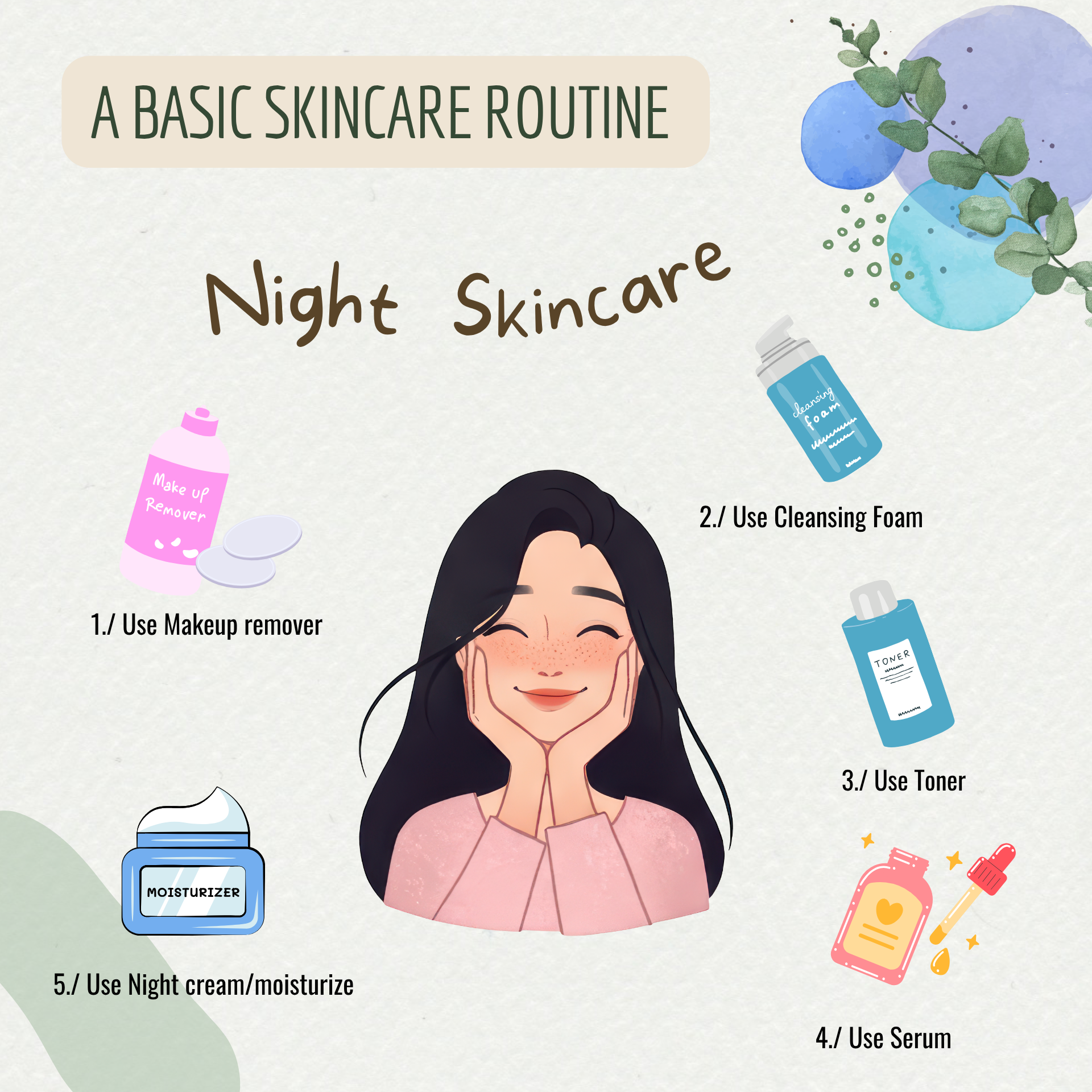
Apply moisturizer on clean, slightly damp skin. Use gentle upward strokes with your fingertips. Don’t forget your neck and jawline. Use a small amount at first, add more if needed. Avoid rubbing too hard to prevent irritation. Let it absorb before applying makeup or sunscreen.
Moisturizing For Different Skin Types
| Skin Type | Moisturizer Type | Tips |
|---|---|---|
| Dry | Thick cream or ointment | Apply twice daily; use hydrating serums |
| Oily | Light lotion or gel | Use oil-free, non-comedogenic products |
| Combination | Balance cream or gel | Moisturize dry areas more; use mattifying products on oily zones |
| Sensitive | Fragrance-free, hypoallergenic cream | Patch test new products; avoid irritants |
Credit: timicosmetics.com
Sun Protection
Sun protection is a key step in any skincare routine. It helps keep skin healthy and prevents damage from harmful UV rays. Daily use of sun protection reduces risks of sunburn, premature aging, and skin cancer. Even on cloudy days, UV rays can harm your skin. Protecting your skin every day builds a strong defense against sun damage.
Importance Of Sunscreen
Sunscreen blocks harmful ultraviolet rays from the sun. These rays can cause sunburn and skin aging. Long-term exposure can lead to serious skin problems. Sunscreen helps prevent wrinkles, dark spots, and skin cancer. Using sunscreen daily keeps your skin safe and healthy.
Choosing The Right Spf
SPF means Sun Protection Factor. It shows how well sunscreen protects skin from UVB rays. Choose a sunscreen with at least SPF 30 for daily use. For longer outdoor activities, SPF 50 is better. Broad-spectrum sunscreens protect against UVA and UVB rays. Look for water-resistant formulas if you sweat or swim.
Applying Sunscreen Properly
Use enough sunscreen to cover all exposed skin. Apply sunscreen 15 to 30 minutes before going outside. Reapply every two hours or after swimming or sweating. Don’t forget ears, neck, and hands. Sunscreen works best on clean, dry skin. Make it the last step in your morning skincare routine.
Incorporating Exfoliation
Incorporating exfoliation into your skincare routine helps remove dead skin cells. It reveals fresh, glowing skin underneath. Exfoliation can also improve how your skin absorbs other products. It smooths rough patches and clears clogged pores. Doing this gently and correctly supports healthy skin without causing harm.
Types Of Exfoliants
There are two main types of exfoliants: physical and chemical.
- Physical exfoliantsuse small particles or tools to scrub away dead skin. Examples include scrubs, brushes, and sponges.
- Chemical exfoliantsuse acids or enzymes to dissolve dead skin cells. Common ingredients are alpha hydroxy acids (AHAs) and beta hydroxy acids (BHAs).
Chemical exfoliants are often gentler and better for sensitive skin. Physical exfoliants need careful use to avoid irritation.
How Often To Exfoliate
Exfoliation frequency depends on your skin type and the exfoliant used.
- Dry or sensitive skin: exfoliate 1 time per week.
- Normal or combination skin: exfoliate 2 times per week.
- Oily or acne-prone skin: exfoliate up to 3 times per week.
Start slow and watch how your skin reacts. Over-exfoliating can cause redness and dryness.
Exfoliation Tips For Beginners
- Choose a gentle exfoliant suitable for your skin type.
- Always cleanse your face before exfoliating.
- Use light pressure with physical exfoliants to avoid damage.
- Apply chemical exfoliants according to instructions, avoiding eye areas.
- Follow exfoliation with a moisturizer to soothe skin.
- Use sunscreen daily, as exfoliated skin is more sensitive to sun.
Be patient. Your skin may take time to adjust to exfoliation.
Additional Skincare Steps
Once you’ve mastered the basics of cleansing and moisturizing, you might wonder what else can boost your skincare game. Additional skincare steps can enhance your routine, targeting specific concerns and improving your skin’s overall health. These steps don’t have to be complicated or time-consuming—they can fit easily into your daily or weekly rituals.
Using Toners
Toners help balance your skin’s pH and remove any leftover dirt after cleansing. They can soothe irritation, tighten pores, and prep your skin to absorb the next products better. Look for alcohol-free formulas with calming ingredients like witch hazel or rose water if you have sensitive skin.
Have you noticed your moisturizer doesn’t seem to soak in well? Adding a toner might be the missing link to smoother, more refreshed skin.
Introducing Serums
Serums are lightweight but packed with active ingredients that target specific skin issues like dullness, fine lines, or acne. A vitamin C serum in the morning can brighten your complexion, while a hyaluronic acid serum keeps your skin hydrated throughout the day.
Start with one serum and see how your skin reacts before adding more. This way, you avoid overwhelming your skin and can better track what works for you.
Face Masks For Glow
Face masks offer a quick boost to your skin’s health and appearance. Depending on your needs, you can choose hydrating masks, clay masks for oil control, or sheet masks for a surge of nutrients.
Try using a mask once or twice a week. Notice how your skin feels afterward—is it softer, clearer, or more radiant? That instant feedback helps you decide which masks are worth keeping in your routine.
Healthy Lifestyle Habits
Building a solid skincare routine goes beyond just the products you apply. Your daily habits play a crucial role in how your skin looks and feels. Focusing on healthy lifestyle habits can boost your skin’s natural glow and help prevent common issues like dryness, acne, and dullness.
Hydration And Diet
Drinking enough water is one of the simplest ways to improve your skin. Water helps flush out toxins and keeps your skin cells plump and healthy.
Eating a balanced diet rich in fruits, vegetables, and healthy fats gives your skin the nutrients it needs. Foods high in antioxidants like berries and leafy greens protect your skin from damage.
Have you noticed how your skin reacts after a sugary snack or greasy meal? Paying attention to these changes can help you choose foods that support your skin’s health.
Sleep And Stress Management
Getting enough sleep allows your skin to repair and regenerate overnight. Aim for 7-9 hours of quality sleep to reduce dark circles and improve skin texture.
Stress triggers hormones that can cause breakouts and inflammation. Finding ways to relax, like meditation or light exercise, can calm your skin and mind.
Ask yourself what activities help you feel calm and rested. Prioritizing those can make a noticeable difference in how your skin looks and feels.
Avoiding Harmful Habits
Smoking restricts blood flow and damages collagen, leading to premature wrinkles and dull skin. Quitting smoking benefits not just your skin but your overall health.
Excessive alcohol intake dehydrates your skin and can cause redness or puffiness. Limiting alcohol helps maintain skin’s moisture and tone.
Think about your daily routines—are there habits that might be harming your skin? Small changes, like wearing sunscreen or washing your face before bed, add up over time.
Credit: www.lemon8-app.com
Frequently Asked Questions
What Are The Basic Steps In A Beginner Skincare Routine?
A beginner skincare routine includes cleansing, moisturizing, and applying sunscreen daily. Start with gentle products suitable for your skin type. Add exfoliation and treatments gradually to avoid irritation. Consistency is key for visible results and healthy skin.
How Often Should Beginners Exfoliate Their Skin?
Beginners should exfoliate 1-2 times per week. Over-exfoliating can cause irritation and damage. Use gentle exfoliants to remove dead skin cells. This helps improve skin texture and promotes cell renewal without harming the skin barrier.
Which Skincare Products Are Essential For Beginners?
Essential products include a cleanser, moisturizer, and sunscreen. These protect, hydrate, and clean your skin daily. Choose products based on your skin type for best results. Avoid harsh ingredients to prevent irritation and maintain healthy skin.
When Is The Best Time To Apply Skincare Products?
Apply skincare products twice daily, morning and night. Cleanse your face first to remove dirt and oil. Use moisturizer to hydrate and sunscreen in the morning to protect against UV rays. Night treatments help repair skin while you sleep.
Conclusion
Starting a skincare routine can feel simple and clear. Choose gentle products that suit your skin type. Cleanse, moisturize, and protect your skin every day. Consistency matters more than using many products. Your skin will improve with time and care.
Listen to your skin’s needs and adjust as needed. Healthy skin brings confidence and comfort. Keep learning and enjoy the process. Small steps make a big difference in skincare. Begin today for a fresh, glowing face tomorrow.
