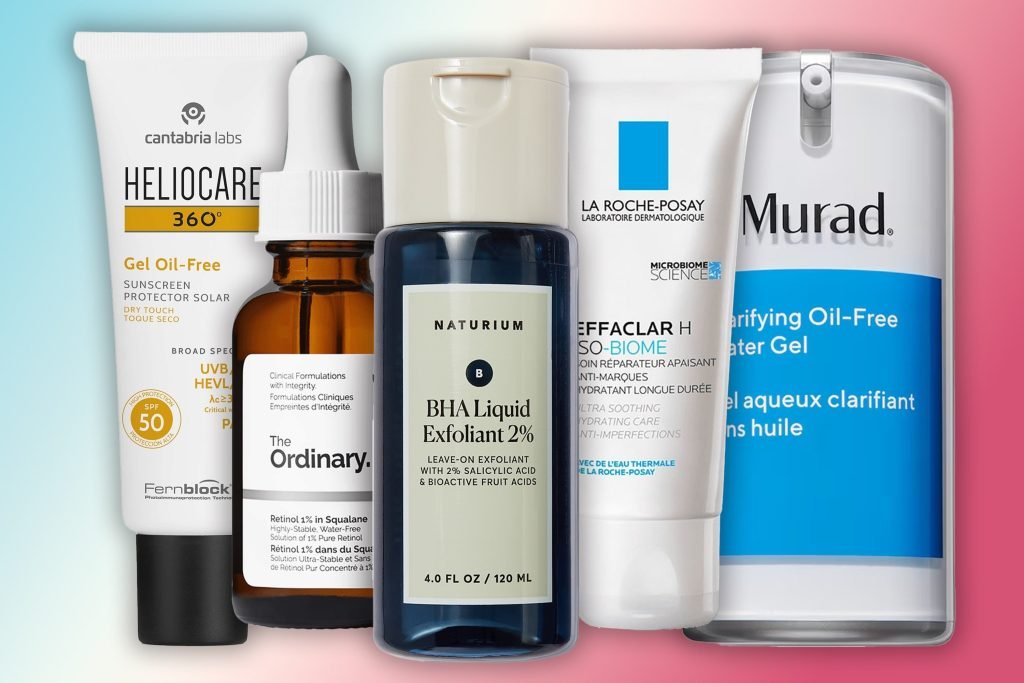
Imagine waking up, looking in the mirror, and feeling confident in your skin. Acne scars can be a stubborn reminder of past breakouts, but they don’t have to define your future.
If you’re tired of feeling self-conscious about those lingering marks, you’re in the right place. This blog post is crafted just for you—a straightforward, no-nonsense guide to a skincare routine that targets acne scars effectively. Discover the secrets to smoother, clearer skin, and embrace a skincare routine that works.
Ready to transform your skin and boost your confidence? Let’s dive in and tackle those acne scars together.
Causes Of Acne Scars
Acne scars can feel like unwelcome reminders of past skin battles. Understanding what causes these scars is crucial to managing them effectively. Your skin’s healing process after acne plays a big role in whether scars develop or fade away.
Types Of Acne Scars
Acne scars come in different shapes and depths, each requiring specific care. Here are the main types you might notice:
- Atrophic scars:These are sunken or pitted scars caused by lost tissue. They include ice pick, boxcar, and rolling scars.
- Hypertrophic scars:Raised scars that form due to excess collagen during healing.
- Keloid scars:Similar to hypertrophic but grow beyond the original acne spot, often larger and more prominent.
Have you ever wondered why some scars disappear while others stay raised or deep? The type of scar largely depends on how your skin repairs itself.
Factors Worsening Scarring
Not all acne scars are inevitable. Certain habits and conditions make scarring worse. Avoiding these can improve your skin’s recovery.
- Popping or squeezing pimples:This can push bacteria deeper and increase inflammation, leading to bigger scars.
- Delaying treatment:Untreated severe acne often results in more scarring.
- Sun exposure:UV rays darken scars and slow healing.
- Skin picking or scratching:These actions disrupt healing and worsen scar appearance.
- Genetics:Some people’s skin naturally scars more easily, making prevention even more important.
Think about your own skincare habits—are you unknowingly making your scars worse? Small changes here can make a big difference over time.
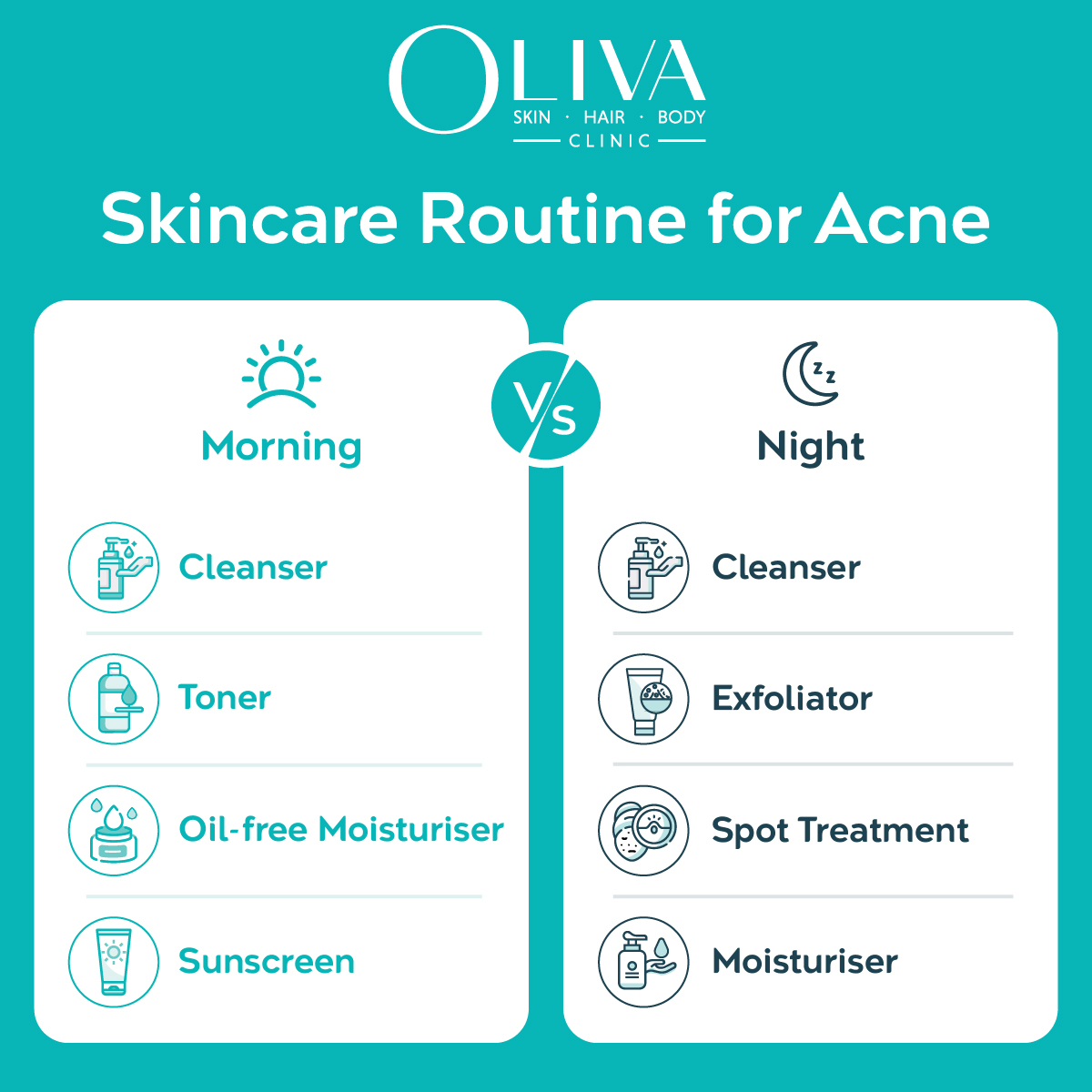
Credit: www.olivaclinic.com
Daily Skincare Essentials
Daily skincare is key to reduce acne scars and improve skin health. Consistent care helps skin heal and stay smooth. Choosing the right steps can protect skin and boost its natural glow.
Gentle Cleansing Techniques
Clean skin starts with gentle cleansing. Use a mild cleanser that does not strip oils. Avoid harsh scrubbing to prevent irritation. Pat skin dry with a soft towel instead of rubbing. Cleanse twice daily to remove dirt and excess oil.
Choosing The Right Moisturizer
Moisturizing keeps skin soft and helps repair scars. Pick a moisturizer that suits your skin type. Look for non-comedogenic formulas to avoid clogging pores. Ingredients like hyaluronic acid and ceramides support hydration and barrier repair. Apply moisturizer on damp skin for better absorption.
Importance Of Sun Protection
Sun exposure can darken acne scars and slow healing. Use a broad-spectrum sunscreen with at least SPF 30 every day. Reapply sunscreen every two hours when outdoors. Wearing hats and seeking shade adds extra protection. Sun care prevents new scars from forming and keeps skin tone even.
Active Ingredients That Help
Choosing the right active ingredients is key to improving acne scars. These ingredients work beneath the surface to promote healing, fade discoloration, and boost skin renewal. Understanding their benefits can help you pick products that truly make a difference for your skin.
Retinoids For Skin Renewal
Retinoids speed up cell turnover, which helps fade acne scars over time. They encourage your skin to produce new, healthy cells while shedding old, damaged ones. You might notice your scars becoming less visible as your skin texture smooths out.
Start with a low concentration to avoid irritation, especially if you have sensitive skin. Using retinoids consistently at night can transform your skin’s appearance gradually but effectively.
Vitamin C For Brightening
Vitamin C is a powerful antioxidant that brightens dark spots left by acne scars. It helps even out your skin tone and protects against further damage from UV exposure. Many users see a noticeable glow and reduced redness after regular use.
Look for stable Vitamin C serums and apply them in the morning before sunscreen. This combo boosts protection and enhances your skin’s natural radiance.
Alpha Hydroxy Acids (ahas)
AHAs gently exfoliate the top layer of your skin, removing dead cells that dull your complexion. They reveal fresher skin underneath and improve texture, making scars less obvious. Glycolic acid and lactic acid are popular AHAs that work well for most skin types.
Use AHA products a few times a week to avoid over-exfoliation. Notice how your skin feels smoother and looks clearer with regular care.
Niacinamide Benefits
Niacinamide reduces inflammation and helps regulate oil production, which can prevent new acne from forming. It also supports skin barrier repair, making scars less red and irritated. Many find it calming and effective alongside other active ingredients.
You can add niacinamide to your routine morning and night. It blends well with most skincare products and is suitable for sensitive skin, making it a versatile choice.
Effective Treatments For Scars
Acne scars can be persistent and affect your confidence. Effective treatments help reduce their appearance and smooth the skin. These treatments focus on skin renewal and collagen production. Choosing the right option depends on your skin type and scar severity.
Chemical Peels
Chemical peels use acids to remove the top skin layer. This process reveals fresher, smoother skin underneath. It stimulates new skin growth and reduces scar visibility. Mild peels suit sensitive skin, while stronger peels target deep scars. Multiple sessions improve results.
Microneedling
Microneedling uses tiny needles to create small skin injuries. This triggers the skin’s healing process and collagen production. Collagen helps fill in and soften acne scars. The procedure is safe for most skin types. Regular treatments lead to gradual improvement.
Laser Therapy Options
Laser therapy uses focused light to resurface skin and boost collagen. Different lasers target various scar types and depths. Ablative lasers remove damaged skin layers for deeper scars. Non-ablative lasers work beneath the surface with less downtime. Laser sessions require professional care and follow-up.
Lifestyle Changes To Support Healing
Lifestyle changes play a key role in healing acne scars. The skin repairs faster with good daily habits. Simple adjustments can improve skin texture and boost overall health. Healthy choices from diet to stress control support skin renewal and reduce scar appearance.
Healthy Diet Tips
Eating foods rich in vitamins helps skin heal. Focus on:
- Fruits and vegetables with vitamin C for collagen production
- Foods high in zinc to reduce inflammation
- Omega-3 fatty acids from fish or nuts to calm skin
- Whole grains and lean proteins for steady energy
Avoid sugary and processed foods that may worsen scars.
Hydration And Its Role
Water flushes out toxins and keeps skin soft. Drink enough water daily to maintain moisture. Hydrated skin heals faster and looks plumper. Avoid excessive caffeine and alcohol, which dry out the skin.
Stress Management
Stress can slow skin healing and trigger breakouts. Try relaxation techniques like deep breathing or meditation. Regular exercise helps lower stress hormones. Sleep well to allow the skin to repair overnight. Calm mind equals healthier skin.

Credit: clearstem.com
Avoiding Common Mistakes
Avoiding common mistakes in your skincare routine helps reduce acne scars faster. Many people damage their skin without knowing it. Simple errors often slow healing or make scars worse. Learning what to avoid protects your skin’s health. It also improves the results of your treatments.
Over-exfoliating Risks
Exfoliating removes dead skin cells and refreshes the skin. But too much exfoliation harms the skin barrier. It causes redness, irritation, and even more scars. Limit exfoliation to 1-2 times per week. Use gentle scrubs or mild chemical exfoliants. Stop if your skin feels sore or tight.
Picking Or Squeezing Acne
Picking or squeezing acne leaves deep wounds. These wounds heal slowly and create new scars. It also spreads bacteria, causing more breakouts. Always keep your hands away from your face. Use spot treatments instead of squeezing pimples. Let acne heal naturally to reduce scar risk.
Ignoring Patch Testing
New skincare products can cause allergies or irritation. Patch testing helps spot bad reactions before full use. Apply a small amount on your wrist or behind your ear. Wait 24 hours to check for redness or itching. Skip products that cause irritation to protect your skin.

Credit: imageskincare.com
Frequently Asked Questions
What Is The Best Skincare Routine For Acne Scars?
A good skincare routine for acne scars includes gentle cleansing, exfoliation, moisturizing, and sun protection. Use products with ingredients like vitamin C, retinoids, and niacinamide to promote healing and fade scars effectively.
How Can I Reduce Acne Scars Naturally At Home?
Natural remedies such as aloe vera, honey, and lemon juice can help reduce acne scars. These ingredients soothe skin, promote healing, and lighten dark spots with consistent use over time.
Which Ingredients Effectively Treat Acne Scars?
Ingredients like retinoids, vitamin C, niacinamide, and alpha hydroxy acids are effective. They encourage skin cell turnover, boost collagen, and fade discoloration to improve scar appearance.
How Often Should I Exfoliate Acne Scarred Skin?
Exfoliate 1-2 times per week with gentle products. Over-exfoliating can irritate and worsen scars, so balance is key for safe, effective skin renewal.
Conclusion
Treating acne scars takes time and patience. Stick to a gentle skincare routine daily. Use products with ingredients that help fade scars. Protect your skin from sun damage every day. Healthy skin habits improve your skin’s look. Small steps add up to big changes.
Keep your routine simple and consistent. Notice progress, even if it is slow. Clearer skin is possible with care and time.
