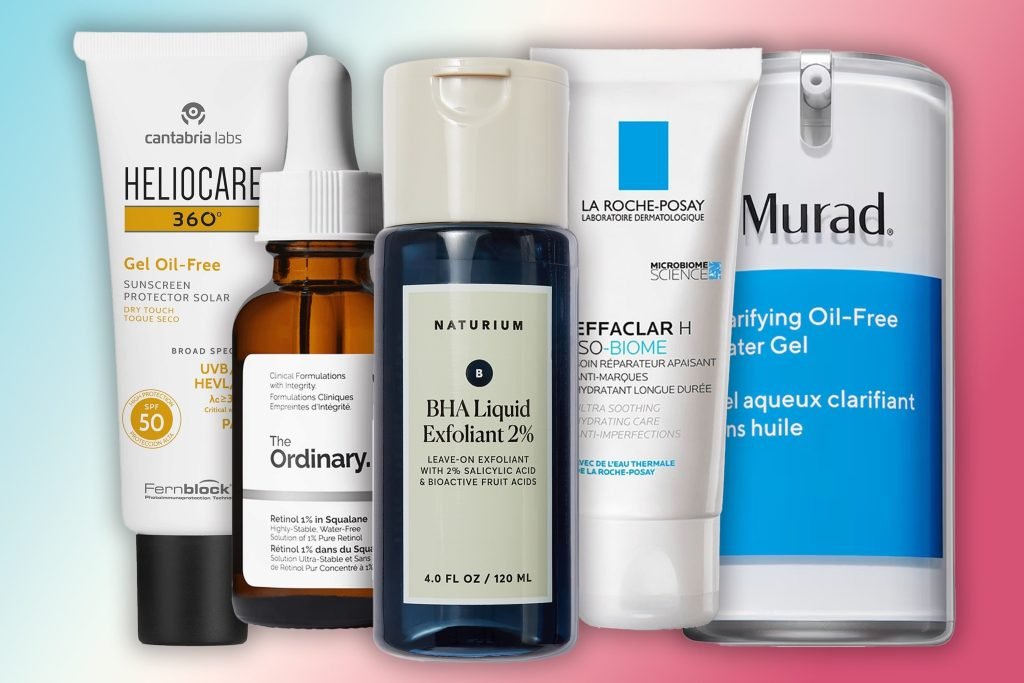
Struggling with acne-prone oily skin can feel like an endless battle. You might find yourself trying product after product, only to be met with disappointment.
But what if the secret to clearer skin was just a few steps away? Imagine waking up each morning, looking in the mirror, and feeling confident about your skin. Wouldn’t that be life-changing? Understanding your skin’s unique needs is the first step toward a healthier complexion.
You’ll discover a skincare routine specially designed for acne-prone oily skin. This isn’t just another list of products. It’s a proven strategy to help you achieve the clear, glowing skin you’ve always wanted. Are you ready to transform your skincare routine? Let’s dive in and uncover the secrets that could change your skin—and your confidence—forever.
Daily Cleansing Tips
Daily cleansing is the cornerstone of managing acne-prone oily skin. It’s not just about washing your face; it’s about how you do it and what you use. The right routine can clear excess oil, prevent breakouts, and keep your skin balanced without stripping it of moisture.
Choosing The Right Cleanser
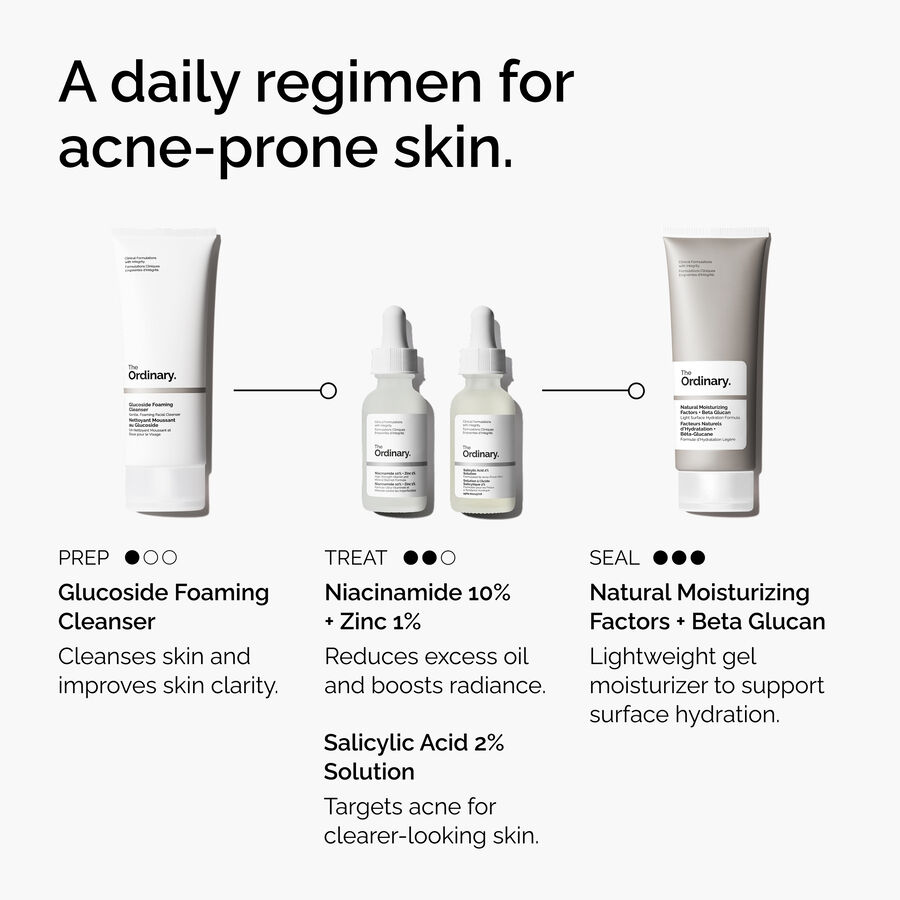
Pick a cleanser designed specifically for oily and acne-prone skin. Look for ingredients like salicylic acid or benzoyl peroxide that target acne-causing bacteria and unclog pores. Avoid harsh soaps or cleansers with heavy fragrances—they can irritate your skin and make oiliness worse.
Gel-based or foaming cleansers often work best for oily skin. If you’ve struggled with breakouts, try a product with tea tree oil or niacinamide to soothe inflammation. Remember, a gentle formula can still be powerful enough to clean deeply.
Proper Washing Techniques
Wash your face with lukewarm water—not hot—as hot water can dry out your skin, triggering more oil production. Use your fingertips to apply cleanser gently in circular motions. Avoid scrubbing hard; it can cause irritation and worsen acne.
Take about 30 seconds to cleanse, then rinse thoroughly. Pat your face dry with a soft towel instead of rubbing. Have you noticed how your skin feels right after cleansing? That’s a good moment to apply your treatments or moisturizer for best absorption.
Frequency Of Cleansing
Washing your face twice a day is usually enough for oily, acne-prone skin. Cleansing more than twice can strip natural oils, making your skin produce even more oil. If you exercise or sweat a lot, wash once more afterward to keep pores clear.
At night, cleansing is crucial to remove makeup, dirt, and pollution from the day. In the morning, a gentle wash refreshes your skin and removes excess oil produced overnight. Are you cleansing just enough, or could your routine be either too harsh or too light?
Credit: theordinary.com
Exfoliation Essentials
Exfoliation plays a crucial role in managing acne-prone oily skin. It helps remove dead skin cells that clog pores and cause breakouts. However, exfoliating the right way is key to avoid irritation and excess oil production.
Types Of Exfoliants
You can choose between two main types of exfoliants: physical and chemical. Physical exfoliants use small granules or brushes to scrub away dead skin, but they can be harsh on acne-prone skin if too abrasive.
Chemical exfoliants contain acids like salicylic acid (BHA) or glycolic acid (AHA) that dissolve dead skin cells gently. Salicylic acid is especially effective for oily, acne-prone skin because it penetrates pores and reduces inflammation.
Safe Exfoliation Schedule
How often you exfoliate matters more than how much. For oily, acne-prone skin, exfoliating 2-3 times per week is usually enough. This keeps your skin clear without stripping away natural oils.
Pay attention to how your skin reacts. If you notice redness or dryness, reduce the frequency or switch to a gentler exfoliant. You want to improve your skin’s texture, not irritate it further.
Avoiding Over-exfoliation
It’s tempting to exfoliate daily when battling acne, but overdoing it can backfire. Over-exfoliation damages your skin barrier, leading to increased oil production and more breakouts.
Signs of over-exfoliation include tightness, flaking, and persistent redness. If these occur, pause exfoliation and focus on soothing products until your skin calms down.
Ask yourself: is your skin feeling smooth and balanced, or sensitive and raw? Let your skin guide your exfoliation routine for the best results.
Toning Strategies
Toning is often overlooked, but it plays a crucial role in managing oily, acne-prone skin. The right toner helps balance your skin’s pH, control excess oil, and prepare your skin for moisturizer or treatments. Knowing how to choose and apply toner can make a noticeable difference in your skincare routine.
Benefits Of Toners For Oily Skin
Toners help remove leftover dirt and oil that cleansers might miss. This prevents clogged pores, which are a common cause of acne breakouts.
They can also tighten pores, making your skin appear smoother and less shiny. Some toners contain ingredients like salicylic acid or witch hazel, which reduce inflammation and fight acne-causing bacteria.
Have you noticed your skin feeling tight or dry after using a toner? That’s often a sign it’s too harsh for oily, acne-prone skin.
Selecting Alcohol-free Options
Many toners contain alcohol, which can dry out your skin excessively and trigger more oil production. This creates a cycle of oiliness and irritation that worsens acne.
Look for alcohol-free toners with soothing ingredients such as aloe vera, rose water, or chamomile. These calm the skin without stripping natural oils.
Products with niacinamide or green tea extract can also help reduce redness and control oil without harsh effects.
Application Methods
Using toner correctly can enhance its benefits. Instead of rubbing it harshly with a cotton pad, gently press the toner into your skin with your palms.
Apply toner twice daily, after cleansing and before moisturizing. This keeps your skin balanced and ready to absorb other treatments.
Consider mist toners for a refreshing boost during the day, especially if you feel oily or sweaty. Have you tried this simple step yet?
Moisturizing Without The Grease
Moisturizing oily, acne-prone skin feels tricky. Many fear adding grease or causing breakouts. The truth: your skin needs moisture to stay balanced and healthy. Choosing the right moisturizer helps keep shine under control and prevents dryness. Proper hydration supports skin healing and reduces irritation.
Lightweight Moisturizer Choices
Look for water-based or gel moisturizers. These absorb quickly and feel light on skin. Ingredients like hyaluronic acid and glycerin lock in moisture without heaviness. Avoid thick creams and oils that clog pores. Products labeled “non-comedogenic” suit acne-prone skin best.
Hydration Vs. Oil Control
Hydration does not mean adding oil. Moisturizers hydrate skin cells and calm inflammation. Oil control products reduce excess sebum but may dry skin out. Balance both by using a gentle moisturizer after cleansing. This stops your skin from overproducing oil to compensate.
When To Moisturize
Apply moisturizer twice daily, morning and night. After cleansing and toning, skin needs hydration immediately. Skipping moisturizer can worsen oiliness and acne. Use a small amount. Pat gently to avoid irritation. Consistency helps maintain clear, healthy skin.
Targeted Treatments
Targeted treatments focus on specific skin issues in acne-prone oily skin. They help reduce breakouts and calm inflammation. Using these treatments correctly improves skin texture and appearance. Targeted care complements your daily cleansing and moisturizing routine.
Spot Treatments For Breakouts
Spot treatments work directly on pimples to reduce size and redness. Apply a small amount only on the blemish. Ingredients like benzoyl peroxide and salicylic acid are common and effective. Avoid overuse to prevent skin dryness or irritation.
Incorporating Acne-fighting Ingredients
Use products with proven acne-fighting ingredients in your routine. Niacinamide controls oil and soothes skin. Retinoids speed up cell turnover and clear pores. Choose gentle formulas to avoid worsening skin sensitivity.
Using Serums Effectively
Serums deliver active ingredients deeply into the skin. Apply serums after cleansing but before moisturizing. Use a few drops and gently pat on the face. Select lightweight, oil-free serums suited for oily, acne-prone skin.
Sun Protection For Acne Skin
Sun protection is a crucial part of any skincare routine, especially if your skin is acne-prone and oily. UV rays can worsen acne scars, cause inflammation, and increase oil production, making your skin more prone to breakouts. Choosing the right sunscreen can shield your skin without aggravating acne or clogging pores.
Non-comedogenic Sunscreens
Look for sunscreens labeled “non-comedogenic.” These products are specifically formulated not to block your pores, which helps prevent acne flare-ups. Ingredients like zinc oxide and titanium dioxide offer effective sun protection and are gentle on oily, acne-prone skin.
Some chemical sunscreens can feel heavy or greasy, so mineral-based options often work better for you. I once switched to a mineral sunscreen and noticed fewer breakouts and less shine throughout the day.
Daily Application Routine
Applying sunscreen daily is essential—even on cloudy days or when you’re mostly indoors. UV rays can penetrate windows and trigger skin damage. Make it a habit to apply sunscreen after your moisturizer, about 15 minutes before going outside.
Don’t forget to reapply every two hours if you’re spending time outdoors. Using a lightweight spray or gel sunscreen can make reapplication easier, especially over makeup.
Protecting Without Pore Clogging
To keep your pores clear, avoid sunscreens with heavy oils or fragrances that can irritate your skin. Check the label for terms like “oil-free” or “matte finish” to reduce shine and stickiness.
- Use a gentle cleanser to remove sunscreen thoroughly at the end of the day.
- Try blotting papers during the day to control excess oil without stripping your skin.
- Consider layering a lightweight moisturizer under your sunscreen to balance hydration.
Have you noticed how your skin reacts to different sunscreens? Finding the right one takes trial and error, but your skin will thank you for the protection without the breakouts.
Lifestyle Habits For Clear Skin
Clear skin isn’t just about the products you apply; it’s also deeply influenced by your daily lifestyle habits. What you eat, how you handle stress, and even your sleep patterns play a crucial role in managing acne-prone oily skin. Adjusting these habits can make your skincare routine more effective and help you maintain a balanced, healthy complexion.
Diet And Hydration
Your skin reflects what you put into your body. Eating foods high in sugar and dairy can sometimes trigger breakouts, especially if your skin is oily and acne-prone. Instead, focus on adding more fresh vegetables, fruits, and whole grains to your meals.
Drinking enough water is just as important. Hydration helps flush out toxins and keeps your skin from producing excess oil. Aim for at least 8 glasses of water daily—your skin will thank you for it.
Stress Management
Stress can cause your body to produce more cortisol, a hormone that increases oil production and inflammation. Have you noticed your skin breaking out during stressful times? That’s your body reacting to stress.
Finding ways to relax can reduce those flare-ups. Try simple activities like deep breathing, walking, or even listening to your favorite music to calm your mind and skin.
Sleep And Skin Health
Quality sleep is essential for skin repair and regeneration. When you don’t get enough rest, your skin struggles to heal, and inflammation can worsen, leading to more acne.
Make sleep a priority by sticking to a regular schedule and creating a relaxing bedtime routine. You might find that clearer skin comes along with better sleep.
Credit: www.lemon8-app.com
Common Mistakes To Avoid
Avoiding common mistakes in your skincare routine helps keep acne and oil under control. Many people harm their skin without realizing it. These errors can worsen acne and cause more oil production. Learning what to avoid protects your skin’s health and improves its appearance.
Over-washing
Washing your face too often strips natural oils. This causes your skin to produce even more oil. Over-washing also irritates and dries the skin. Cleanse your face twice a day with a gentle cleanser. Avoid scrubbing hard or using very hot water.
Using Harsh Products
Strong products can damage your skin barrier. Ingredients like alcohol or heavy fragrances cause redness and dryness. Harsh treatments may trigger more breakouts. Choose mild, non-comedogenic products made for oily, acne-prone skin. Always patch test new products before full use.
Skipping Moisturizer
Oily skin still needs moisture to stay balanced. Skipping moisturizer makes skin dry and tight. This signals your skin to produce more oil. Use a lightweight, oil-free moisturizer daily. It keeps skin hydrated without clogging pores or adding shine.
Credit: www.lemon8-app.com
Frequently Asked Questions
What Is The Best Cleanser For Acne-prone Oily Skin?
A gentle, foaming cleanser with salicylic acid works best. It removes excess oil and unclogs pores without drying the skin.
How Often Should I Exfoliate Oily Acne-prone Skin?
Exfoliate 2-3 times a week using a chemical exfoliant. Over-exfoliating can irritate skin and worsen acne, so gentle care is key.
Can Moisturizer Help Acne-prone Oily Skin?
Yes, using a lightweight, non-comedogenic moisturizer keeps skin hydrated. It balances oil production and prevents dryness without clogging pores.
Is Sunscreen Necessary For Oily, Acne-prone Skin?
Absolutely. Use an oil-free, mattifying sunscreen daily. It protects skin from UV damage and prevents acne scars from darkening.
Conclusion
A good skincare routine helps control oily, acne-prone skin daily. Cleanse gently to remove dirt and oil without drying out skin. Use products with ingredients like salicylic acid to fight acne. Moisturize to keep skin balanced and healthy. Be patient; results take time.
Avoid touching your face to prevent more breakouts. Stay consistent and protect your skin from sun damage. Clear skin is possible with simple, steady care. Keep it simple, and your skin will thank you.
