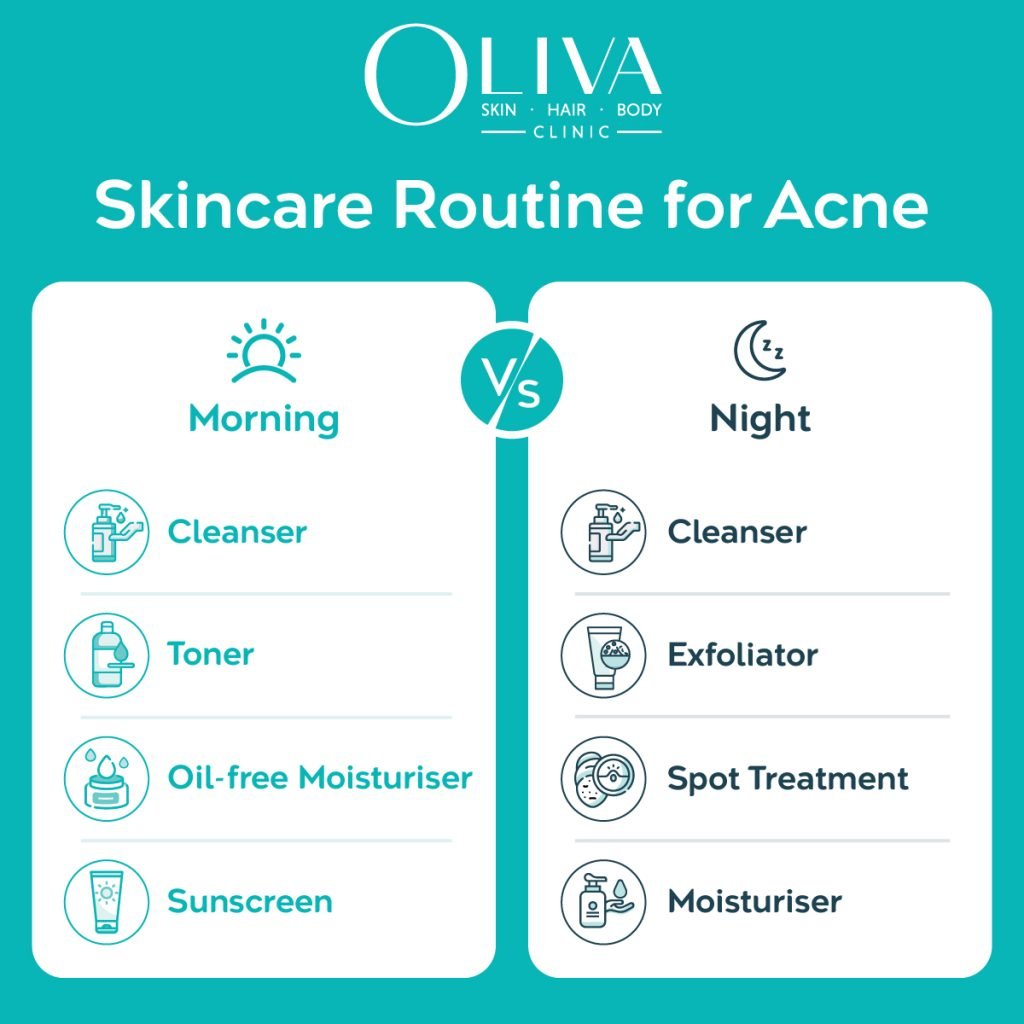
Are you tired of battling stubborn acne that just won’t seem to go away? You’re not alone.
Acne can be frustrating, affecting not just your skin but also your confidence. The good news is, with the right skincare routine, you can take control and achieve the clear skin you’ve always wanted. Imagine waking up each morning to a refreshed, glowing complexion that boosts your self-esteem and keeps you smiling throughout the day.
We’re diving deep into a simple yet effective skincare routine tailored specifically for acne-prone skin. You’ll discover easy steps and essential tips that can make a world of difference for your skin. Curious to find out more? Let’s get started on transforming your skincare routine—and your life!
Causes Of Acne
Acne is more than just a skin issue; it’s often a sign of deeper changes happening inside your body. Understanding what triggers acne can help you manage your skincare routine better and reduce breakouts effectively. Let’s look at some common causes that might be affecting your skin.
Hormonal Changes
Fluctuations in hormones can cause your skin to produce more oil than usual. This excess oil clogs pores and creates a perfect environment for acne to develop. Many people notice breakouts during puberty, menstrual cycles, or times of high stress, showing how closely linked hormones are to acne.
If you’ve ever experienced a sudden surge of pimples before your period, you know how hormones can impact your skin. Managing stress and considering hormone-friendly skincare might help keep your skin calm.
Diet And Lifestyle
What you eat and how you live can directly affect your skin’s health. Foods high in sugar and dairy have been linked to more frequent breakouts in some people. On the other hand, drinking plenty of water and eating fresh fruits and vegetables can support clearer skin.
Have you noticed your skin acting up after certain meals? Keeping a food diary might reveal connections between your diet and acne flare-ups. Regular exercise and enough sleep also play a crucial role in balancing your skin’s oil production and healing process.
Skin Type And Genetics
Your natural skin type influences how prone you are to acne. Oily skin tends to clog pores more easily, leading to breakouts. Meanwhile, if your family has a history of acne, you might be genetically predisposed to developing it too.
Knowing your skin type helps you choose the right products that won’t irritate or overload your skin. Don’t hesitate to experiment gently with different routines to find what suits your unique skin best.
Choosing The Right Cleanser
Choosing the right cleanser sets the foundation for a successful acne skincare routine. Your skin needs a product that cleans deeply without stripping away essential moisture. Picking the wrong cleanser can worsen breakouts or cause irritation, so understanding your options is key to clear, healthy skin.
Gentle Vs. Medicated Cleansers
Gentle cleansers are designed to remove dirt and oil without disrupting your skin’s natural barrier. They usually have mild ingredients that won’t cause dryness or redness, making them perfect for sensitive or dry acne-prone skin.
Medicated cleansers contain active ingredients like benzoyl peroxide or salicylic acid to target acne-causing bacteria and unclog pores. These can be powerful but might cause dryness or irritation if overused. Have you noticed if your skin reacts better to a soft touch or a stronger treatment?
Ingredients To Look For
Look for ingredients that help fight acne without harsh side effects. Salicylic acid gently exfoliates inside the pores to prevent clogs. Benzoyl peroxide kills bacteria and reduces inflammation but use it carefully to avoid dryness.
Other helpful ingredients include niacinamide for calming redness and hyaluronic acid for hydration. Avoid harsh sulfates and alcohols—they strip moisture and can trigger more breakouts. What ingredients does your skin respond to best?
How Often To Cleanse
Washing your face twice a day is usually enough—once in the morning and once before bed. Over-cleansing can strip your skin and cause it to produce more oil, which might worsen acne.
If you wear makeup or sunscreen, make sure to remove it thoroughly but gently. After exercise or sweating, a quick cleanse helps prevent clogged pores. How does your skin feel after cleansing—tight and dry, or clean and comfortable?
Exfoliation Tips
Exfoliation is a key part of any acne skincare routine. It helps remove dead skin cells that can clog pores and cause breakouts. But knowing how to exfoliate properly can make a big difference in your skin’s health and appearance.
Physical Vs. Chemical Exfoliants
Physical exfoliants use tiny particles or tools to scrub away dead skin. They can feel satisfying but might irritate sensitive, acne-prone skin if used too harshly.
Chemical exfoliants, like AHAs (alpha hydroxy acids) and BHAs (beta hydroxy acids), dissolve dead skin cells gently without scrubbing. BHAs, such as salicylic acid, are especially helpful for acne because they penetrate pores and reduce inflammation.
Think about your skin type and sensitivity before choosing. Have you noticed how your skin reacts to scrubs versus acid-based products?
Safe Exfoliation Frequency
Exfoliating too often can strip your skin of its natural oils and cause redness or dryness. For acne-prone skin, 2-3 times a week is usually enough.
Listen to your skin’s signals. If it feels tight or looks flaky, it might need a break. On the other hand, if your skin handles it well, you can maintain this routine to keep pores clear.
Avoiding Over-exfoliation
Over-exfoliation can worsen acne by damaging your skin barrier. Signs include increased sensitivity, redness, and more frequent breakouts.
Use gentle motions and avoid exfoliating on active acne lesions. I once exfoliated daily and ended up with worse irritation—less is often more.
Ask yourself: Is your skin improving or showing signs of stress? Adjust your routine to protect and heal, not harm.

Credit: www.independent.co.uk
Effective Acne Treatments
Finding effective acne treatments can feel overwhelming, especially with so many options available. The key is to understand what works best for your skin type and the severity of your acne. Let’s look at some proven treatments that can help clear your skin and prevent future breakouts.
Topical Retinoids
Topical retinoids are vitamin A derivatives that help unclog pores and reduce inflammation. They speed up skin cell turnover, which prevents dead skin from clogging your pores. You might notice some dryness or peeling at first, but that usually improves with regular use.
Many users find retinoids effective for both acne and fine lines, making them a versatile addition to your routine. Have you tried retinoids yet? Starting with a lower concentration can help your skin adjust more comfortably.
Benzoyl Peroxide And Salicylic Acid
Benzoyl peroxide kills acne-causing bacteria and reduces oil production. It’s great for inflamed, red pimples but can be drying, so use it with a gentle moisturizer. Salicylic acid, on the other hand, works by exfoliating inside your pores, preventing blockages before they turn into acne.
Many people combine these two ingredients for a powerful one-two punch against breakouts. Which one do you think your skin needs more—bacteria control or deep pore cleansing?
Natural Remedies
Natural remedies like tea tree oil and aloe vera have gained popularity for their soothing and antibacterial properties. Tea tree oil can reduce redness and swelling, but it’s important to dilute it to avoid irritation. Aloe vera is gentle and hydrates your skin while calming inflammation.
While natural options can complement your routine, they usually work best alongside proven treatments. Have you found a natural remedy that really helped your acne?
Moisturizing For Acne-prone Skin
Moisturizing might seem like a tricky step if you have acne-prone skin. Many people avoid it, fearing it will clog pores or worsen breakouts. But skipping moisturizer can actually make your skin produce more oil, which leads to more acne. Finding the right moisturizer is key to keeping your skin balanced and healthy.
Non-comedogenic Options
Look for moisturizers labeled “non-comedogenic.” These products are designed not to block your pores. Using them reduces the risk of new breakouts while keeping your skin hydrated.
Brands like Cetaphil, Neutrogena, and La Roche-Posay offer excellent non-comedogenic moisturizers. I once switched to a non-comedogenic formula and noticed fewer clogged pores within weeks. Have you checked if your moisturizer is non-comedogenic?
Hydration Benefits
Hydrating your skin helps repair its natural barrier. Acne treatments can dry out your skin, leading to irritation and flakiness. Moisturizers replenish lost moisture, which calms redness and prevents peeling.
Hydration also helps your skin heal faster. When your skin feels balanced, it’s less likely to overproduce oil. That means fewer shiny spots and less chance for bacteria to thrive.
Choosing Oil-free Formulas
Oil-free moisturizers are your best bet if you struggle with oily, acne-prone skin. They provide the moisture your skin needs without adding extra grease. This keeps your complexion feeling fresh and clean.
Many oil-free options come with added ingredients like hyaluronic acid or glycerin that attract water to your skin. These ingredients hydrate without heaviness. What’s your experience with oil-free moisturizers—have you found one that works well?
Credit: medisynth.com
Sun Protection And Acne
Sun protection is a crucial but often overlooked part of managing acne. Many people with acne hesitate to use sunscreen, fearing it will clog pores or worsen breakouts. However, protecting your skin from harmful UV rays can actually help reduce inflammation and prevent acne scars from darkening.
Importance Of Sunscreen
Sunscreen shields your skin from UV damage that can worsen acne scars and cause redness. Without protection, sun exposure can lead to hyperpigmentation, making dark spots from acne more noticeable.
Have you noticed your acne marks getting darker after spending time outside? That’s a sign you need to add sunscreen to your routine. It also prevents premature skin aging and supports your skin’s healing process.
Best Sunscreen Types
Not all sunscreens work well for acne-prone skin. Look for these features:
- Non-comedogenic:Won’t clog pores or cause breakouts.
- Oil-free formulas:Keeps your skin from feeling greasy.
- Mineral-based ingredients:Such as zinc oxide or titanium dioxide, which soothe inflamed skin.
Gel-based or water-based sunscreens tend to feel lighter and are better for oily or acne-prone skin. Avoid heavy creams or lotions that might trap oil and dirt.
How To Apply Correctly
Apply sunscreen every morning, even on cloudy days. Use about a teaspoon for your face to get full protection.
Don’t forget to cover your neck and ears, areas often missed but exposed to the sun. Reapply every two hours if you’re outside, and immediately after sweating or swimming.
Applying sunscreen after your moisturizer creates a protective barrier. If you wear makeup, choose products with SPF or use a powder sunscreen for touch-ups during the day.
Lifestyle Habits For Clear Skin
Clear skin isn’t just about the products you apply—it’s deeply connected to how you live your daily life. Small changes in your habits can make a big difference in controlling acne and improving your skin’s overall health. Let’s look at some lifestyle habits that support clear, glowing skin.
Balanced Diet Choices
Your skin reflects what you eat. Foods rich in antioxidants, like berries and leafy greens, help fight inflammation that can cause breakouts. Avoiding excess sugar and dairy might reduce acne flare-ups for some people.
Try adding these to your meals:
- Fresh vegetables like spinach and broccoli
- Omega-3 rich foods such as salmon and walnuts
- Whole grains instead of refined carbs
Have you noticed how your skin reacts after certain meals? Paying attention to your body’s signals can guide you toward better food choices.
Stress Management
Stress triggers hormones that can worsen acne. Finding ways to relax can help keep your skin calm and clear. Whether it’s a quick walk, meditation, or a hobby you love, make time for stress relief daily.
Think about moments when your skin broke out during stressful times. How could you change your routine to lower stress? Small shifts like deep breathing or stretching can be surprisingly effective.
Sleep And Hydration
Sleep is your skin’s repair time. Without enough rest, your skin can become dull and more prone to breakouts. Aim for 7-8 hours of good sleep every night to support healing and reduce inflammation.
Hydration flushes out toxins and keeps your skin soft. Drinking enough water helps balance oil production, which can reduce acne. Try keeping a water bottle nearby and set reminders if you tend to forget.
When To See A Dermatologist
Knowing when to see a dermatologist can make a big difference in managing your acne effectively. Sometimes, over-the-counter products and home routines just aren’t enough. Recognizing the signs that need professional help can save your skin from long-term damage and frustration.
Identifying Severe Acne
Not all acne is the same. If you notice painful cysts, large nodules, or widespread redness, these are signs of severe acne. Scarring or acne that doesn’t improve after several weeks of consistent care is another red flag.
Are you dealing with acne that leaves marks or causes discomfort? This often means it’s time to get expert advice rather than keep guessing with different products.
Prescription Options
A dermatologist can prescribe treatments that aren’t available over the counter. These include stronger topical creams with retinoids, antibiotics, or hormonal therapies. Oral medications like isotretinoin might be suggested for very stubborn cases.
Many people hesitate to see a dermatologist because they think prescription options are too harsh. Yet, under professional guidance, these treatments can be tailored to your skin’s needs and monitored for safety.
Professional Treatments
Beyond prescriptions, dermatologists offer treatments such as chemical peels, laser therapy, and light-based treatments. These procedures target acne-causing bacteria and reduce inflammation faster than home remedies.
Have you tried multiple products without success? Professional treatments might give you the boost your skin needs to heal and clear up more quickly.

Credit: www.eraorganics.com
Frequently Asked Questions
What Is The Best Skincare Routine For Acne-prone Skin?
A good acne skincare routine includes gentle cleansing, exfoliating, moisturizing, and sun protection. Use non-comedogenic products. Avoid harsh scrubs and over-washing, which can worsen acne. Consistency is key for clear, healthy skin.
How Often Should I Wash My Face With Acne?
Wash your face twice daily—morning and night. Over-washing can irritate skin and increase oil production. Use a gentle cleanser suited for acne-prone skin to remove dirt and excess oil effectively without stripping moisture.
Which Ingredients Help Reduce Acne Effectively?
Look for salicylic acid, benzoyl peroxide, and niacinamide. These ingredients unclog pores, reduce inflammation, and kill acne-causing bacteria. They work well in cleansers, serums, and spot treatments. Use as directed to avoid irritation.
Can Moisturizer Worsen Acne-prone Skin?
No, a lightweight, non-comedogenic moisturizer helps balance skin hydration. Moisturizing prevents dryness and irritation from acne treatments. Choose oil-free formulas labeled “won’t clog pores” to maintain healthy, clear skin.
Conclusion
A good skincare routine helps control acne and keeps skin healthy. Cleanse your face gently twice a day to remove dirt and oil. Use products made for acne-prone skin to avoid irritation. Stay patient; clear skin takes time and care.
Drink water and eat balanced meals to support your skin. Avoid touching your face to prevent new pimples. Follow these simple steps daily for better skin. Healthy skin is possible with steady effort and care.
