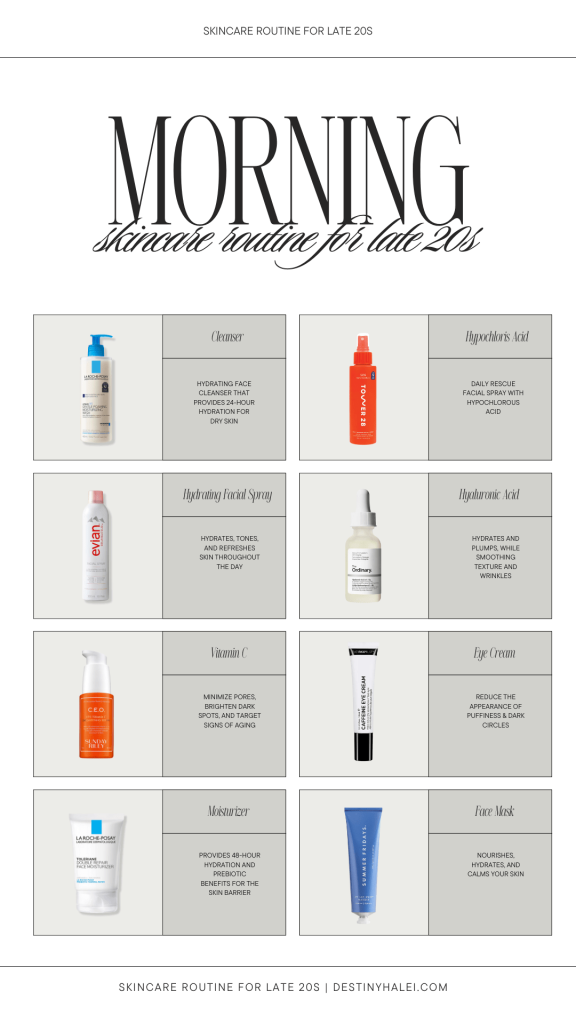
Your 20s are a crucial time for setting the foundation of a healthy skincare routine. It’s the perfect age to start giving your skin the care and attention it deserves.
You might be dealing with leftover teenage acne, the first signs of aging, or simply trying to keep your skin glowing and fresh. Whatever your skin concern, the choices you make now can have lasting effects on your skin’s health.
Imagine waking up every day with radiant, youthful skin that boosts your confidence and helps you feel your best. Intrigued? Keep reading to discover the essential steps and tips for an effective skincare routine that will serve you well into the future.
Morning Skincare Steps
Starting the day with a good skincare routine sets the tone for healthy skin. Morning skincare helps remove overnight oils and refreshes your face. It also prepares your skin for the day ahead. Simple steps can protect and hydrate your skin, keeping it smooth and glowing.
Gentle Cleansing
Use a mild cleanser to wash your face in the morning. It removes dirt and excess oils without drying out your skin. Choose a cleanser that suits your skin type. Avoid harsh scrubs or soaps that can irritate the skin.
Hydrating Toner
After cleansing, apply a hydrating toner. It balances your skin’s pH and adds extra moisture. Toners help tighten pores and refresh your skin’s surface. Look for toners with soothing ingredients like rose water or aloe vera.
Lightweight Moisturizer
Next, use a lightweight moisturizer to keep your skin soft. It locks in hydration and prevents dryness. Choose a non-greasy formula that absorbs quickly. Moisturizers with ingredients like hyaluronic acid work well for all skin types.
Sun Protection
Finish your routine with sunscreen every morning. Sunscreen protects your skin from harmful UV rays. Use a broad-spectrum SPF of at least 30 for best results. Reapply every two hours if you stay outdoors for long.

Credit: destinyhalei.com
Evening Skincare Steps
Evening skincare is your chance to repair and refresh your skin after a busy day. The right steps can make a big difference in how your skin looks and feels by morning. Let’s break down the key actions you should take to give your skin the care it deserves before you hit the pillow.
Makeup Removal
Removing makeup is essential. Leaving makeup on overnight clogs your pores and leads to breakouts. Use a gentle makeup remover that suits your skin type—whether it’s a micellar water, cleansing oil, or balm.
Apply it with soft cotton pads or fingertips, focusing on the eyes and lips where makeup tends to be heavier. Do you notice your skin feels less irritated and looks clearer after a thorough makeup cleanse?
Deep Cleansing
After makeup removal, deep cleansing helps clear away remaining dirt, sweat, and impurities. Choose a cleanser that matches your skin needs—gel for oily skin, cream for dry skin, or foam for combination skin.
Massage the cleanser gently for at least 30 seconds to boost circulation. Rinse with lukewarm water, then pat dry with a clean towel. How does your skin feel—tight and clean, or still a bit oily?
Nourishing Serum
Serums are packed with active ingredients that target specific concerns like hydration, dullness, or acne. Pick one that suits your goals—maybe a hyaluronic acid serum for hydration or vitamin C to brighten your skin.
Apply a few drops to your face and neck, pressing it in gently. This step feels like giving your skin a power boost. Have you found a serum that instantly improves your skin’s texture or glow?
Night Cream Benefits
Night creams are richer than daytime moisturizers and help with skin repair while you sleep. They lock in moisture and support collagen production, which is crucial for youthful skin in your 20s.
Choose a cream with ingredients like peptides or ceramides. Apply it evenly and enjoy the comfort it provides. Notice how your skin feels more supple and refreshed by morning?
Key Ingredients To Look For
Choosing the right ingredients for your skincare routine in your 20s can set the foundation for healthy, glowing skin in the years to come. Your skin is usually still resilient but starting to need more targeted care. Understanding which ingredients to focus on helps you address early signs of aging, maintain hydration, and protect your skin from daily damage.
Antioxidants
Antioxidants protect your skin from free radicals caused by pollution and UV rays. Ingredients like green tea extract, vitamin E, and niacinamide are powerful antioxidants that help prevent premature aging. Adding antioxidant-rich products can improve your skin’s texture and tone while keeping it resilient.
Have you noticed how some days your skin feels dull or tired? Antioxidants can give your skin that extra boost to look fresh and vibrant every day.
Hyaluronic Acid
Hyaluronic acid is a hydration hero. It holds up to 1,000 times its weight in water, making your skin plump and smooth. Using products with hyaluronic acid helps prevent dryness and keeps your skin soft, especially after cleansing.
If your skin feels tight or flaky sometimes, think about adding a hyaluronic acid serum to lock in moisture. It works well under moisturizers and makeup for a natural glow.
Vitamin C
Vitamin C brightens your complexion and evens out skin tone. It also supports collagen production, which keeps your skin firm and youthful. Look for stable forms like ascorbic acid or sodium ascorbyl phosphate in serums or creams.
Have you seen dark spots or uneven patches start to appear? Vitamin C can help reduce those marks and protect your skin from sun damage, even when you use sunscreen daily.
Retinol In 20s
Retinol encourages cell turnover and helps prevent early signs of aging like fine lines and uneven texture. In your 20s, start with a low concentration to avoid irritation and build tolerance. Using retinol consistently can boost your skin’s renewal process without overwhelming it.
Wondering if retinol is too strong for your young skin? Starting slowly and pairing it with moisturizer can make it manageable and highly effective for maintaining smooth, clear skin.

Credit: destinyhalei.com
Lifestyle Habits For Healthy Skin
Healthy skin isn’t just about the products you apply; it’s deeply connected to your daily habits. Your lifestyle choices create a foundation for your skin’s health and appearance. Simple changes in your diet, hydration, sleep, and stress levels can make a significant difference.
Balanced Diet
Your skin reflects what you eat. Focus on whole foods like fruits, vegetables, nuts, and lean proteins that provide essential vitamins and antioxidants. Vitamins C and E, found in citrus fruits and almonds, help protect your skin from damage and support collagen production.
Have you noticed how your skin reacts after a day filled with junk food? It often looks dull or oily. Try swapping processed snacks for fresh options and watch how your skin responds.
Adequate Hydration
Water is your skin’s best friend. Staying hydrated keeps your skin plump, reduces dryness, and flushes out toxins. Aim to drink at least 8 glasses of water daily, but adjust based on your activity and climate.
Struggling to remember water intake? Set small goals like a glass every hour. Your skin will thank you with a natural glow.
Quality Sleep
Sleep is when your skin repairs itself. Lack of sleep can lead to dark circles, dullness, and increased signs of aging. Prioritize 7-9 hours of uninterrupted sleep to give your skin time to regenerate.
Consider a calming bedtime routine. Reducing screen time before bed can improve sleep quality and, in turn, your skin’s appearance.
Stress Management
Stress can trigger breakouts and worsen skin conditions like eczema or psoriasis. Find stress relief methods that work for you, whether it’s exercise, meditation, or hobbies. Even a short daily walk can lower stress hormones and benefit your skin.
Ask yourself: How often do you pause to breathe deeply during a hectic day? Small moments of calm can prevent your skin from paying the price of stress.
Common Skin Concerns In 20s
Your 20s are a pivotal decade for your skin. You might feel invincible, but your skin starts showing subtle changes that need attention. Identifying common skin concerns now can save you from bigger issues later.
Acne Prevention
Acne doesn’t just belong to your teenage years. Many people in their 20s still struggle with breakouts caused by stress, hormones, or lifestyle choices.
Keep your pores clear by cleansing twice daily and avoiding harsh scrubs that irritate your skin. Have you noticed certain foods or habits triggering your acne flare-ups? Tracking these can help you manage them better.
Dealing With Oily Skin
Oily skin can feel like a constant battle, especially if your face shines by midday. Excess oil can clog pores and cause blemishes, but stripping your skin too much makes it worse.
Try using gentle, oil-free moisturizers and blotting papers to manage shine without over-drying. Have you found a product that controls oil without leaving your skin tight or flaky?
Early Signs Of Aging
Fine lines and dullness might start appearing in your 20s, especially if you skip sunscreen or neglect hydration. These early signs are easy to overlook but crucial to address.
Adding antioxidants like vitamin C and always applying SPF can protect your skin’s youthful glow. What’s your daily habit that keeps your skin looking fresh?
Hyperpigmentation Control
Dark spots and uneven skin tone can result from sun exposure, acne scars, or inflammation. It’s tempting to cover them up, but treating them early is key.
Look for products with ingredients like niacinamide or gentle exfoliants to fade pigmentation gradually. How do you balance treating dark spots without irritating your skin further?
Tips For Customizing Your Routine
Customizing a skincare routine makes a big difference. It helps your skin get exactly what it needs. Everyone’s skin is different. Your routine should match your unique skin type and lifestyle. Small changes can improve results and keep your skin healthy. Below are key tips to tailor your skincare routine effectively.
Skin Type Assessment
Knowing your skin type is the first step. Skin types include oily, dry, combination, and sensitive. Observe how your skin feels throughout the day. Look for signs like oiliness, dryness, or redness. Use gentle cleansers and moisturizers suited to your type. This helps prevent irritation and breakouts.
Seasonal Adjustments
Skin changes with the seasons. Dry air in winter can make skin flaky. Hot summer weather may increase oil production. Adjust your products to fit the season. Use richer creams in cold months. Choose lighter, oil-free formulas in warmer months. This keeps your skin balanced year-round.
Product Patch Testing
Test new products before full use. Apply a small amount on your wrist or behind your ear. Wait 24 to 48 hours to check for reactions. Look for redness, itching, or swelling. Patch testing prevents allergic reactions and irritation. It ensures the product suits your skin safely.
When To Consult A Dermatologist
Some skin issues need expert care. Persistent acne, rashes, or unusual changes require professional advice. A dermatologist can provide personalized treatment plans. Seek help if your skin worsens or does not improve. Early consultation protects your skin health.
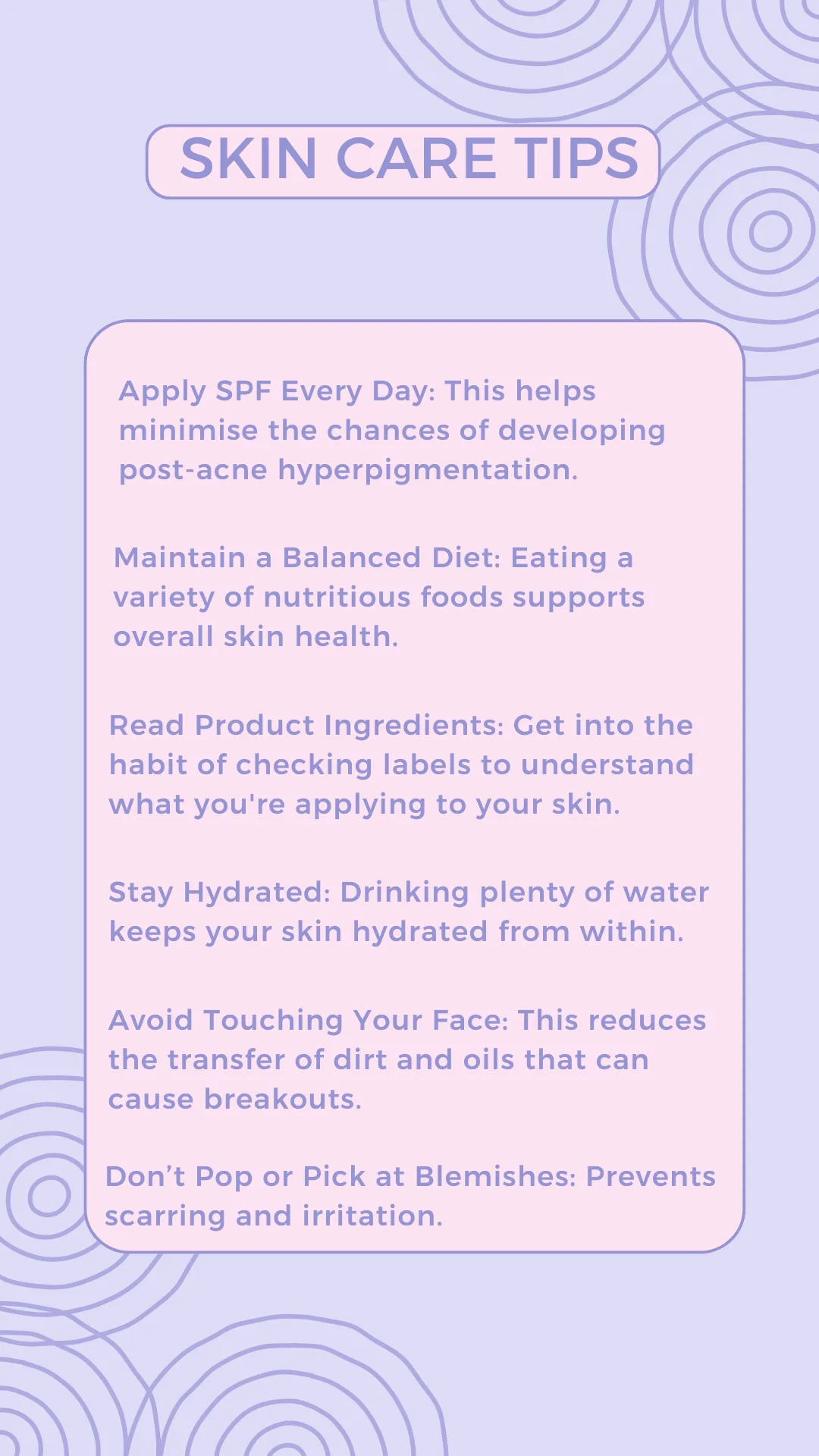
Credit: www.girlfriend.com.au
Frequently Asked Questions
What Is The Best Morning Skincare Routine For 20s?
A good morning routine includes cleansing, moisturizing, and applying sunscreen. Use gentle products to protect your skin from damage and dryness throughout the day.
How Often Should I Exfoliate In My 20s?
Exfoliate 1-2 times per week to remove dead skin cells. Over-exfoliating can cause irritation, so stick to gentle exfoliants suitable for your skin type.
Should I Use Anti-aging Products In My 20s?
Yes, starting with light anti-aging products like antioxidants and SPF helps prevent early signs of aging. Focus on hydration and protection rather than heavy treatments.
Is Moisturizer Necessary For Oily Skin In 20s?
Absolutely. Choose a lightweight, non-comedogenic moisturizer to keep oily skin balanced and hydrated without clogging pores or causing breakouts.
Conclusion
Healthy skin in your 20s starts with a simple routine. Cleanse daily to remove dirt and oil. Use moisturizer to keep skin soft and smooth. Don’t forget sunscreen to protect from sun damage. Drink water and eat fruits for natural glow.
Rest well to help skin repair itself. Small habits make big changes over time. Stay consistent and patient with your skincare steps. Your skin will thank you later. Keep it easy and enjoy healthy skin every day.