
Is your skin feeling tight, rough, or flaky? You might be dealing with a dry skin problem that needs more attention than usual.
A simple skincare routine can make a huge difference in how your skin looks and feels every day. Imagine waking up to softer, smoother skin that stays hydrated all day long. You’ll discover easy steps and effective tips tailored just for dry skin.
Stick with me, and you’ll soon find out how to give your skin the care it truly deserves.
Causes Of Dry Skin
Understanding what causes dry skin can help you tackle it more effectively. Dry skin doesn’t just appear out of nowhere; it often results from a mix of factors that affect your skin’s ability to retain moisture. Recognizing these causes can guide you toward a skincare routine that truly works for your droge huid.
Environmental Factors
Cold weather and low humidity levels can strip your skin of its natural oils. Heating indoors during winter also dries out the air, making your skin feel tight and flaky. Have you noticed your skin worsening after a day out in the wind or sun? These elements can damage your skin’s barrier, leading to dryness and irritation.
Lifestyle Habits
Your daily habits play a big role in skin health. Hot showers and harsh soaps can remove essential oils, leaving your skin vulnerable. Drinking too little water and eating a diet low in healthy fats might also dry out your skin. How often do you check if your skincare products suit your skin type?
Skin Conditions
Sometimes dry skin is a symptom of underlying issues like eczema or psoriasis. These conditions cause inflammation and disrupt your skin’s ability to hold moisture. If you’ve tried moisturizing without success, it might be time to consult a dermatologist for tailored advice.
Choosing The Right Cleanser
Choosing the right cleanser is a crucial step in caring for dry skin. The cleanser you pick can either soothe your skin or strip away its natural moisture, making dryness worse. Understanding what to look for helps you protect your skin barrier while keeping your face fresh and clean.
Gentle Formulas
Gentle cleansers are essential for dry skin because they clean without causing irritation. Look for products labeled as hydrating or moisturizing, as they often contain ingredients like glycerin or hyaluronic acid that help retain moisture.
I’ve tried harsh cleansers before, and my skin felt tight and flaky afterward. Switching to a cream-based or oil-based cleanser made a huge difference—my skin stayed soft and comfortable all day. Have you noticed how a gentle formula can actually make your skin glow?
Avoiding Harsh Ingredients
Ingredients like alcohol, sulfates, and strong fragrances can damage dry skin by removing its natural oils. Check the label carefully to avoid these irritants.
If you see words like “sodium lauryl sulfate” or “denatured alcohol,” it’s best to skip that product. Instead, choose cleansers with soothing components such as aloe vera or chamomile to calm your skin while cleansing.
Effective Moisturizers For Dry Skin
Finding the right moisturizer can transform your dry skin care routine. Effective moisturizers not only hydrate but also protect your skin’s natural barrier. Choosing the right product can feel overwhelming, but focusing on key ingredients and texture types helps you make a smart choice.
Key Hydrating Ingredients
Look for moisturizers with ingredients that attract and lock in moisture. Hyaluronic acid is a standout because it can hold up to 1000 times its weight in water, providing deep hydration without heaviness.
Glycerin is another powerful ingredient that draws water from the air into your skin. It’s gentle and works well even for sensitive skin. Ceramides help rebuild the skin’s barrier, preventing moisture loss and irritation.
Have you noticed how some moisturizers feel greasy while others absorb quickly? That difference often depends on their ingredients. Oils like jojoba and squalane offer nourishment and help seal moisture in, but they won’t clog pores if used correctly.
Creams Vs. Lotions
Creams are thicker and richer, ideal for very dry or flaky skin. They create a protective layer that keeps moisture locked in for longer periods, especially in cold or dry climates.
Lotions have a lighter texture and absorb faster, making them suitable for mild dryness or daytime use. If your skin feels tight but not flaky, a lotion might be enough to keep it comfortable.
Choosing between cream and lotion depends on how your skin feels throughout the day. Do you notice dryness returning quickly? A cream might be what you need to maintain all-day hydration.
Importance Of Exfoliation
Exfoliation plays a crucial role in caring for dry skin. It helps remove dead skin cells that can make your skin appear dull and flaky. Without exfoliation, your moisturizer might not absorb well, leaving your skin feeling tight and uncomfortable.
When I started exfoliating regularly, I noticed my dry patches softened and my skin looked more radiant. This simple step transformed my routine and helped me maintain a smoother complexion. Have you ever wondered why your skin still feels rough after moisturizing?
Types Of Exfoliants
There are two main types of exfoliants you can use for dry skin: physical and chemical.
- Physical exfoliantsuse small particles or tools to manually scrub away dead skin. Examples include gentle scrubs with fine sugar or soft brushes. Be careful to choose products that are not abrasive to avoid irritation.
- Chemical exfoliantsuse acids or enzymes to dissolve dead skin cells. Ingredients like lactic acid or mandelic acid are great for dry skin because they exfoliate gently while adding hydration.
Choosing the right type depends on your skin’s sensitivity and your personal preference. Have you tried switching from a scrub to a chemical exfoliant and noticed a difference?
Frequency And Techniques
Exfoliating too often can damage dry skin, so finding the right balance is key. For most dry skin types, exfoliating 1-2 times a week is enough to refresh without causing irritation.
Use light, circular motions when applying physical exfoliants. Avoid harsh scrubbing that can worsen dryness. With chemical exfoliants, apply a thin layer and let it absorb fully before adding moisturizer.
Remember, your skin may react differently as seasons change or if you use other active products. How does your skin respond when you change your exfoliation routine?
Hydration Boosters And Serums
Hydration boosters and serums play a crucial role in any skincare routine aimed at combating dry skin. These products deliver intense moisture deep into your skin, helping to restore softness and reduce tightness. Choosing the right hydration boosters can make a noticeable difference in how your skin feels and looks throughout the day.
Hyaluronic Acid Benefits
Hyaluronic acid is a powerful ingredient that attracts and holds water in your skin. It can hold up to 1,000 times its weight in water, making it an excellent option for dry skin. Using a hyaluronic acid serum daily helps keep your skin plump and hydrated without feeling greasy.
One surprising benefit is how it enhances the effectiveness of other moisturizers you apply afterward. Have you noticed how some creams feel heavier or sit on top of your skin? Hyaluronic acid helps them absorb better, so your skin drinks in all the hydration.
Using Facial Oils
Facial oils might sound counterintuitive if you have dry skin, but they actually lock in moisture and create a protective barrier. Oils like jojoba, argan, and rosehip are packed with nutrients that soothe and nourish parched skin.
Try applying a few drops of facial oil after your serum. This seals in hydration and prevents water loss, especially in harsh weather. Have you ever felt your skin tighten after washing? A facial oil can stop that feeling before it starts.

Credit: glowskinproducts.nl
Sun Protection Tips
Sun protection is essential for dry skin care. The sun’s rays can cause dryness and irritation. Protecting your skin helps keep it hydrated and healthy. Use sunscreens that nourish your skin while blocking harmful UV rays. Apply sunscreen correctly to get the best results and avoid damage.
Choosing Hydrating Sunscreens
Pick sunscreens with moisturizing ingredients. Look for products containing glycerin, hyaluronic acid, or ceramides. These help keep your skin soft and hydrated. Avoid sunscreens with alcohol or fragrances. They can dry out your skin further. Choose broad-spectrum sunscreens to protect against UVA and UVB rays.
Application Best Practices
Apply sunscreen 15 minutes before going outside. Use enough product to cover all exposed areas. Don’t forget ears, neck, and hands. Reapply every two hours, or after swimming or sweating. Use gentle motions to avoid irritating dry skin. Apply sunscreen after your moisturizer to lock in hydration.
Lifestyle Changes For Healthy Skin
Healthy skin starts with daily habits beyond creams and lotions. Small lifestyle changes can greatly improve dry skin. Focus on what you eat, how much water you drink, your sleep quality, and stress levels. These factors help your skin stay hydrated and balanced.
Diet And Hydration
Eating a balanced diet provides your skin with essential nutrients. Foods rich in omega-3 fatty acids, like fish and walnuts, help keep skin soft. Fruits and vegetables offer vitamins that repair and protect skin cells. Drink enough water to keep your skin hydrated from within. Aim for at least eight glasses a day. Avoid too much caffeine and alcohol as they can dry out your skin.
Sleep And Stress Management
Sleep allows your skin to heal and renew. Try to get 7-8 hours of restful sleep every night. Poor sleep can make skin look dull and dry. Stress increases hormones that cause skin problems. Practice relaxation techniques like deep breathing or meditation. Regular exercise also reduces stress and improves skin health. A calm mind supports a glowing complexion.
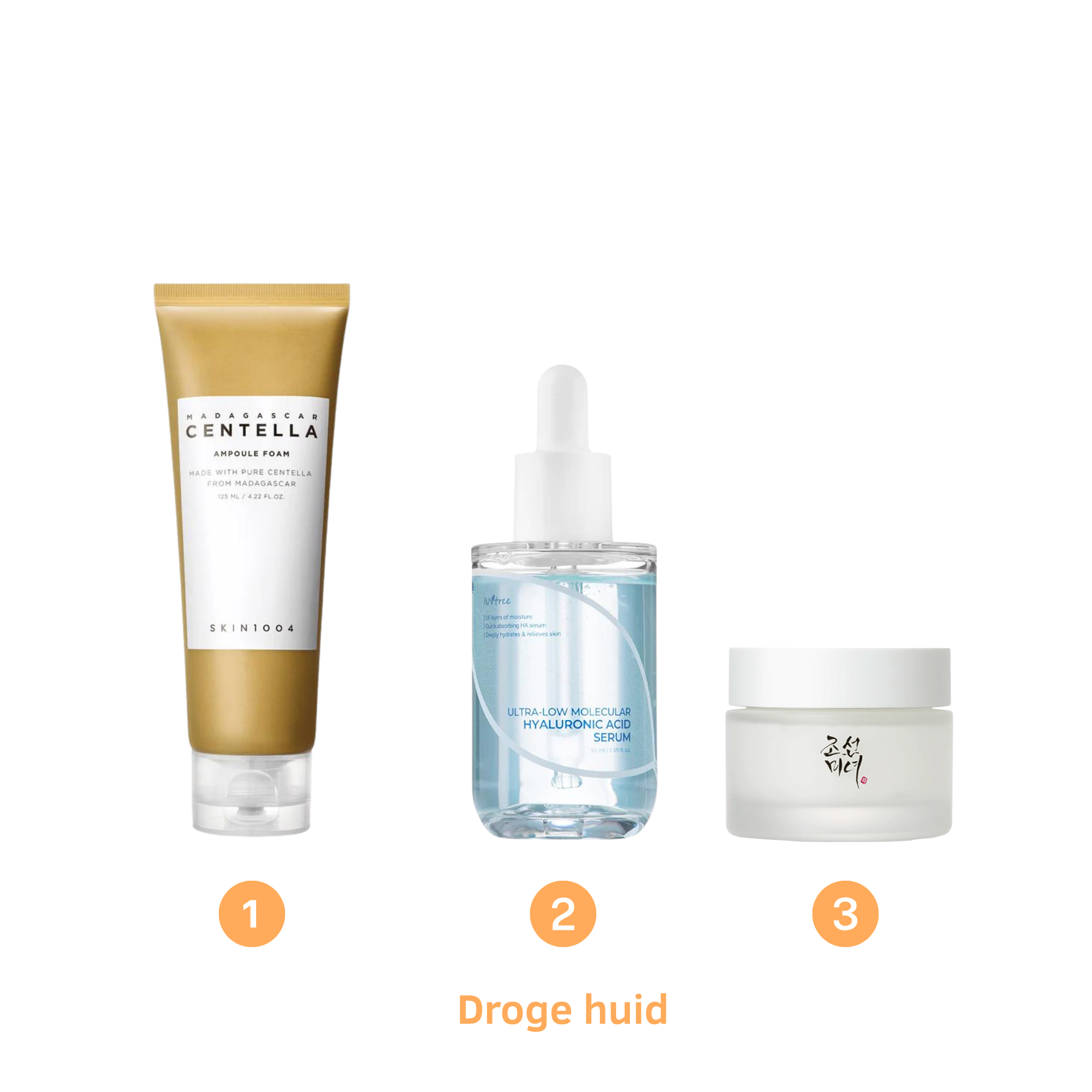
Credit: glowskinproducts.nl

Credit: curvacious.nl
Frequently Asked Questions
What Is The Best Skincare Routine For Dry Skin?
A good routine includes gentle cleansing, hydrating toners, and rich moisturizers. Use products with hyaluronic acid and ceramides. Avoid hot water and harsh soaps to prevent dryness and irritation.
How Often Should I Moisturize Dry Skin Daily?
Moisturize at least twice daily—morning and night. Apply immediately after cleansing to lock in moisture. Reapply during the day if skin feels tight or flaky for best hydration.
Can Diet Affect Dry Skin Condition?
Yes, diet impacts skin health. Drink plenty of water and eat foods rich in omega-3 fatty acids, vitamins A and E. Avoid excessive caffeine and alcohol, which can dehydrate skin.
Is Exfoliation Necessary For Dry Skin?
Yes, but gently and sparingly. Use mild exfoliants once or twice a week to remove dead skin cells. Over-exfoliating can worsen dryness and irritation.
Conclusion
A good skincare routine helps dry skin stay healthy. Start with gentle cleansing to keep moisture. Use a hydrating toner to refresh your skin. Pick a rich moisturizer for deep nourishment. Don’t skip sunscreen for protection against sun damage. Drink water to hydrate from the inside.
Consistency is key. Stick to your routine every day. Adjust products if your skin’s needs change. Listen to what your skin tells you. Healthy skin is happy skin. Keep it simple and effective. Your skin will thank you with a glowing look.
