
Are you tired of guessing which skincare products really work for you? Building the perfect skincare routine can feel overwhelming, but it doesn’t have to be.
Imagine having a simple, step-by-step plan tailored just for your skin’s needs. In this guide, you’ll discover how to create a skincare routine that fits your lifestyle and gives you the glowing skin you deserve. Keep reading—you’re just moments away from unlocking your best skin ever.
Credit: www.etsy.com
Assess Your Skin Type
Understanding your skin type is the first step in building an effective skincare routine. Knowing the unique traits of your skin helps you choose products that fit your needs. It also prevents irritation and improves your skin’s health. Take time to assess your skin carefully before picking any treatments.
Identify Your Skin Characteristics
Look closely at your face in natural light. Notice how your skin feels and looks throughout the day. Some common signs include:
- Shiny or oily areas, especially on the forehead and nose
- Dry, flaky patches on cheeks or around the eyes
- Redness or sensitivity to certain products
- Visible pores or blackheads
- Normal, smooth texture without major issues
Touch your skin to check its texture. Does it feel rough, smooth, tight, or oily? These clues guide you toward your skin type.
Common Skin Types Explained
| Skin Type | Key Traits | Typical Care |
|---|---|---|
| Oily | Shiny, large pores, prone to acne | Use gentle cleansers and oil-free moisturizers |
| Dry | Flaky, rough, tight feeling | Apply rich moisturizers and hydrating serums |
| Combination | Oily T-zone, dry cheeks | Balance products for different areas |
| Normal | Even texture, no extreme oiliness or dryness | Maintain with mild cleansers and light moisturizers |
| Sensitive | Redness, irritation, reacts to many products | Use fragrance-free and calming products |
Seasonal Skin Changes
Skin type can change with seasons. Cold weather dries out skin. Hot weather can increase oil production. Adjust your skincare routine to match these shifts.
Winter may need thicker creams. Summer calls for lighter, non-greasy options. Pay attention to how your skin reacts to weather changes. Adapt your products to keep skin balanced year-round.
Essential Skincare Steps
Building an effective skincare routine doesn’t have to be complicated. Focusing on a few essential steps can make a big difference in how your skin looks and feels. Each step targets a specific need, ensuring your skin stays clean, balanced, hydrated, and protected throughout the day.
Cleansing Techniques
Cleansing is the foundation of any skincare routine. Choose a cleanser that suits your skin type—gentle for dry skin, foaming for oily skin, or cream-based for sensitive skin. Use lukewarm water and your fingertips to massage the cleanser in circular motions. This helps remove dirt and excess oils without stripping your skin.
Ever noticed how skipping cleansing leaves your skin dull and prone to breakouts? That’s because impurities clog pores and block moisture. Double cleansing in the evening, especially if you wear makeup or sunscreen, can make a noticeable difference in clarity and texture.
Toning Benefits
Toning helps restore your skin’s pH balance after cleansing. It also tightens pores and preps your skin for better absorption of serums and moisturizers. Look for alcohol-free toners with ingredients like witch hazel, rose water, or glycerin to soothe and hydrate.
Have you ever skipped toner and felt your skin tighten uncomfortably? That’s a sign your skin’s natural barrier needs support. Adding toner can calm redness and reduce oiliness, making your skin feel fresh and ready for the next step.
Moisturizing Tips
Moisturizing locks in hydration and protects the skin barrier. Pick a moisturizer based on your skin’s needs—light lotions for oily skin, richer creams for dry skin. Apply it gently using upward strokes to boost circulation and avoid tugging.
Think about how your skin feels after a long day—dry or smooth? Moisturizer is your skin’s daily drink. Don’t forget to moisturize both morning and night to keep your skin soft and balanced.
Sun Protection Importance
Sun protection is non-negotiable for healthy skin. UV rays cause premature aging, dark spots, and increase skin cancer risk. Use a broad-spectrum sunscreen with at least SPF 30 every day, even when it’s cloudy or you’re indoors near windows.
Have you ever skipped sunscreen and noticed dark spots or redness after a day outside? Those are signs of sun damage. Applying sunscreen should be your final skincare step to shield your skin from harmful rays and maintain your skin’s youthful glow.
Tailor Products To Your Needs
Choosing the right products for your skincare routine means focusing on what your skin truly needs. Your skin type, concerns, and lifestyle all play a role in deciding which products will work best. Tailoring your routine doesn’t have to be complicated—small, thoughtful adjustments can make a big difference in your skin’s health and appearance.
Choosing Serums And Treatments
Serums and treatments target specific skin issues like dryness, dullness, or wrinkles. If your skin feels dry, look for serums rich in hyaluronic acid or glycerin. For uneven skin tone or dark spots, vitamin C serums can brighten and even out your complexion.
Think about layering these products. Start with lightweight serums and add thicker treatments if needed. Are you addressing your most pressing skin concern, or are you just adding products because they sound good?
Exfoliation Options
Exfoliation helps remove dead skin cells, but the type you choose should fit your skin’s sensitivity. Physical exfoliants, like gentle scrubs, work for some, but they can irritate sensitive skin. Chemical exfoliants, such as AHAs or BHAs, offer a gentler option that often gives smoother results.
How often you exfoliate matters too. Over-exfoliating can cause redness and dryness. Try exfoliating once or twice a week and adjust based on how your skin responds.
Masks For Different Skin Concerns
Masks provide a quick boost tailored to what your skin needs that day. Clay masks are great if you struggle with oily or acne-prone skin since they absorb excess oil. Hydrating masks, packed with ingredients like aloe or honey, are perfect for dry or tired skin.
Sometimes, multi-masking can be effective—using different masks on different areas of your face. Have you tried this approach to address multiple concerns at once? It might be worth a shot if your skin needs vary across your face.
Build A Morning Routine
Building a morning skincare routine sets the tone for your day. It wakes up your skin and prepares it for daily challenges. A simple, consistent routine helps keep your skin healthy and glowing. Focus on steps that cleanse, protect, and energize your face.
Quick Steps For Radiance
- Start with a gentle cleanser to remove overnight oils.
- Apply a lightweight toner to balance your skin’s pH.
- Use a hydrating serum with ingredients like vitamin C for brightness.
- Moisturize with a product suited to your skin type to lock in hydration.
Incorporating Spf
Sun protection is vital every morning. Choose a broad-spectrum sunscreen with at least SPF 30. Apply it evenly on your face and neck. Sunscreen prevents sun damage, premature aging, and dark spots. Make it the last step of your morning routine.
Boosting Energy With Skincare
- Use refreshing products with ingredients like caffeine or green tea.
- Pat your face gently to stimulate circulation and wake your skin.
- Choose lightweight, energizing scents like citrus or mint to feel fresh.
Create An Evening Routine
Creating an evening skincare routine is a powerful way to end your day with care and intention. Your skin works hard to repair itself at night, so giving it the right support can make a noticeable difference. Let’s focus on how to remove makeup effectively, use nighttime products that boost repair, and add relaxing rituals to enhance your routine.
Makeup Removal Tips
Removing makeup thoroughly is the first step to a healthy evening routine. Leaving makeup on overnight clogs pores and can cause breakouts or dullness. Use a gentle makeup remover or cleansing balm that dissolves even waterproof formulas without harsh scrubbing.
Try double cleansing: start with an oil-based cleanser to break down makeup and sunscreen, then follow with a water-based cleanser to clean away residue. This combination leaves your skin fresh and ready to absorb nighttime products.
Nighttime Repair Products
Your skin’s repair mode activates as you sleep, so select products that support regeneration and hydration. Look for ingredients like retinol, peptides, and hyaluronic acid, which help boost collagen and lock in moisture.
Apply serums first, then follow with a richer moisturizer or night cream to seal in all the benefits. If your skin feels dry or sensitive, add a soothing product with ceramides or aloe vera to calm irritation overnight.
Relaxing Rituals
Evening skincare isn’t just about products—it’s also a time to unwind. Adding a calming ritual can make your routine feel special and help you de-stress before bed. Consider gentle facial massage, using a jade roller or your fingertips, to improve circulation and relax facial muscles.
Playing soft music or lighting a scented candle can also create a peaceful atmosphere. How can you make your skincare routine a moment of self-care rather than a chore? Experiment with small changes that make you look forward to this daily pause.
Adjust For Skin Concerns
Adjusting a skincare routine for specific skin concerns improves results. Every skin type needs care that matches its unique issues. Targeted treatments can soothe, protect, and enhance skin health. This section highlights simple ways to tailor your routine.
Acne Management
Acne-prone skin requires gentle cleansing and oil control. Use products with salicylic acid or benzoyl peroxide to reduce breakouts. Avoid harsh scrubs that irritate and worsen acne. Non-comedogenic moisturizers keep skin hydrated without clogging pores. Spot treatments can calm inflammation and speed healing.
Hydration Boosts
Dry skin needs extra moisture to stay soft and smooth. Choose rich creams with ingredients like hyaluronic acid or glycerin. Layering hydrating serums under moisturizers adds more moisture. Avoid alcohol-based products that dry out the skin. Drinking water helps keep skin naturally hydrated from within.
Anti-aging Strategies
Look for products with antioxidants and retinoids to fight aging signs. Sunscreen prevents wrinkles caused by sun damage. Use gentle exfoliants to remove dead skin cells and brighten skin. Consistent use of nourishing oils can improve skin elasticity. Night creams support skin repair during sleep.
Sensitive Skin Care
Sensitive skin benefits from fragrance-free, hypoallergenic products. Avoid ingredients like alcohol and strong acids that cause redness. Soothing agents such as aloe vera and chamomile calm irritation. Patch test new products to prevent reactions. Use lukewarm water and soft cloths for cleansing.
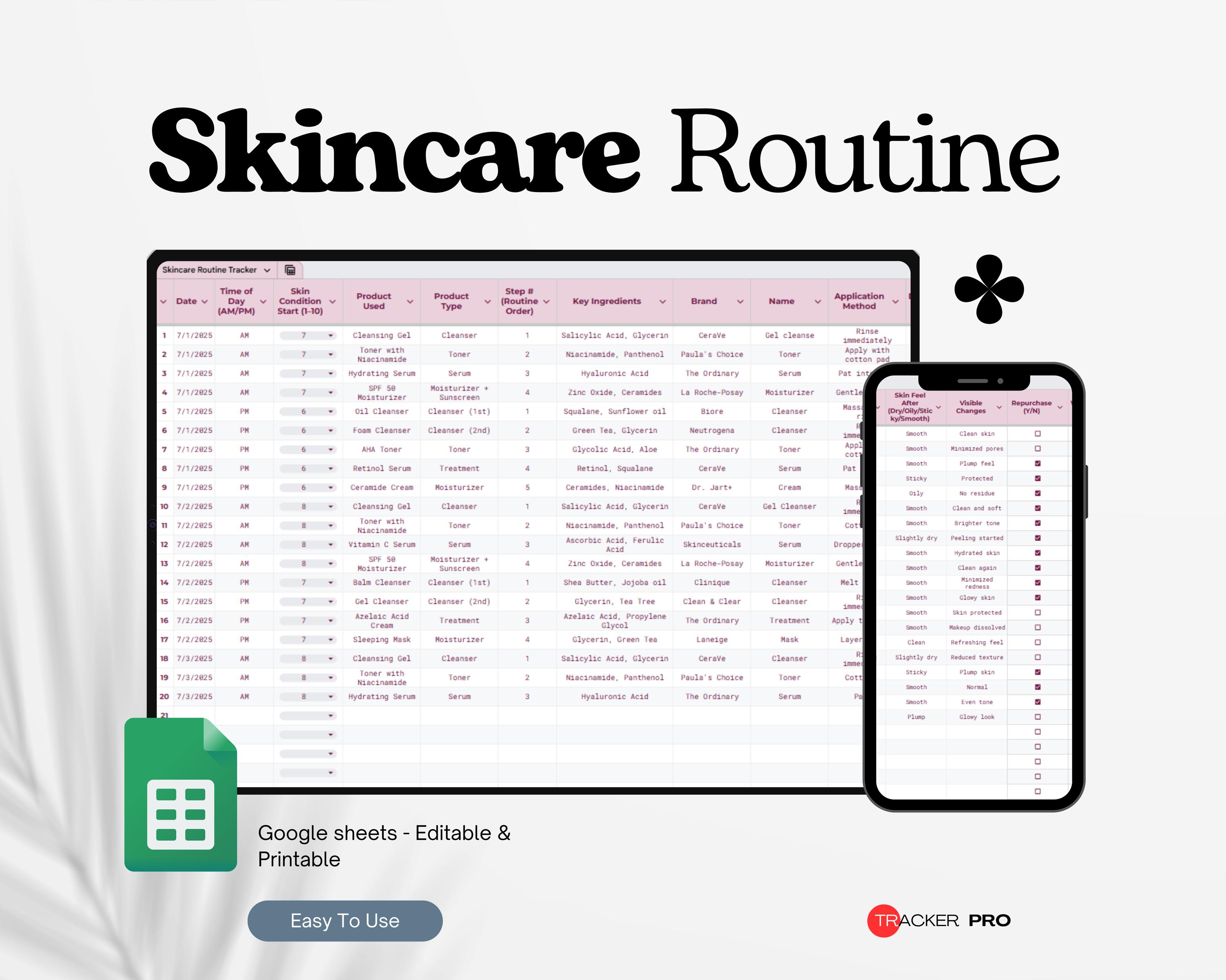
Track Your Progress
Tracking your progress is key to understanding how your skincare routine truly works for you. It helps you see what’s improving and what might need a change. Paying attention to the little details can make a big difference in your skin’s health over time.
Journaling Skin Changes
Keep a simple journal to note how your skin feels and looks each day. Write down any new products you add and how your skin reacts to them.
Include details like dryness, redness, or breakouts. Over time, you’ll spot patterns that tell you what’s working or what’s causing trouble.
Have you noticed your skin getting clearer after a week or suddenly breaking out after a new serum? Journaling helps catch these changes early.
When To Modify Your Routine
Your skin isn’t the same every day—it changes with seasons, stress, and even diet. Watch for signs like increased dryness, irritation, or lack of improvement.
These signals tell you it’s time to tweak your routine. Maybe you need a richer moisturizer in winter or a lighter formula in summer.
Ask yourself: Is my skin still reacting well, or is it time to switch things up for better results?
Consulting Professionals
Sometimes, despite your best efforts, your skin needs expert advice. Dermatologists can offer insights that you can’t get from online guides.
If you experience persistent issues like severe acne or unusual rashes, don’t hesitate to book a consultation. Professionals can recommend treatments tailored to your skin type and concerns.
Remember, your skin is unique. Getting personalized advice can save you time and frustration.

Credit: www.lizearle.com
Time-saving Tips
Saving time on your skincare routine doesn’t mean cutting corners—it means being smart about your choices. Streamlining your routine can free up your morning or evening without sacrificing the health of your skin. How can you make every minute count while still giving your skin the care it deserves?
Multi-use Products
Products that serve more than one purpose are your best friends when time is tight. Think of a moisturizer with built-in SPF or a tinted serum that hydrates and adds color. These double-duty items cut down the number of steps you need to complete your routine.
You might already have a favorite product that pulls double duty but haven’t realized it. Have you tried a cleanser that also tones, or a night cream that doubles as an eye cream? Using these smart picks can save you several minutes daily.
Simplifying Steps
Ask yourself which steps in your routine actually make a difference. It’s tempting to include every trendy product, but not every step is essential for everyone. Focus on cleansing, moisturizing, and sun protection—those are the pillars of good skincare.
Try cutting down on extras like multiple serums or frequent exfoliation. You can keep your skin healthy and glowing with just a few well-chosen products. What would your routine look like if you eliminated everything but the essentials?
Routine Hacks For Busy Days
Busy days require quick fixes that still keep your skin happy. Keep travel-sized products or wipes handy for moments when washing your face isn’t an option. A splash of micellar water or a refreshing mist can revive your skin in seconds.
Layer products in order of texture to speed up absorption and reduce waiting time. For example, apply lightweight serums before thicker creams, and don’t forget to gently pat products in rather than rubbing. These small hacks can shave off precious minutes from your routine.
Credit: www.etsy.com
Frequently Asked Questions
What Is A Skincare Routine Builder?
A skincare routine builder helps you create a personalized daily skincare plan. It considers your skin type and concerns. This tool suggests suitable products and steps to improve skin health. It simplifies skincare choices and boosts effectiveness.
How Do I Choose Products Using A Skincare Routine Builder?
The builder analyzes your skin type and specific issues. It recommends products with ingredients that target your concerns. You get a step-by-step guide for cleansing, treating, and moisturizing. This ensures your routine is tailored and effective.
Can A Skincare Routine Builder Work For All Skin Types?
Yes, most skincare routine builders cater to all skin types. They provide customized routines for oily, dry, sensitive, or combination skin. The recommendations adjust based on your unique skin needs for optimal results.
How Often Should I Update My Skincare Routine?
Update your routine every 3 to 6 months or with seasonal changes. Skin needs evolve due to environment, age, or lifestyle. Regular updates keep your routine effective and responsive to your skin’s condition.
Conclusion
Creating a skincare routine can seem daunting at first. But it doesn’t have to be. Start with basics. Cleanse, moisturize, and protect. Choose products that suit your skin type. Consistency is key. Stick to your routine daily. Adjust as your skin changes.
Listen to your skin’s needs. A simple routine often works best. Over time, you’ll see improvements. Your skin will thank you. Remember, patience is essential. Skincare is a journey, not a race. Enjoy the process and the results will follow.
Healthy skin is always worth the effort.
