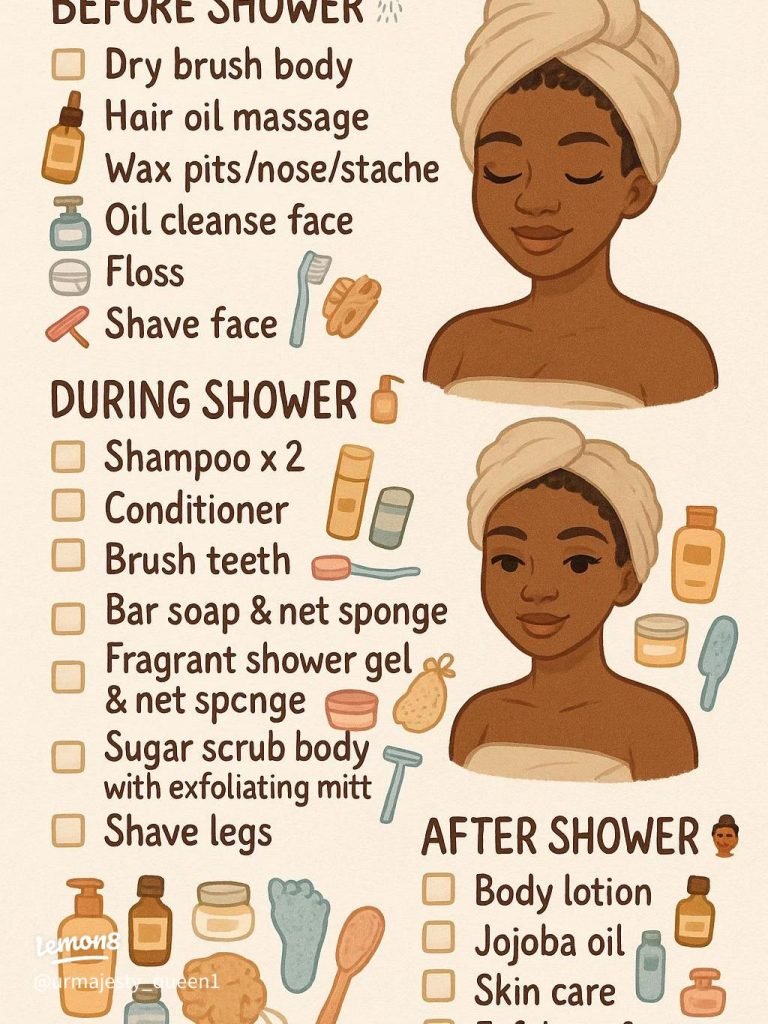
Have you ever found yourself standing in front of the mirror, wondering if your skincare routine should come before or after your shower? You’re not alone.
This seemingly simple question can make a big difference in how your skin looks and feels. Whether you’re aiming for that radiant glow or simply want to keep your skin healthy and happy, the timing of your skincare steps matters more than you might think.
We’ll unravel the mystery and guide you through the perfect timing for your skincare routine. So, if you’re ready to elevate your skin game and discover the secrets to achieving optimal results, keep reading. Your skin will thank you!
Benefits Of Skincare Before Shower
Applying skincare before your shower might seem unusual, but it offers unique benefits that can transform your routine. It prepares your skin in ways that a post-shower routine can’t always achieve. Have you ever noticed how some products feel more effective when applied before cleansing? Let’s break down why this timing can work in your favor.
Prepping Skin For Deep Cleansing
Applying skincare before showering helps loosen dirt, oil, and makeup on your skin. This makes your shower cleanse more effective without harsh scrubbing.
For example, using a gentle oil-based cleanser or makeup remover before the shower softens impurities. When you wash off in the shower, the steam and water help open your pores, allowing a deeper clean.
This preparation reduces the need for aggressive exfoliation, which can irritate sensitive skin. How often do you feel your skin is truly clean after just one wash?
Enhancing Product Absorption
Starting your skincare before showering can improve how well your skin absorbs products later. Hydrating serums or moisturizers applied pre-shower penetrate better when combined with the warming effect of steam.
Your skin’s moisture barrier becomes more receptive, making the active ingredients more effective. Think about how your skin feels after a hot shower—warm and primed. Applying products beforehand takes advantage of this natural state.
Try adding a lightweight serum before showering and notice how your skin looks and feels afterward. What’s your current routine missing that this step could add?
Protecting Skin Barrier
Skincare before showering can also protect your skin barrier from becoming too dry or irritated. Shower water, especially hot water, strips natural oils, which can lead to dryness and sensitivity.
Applying a barrier-repairing product like a moisturizer or oil before your shower creates a shield that locks in hydration. This prevents excessive moisture loss and reduces redness.
Consider the times your skin felt tight or flaky after a shower—could a pre-shower layer have helped? Adding this step might be the simple change your skin needs to stay balanced.

Credit: www.youtube.com
Benefits Of Skincare After Shower
Applying skincare products right after a shower can dramatically improve your skin’s health and appearance. Your skin is clean and pores are open, which means it’s ready to absorb nutrients better. Have you noticed how your skin feels softer and more supple when you moisturize immediately after bathing? That’s no coincidence—there are real benefits to this timing.
Locking In Moisture
After a shower, your skin still holds some water on its surface. Applying moisturizer at this moment helps trap that water inside your skin. This prevents dryness and keeps your skin feeling hydrated longer.
Think about it like sealing freshness in a container—you keep the moisture from escaping. Skipping this step can leave your skin dry and tight, especially in cold or dry weather.
Maximizing Hydration
The warm water from your shower makes your skin more permeable, which means it can absorb hydrating ingredients more effectively. Using serums or lotions right after your shower ensures these products penetrate deeper.
Have you tried a hyaluronic acid serum after showering? Many find it plumps up their skin and improves texture because it draws moisture in while your skin is still damp.
Soothing Warm Skin
Warm skin is more receptive and relaxed, which means applying calming ingredients can soothe irritation faster. Whether you have sensitive, dry, or acne-prone skin, this is a perfect time to use products that reduce redness and inflammation.
For example, using aloe vera gel or a gentle moisturizer right after your shower can calm your skin and reduce any tightness or itchiness. Don’t wait until your skin cools down to care for it—take advantage of this warm window.
Key Steps For Morning Routine
Starting your day with the right skincare routine sets the tone for healthy, glowing skin. The morning routine is all about preparing your skin to face environmental stressors like pollution and UV rays. Focusing on cleansing, toning, serum application, moisturizing, and sunscreen use can make a significant difference in how your skin feels and looks throughout the day.
Cleansing Techniques
Washing your face in the morning helps remove excess oils and any sweat from the night. Use a gentle cleanser suited to your skin type—whether it’s gel-based for oily skin or cream-based for dry skin.
Try using lukewarm water instead of hot water to avoid stripping your skin’s natural moisture. Pat your skin dry with a soft towel instead of rubbing it harshly.
Toning And Serum Application
Applying toner balances your skin’s pH and preps it for better absorption of serums. Look for alcohol-free toners with ingredients like witch hazel or rose water to soothe your skin.
Next, apply a serum that targets your specific skin concerns, such as vitamin C for brightening or hyaluronic acid for hydration. A few drops are enough; gently press the serum into your skin rather than rubbing it in.
Moisturizing And Sunscreen Use
Moisturizing locks in hydration and keeps your skin soft throughout the day. Choose a moisturizer based on your skin type—lighter lotions for oily skin and richer creams for dry skin.
Never skip sunscreen, even if you’re indoors most of the day. Use a broad-spectrum SPF 30 or higher to protect your skin from harmful UV rays that cause premature aging and dark spots.
Key Steps For Night Routine
Taking care of your skin at night is crucial because it’s the time when your body repairs itself. A solid night routine helps boost this natural process, leaving your skin fresh and healthy by morning. What you do before bed can make a big difference in how your skin looks and feels.
Removing Makeup And Dirt
Start by thoroughly removing makeup and dirt from your face. Leaving makeup on overnight clogs pores and can cause breakouts or irritation. Use a gentle cleanser or makeup remover that suits your skin type—oil-based removers work well for waterproof makeup.
Think about how often you skip this step. Have you noticed your skin feeling dull or breaking out after a long day? Proper cleansing sets the stage for everything else in your routine to work effectively.
Using Night Serums And Treatments
Nighttime is perfect for using serums and treatments that target specific skin issues like wrinkles, dark spots, or acne. These products usually contain active ingredients like retinol, vitamin C, or hyaluronic acid that work best without sun exposure. Apply serums on clean, dry skin to help them absorb fully.
Try to pick serums that address your unique skin needs. Have you experimented with serums before? Noticing any changes can help you understand what your skin really benefits from.
Nourishing With Night Creams
Finish your routine by applying a nourishing night cream. These creams lock in moisture and support your skin’s repair process throughout the night. Choose a cream that feels comfortable and matches your skin type—rich creams for dry skin, lighter gels for oily or combination skin.
Pay attention to how your skin feels after using night cream. Does it wake up softer and more hydrated? This final step keeps your skin balanced and ready to face the day ahead.
Common Mistakes To Avoid
Choosing the right skincare routine before or after a shower matters. Many make mistakes that harm their skin. Avoiding these errors helps keep skin healthy and glowing. Understanding common mistakes improves your skincare results.
Over-exfoliating Skin
Exfoliating removes dead skin cells. But too much exfoliating causes redness and irritation. It strips natural oils and damages the skin barrier. Limit exfoliation to 1-2 times a week. Use gentle scrubs or mild chemical exfoliants. Overdoing it leads to dryness and sensitivity.
Skipping Moisturizer
Moisturizer locks in hydration and protects skin. Skipping it leaves skin dry and flaky. Apply moisturizer right after cleansing or showering. This helps keep skin soft and smooth. Choose a moisturizer suitable for your skin type. Moisturizing prevents tightness and discomfort.
Using Harsh Products
Harsh products contain strong chemicals. They cause irritation, redness, and breakouts. Avoid products with alcohol, sulfates, and fragrances. Pick gentle, fragrance-free options instead. Test new products on a small skin area first. Harsh ingredients disrupt the skin’s natural balance.
Credit: www.lemon8-app.com
Tips For Glowing Skin
Achieving glowing skin requires care beyond just applying creams. It involves nurturing your body and skin daily. Small habits can make a big difference over time. Focus on simple, natural steps that support your skin’s health and shine.
Hydration And Diet
Water keeps your skin soft and elastic. Drinking plenty of water flushes out toxins. Eating fresh fruits and vegetables supplies essential vitamins and antioxidants. These nutrients protect skin cells and help repair damage. Avoid too much sugar and processed foods to prevent dullness and breakouts.
Consistent Routine
Follow a daily skincare routine without skipping steps. Cleanse your face gently before or after your shower to remove dirt. Apply moisturizer to lock in hydration while skin is damp. Use sunscreen every day, even if indoors. Consistency helps skin stay balanced and radiant.
Protecting Skin From Environment
Pollution and sun damage cause premature aging and dryness. Cover your skin with protective clothing or hats when outside. Use products with antioxidants to fight free radicals. Cleanse your skin thoroughly after exposure to dust or smoke. This prevents buildup that can clog pores and dull skin.

Credit: www.colorescience.com
Frequently Asked Questions
Should I Apply Skincare Before Or After Shower?
Applying skincare after a shower is best. Warm water opens pores, allowing better absorption. Clean skin post-shower helps products work effectively. Moisturizing after shower locks in hydration for glowing skin.
What Skincare Steps To Follow Before Shower?
Before shower, remove makeup and cleanse gently. This prevents clogged pores and preps skin for deeper cleaning. Avoid heavy products pre-shower to let water rinse impurities well.
How Does Shower Timing Affect Skincare Benefits?
Showering first cleans skin, improving product absorption. Warm water softens skin, enhancing exfoliation and hydration. Applying skincare after shower maximizes benefits and protects skin barrier.
Can Skincare Products Be Damaged By Shower Water?
Yes, some products lose effectiveness if applied before shower. Water and steam can dilute or wash away treatments. Always apply sensitive products like serums or moisturizers after shower.
Conclusion
A good skincare routine fits your daily habits best. Some prefer applying products before showering. Others choose to care for skin after shower time. Both ways can work well if done right. Keep your skin clean and moisturized always. Listen to your skin’s needs and adjust.
Small changes can bring big improvements over time. Stay consistent, and your skin will thank you. Simple steps often lead to healthier, glowing skin. Your routine, your choice—just keep it gentle and steady.
