
Are you struggling with sudden breakouts after starting a new skincare routine? You might be experiencing skincare purging acne.
This can be both confusing and frustrating. You invest in products hoping for radiant skin, only to face more blemishes. But don’t worry—this is a common part of the skincare journey. Understanding what skincare purging acne is, how it works, and why it happens can help you turn this temporary setback into a step forward for clearer, healthier skin.
Stay with us as we break down the science behind purging and share practical tips to help you manage and embrace this phase. Your path to glowing skin is just a few insights away!
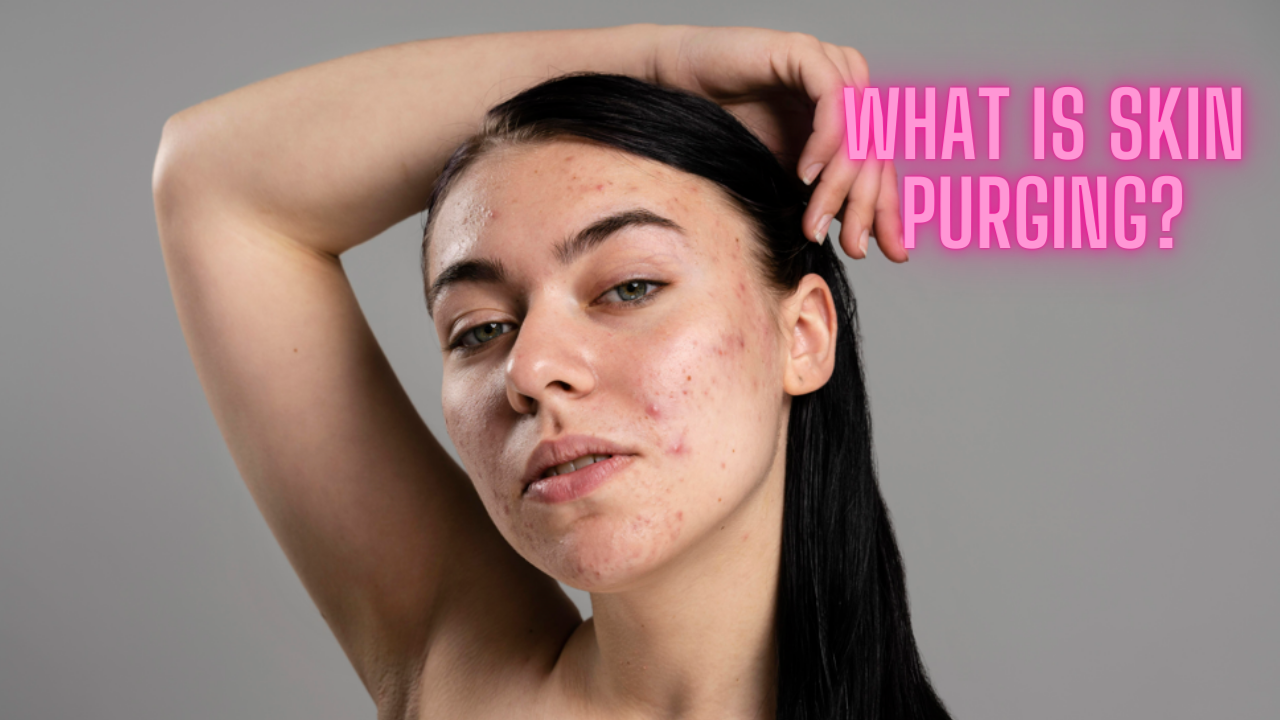
Credit: www.zoomtventertainment.com
What Causes Skincare Purging
Understanding what causes skincare purging helps you stay calm when your skin reacts to new products. Purging happens because certain active ingredients accelerate your skin’s natural renewal process. This pushes trapped impurities to the surface faster than usual, leading to temporary breakouts.
Knowing why purging happens can stop you from quitting a product too soon. It also helps you distinguish between purging and regular acne, so you can adjust your skincare routine wisely. Let’s dive into the details to give your skin the patience it deserves.
How Active Ingredients Trigger Purging
Active ingredients like retinoids, AHAs (alpha hydroxy acids), and BHAs (beta hydroxy acids) speed up cell turnover. This means dead skin cells shed quicker, clearing clogged pores faster. When these ingredients push impurities to the surface, you see more pimples at first.
For example, if you start using a retinol serum, you might notice small breakouts during the first few weeks. This happens because the product is working to clear deep layers of skin. Though it can feel frustrating, this purging phase usually lasts 4 to 6 weeks.
Not all products cause purging, though. Ingredients that don’t affect cell turnover, like moisturizers or sunscreens, usually won’t trigger purging. That’s why understanding what’s inside your products matters for predicting your skin’s reaction.
Difference Between Purging And Breakouts
Purging happens in areas where you usually get acne, while breakouts can appear anywhere on your face. If new pimples pop up in places you rarely have acne, it’s likely a reaction, not purging. This is a key clue to watch for.
Purging breakouts are typically short-lived and clear up faster once your skin adjusts. Regular breakouts may last longer and can worsen if the product irritates your skin. If you notice redness, swelling, or pain beyond typical acne, it might be an allergic reaction.
Ask yourself: Are the breakouts in usual trouble spots? How long have they lasted? Tracking these details helps you decide whether to continue or stop a product. Your skin’s response is your best guide here.
Common Ingredients That Lead To Purging
Skincare purging happens when certain ingredients speed up skin cell turnover. This process brings clogged pores and impurities to the surface quickly. As a result, acne appears worse before it gets better. Knowing which ingredients cause purging helps manage expectations and avoid confusion.
These ingredients are common in many acne treatments and anti-aging products. They can cause temporary breakouts but also improve skin health over time. Understanding their effects allows better skincare choices and patience during the purging phase.
Retinoids And Their Effects
Retinoids are vitamin A derivatives used to treat acne and wrinkles. They increase cell turnover, pushing out dead skin cells fast. This rapid renewal can cause initial breakouts and redness. Purging usually lasts a few weeks with consistent use. Skin often becomes clearer and smoother after this period.
Chemical Exfoliants: Ahas And Bhas
Alpha Hydroxy Acids (AHAs) and Beta Hydroxy Acids (BHAs) exfoliate the skin surface. AHAs, like glycolic acid, remove dead skin layers. BHAs, such as salicylic acid, penetrate pores to clear blockages. These acids speed up peeling and uncover fresh skin. Purging may appear as small pimples or whiteheads during early use.
Other Products That May Cause Purging
- Products with benzoyl peroxide can irritate skin and cause purging.
- Some masks or peels with strong acids trigger temporary breakouts.
- New moisturizers with active ingredients might increase cell turnover.
- Spot treatments containing sulfur or resorcinol can lead to purging.
Recognizing these ingredients helps in handling purging calmly. Patience and gentle care support skin recovery and clearer results.
Signs You’re Experiencing Purging
Noticing a sudden flare-up after starting a new skincare product can be confusing. You might wonder if your skin is reacting badly or if it’s actually getting better. Understanding the signs of purging helps you decide whether to stick with the product or reconsider your routine.
Timing And Duration Of Purging
Purging usually begins within the first two weeks of introducing a new active ingredient like retinol or exfoliating acids. It happens because these ingredients speed up your skin’s cell turnover, bringing clogged pores to the surface faster.
Typically, purging lasts between 4 to 6 weeks. If breakouts continue beyond this timeframe or worsen, it may be a sign that the product isn’t right for your skin.
Have you tracked your skin’s reaction timeline to know if what you’re experiencing is temporary or a real irritation?
Types Of Acne Linked To Purging
Purging tends to cause certain types of acne that appear in areas where you usually break out. These include whiteheads, blackheads, and small, inflamed pimples.
Unlike new allergic reactions, purging doesn’t create cystic or deep, painful acne in places where you never had issues before.
If you see new cystic acne forming on unfamiliar areas, it’s likely not purging but an adverse reaction that needs attention.
How To Manage Purging Acne
Managing purging acne can feel frustrating, but understanding how to handle it properly makes a big difference. Your skin is adjusting to new products by pushing out impurities, which can look like a breakout. Instead of giving up on your routine, knowing how to support your skin can help you get through this phase with better results.
Adjusting Your Skincare Routine
During purging, your skin may become more sensitive and prone to irritation. It’s important to simplify your routine—stick to gentle cleansers and avoid harsh scrubs or exfoliants that can worsen inflammation.
Try spacing out active ingredients like retinoids or acids. Instead of daily use, apply them every other day or even less frequently, depending on how your skin reacts. This adjustment helps your skin acclimate without overwhelming it.
Are you noticing increased redness or dryness? Consider adding a mild moisturizer to keep your skin barrier strong. Sometimes, less is more when your skin is in this delicate state.
When To Continue Or Stop Using Products
It can be tricky to decide if purging is normal or if the product is causing a true breakout. Purging usually lasts 4 to 6 weeks and occurs shortly after starting a new active ingredient.
If your acne worsens after this period or if you experience severe irritation, it might be time to pause or stop the product. Listen closely to your skin’s signals—continuing a product that causes discomfort can do more harm than good.
Ask yourself: Is this reaction expected based on the product’s mechanism? If yes, patience is key. If no, switch to a gentler alternative and consult a dermatologist if needed.
Soothing And Supporting Your Skin
Supporting your skin through purging means focusing on hydration and calming ingredients. Look for products with ceramides, hyaluronic acid, or aloe vera to soothe irritation.
Avoid adding too many new products at once. Layering too many actives or fragrances can stress your skin further. Instead, keep your routine straightforward and nurturing.
Have you tried using cold compresses or calming masks? These can reduce redness and provide immediate relief. Taking small steps to comfort your skin helps it recover faster and feel better during this challenging phase.
Preventing Excessive Purging
Excessive purging can cause discomfort and frustration. It happens when the skin reacts strongly to new products. Preventing this helps maintain a smooth skincare routine. Careful steps reduce the chance of irritation and breakouts. Here are ways to keep purging under control.
Introducing New Products Gradually
Start by using new products slowly. Begin with a small amount once or twice a week. Watch how your skin responds before increasing use. This approach gives skin time to adjust. It helps avoid sudden flare-ups or redness.
Patch Testing Tips
Test new products on a small skin area first. Apply a tiny amount on your wrist or behind the ear. Wait 24 to 48 hours to check for reactions. Look for redness, itching, or swelling. If none appear, it is safer to use on your face.
Choosing The Right Formulations
Select products with gentle ingredients for sensitive skin. Avoid harsh chemicals or strong acids at the start. Look for soothing elements like aloe vera or chamomile. These calm the skin while improving texture. Simple formulas reduce the risk of excessive purging.

Credit: sonage.com
Myths And Facts About Skincare Purging
Skincare purging often causes confusion. Many people do not know what is true or false. Clearing up myths helps you understand your skin better. Knowing facts prevents wrong skincare choices. It also eases the worry during purging phases.
Common Misconceptions
- Purging means your product is bad. Not true. It shows the product is working.
- Purging happens with any new skincare item. Actually, it only occurs with products that speed up skin cell turnover.
- Purging causes permanent acne. Purging is temporary and clears skin eventually.
- You should stop using the product immediately if purging starts. Often, continuing use is better for long-term results.
- All breakouts are purging. Some might be allergic reactions or irritation instead.
Scientific Insights
Purging happens when skin accelerates shedding dead cells. This reveals clogged pores faster than usual. Ingredients like retinoids, AHAs, and BHAs cause this process. The skin clears out trapped impurities and old acne.
Purging usually lasts four to six weeks. This matches the skin’s natural renewal cycle. After this, skin appears clearer and smoother. Not all skin types purge the same way or time.
True purging occurs only in areas where you usually get breakouts. New breakouts in other areas may indicate irritation or allergies.
Achieving Clear, Glowing Skin Post-purging
Achieving clear, glowing skin after experiencing skincare purging can feel challenging, but it’s absolutely possible with the right approach. Purging is your skin’s way of pushing out impurities, which means you’re on the right track. The key is to support your skin gently and consistently, so it recovers fully and reveals the healthy glow beneath.
Maintaining Healthy Skin Habits
Consistency is your best friend. Cleanse your face twice a day with a mild, non-irritating cleanser to remove dirt and excess oils without stripping your skin.
Hydration matters. Use a lightweight moisturizer to keep your skin balanced and prevent dryness, which can worsen post-purging sensitivity.
Sun protection is non-negotiable. Apply a broad-spectrum SPF daily to protect healing skin from UV damage that can cause dark spots and prolong redness.
Ask yourself: Are you touching your face enough to transfer bacteria and oils? Avoid touching or picking at your skin, especially during purging, to prevent scarring and new breakouts.
Best Practices For Long-term Results
- Introduce new products slowly.Give your skin time to adjust by adding one product at a time over several weeks.
- Stick to gentle exfoliation.Use a mild chemical exfoliant like lactic acid once or twice a week to clear dead skin without irritation.
- Listen to your skin’s signals.If a product causes burning or excessive redness beyond initial purging, pause its use and consult a dermatologist.
- Keep a skincare journal.Track what products you use and your skin’s reactions to identify what works best for you.
- Stay patient and realistic.True skin transformation takes weeks, sometimes months. Celebrate small improvements rather than expecting overnight perfection.
Remember, your skin’s journey is personal. How do you feel about adjusting your routine to support healing rather than rushing results?

Credit: www.clinikally.com
Frequently Asked Questions
What Causes Skincare Purging Acne?
Skincare purging acne happens when new products accelerate skin cell turnover. This brings trapped impurities to the surface quickly, causing temporary breakouts. It’s a sign your skin is adjusting to active ingredients like retinoids or acids.
How Long Does Skincare Purging Acne Last?
Purging acne usually lasts 4 to 6 weeks. This period allows your skin to clear out impurities. If breakouts persist beyond this, it might be regular acne, not purging.
How To Distinguish Purging From Regular Acne?
Purging acne appears where you normally break out and occurs soon after starting a new product. Regular acne can appear randomly and persists longer. Purging clears with time, while regular acne may need different treatment.
Should I Stop Skincare During Purging Acne?
No, don’t stop your skincare routine during purging. Continuing helps your skin adjust and heal. However, if irritation or severe breakouts occur, consult a dermatologist for advice.
Conclusion
Skincare purging acne can feel frustrating but is often temporary. Your skin clears out clogged pores and old buildup. This process shows your skincare is working. Stay patient and keep your routine gentle. Avoid changing products too quickly. Give your skin time to adjust and heal.
If acne worsens after weeks, consider seeing a dermatologist. Remember, healthy skin takes time and care. Trust the process and stay consistent for better results.
