
Are you tired of picking up skincare products only to find they don’t work for you? Have you ever glanced at the ingredient list and felt like you’re reading a foreign language?
You’re not alone. Understanding what’s in your skincare products is crucial for achieving that healthy, glowing skin you desire. But with so many ingredients out there, how do you know which ones are beneficial and which might cause irritation or breakouts?
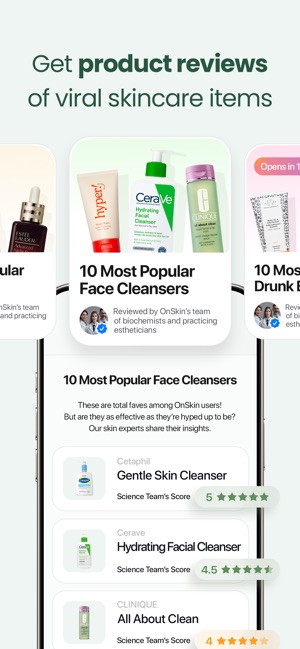
Enter the Skincare Ingredients Checker—a tool designed to simplify your skincare routine and help you make informed choices. Imagine knowing exactly what’s in your moisturizer or serum and how it affects your skin. Intrigued? Keep reading to discover how this handy tool can transform your skincare game and bring you closer to the radiant complexion you’ve always wanted.
Credit: apps.apple.com
Common Skincare Ingredients
Understanding common skincare ingredients helps you choose the right products. Skincare formulas contain various components. Each has a unique role in improving skin health and appearance. Knowing these ingredients makes your routine more effective and safe.
Moisturizers And Humectants
Moisturizers keep skin soft and hydrated. They create a barrier to lock in moisture. Humectants draw water from the air into the skin. Popular humectants include glycerin and hyaluronic acid. These ingredients help maintain skin’s moisture balance.
Exfoliants And Acids
Exfoliants remove dead skin cells, promoting a fresh look. Acids like alpha hydroxy acids (AHAs) and beta hydroxy acids (BHAs) improve texture. AHAs work on the surface, while BHAs penetrate pores. Regular exfoliation can brighten and smooth skin.
Antioxidants And Vitamins
Antioxidants protect skin from damage caused by free radicals. Vitamins such as C and E support skin repair and brightness. These ingredients reduce signs of aging and improve skin tone. They also help calm inflammation and redness.
Preservatives And Stabilizers
Preservatives keep skincare products safe from bacteria and mold. Stabilizers maintain product consistency and effectiveness over time. Common preservatives include parabens and phenoxyethanol. These ensure the product stays fresh and works well.

Credit: apps.apple.com
Identifying Harmful Components
Checking skincare ingredients can save your skin from unexpected reactions and long-term damage. Identifying harmful components lets you make smarter choices tailored to your skin’s needs. Knowing what to avoid can improve your skin’s health and overall confidence.
Allergens And Irritants
Many skincare products contain allergens that trigger redness, itching, or swelling. Common irritants include fragrances, alcohol, and certain preservatives like parabens. If you have sensitive skin, watch out for ingredients like limonene or linalool, which often cause flare-ups.
Have you ever used a product that made your skin burn or peel? That’s often due to allergens or irritants. Checking ingredients helps you skip those painful experiences and find formulas that soothe rather than harm.
Comedogenic Ingredients
Comedogenic ingredients clog pores and cause breakouts, especially if you have oily or acne-prone skin. Look for oils like coconut oil or ingredients such as isopropyl myristate, which are known to block pores. Non-comedogenic products are your best bet if you want clear skin without surprise pimples.
Do you struggle with stubborn acne despite using multiple products? It might be the hidden comedogenic components. Using an ingredient checker can pinpoint these culprits before they ruin your progress.
Potential Carcinogens
Some skincare ingredients have links to cancer risk, even if the connection is controversial or under study. Ingredients like formaldehyde releasers, certain synthetic musks, or high levels of parabens raise red flags. Avoiding these can reduce long-term health risks and give you peace of mind.
Would you apply something daily without knowing if it’s safe? A quick ingredient check can highlight potential carcinogens and help you choose cleaner options. Your skin deserves products that protect and heal, not pose hidden dangers.
Environmental Impact
Harmful ingredients don’t just affect your skin—they can damage the environment too. Microbeads, silicones, and some synthetic chemicals pollute waterways and harm marine life. Choosing eco-friendly ingredients supports both your skin and the planet.
Have you thought about how your skincare choices affect the world around you? By avoiding certain chemicals, you contribute to cleaner oceans and healthier ecosystems. It’s a simple step that makes a big difference beyond your bathroom shelf.
Reading Product Labels
Reading product labels is essential for choosing the right skincare items. Labels hold key information about ingredients and their effects. Understanding them helps avoid irritants and pick beneficial components. This skill builds confidence in shopping for skincare.
Decoding Ingredient Lists
Ingredient lists show what is inside a product. They are usually ordered by amount, from highest to lowest. The first ingredients make up most of the product. Watch for allergens and harsh chemicals in the first few items. Some ingredients have simple names, while others sound complex.
Look for familiar words like “water,” “glycerin,” or “aloe.” These often indicate hydration and soothing properties. Avoid ingredients you know cause reactions. This helps protect your skin from damage.
Understanding Inci Names
INCI stands for International Nomenclature of Cosmetic Ingredients. These are scientific names for each ingredient. They can be hard to read and remember. Learning common INCI names helps identify product contents.
For example, “Aqua” means water, “Tocopherol” means vitamin E, and “Sodium Laureth Sulfate” is a detergent. Recognizing these names helps understand the product’s purpose. Keep a list of common INCI names for quick reference.
Recognizing Marketing Terms
Labels often use marketing terms to attract buyers. Words like “natural,” “organic,” or “dermatologist tested” sound good but are not regulated. They do not always guarantee safety or effectiveness.
Focus on actual ingredients instead. Marketing claims can mislead or exaggerate benefits. Check for certifications or seals from trusted organizations. These provide more reliable information about product quality.
Credit: nyyang-194.medium.com
Tools For Ingredient Analysis
Understanding what’s inside your skincare products is essential for making choices that suit your skin type and avoid unwanted reactions. Tools for ingredient analysis help you identify potentially harmful or beneficial components quickly. They empower you to shop smarter and care for your skin more effectively.
Mobile Apps And Websites
Mobile apps and websites designed for skincare ingredient analysis put a vast amount of information right at your fingertips. Apps like INCI Beauty or Think Dirty scan product barcodes and instantly tell you if an ingredient is safe or questionable.
These tools often rate ingredients based on scientific research and user feedback. You can compare products side by side before buying, saving time and frustration.
Have you ever bought a product only to realize later it contains something your skin hates? These apps help prevent that by giving you immediate insight.
Professional Databases
Professional databases are more detailed sources used by dermatologists and cosmetic chemists. Examples include the Environmental Working Group’s Skin Deep database and CosDNA. They provide in-depth ingredient breakdowns and safety ratings.
These databases offer scientific studies and regulatory information, helping you understand ingredient roles and risks. While they might seem technical, they’re invaluable for anyone wanting to dive deeper into product safety.
Using these databases can feel like having a skincare expert in your pocket. Are you curious about what scientific research says about your favorite ingredients?
Diy Patch Tests
Even with all the data available, nothing replaces testing how your skin reacts personally. A simple DIY patch test lets you apply a small amount of product on your inner arm or behind your ear and observe for 24-48 hours.
This method helps catch allergic reactions or irritations before you apply a product all over your face. It’s a practical, low-tech tool that complements ingredient analysis perfectly.
Have you tried patch testing before? It’s a quick step that can save you from days of discomfort and skin trouble.
Tailoring Ingredients To Skin Types
Understanding skin types helps pick the right skincare ingredients. Each skin type reacts differently to various components. Tailoring ingredients improves skin health and avoids issues. Knowing your skin type guides safe and effective choices.
Sensitive Skin Tips
Choose gentle, fragrance-free ingredients to reduce irritation. Look for calming agents like aloe vera and chamomile. Avoid harsh exfoliants and alcohol-based products. Use minimal ingredients to prevent reactions. Patch-test new products before full use.
Oily And Acne-prone Solutions
Select ingredients that control oil and reduce breakouts. Salicylic acid and benzoyl peroxide help clear pores. Lightweight, non-comedogenic moisturizers prevent clogging. Avoid heavy creams and oils that increase shine. Use products with antibacterial properties to fight acne.
Dry And Mature Skin Care
Focus on hydrating and nourishing ingredients like hyaluronic acid and glycerin. Emollients such as shea butter soothe dry patches. Avoid products with alcohol or strong fragrances. Use gentle exfoliants to remove dead skin cells. Apply rich creams to lock in moisture.
Combination Skin Strategies
Balance ingredients to treat both oily and dry areas. Use lightweight, oil-free products on oily zones. Apply richer creams on dry patches. Look for gentle cleansers that do not strip skin. Consider spot treatments for blemishes without drying other areas.
Trends In Safe Skincare
Safe skincare continues to evolve as people demand more transparency and care in their products. Trends show a strong focus on ingredients that protect skin without causing harm. Consumers want products that are gentle, effective, and ethically made.
Brands are responding by offering options that highlight safety and sustainability. The following trends reveal how the skincare industry is changing to meet these needs.
Clean Beauty Movement
The clean beauty movement emphasizes products free from harmful chemicals. People prefer formulas with fewer synthetic additives and irritants. Labels often highlight “non-toxic,” “paraben-free,” and “sulfate-free” claims. This approach builds trust through ingredient transparency. Many users feel safer using products with simple, understandable ingredients.
Natural Vs Synthetic Debate
The debate between natural and synthetic ingredients remains active. Natural ingredients come from plants and minerals, often seen as safer. Synthetic ingredients are made in labs and can offer stability and consistency. Both types can be safe or harmful depending on use and concentration. Skincare experts stress the importance of scientific testing over assumptions. Safe skincare means choosing ingredients backed by research and proven gentle on skin.
Sustainable Packaging And Ingredients
Eco-friendly packaging is a key part of safe skincare trends. Recyclable, biodegradable, and refillable containers reduce environmental harm. Brands also focus on sustainably sourced ingredients. This means harvesting plants without damaging ecosystems. Consumers support companies that care for the planet and skin health equally. Sustainable practices help create a safer future for skin and Earth.
Building Your Skincare Routine
Building your skincare routine can feel overwhelming with so many products and ingredients out there. But it doesn’t have to be complicated. Taking a thoughtful approach helps you create a routine that suits your skin’s unique needs and avoids common pitfalls like irritation or ineffective layering.
Step-by-step Product Selection
Start by identifying your skin type and main concerns. Are you dealing with dryness, acne, or sensitivity? Use a skincare ingredients checker to find products with ingredients that target those issues without causing harm.
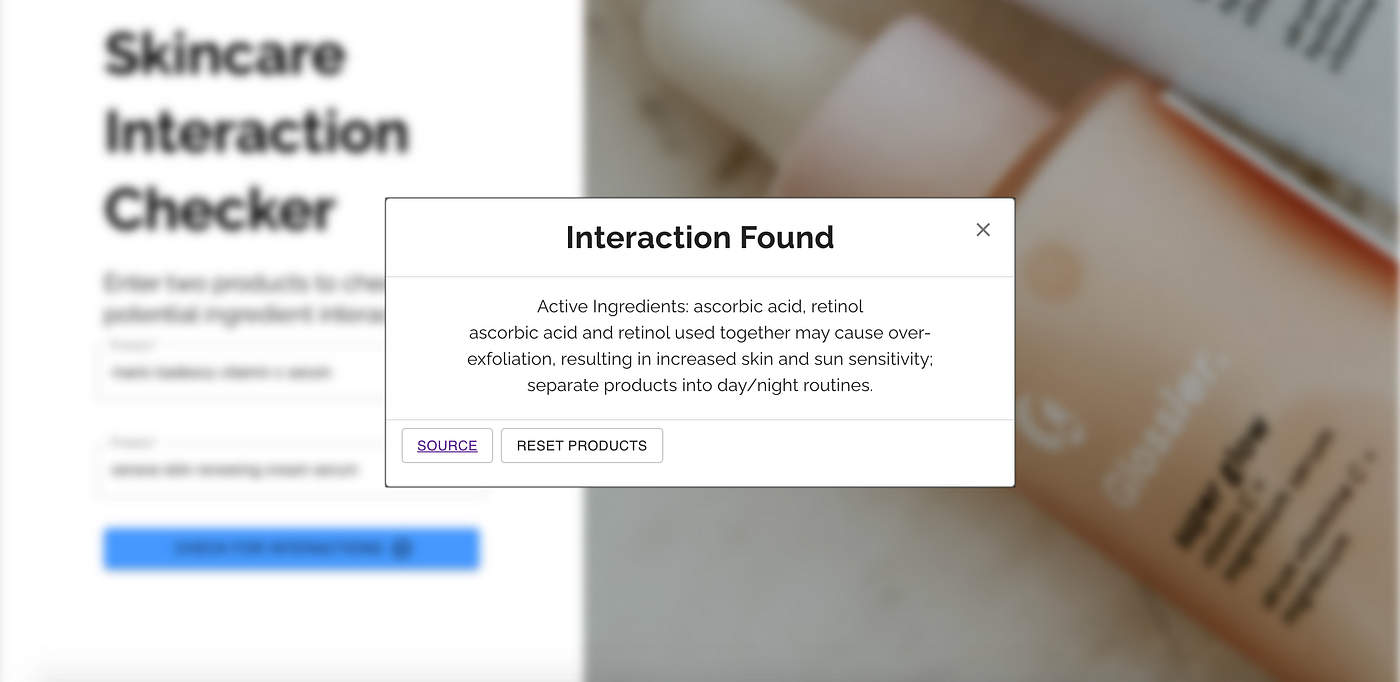
Choose one product at a time to add to your routine. This way, you can monitor how your skin reacts to each new ingredient. For example, if you want to add a vitamin C serum, check that it doesn’t clash with your current acids or retinoids.
Layering Ingredients Safely
How you layer products can impact their effectiveness and reduce irritation. Apply thinner, water-based products first, followed by thicker creams and oils. This order helps each ingredient absorb properly.
Be cautious combining strong actives like retinol and AHAs. Using them together might cause redness or peeling. A good rule is to alternate their use on different days or times of day.
Monitoring Skin Reactions
Pay close attention to how your skin responds after introducing a new product. Look for signs like redness, itching, or breakouts. Even if a product works well for others, your skin might react differently.
Keep a journal or use an app to track your daily routine and any changes you notice. This habit helps you spot patterns and decide whether to keep or stop a product. What small changes have you noticed when trying something new on your skin?
Frequently Asked Questions
What Is A Skincare Ingredients Checker?
A skincare ingredients checker helps you identify and understand ingredients in products. It reveals benefits, risks, and suitability for your skin type, ensuring informed choices and safer skincare routines.
How Does A Skincare Ingredients Checker Work?
It analyzes product labels or ingredient lists. The tool compares each ingredient against a database. It then provides detailed information on safety, function, and potential skin reactions.
Why Should I Use A Skincare Ingredients Checker?
Using one prevents allergic reactions and irritations. It helps you avoid harmful chemicals and choose products that suit your skin’s needs for better results.
Can A Skincare Ingredients Checker Detect Harmful Ingredients?
Yes, it flags harmful or controversial ingredients. This includes allergens, irritants, and banned substances. It ensures you avoid products that could damage your skin.
Conclusion
Checking skincare ingredients helps you choose safe products. Knowing what’s inside your creams and lotions protects your skin. It stops irritation and allergic reactions before they start. Using clear labels and tools makes this process easy. Stay informed and trust your skin’s health above all.
Healthy skin begins with smart choices every day. Keep learning about ingredients for a glowing, happy face. Your skin deserves care you can understand and trust.
