If you’re struggling with rosacea, you know how challenging it can be to find a skincare routine that works. Those persistent red patches, the occasional bumps, and the constant feeling of heat on your face can be frustrating.
But what if there was a way to soothe your skin and regain your confidence? Imagine waking up to a calmer complexion, one that doesn’t flare up at the slightest trigger. The secret lies in understanding what your skin truly needs.
We’ll uncover the most effective skincare strategies specifically tailored for rosacea. Keep reading to discover how to create a peaceful environment for your skin and take the first step towards a happier, healthier you.
Causes Of Rosacea Flare-ups
Understanding the causes of rosacea flare-ups is key to managing your skin effectively. Flare-ups can be sudden and frustrating, but knowing what triggers them helps you take control. Let’s look at what might spark those unwelcome redness and irritation episodes.
Common Triggers
Certain foods and drinks often cause rosacea flare-ups. Spicy dishes, hot beverages like coffee or tea, and alcohol are frequent culprits. Have you noticed your skin reacting after enjoying a glass of wine or a spicy meal?
Emotional stress also plays a big role. Anxiety or anger can send your skin into overdrive, leading to redness and swelling. It’s important to recognize these emotional triggers and find healthy ways to manage stress.
Environmental Factors
Weather changes can make a huge difference in your skin’s condition. Extreme heat, cold, wind, or sun exposure often worsen rosacea symptoms. Do you protect your face from harsh weather, or has the sun ever caught you off guard?
Pollution and irritants in the air can also inflame sensitive skin. If you live in a city or a polluted area, your skin might be reacting to airborne particles. Wearing a gentle barrier cream or cleansing regularly can help reduce this impact.
Lifestyle Influences
Your daily habits affect rosacea more than you might think. Lack of sleep, smoking, and vigorous exercise can trigger flare-ups. What changes can you make in your routine to keep your skin calm?
Even skincare products matter. Harsh cleansers, alcohol-based toners, or heavy cosmetics often irritate rosacea-prone skin. Choosing gentle, fragrance-free products can prevent unnecessary flare-ups and soothe your skin.

Credit: skintypesolutions.com
Choosing The Right Skincare Products
Choosing the right skincare products is key for managing rosacea. The skin needs gentle care to avoid flare-ups and irritation. Picking products with soothing ingredients helps calm redness and discomfort. Avoid harsh chemicals that can worsen symptoms and damage the skin barrier.
Understanding what to use and what to avoid guides your skincare routine. Focus on gentle cleansing, proper moisturizing, and steering clear of irritants. This approach supports healthier skin and reduces rosacea triggers.
Gentle Cleansers To Use
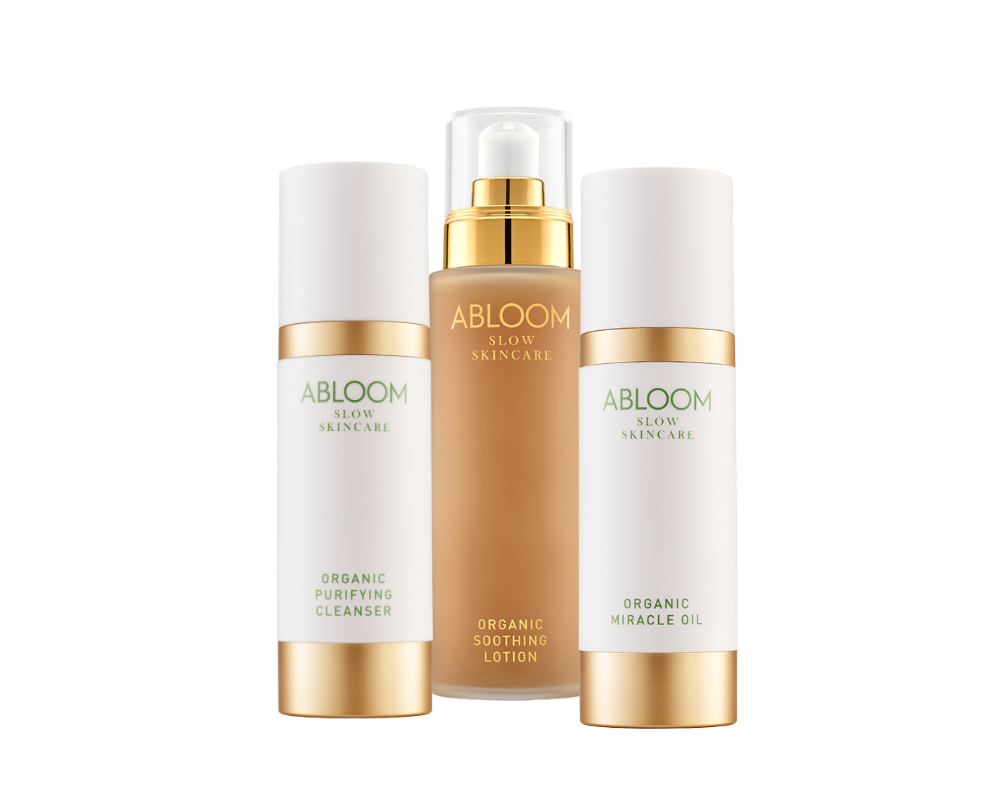
Select cleansers that do not strip the skin’s natural oils. Look for mild, fragrance-free options. Creamy or lotion-based cleansers are best for sensitive, rosacea-prone skin. Avoid foaming cleansers that can dry out or irritate the skin.
- Use lukewarm water to wash the face.
- Cleanse skin softly without rubbing or scrubbing.
- Choose products labeled for sensitive or rosacea skin.
Moisturizers That Calm Skin
Moisturizers help protect the skin barrier and reduce redness. Look for calming ingredients like aloe vera, chamomile, or oat extract. These ingredients soothe irritation and hydrate without clogging pores. Lightweight, non-greasy formulas work best for rosacea skin.
- Apply moisturizer twice daily after cleansing.
- Opt for products with ceramides to strengthen skin.
- Avoid heavy creams that may cause breakouts.
Ingredients To Avoid
Certain ingredients can trigger rosacea flare-ups. Avoid alcohol, menthol, and fragrance in skincare products. Harsh exfoliants and strong acids may increase redness and irritation. Stay away from products with sodium lauryl sulfate or witch hazel.
- Check labels carefully for irritants.
- Patch test new products on a small skin area first.
- Discard products that cause burning or itching sensations.
Daily Skincare Routine For Rosacea
Building a daily skincare routine tailored for rosacea can make a huge difference in managing flare-ups and keeping your skin calm. Your skin reacts differently to products and environmental factors, so it’s important to choose gentle steps that protect and soothe rather than irritate. Let’s break down the key parts of a routine that respects your skin’s sensitivity and helps maintain its health every day.
Cleansing Tips
Choose a mild, fragrance-free cleanser that doesn’t strip your skin’s natural oils. Avoid cleansers with harsh ingredients like alcohol, menthol, or exfoliating beads, which can trigger redness.
Wash your face with lukewarm water—not hot—to prevent aggravation. Use your fingertips to gently cleanse without rubbing or scrubbing.
Pat your skin dry with a soft towel instead of rubbing. Have you noticed that even small friction can worsen your rosacea? This simple step can help reduce irritation significantly.
Moisturizing Steps
Moisturizing keeps your skin barrier strong and less prone to redness. Pick a moisturizer labeled for sensitive skin, ideally with calming ingredients like ceramides, niacinamide, or aloe vera.
Apply moisturizer while your skin is still slightly damp to lock in hydration. Use gentle upward strokes and avoid harsh pressure.
If you experience flare-ups, consider using a moisturizer with anti-inflammatory properties. Have you tried patch testing new products before applying them all over? It helps avoid surprise reactions.
Sun Protection Strategies
Sun exposure is a common rosacea trigger. Use a broad-spectrum sunscreen with at least SPF 30 every day, even on cloudy days.
Physical (mineral) sunscreens containing zinc oxide or titanium dioxide are usually better tolerated by rosacea-prone skin than chemical ones.
Wear protective clothing and seek shade whenever possible. Do you know that reapplying sunscreen every two hours is crucial, especially if you’re outdoors? This simple habit can prevent many flare-ups.
Quick Remedies To Reduce Redness
Redness from rosacea can feel frustrating and uncomfortable. Luckily, some quick remedies can help calm your skin and reduce that unwanted flushing. These simple techniques provide immediate relief and can fit easily into your daily routine.
Cold Compress Techniques
Applying a cold compress is one of the fastest ways to soothe redness. Use a clean cloth soaked in cool water or wrap ice cubes in a soft towel. Gently press it against the affected areas for a few minutes to help shrink blood vessels and reduce inflammation.
Have you noticed how quickly your skin calms down after a cold compress? It’s a simple trick that delivers instant comfort without harsh chemicals. Just be careful not to apply ice directly to your skin—it can cause more irritation.
Anti-inflammatory Masks
Anti-inflammatory masks can calm your skin and reduce redness effectively. Look for ingredients like aloe vera, chamomile, or oatmeal, which are known for their soothing properties. Applying these masks twice a week can make a noticeable difference in your skin’s tone.
One time, after a particularly bad flare-up, I used an oatmeal mask and felt relief within minutes. It’s amazing how natural ingredients can work wonders without causing more irritation. Try to avoid masks with fragrances or alcohol, as these can trigger rosacea symptoms.
Soothing Serums
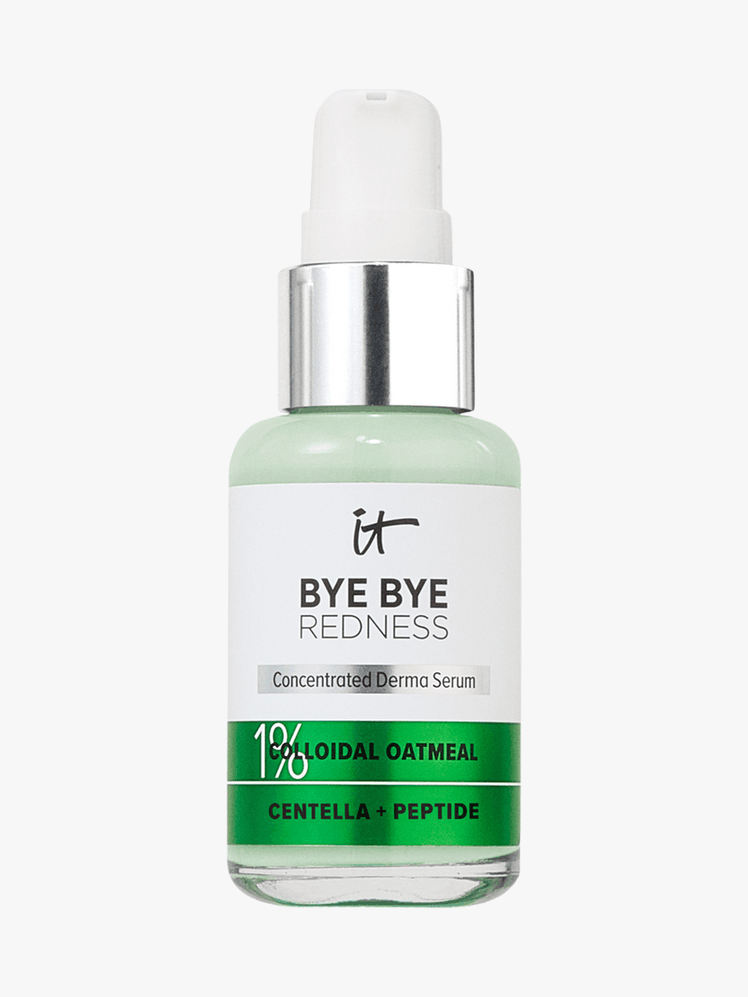
Soothing serums designed for sensitive skin can help reduce redness throughout the day. Ingredients such as niacinamide, green tea extract, and hyaluronic acid hydrate your skin and calm inflammation. Apply your serum after cleansing and before moisturizing for best results.
Have you found a serum that works for you? It might take some trial and error, but the right product can stabilize your skin and prevent flare-ups. Keep an eye out for serums labeled “for sensitive skin” or “rosacea-friendly” to avoid common irritants.
Lifestyle Changes To Support Skin Health
Supporting skin health with rosacea means more than just creams. Lifestyle changes play a big role in calming the skin. Simple habits can reduce flare-ups and improve overall skin condition.
These changes help the skin stay strong and less sensitive. A balanced approach to diet, stress, and avoiding triggers can make a clear difference. Here are key areas to focus on for better skin health.
Diet Adjustments
Some foods can cause rosacea to flare. Spicy dishes, hot drinks, and alcohol often trigger redness. Try to eat fresh fruits and vegetables daily. Drink plenty of water to keep skin hydrated.
- Choose low-acid fruits like bananas and melons.
- Avoid caffeine and sugary snacks.
- Include foods rich in omega-3, like fish and flaxseeds.
Healthy eating supports skin healing and reduces inflammation.
Stress Management
Stress can worsen rosacea symptoms quickly. Finding ways to relax helps control flare-ups. Practice deep breathing or meditation regularly. Light exercise like walking or yoga calms the mind and body.
- Set aside quiet time daily.
- Sleep at least 7-8 hours every night.
- Limit screen time to reduce tension.
Lower stress means less redness and discomfort on the skin.
Avoiding Irritants
Harsh products can damage sensitive skin. Use gentle cleansers without fragrance or alcohol. Protect skin from extreme weather like wind and sun. Wear sunscreen even on cloudy days.
- Test new products on a small skin area first.
- Choose soft fabrics to avoid skin rubbing.
- Keep your environment clean to reduce dust and allergens.
Reducing irritants helps skin stay calm and less inflamed.
:max_bytes(150000):strip_icc()/byr-best-makeup-for-rosacea-tout-ff23b0cf7d9f442497a65a5e0058ebb0.jpg)
Credit: www.byrdie.com
When To Seek Professional Help
Rosacea can be challenging to manage alone. Some signs mean it’s time to get expert care. Knowing when to seek help ensures better skin health and comfort.
Signs To Watch For
- Persistent redness that worsens over time
- Visible blood vessels on the face
- Swelling or bumps that do not improve
- Eye irritation or dryness linked to rosacea
- Skin thickening, especially around the nose
- Severe burning or stinging sensation
Treatment Options Available
Doctors offer several treatments to control rosacea symptoms. These include:
- Topical creams to reduce inflammation and redness
- Oral antibiotics for bacterial control
- Laser therapy to shrink blood vessels
- Eye drops for ocular rosacea symptoms
- Skincare routines tailored to sensitive skin
Working With Dermatologists
Dermatologists understand rosacea well. They create personalized plans based on skin type and severity. Regular visits help monitor progress and adjust treatments. Sharing all symptoms openly leads to better care. Trust their advice for skincare products and lifestyle changes.
Credit: abloomskincare.com
Frequently Asked Questions
What Skincare Ingredients Help Reduce Rosacea Redness?
Ingredients like niacinamide, azelaic acid, and green tea extract soothe rosacea. They reduce inflammation and calm skin redness effectively.
How Often Should I Cleanse Skin With Rosacea?
Cleanse rosacea-prone skin twice daily with a gentle, fragrance-free cleanser. Avoid harsh scrubs to prevent irritation and flare-ups.
Can Moisturizers Improve Rosacea Symptoms?
Yes, moisturizers restore skin barrier and lock in hydration. Use fragrance-free, non-comedogenic moisturizers to minimize irritation and dryness.
Which Skincare Products Should Rosacea Patients Avoid?
Avoid products with alcohol, menthol, fragrance, and exfoliating acids. These can trigger rosacea flare-ups and worsen redness.
Conclusion
Skincare for rosacea needs care and patience. Choose gentle products made for sensitive skin. Avoid harsh ingredients that cause redness or irritation. Keep a daily routine to protect and calm your skin. Stay aware of what triggers your rosacea and avoid it.
Small changes can bring big improvements over time. Healthy skin feels better and looks clearer. Take time to care for your skin every day. Your skin deserves gentle, steady attention to stay calm and comfortable.