Your skin tells a story every day. How you care for it can make all the difference between dullness and glow, dryness and hydration, tiredness and freshness.
Imagine waking up each morning with skin that feels soft, looks radiant, and stays healthy no matter the season. That’s exactly what a simple, effective skincare daily routine can do for you. Ready to discover easy steps that fit right into your day and transform your skin from the inside out?
Keep reading—your best skin is just a routine away.
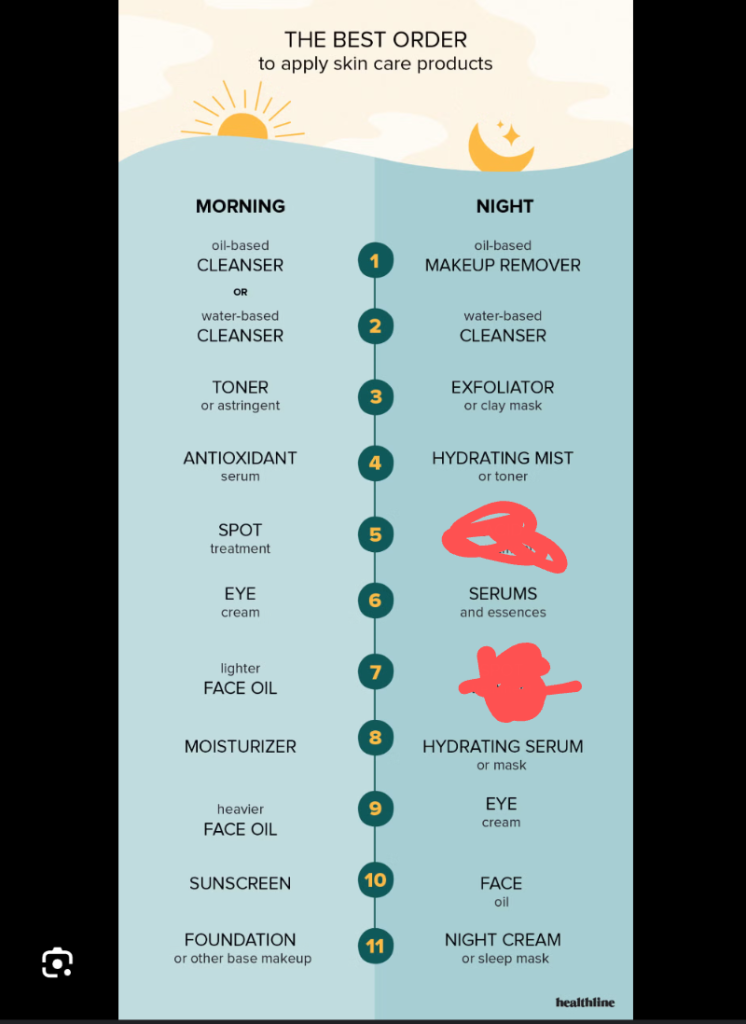
Morning Skincare Steps
Starting your day with the right morning skincare steps can set the tone for healthy, glowing skin. These steps prepare your face to face daily environmental stressors and keep your complexion fresh all day long. Are you giving your skin the morning care it truly needs?
Cleansing Techniques
Cleaning your face in the morning removes overnight sweat, oil, and dirt buildup. Use a gentle cleanser suited to your skin type and lukewarm water to avoid stripping natural oils. Try massaging your face in small circular motions for about 30 seconds to boost circulation and wake up your skin.
Have you noticed how skipping cleansing can leave your skin feeling dull or clogged? A clean face is the perfect base for the next steps.
Toning Benefits
Toner helps balance your skin’s pH and tightens pores after cleansing. It also preps your skin to absorb moisturizers and serums better. Choose an alcohol-free toner with ingredients like witch hazel or rose water to soothe and refresh your face.
Think about how a toner can transform your skin texture and reduce excess oil without over-drying. What’s your favorite toner that makes your skin feel instantly refreshed?
Moisturizing Essentials
Moisturizer locks in hydration and creates a smooth barrier to protect skin throughout the day. Pick a lightweight formula if your skin is oily, or a richer cream if it tends to be dry. Don’t forget to apply moisturizer on your neck and chest area as well.
Have you ever skipped moisturizer and felt tight or flaky skin by noon? Keeping skin hydrated improves elasticity and reduces early signs of aging.
Sun Protection Tips
Applying sunscreen is the most crucial step in your morning routine to prevent sun damage and premature wrinkles. Use a broad-spectrum SPF 30 or higher, even on cloudy days. Reapply every two hours if you spend extended time outdoors.
Many people underestimate the power of daily sun protection. What’s your go-to sunscreen that feels light but effective on your skin?

Credit: www.colorescience.com
Evening Skincare Routine
Evening skincare routines are essential for repairing and rejuvenating your skin after a long day. At night, your skin enters a recovery mode, making it the perfect time to nourish and treat it. Skipping or rushing through this routine can leave your skin dull and prone to breakouts.
Makeup Removal Methods
Removing makeup thoroughly is the first and most important step in your evening skincare routine. Leaving makeup on overnight clogs pores and causes irritation. You can use gentle makeup removers like micellar water, cleansing oils, or makeup wipes specifically designed for your skin type.
Many find double cleansing effective—starting with an oil-based cleanser to break down makeup, followed by a water-based cleanser to remove residue. Have you noticed how much cleaner your skin feels after double cleansing?
Deep Cleansing Options
After makeup removal, deep cleansing helps remove dirt and excess oils trapped in your pores. Consider a mild exfoliating cleanser or a clay mask once or twice a week to clear out impurities. These options prevent breakouts and leave your skin feeling fresh.
Be careful not to overdo it; excessive cleansing can strip your skin of natural oils and cause dryness. How often do you evaluate your skin’s reaction to deeper cleansing?
Nighttime Moisturizers
Nighttime moisturizers are thicker and richer than daytime ones to provide intense hydration while you sleep. Look for ingredients like hyaluronic acid, ceramides, or shea butter to replenish moisture and repair your skin barrier. Applying moisturizer helps lock in all the goodness from your previous steps.
Have you tried switching to a dedicated night cream instead of using your daytime lotion at night? The difference can be noticeable in how soft and plump your skin feels each morning.
Treatment Serums
Serums are concentrated with active ingredients that target specific skin concerns like wrinkles, dark spots, or acne. Applying serums after cleansing and before moisturizing ensures better absorption. Popular nighttime serums contain retinol, vitamin C, or peptides to boost collagen and brighten skin.
Start slow with potent serums and observe how your skin reacts—too much can cause irritation. What skin issue would you prioritize addressing with a serum tonight?
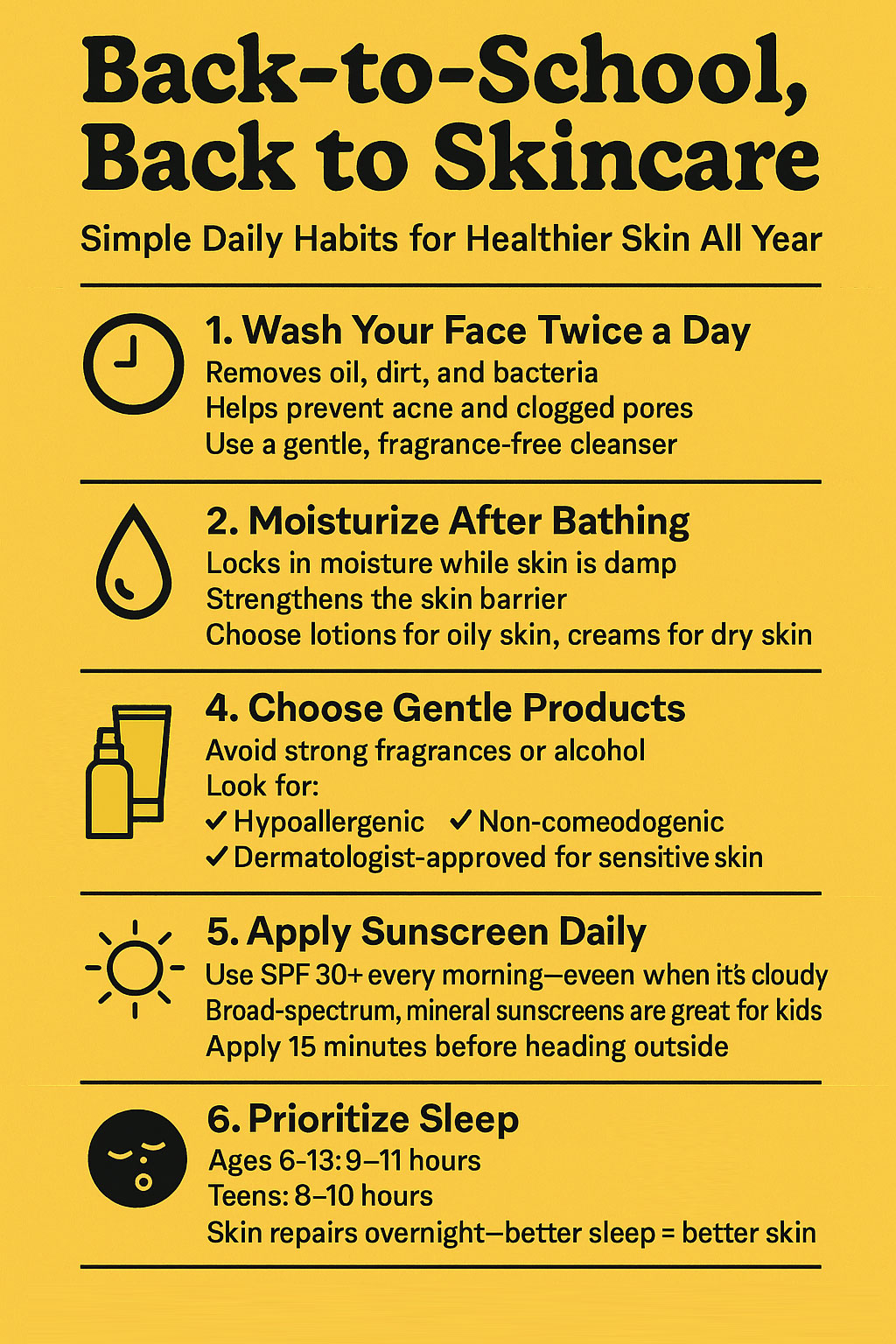
Weekly Skincare Practices
Weekly skincare practices enhance your daily routine by targeting deeper skin needs. These practices help remove dead skin, improve moisture, and refresh your complexion. Consistent weekly care supports healthier, glowing skin.
Exfoliation Types
Exfoliation removes dead skin cells and smooths the skin surface. Choose between two main types:
- Physical exfoliants:Use small grains or brushes to scrub the skin gently.
- Chemical exfoliants:Contain acids like AHAs or BHAs to dissolve dead cells without scrubbing.
Select exfoliants based on your skin type. Sensitive skin benefits from mild chemical exfoliants. Oily or combination skin may handle physical exfoliants better. Limit exfoliation to once or twice a week to avoid irritation.
Face Masks Selection
Face masks provide extra care tailored to your skin’s needs. Types include:
- Clay masks:Absorb oil and clear impurities.
- Hydrating masks:Deliver moisture to dry skin.
- Brightening masks:Improve dullness and even skin tone.
Apply masks after cleansing and exfoliating for best absorption. Leave on for the recommended time and rinse with lukewarm water.
Hydration Boosters
Hydration keeps skin soft and elastic. Weekly boosters help restore moisture balance deeply.
- Use hydrating serums with ingredients like hyaluronic acid or glycerin.
- Apply rich moisturizers or oils to lock in hydration.
- Consider overnight hydrating treatments for intensive care.
Hydration boosters support skin repair and prevent dryness, especially in colder months.
Credit: dermatologyofct.com
Diet And Hydration Impact
Diet and hydration play a vital role in maintaining healthy skin. What you eat affects your skin’s appearance and texture. Hydration keeps skin soft and prevents dryness. Both work together to support your skincare routine naturally.
Foods For Skin Health
Eating the right foods helps your skin stay clear and glowing. Nutrients from fruits and vegetables nourish skin cells deeply. Some key foods to include:
- Carrots and sweet potatoes for vitamin A
- Oranges and berries rich in vitamin C
- Leafy greens like spinach and kale
- Nuts and seeds for healthy fats
- Fish such as salmon for omega-3 fatty acids
These foods protect skin from damage and support repair. They boost collagen production and reduce inflammation.
Importance Of Water Intake
Water is essential for skin hydration from inside out. It helps flush out toxins and keeps skin cells plump. Proper water intake can reduce dryness and wrinkles.
Drink enough water daily to maintain skin moisture balance. Signs of dehydration include dullness and tight skin. Aim for at least eight glasses a day, adjusting for activity and climate.
Lifestyle Habits For Skin
Your daily skincare routine isn’t just about the products you apply. What you do outside the bathroom matters just as much for healthy, glowing skin. Small lifestyle habits can either boost your skin’s natural repair or speed up damage without you realizing it.
Sleep And Skin Repair
Did you know your skin works hard to repair itself while you sleep? Getting enough quality rest helps your body produce collagen, which keeps skin firm and smooth.
Try to aim for 7-9 hours of uninterrupted sleep. Avoid screens an hour before bed to improve sleep quality and reduce skin stress caused by blue light exposure.
Think about your own sleep habits—could you improve your bedtime routine to help your skin heal better overnight?
Stress Reduction Techniques
Stress triggers hormone changes that can cause breakouts and skin irritation. Managing stress isn’t just good for your mind but essential for your skin’s health.
Simple techniques like deep breathing, journaling, or short walks can lower stress levels. I found that even five minutes of focused breathing each day noticeably calms my skin’s redness.
What small changes can you add to your daily life to keep stress from showing up on your face?
Exercise Benefits
Exercise improves blood circulation, delivering oxygen and nutrients directly to your skin. This natural boost helps your skin look more vibrant and clear.
Regular physical activity also helps manage stress and supports better sleep, creating a positive cycle for your skin.
If you’re not active now, start with a 10-minute walk daily and notice how your skin responds over time.

Credit: www.bellinispdx.com
Common Skincare Mistakes
Many people think more skincare means better skin, but that’s not always true. Small mistakes in your daily routine can cause dryness, irritation, or breakouts. Identifying these common errors helps you protect and improve your skin effectively.
Over-cleansing Risks
Washing your face too often strips away natural oils your skin needs to stay balanced. I once cleaned my face three times a day, hoping to clear acne faster, but it made my skin red and flaky instead.
Stick to cleansing twice daily—morning and night—to remove dirt and excess oils without damaging your skin barrier. If your skin feels tight or itchy after washing, you might be overdoing it.
Ignoring Sunscreen
Skipping sunscreen is one of the biggest mistakes you can make, even on cloudy days. UV rays can penetrate clouds and windows, causing premature aging and increasing skin cancer risk.
Try applying a broad-spectrum sunscreen with at least SPF 30 every morning. Have you noticed dark spots or wrinkles developing despite other care? Sunscreen could be the missing step in your routine.
Using Harsh Products
Harsh scrubs, alcohol-based toners, or strong acids might promise quick results but often cause irritation and sensitivity. My friend once used a powerful exfoliant daily, which led to redness and peeling.
Choose gentle products suited for your skin type and introduce new items slowly. If your skin stings or burns after applying a product, it’s a clear sign to stop and rethink your choices.
Frequently Asked Questions
What Is The Best Time For A Skincare Daily Routine?
The best time is morning and night. Morning protects skin from daily stress. Night repairs and hydrates skin during sleep.
How Many Steps Are In A Basic Skincare Routine?
A basic routine has 3 to 4 steps: cleanse, tone, moisturize, and sunscreen in the morning.
Can I Skip Skincare If I Have Oily Skin?
No, oily skin still needs cleansing and moisturizing. Use oil-free products to balance skin.
How Often Should I Exfoliate In My Routine?
Exfoliate 1 to 2 times weekly. Over-exfoliating can irritate and damage your skin.
Conclusion
A consistent skincare routine is key to healthy skin. Cleanse, tone, moisturize daily. Don’t forget sunscreen. It protects against harmful UV rays. Hydration keeps your skin fresh. Tailor products to your skin type. Listen to what your skin needs. Simple steps make a big difference.
Be patient. Results take time. Consistency leads to radiant skin. Enjoy the process. Your skin will thank you.
