
Are you tired of battling dry, flaky skin or dealing with that unwanted greasy shine? If so, you’re not alone.
Skin oil is a hot topic and for good reason. It’s a game-changer in the world of skincare, promising to transform your complexion and boost your confidence. Imagine having skin that feels balanced, looks radiant, and is easy to manage.
The secret lies in understanding and using skin oil effectively. We’ll dive into the magic of skin oil, how it can benefit your skin type, and the best ways to incorporate it into your skincare routine. Stay with us as we unlock the potential of skin oil for your healthiest skin yet!
What Is Skin Oil
Skin oil is a natural substance produced by your body. It helps keep your skin soft and protected. Everyone has skin oil, but the amount and type vary from person to person. Understanding skin oil can help you care for your skin better.
Types Of Skin Oils
There are different types of oils on your skin. The most common is sebum, made by special glands. Sebum is a mix of fats and oils. It stops your skin from drying out.
Other oils come from products you apply. These can be natural oils like coconut or jojoba oil. Each oil has its own benefits for the skin.
- Sebum:Natural oil from skin glands.
- Plant Oils:Oils from seeds and nuts, like almond oil.
- Mineral Oils:Oils made in labs, often used in skincare products.
Role In Skin Health
Skin oil keeps your skin healthy and balanced. It protects against dryness and irritation. Oil creates a barrier that locks in moisture.
Too little oil can cause dry, flaky skin. Too much oil may lead to clogged pores and acne. Good skin care balances oil levels.
Skin oil also helps fight bacteria and keeps your skin smooth. It plays a key role in healing minor cuts and wounds.
Benefits Of Skin Oil
Skin oil offers many benefits for healthy and glowing skin. It nourishes deeply and improves skin texture. Using skin oil can enhance your natural beauty and keep your skin soft.
Hydration And Moisture
Skin oil helps lock in moisture. It creates a natural layer that prevents water loss. This keeps your skin hydrated throughout the day. Oils like jojoba and argan supply essential fatty acids. These help maintain the skin’s natural moisture balance.
Protection Barrier
Skin oil forms a barrier against environmental damage. It shields skin from pollution and harsh weather. This barrier reduces dryness and irritation. Oils contain antioxidants that fight free radicals. Protecting your skin keeps it healthy and strong.
Anti-aging Effects
Skin oil reduces fine lines and wrinkles. It improves skin elasticity and firmness. Many oils promote collagen production, which slows aging. Regular use can give skin a youthful glow. Oils like rosehip and marula are rich in vitamins that nourish aging skin.
Common Skin Oil Types
Skin oils play a vital role in maintaining healthy skin. Different types of oils serve various purposes. Understanding common skin oil types helps in choosing the right one for your skin. Here are the main categories of skin oils.
Natural Oils
Natural oils come directly from plants or animals. They often contain vitamins and antioxidants. These oils nourish and protect the skin. Examples include jojoba oil, coconut oil, and olive oil. Natural oils are usually gentle and safe for most skin types.
Essential Oils
Essential oils are extracted from flowers, leaves, or roots. They have strong scents and potent properties. Many essential oils offer antibacterial and anti-inflammatory benefits. Examples include lavender, tea tree, and rose oil. Essential oils must be diluted before applying to skin.
Carrier Oils
Carrier oils dilute essential oils and help spread them on skin. They are mild and absorb easily. Common carrier oils include almond oil, grapeseed oil, and sunflower oil. Carrier oils also provide moisture and improve skin texture.

Credit: skinn.com
Choosing The Right Oil
Choosing the right skin oil can improve your skin’s health and look. Oils provide moisture and protect the skin’s surface. Different skin types need different oils to avoid problems like breakouts or dryness. Picking the perfect oil means understanding what your skin needs.
For Dry Skin
Dry skin needs oils that deeply hydrate and lock in moisture. Look for oils rich in fatty acids and vitamins. These oils help repair the skin barrier and reduce flakiness.
- Argan oil: Nourishes and softens dry skin.
- Avocado oil: Packed with vitamins A, D, and E.
- Sweet almond oil: Light and moisturizing without feeling heavy.
For Oily Skin
Oily skin needs oils that balance oil production and do not clog pores. Non-comedogenic oils work best to keep skin clear and fresh.
- Jojoba oil: Mimics skin’s natural oils to regulate shine.
- Grapeseed oil: Light, helps tighten pores and reduce oiliness.
- Hemp seed oil: Balances oily skin and reduces inflammation.
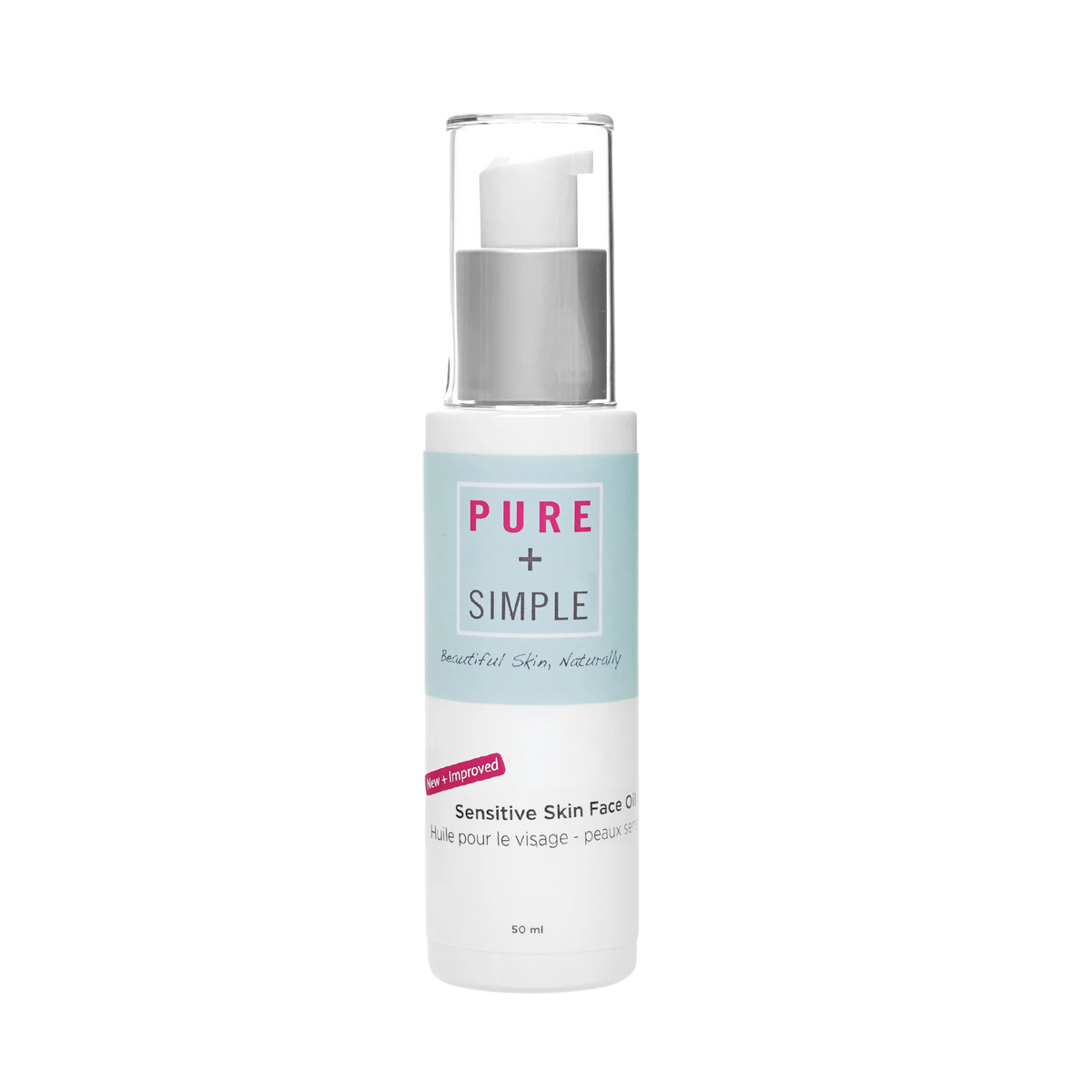
For Sensitive Skin
Sensitive skin needs gentle oils that soothe and protect without irritation. Choose pure, natural oils with anti-inflammatory properties.
- Chamomile oil: Calms redness and soothes irritation.
- Rosehip oil: Gentle, helps repair skin and reduce scars.
- Calendula oil: Reduces inflammation and supports healing.
How To Apply Skin Oil
Knowing how to apply skin oil properly can make a huge difference in how your skin looks and feels. The right timing and technique help the oil absorb better, giving you that glowing, hydrated skin you want. Let’s break down when and how to apply your skin oil for the best results.
Best Time To Apply
Applying skin oil right after cleansing your face locks in moisture effectively. Your skin is still damp, so the oil seals in hydration, preventing dryness throughout the day or night.
Many people find that applying oil before moisturizer enhances its benefits, especially if your skin is very dry. However, if your skin feels oily, use the oil as the last step to avoid a greasy look.
Think about your daily routine. Would morning or evening application suit your skin better? Some oils work well under makeup, while others are perfect for overnight nourishment.
Application Techniques
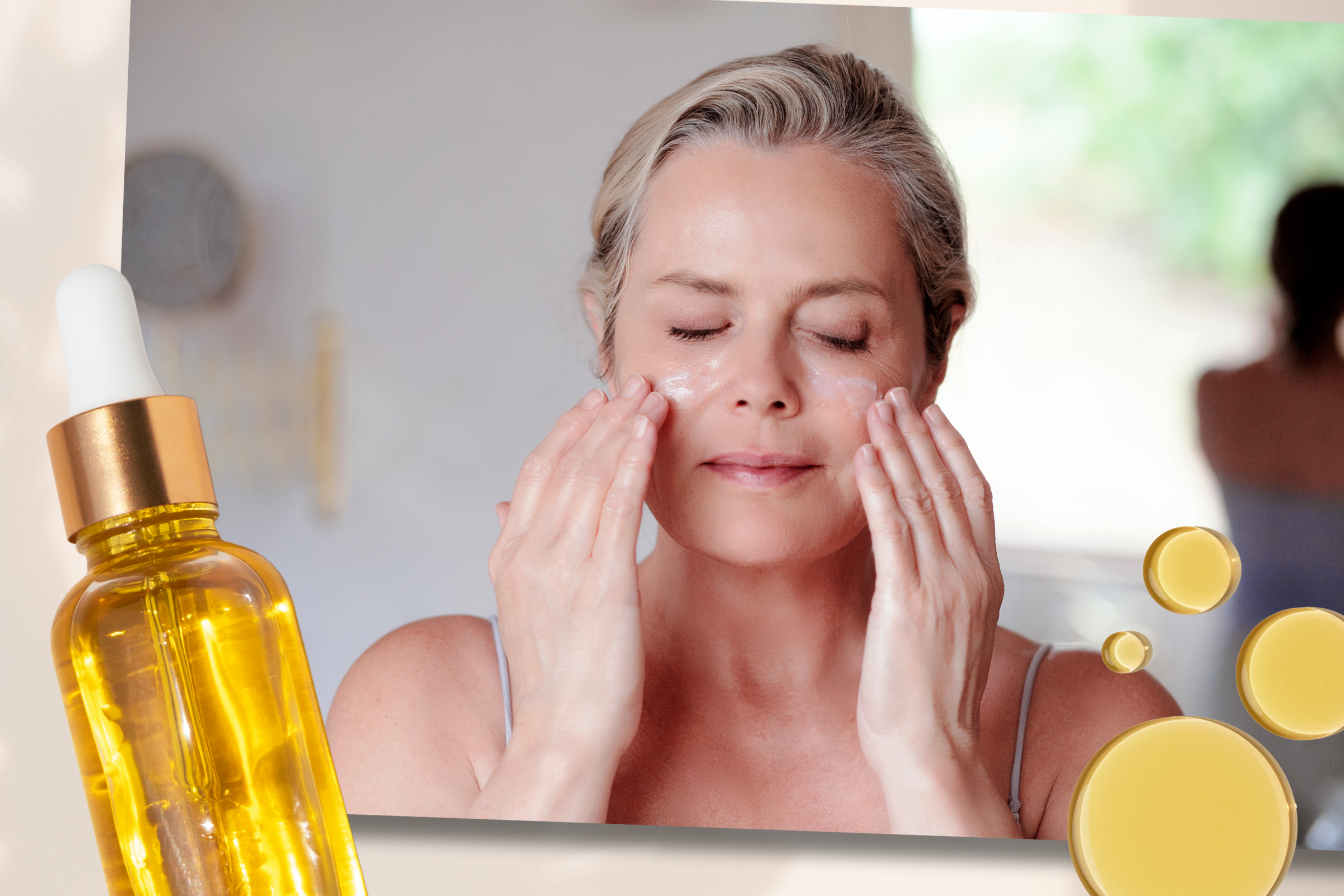
Start with a few drops of oil—usually 2 to 4 is enough. Too much oil can clog pores and feel heavy.
Warm the oil between your palms to activate it and help it spread evenly. Then, gently press the oil onto your face using your fingertips. Avoid rubbing harshly; instead, use a light patting motion to promote absorption.
Don’t forget your neck and décolletage—these areas benefit from the same care. Using upward strokes helps improve circulation and prevents sagging.
Have you tried mixing a drop of oil with your foundation? It can give you a dewy finish without extra effort.
Credit: lizearlewellbeing.com
Incorporating Oils Into Your Routine
Adding skin oils to your daily routine can transform your skin’s texture and hydration levels. But the way you use oils matters just as much as choosing the right one. Let’s look at how you can effectively add oils to your regimen without overwhelming your skin or other products.
Layering With Other Products
Think about the order of your skincare products like a recipe. Oils usually work best after lighter products like serums and toners. This helps lock in moisture and nutrients without blocking absorption.
If your skin tends to get oily, try applying a thin layer of oil only on dry areas. Using too much can cause breakouts or a greasy feeling. Have you noticed how some oils blend better with certain moisturizers? Experiment by mixing a few drops of oil into your cream for a customized boost.
Diy Skin Oil Blends
Making your own oil blend lets you tailor your skincare to your skin’s unique needs. Start with a carrier oil like jojoba or sweet almond, which are gentle and absorb quickly. Then add essential oils such as lavender for calming effects or tea tree for acne-prone skin.
- Use 1 tablespoon of carrier oil
- Add 3-5 drops of essential oil
- Mix well and store in a dark glass bottle
Always patch test your blend before applying it widely. This simple ritual can turn your skincare into a personalized ritual, giving you control over every drop. What scents or benefits do you want to focus on in your own blend?
Potential Risks And Precautions
Using skin oil can bring a radiant glow, but it’s important to recognize the potential risks and take precautions. Not every oil suits every skin type, and careless application might cause more harm than good. Understanding how to avoid common pitfalls keeps your skin healthy and thriving.
Allergic Reactions
Some skin oils contain natural extracts or synthetic ingredients that may trigger allergies. If you notice redness, itching, or swelling after applying an oil, stop using it immediately. Testing a small patch on your wrist before applying it to your face can save you from uncomfortable reactions.
Keep in mind that even oils marketed as “natural” can cause allergies. Your skin’s sensitivity is unique, so what works for a friend might not work for you. Always check the ingredient list and consider consulting a dermatologist if you have a history of skin allergies.
Avoiding Pore Clogging
Not all skin oils are non-comedogenic, meaning some can clog pores and cause breakouts. If you have oily or acne-prone skin, choose oils labeled as lightweight or non-comedogenic. Jojoba and grapeseed oils are good examples that moisturize without blocking pores.
Applying too much oil or layering it over heavy creams can suffocate your skin. Start with a small amount and observe how your skin reacts over a few days. Ask yourself: Is your skin feeling greasy or balanced? Adjust your routine based on these cues to avoid unwanted blemishes.
Credit: pureandsimple.ca
Tips For Glowing Skin
Glowing skin looks healthy and fresh. It reflects good care and balance inside the body. Simple daily habits can improve your skin’s shine and texture. Focus on what you eat and how you live. Small changes bring big results for your skin.
Diet And Hydration
Foods rich in vitamins and antioxidants help skin glow. Eat plenty of fruits and vegetables every day. These provide essential nutrients like vitamin C and E. Healthy fats from nuts and fish support skin moisture.
Drink enough water to keep skin hydrated. Water flushes out toxins and prevents dryness. Aim for at least 8 glasses daily. Herbal teas and fresh juices also boost hydration.
Lifestyle Habits
Good skin needs rest and less stress. Sleep at least 7 hours each night. It helps skin repair and stay fresh. Avoid smoking and limit alcohol. Both can dry and damage skin.
Exercise regularly to improve blood flow. This brings oxygen and nutrients to skin cells. Cleanse your face daily to remove dirt and oil. Use gentle products that suit your skin type.
Frequently Asked Questions
What Causes Skin To Become Oily?
Oily skin is caused by overactive sebaceous glands producing excess sebum. Hormones, genetics, and stress can increase oil production. Environmental factors and diet may also contribute. Proper skincare helps control oil and prevent shine.
How To Manage Oily Skin Effectively?
Use gentle cleansers and oil-free moisturizers daily. Avoid harsh scrubs that trigger more oil. Blotting papers absorb excess oil throughout the day. Regular exfoliation prevents clogged pores and reduces shine.
Can Oily Skin Benefit From Moisturizing?
Yes, oily skin still needs hydration. Use lightweight, non-comedogenic moisturizers to maintain skin balance. Moisturizing prevents excessive oil production caused by dryness. Proper hydration keeps skin healthy and less prone to breakouts.
Does Diet Affect Oily Skin?
Certain foods may worsen oily skin, like greasy or sugary items. Drinking water and eating balanced meals support healthy skin. Incorporate fruits, vegetables, and omega-3 fatty acids for better skin control.
Conclusion
Skin oil plays a key role in keeping skin healthy and soft. Choosing the right oil suits different skin types and needs. Regular use helps balance moisture and protects skin from dryness. Remember, small changes in skincare routines bring lasting benefits.
Healthy skin feels good and looks fresh every day. Take time to care for your skin with gentle products. Your skin will thank you with a natural glow and smooth texture. Simple steps make a big difference in skin health.
