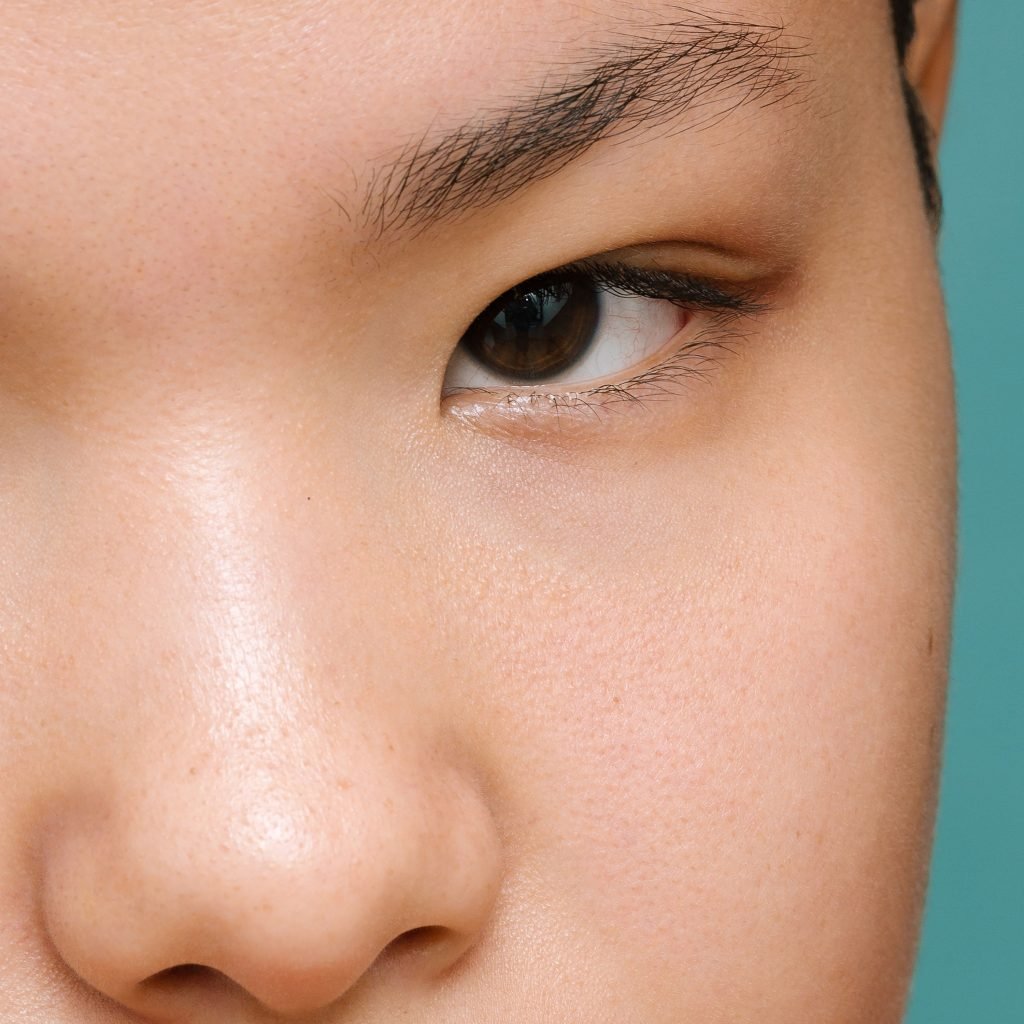
Have you ever wondered why the skin color of Japanese people looks the way it does? It’s more than just genetics—your skin tells a fascinating story of history, environment, and culture.
Understanding these factors can help you appreciate the unique beauty and health of Japanese skin. Keep reading, and you’ll discover surprising facts that might change how you see your own skin and the science behind it.
Credit: www.lemon8-app.com
Historical Roots Of Japanese Skin Tone
The skin color of Japanese people has deep historical roots shaped by nature and culture. Understanding these roots reveals the story of migration, environment, and social values. It shows how skin tone evolved over thousands of years.
Ancient Influences And Migration
The earliest settlers in Japan arrived from different regions of Asia. These groups brought diverse genetic traits that influenced skin color. Over time, mixing with local populations created unique variations.
Climate played a big role too. Cooler, northern areas led to lighter skin tones. Southern regions, warmer and sunnier, favored slightly darker skin. This natural adaptation helped protect against sun damage and maintain vitamin balance.
Cultural Significance Over Time
Skin color held symbolic meaning in Japanese culture. Light skin became a sign of beauty and status. It showed someone did indoor work and avoided sun exposure.
Historical texts and art often praised pale skin. This ideal shaped beauty standards for centuries. It influenced fashion, cosmetics, and social behavior.
Even today, these cultural ideas affect how people view skin tone in Japan. The past still guides present-day attitudes and trends.
Genetic Factors Behind Skin Color
Skin color varies among populations due to genetics. Japanese skin color shows unique traits shaped by many genes. These genes control melanin, the pigment that colors skin. Understanding these genes helps explain the diversity in Japanese skin tones.
Key Genes Affecting Pigmentation
Several genes influence skin pigmentation in Japanese people. The MC1Rgene affects melanin type and amount. Variants of OCA2and SLC24A5also play roles in lighter skin tones. The TYRgene helps produce melanin. Together, these genes create the common skin colors found in Japan.
Comparison With Neighboring Populations
Japanese pigmentation genes show similarities with nearby East Asian groups. Korean and Chinese populations share many genetic traits linked to skin color. Differences exist too, due to historical migration and mixing. These small genetic shifts explain variations in skin tone across the region.
Environmental Impact On Skin Appearance
The skin color of Japanese people is influenced by many environmental factors. These factors affect how the skin looks and feels over time. The natural surroundings, weather, and lifestyle play key roles in shaping skin appearance. Understanding these helps explain the unique qualities of Japanese skin.
Climate And Uv Exposure
Japan has varied climates, from cold winters to hot summers. This range affects skin in different ways. In summer, strong sunlight means more ultraviolet (UV) exposure. UV rays can cause skin darkening and sunspots. Many Japanese people use sun protection to keep skin fair and healthy.
In winter, cold air and low humidity can dry the skin. This leads to roughness and dullness. People often use moisturizers to keep skin soft during colder months. The balance of sun and cold shapes the natural glow of Japanese skin.
Diet And Skincare Traditions
Traditional Japanese diet supports healthy skin. It includes fish, rice, green tea, and vegetables. These foods provide vitamins and antioxidants that protect skin cells. Drinking green tea is common for its skin benefits.
Skincare in Japan focuses on gentle cleansing and hydration. Many use products with natural ingredients like rice bran and seaweed. These help maintain clear, smooth skin. Regular skincare routines and healthy eating work together to improve skin tone and texture.
Skin Tone Diversity Across Japan
Japan’s skin tone diversity reflects its rich history and geography. People across Japan show a range of skin tones influenced by various factors. These include climate, lifestyle, and cultural backgrounds. Understanding this diversity helps appreciate the unique beauty found throughout the country.
Regional Variations
Skin tones vary widely across Japan’s regions. Northern areas like Hokkaido often have lighter skin tones. The colder climate and less sun exposure play roles here. Southern regions such as Okinawa tend to have darker skin tones. The warmer climate and more sunlight affect skin pigmentation.
Urban areas may also show mixed skin tones due to migration. Rural regions often maintain more consistent skin tone patterns. Differences in diet and outdoor activity also influence skin color.
Influence Of Ethnic Minorities
Japan is home to several ethnic minority groups. Each group brings its own skin tone characteristics. The Ainu people in Hokkaido, for example, often have lighter skin and distinct facial features.
The Ryukyuan people in Okinawa display varied skin tones, often darker than mainland Japanese. Their unique heritage and island environment impact their skin color.
Other minority groups, including Korean and Chinese communities, add to the skin tone diversity. These influences enrich Japan’s cultural and physical landscape.
Beauty Standards And Skin Color
Beauty standards in Japan have long shaped how skin color is viewed and valued. Skin tone plays a big role in ideas of attractiveness and social status. These ideas have roots in history but also change with modern influences. Understanding these standards helps explain the cultural importance of skin color in Japan.
Historical Preferences
Historically, pale skin was highly prized in Japan. It symbolized purity, wealth, and nobility. People with lighter skin were seen as refined and belonging to the upper class. This preference dates back to the Heian period, when aristocrats avoided sun exposure to keep their skin white.
Farmers and workers, who spent more time outdoors, had darker skin. This contrast reinforced social divisions. Cosmetics were developed to lighten the face and create a smooth, pale appearance. White face powder became a common beauty tool among women of status.
Modern Trends And Media Influence
Today, pale skin remains popular but beauty ideals have evolved. Media and pop culture promote clear, bright skin as attractive. The influence of celebrities and idols shapes preferences among young people. Skincare products often focus on whitening and brightening effects.
At the same time, some trends celebrate natural and healthy skin tones. Tanned or sun-kissed looks have gained some acceptance, especially in fashion and sports. The beauty industry balances traditional ideals with new styles influenced by global culture.
.jpeg)
Credit: www.vogue.com
Skincare Practices Unique To Japan
Japan’s skincare culture blends age-old traditions with modern science. The focus is on gentle care, hydration, and protection from the sun. Many practices aim to enhance natural beauty and maintain clear, radiant skin.
Traditional Remedies
Traditional Japanese skincare uses natural ingredients from the land and sea. Rice bran, green tea, and seaweed are common elements. These ingredients nourish the skin deeply and soothe irritation.
Rice bran oil is rich in antioxidants and vitamins. It helps brighten the skin and reduce dryness. Green tea contains catechins that protect against sun damage and reduce inflammation.
Seaweed extracts provide minerals and moisture. They improve skin elasticity and promote a healthy glow. These remedies often come in the form of masks, oils, and creams passed down through generations.
Contemporary Skincare Innovations
Modern Japanese skincare combines tradition with advanced technology. Brands focus on lightweight formulas that absorb quickly. Hydrating essences and serums are staples in daily routines.
Products often include ingredients like hyaluronic acid and collagen. These boost moisture and support skin firmness. Japanese skincare also emphasizes layering products gently for better effect.
Sun protection is crucial in contemporary care. Many use sunscreen daily to prevent pigmentation and aging. The commitment to prevention and hydration keeps skin youthful and bright.
Global Perception Of Japanese Skin
The global perception of Japanese skin blends admiration with curiosity. Many appreciate its smooth, clear texture and natural glow. This perception shapes how Japanese beauty ideals influence worldwide trends. It also affects how people view skin care and makeup styles from Japan.
Japanese skin often symbolizes purity and health in many cultures. This image appears in various media and fashion outlets across the globe. The portrayal impacts how Japanese beauty standards are adopted internationally. It also sparks interest in products designed to achieve similar skin qualities.
Representation In Fashion And Media
Japanese skin tones are frequently showcased in global fashion shows. Models with porcelain or light olive skin set trends for a fresh, youthful look. Magazines and movies emphasize flawless, radiant skin as a beauty ideal. This representation highlights simplicity and natural beauty over heavy makeup.
Fashion brands often use Japanese models to convey elegance and softness. Advertisements focus on clear skin as a sign of vitality and wellness. This exposure raises awareness of Japanese skin care routines and products. It promotes a different kind of beauty standard that values health and clarity.
Impact On International Beauty Markets
Japanese skin care products have gained strong popularity worldwide. Many consumers seek items that promise hydration, smoothness, and brightening effects. The demand leads to more brands introducing formulas inspired by Japanese traditions. Ingredients like rice bran, green tea, and sake become global favorites.
Beauty markets adapt to this interest by offering lighter textures and gentle treatments. Japanese aesthetics influence packaging, marketing, and product design. This impact encourages a shift toward natural and minimalist skin care trends. It also opens doors to cultural exchange through beauty practices.
Credit: www.lemon8-app.com
Frequently Asked Questions
What Is The Typical Skin Color Of Japanese People?
Japanese people generally have light to medium skin tones. Their skin often has a natural yellow or olive undertone. This skin color results from genetics and environmental factors over centuries.
Why Do Japanese Have Lighter Skin Compared To Other Asians?
Japanese lighter skin is influenced by genetic heritage and low sun exposure. Their diet rich in antioxidants also supports skin brightness. Cultural preferences for fair skin encourage sun protection practices.
How Does Climate Affect The Skin Color Of Japanese?
Japan’s temperate climate limits intense sun exposure, preserving lighter skin tones. Seasonal changes cause slight variations in skin brightness. People often use skincare to maintain even skin tone.
Are There Variations In Skin Color Among Japanese Regions?
Yes, northern Japanese tend to have lighter skin, while southern regions show slightly darker tones. This variation is due to climate differences and ancestral genetic diversity.
Conclusion
Understanding Japanese skin color requires appreciation of its diversity. Many factors influence this, including genetics and environment. Skin tones in Japan range from fair to light brown. This variety adds beauty and depth to Japanese culture. Embracing these differences enriches social connections and understanding.
Knowledge of these variations promotes acceptance and respect. Skin color is just one aspect of identity. Recognizing this helps in appreciating the rich tapestry of human diversity. We should celebrate these differences and learn from each other. This fosters a more inclusive and harmonious world.
