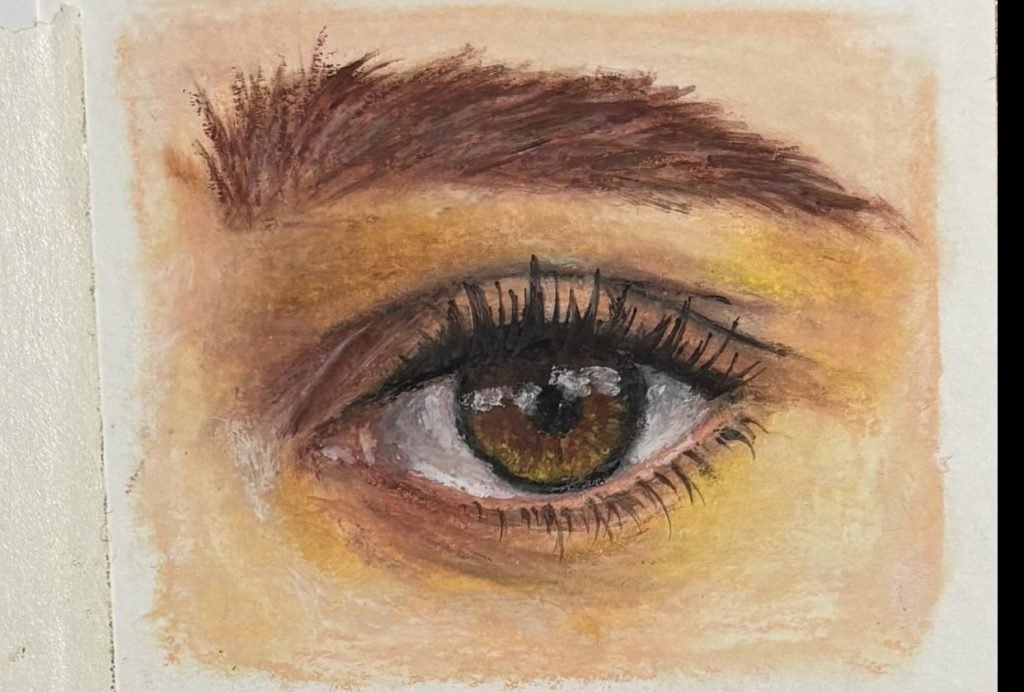
Have you ever struggled to get the perfect skin color with oil pastels? You’re not alone.
Capturing the subtle tones and shades of skin can be tricky, but once you learn the right techniques, your artwork will come to life like never before. You’ll discover simple tips and easy tricks to mix and blend oil pastels for realistic skin tones.
By the end, you’ll feel confident creating smooth, natural-looking skin that adds depth and warmth to your drawings. Ready to transform your oil pastel skills? Let’s dive in!
Credit: www.youtube.com
Choosing Oil Pastels For Skin Tones
Choosing the right oil pastels for skin tones is essential to capture the warmth and depth of human complexion. Your selection impacts how natural and vibrant your artwork looks. Understanding the types of oil pastels, the color choices, and necessary tools will boost your confidence and improve your results.
Types Of Oil Pastels
Oil pastels come in various brands and qualities, each offering different textures and pigmentation. Student-grade pastels are softer and less pigmented, making blending easier but colors less intense. Professional-grade options provide richer pigments and smoother application, perfect for detailed skin textures.
Some pastels are oil-based, while others include wax, affecting how they layer and blend. Try a few types to see which feels best on your paper and suits your style. Have you noticed how some pastels mix better on your fingers or blending tools?
Selecting The Right Colors
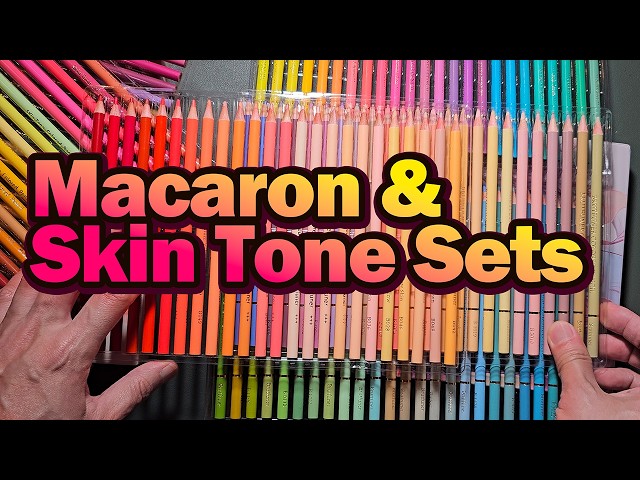
Skin tones range widely, so your palette should include a variety of shades, not just standard peach or brown. Look for colors like ochre, sienna, burnt umber, white, and even hints of blue or green to add realistic shadows and highlights.
Mixing colors directly on paper can create natural gradients, but starting with the right base tones saves time. Don’t forget to include warmer reds or cool purples for undertones that bring life to your portrait. Are you experimenting enough with unexpected shades in your skin tone palette?
Tools And Materials Needed
Beyond oil pastels, you’ll need quality paper designed for pastel work; textured surfaces hold the pigment better. Blending tools like tortillons, cotton swabs, or even soft brushes help smooth transitions between colors.
Keep a palette knife or scraper handy to create texture or remove excess pastel. Having a fixative spray ensures your work stays vibrant and intact. What tools have you found indispensable in achieving smooth skin tones?
Mixing Base Skin Colors
Mixing base skin colors in oil pastel is a crucial step to achieve realistic and vibrant portraits. The right base sets the tone and depth for your entire artwork. Understanding how to mix warm and cool tones will give your skin colors a natural and dynamic look that resonates with your subject’s personality.
Creating Warm Tones
Warm skin tones often include shades of red, orange, and yellow. Start with a soft peach or light orange pastel and gradually add hints of red or burnt sienna to bring warmth. A touch of white can help lighten the mix without losing richness.
Think about sun-kissed skin or a glowing complexion—these usually lean towards warmer hues. Try layering these colors lightly and build up the warmth slowly to avoid overpowering the base. Have you noticed how a small amount of yellow can brighten a dull skin tone instantly?
Crafting Cool Tones
Cool skin tones typically have hints of blue, purple, or green beneath the surface. Begin with a pale pink or lavender base and add light touches of blue or gray to cool it down. This approach works well for depicting shadows or cooler lighting conditions on the skin.
Adding a tiny bit of green can neutralize redness without making the skin look unnatural. Mixing cool tones can feel tricky, but experimenting with subtle changes will help you find the perfect balance. What cool undertones can you spot in different skin types around you?
Blending Techniques For Smooth Bases
Smooth blending is key to avoiding harsh lines between your base colors. Use your fingers or a blending stump to gently soften edges where colors meet. Work in small circular motions to merge the pastels seamlessly.
Layering is your friend here—apply a light base first and blend before adding more color on top. This prevents the pastel from becoming too thick or chalky. Have you tried lightly scraping the surface with a toothpick to blend stubborn spots? It’s a simple trick that can make a big difference.
Adding Depth And Dimension
Adding depth and dimension to skin tones with oil pastels transforms flat colors into lifelike portraits. It challenges you to see beyond a single shade and work with multiple layers, shadows, and subtle color shifts. This approach not only enriches your artwork but also builds your skill in observing and replicating the complexity of human skin.
Shadows And Highlights
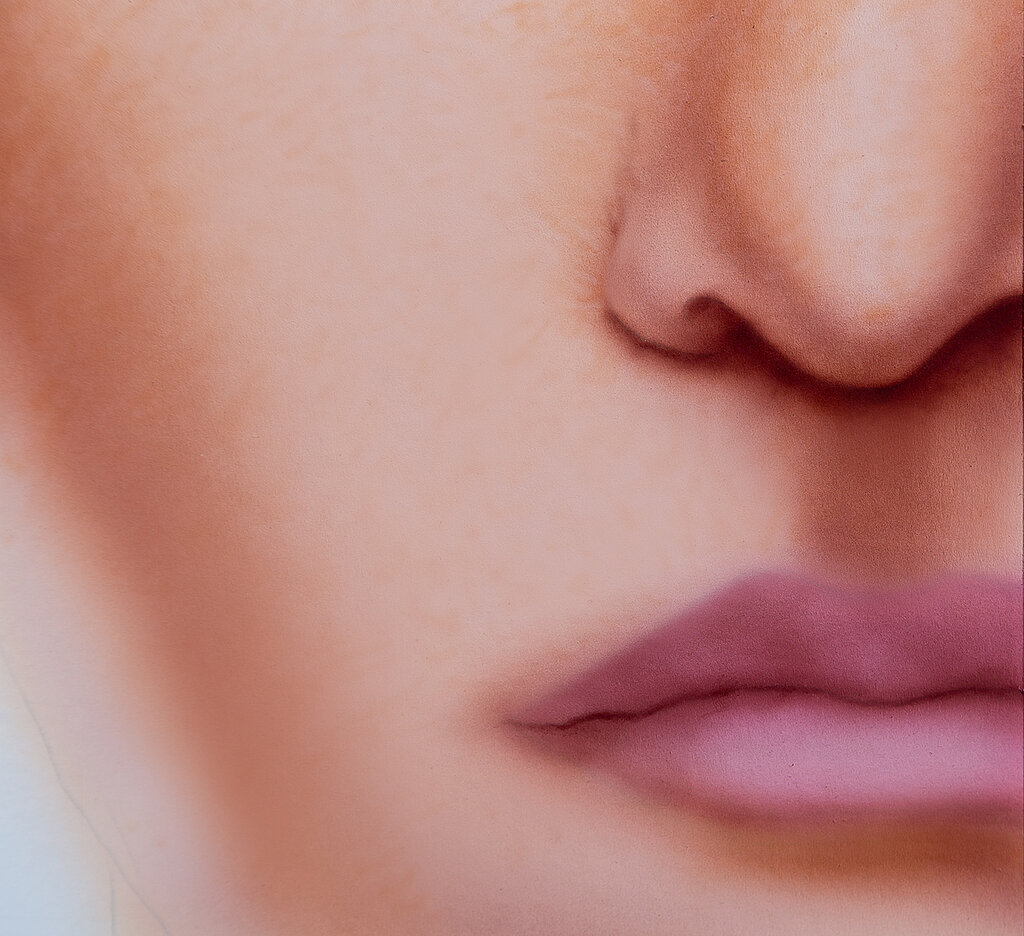
Shadows and highlights are your best tools to make skin look three-dimensional. Instead of using black or pure white, choose darker and lighter tones of the skin color you’re working with. This keeps the look natural and avoids a harsh contrast that breaks the illusion of softness.
Notice how light hits your own face or someone else’s. Are the shadows cool or warm? Are the highlights bright or muted? Paying attention to these details helps you decide where to press harder or blend gently with your pastels.
Layering Colors For Realism
Layering is not just about piling on colors; it’s about building complexity step by step. Start with a base tone that matches the mid-range of the skin color. Then, add layers of slightly different shades—reds, yellows, and even blues—to mimic the subtle variations in skin.
Try applying a light pressure for the first layers and gradually increase it to bring out richness. You’ll find that layering encourages you to slow down and observe, which is key to capturing realistic skin tones.
Using Complementary Colors
Complementary colors can give your skin tones unexpected vibrancy and depth. For instance, adding tiny touches of green or blue in shadow areas can cool down overly warm skin tones and create a balanced look. Conversely, hints of orange or red in highlights can warm up cooler skin.
Have you ever noticed how a small spot of an opposite color can make a color pop? Experiment with this by lightly blending complementary colors in different areas of the skin. It might just be the secret ingredient that makes your portrait stand out.
Credit: www.schmincke.de
Capturing Different Skin Types
Capturing different skin types with oil pastel requires attention to unique textures and tones. Each skin type reflects light and holds color differently. Artists must adapt techniques to show these variations clearly and naturally. Oil pastels allow layering and blending, perfect for depicting skin’s subtle nuances.
Porous And Textured Skin
Porous and textured skin shows tiny bumps and irregularities. Use soft dabs and light strokes to mimic these effects. Avoid heavy blending to keep the texture visible. Layer colors with gentle pressure to create depth. Adding small dots or lines can simulate pores and fine details. This approach brings realism to rough or dry skin.
Glossy And Oily Skin Effects
Glossy and oily skin reflects light strongly. Use bright highlights and smooth blending to capture this shine. Layer white or pale colors on top of darker tones for a wet look. Keep strokes fluid and avoid harsh lines. This technique helps show smooth, reflective surfaces common in oily skin.
Aging Skin Details
Aging skin has wrinkles, fine lines, and uneven tones. Use thin, curved lines to draw wrinkles with a sharp pastel edge. Mix warm and cool tones to show age spots and color changes. Apply light pressure for subtle shading around folds. These details add character and realism to older skin types.
Common Challenges And Fixes
Working with skin color in oil pastels can be tricky. You might face issues like colors turning dull, blending too much, or losing the lively look you want. Recognizing these common challenges helps you fix them quickly and keep your art fresh and realistic.
Avoiding Muddy Colors
Muddy colors happen when too many different shades mix, creating a dull, grayish look. To avoid this, limit the number of colors you blend at once. Focus on layering just a few shades—like a soft peach, a light brown, and a warm pink—to keep the skin tone clear and natural.
Try applying light pressure and use small circular motions to blend instead of heavy rubbing. This keeps colors separate but smooth. Have you noticed how fewer colors can often give your artwork more depth?
Correcting Overblending
Overblending can erase the texture and vibrancy of your oil pastels. If your skin tones look flat or lifeless, step back and add fresh layers of color on top. Use short, confident strokes to bring back dimension and details like cheek highlights or shadows.
If you find the pastel surface too soft, gently scratch it with a toothpick or a sharp edge to reveal underlying layers. This simple trick restored detail in one of my portraits after too much blending. Could a little texture be the missing piece in your work?
Maintaining Vibrancy
Oil pastels can lose their bright look if the colors are smudged or mixed too much. Keep vibrancy by layering colors instead of mixing them fully. For instance, apply a bright coral over a base peach to make the skin glow.
Use a fixative spray lightly to protect your layers without dulling them. Also, avoid using your fingers for blending; soft brushes or blending stumps work better and keep colors vivid. What techniques do you use to keep your colors alive?
Finishing Touches And Preservation
Adding the final details to your oil pastel skin color artwork is crucial. These finishing touches protect your work and keep the colors vibrant. Proper preservation ensures the art lasts for years without damage or fading.
Fixatives And Sealants
Fixatives help hold oil pastel particles in place. Use a spray fixative made for oil pastels. Spray lightly from a distance to avoid smudging. Test the fixative on a small area first. Sealants add a protective layer over the artwork. Choose non-yellowing, clear sealants for best results. Apply sealants in thin, even coats. Let each coat dry fully before applying the next. Avoid heavy sprays, which can alter colors or texture.
Framing And Display Tips
Frame your oil pastel art under glass for protection. Use acid-free mats to prevent discoloration. Keep the artwork away from direct sunlight. Sunlight can fade pastel colors quickly. Display the art in a cool, dry place. Avoid areas with high humidity or heat. Use UV-protective glass for extra defense. Frame securely to avoid shifting or damage during hanging.
Long-term Care
Store oil pastel artwork in a flat position. Avoid stacking heavy items on top. Regularly dust the frame and glass with a soft cloth. Check the artwork for signs of fading or damage. Handle the art with clean, dry hands. Keep the art away from moisture and extreme temperatures. Rotate displayed artworks occasionally to reduce light exposure. Proper care keeps your oil pastel skin tones bright and fresh.

Credit: www.freepik.com
Frequently Asked Questions
What Are The Best Oil Pastel Colors For Skin Tones?
The best oil pastel colors for skin tones include peach, beige, brown, and white. Mixing these shades creates natural-looking skin. Adding a touch of red or yellow enhances warmth and realism in portraits.
How To Blend Oil Pastels For Smooth Skin Texture?
To blend oil pastels smoothly, use gentle circular motions with fingers or blending tools. Layer light colors first, then add darker shades. This technique creates soft transitions and realistic skin textures.
Can Oil Pastels Capture Different Skin Color Variations?
Yes, oil pastels can capture various skin tones by mixing multiple colors. Artists combine warm and cool hues to represent light, medium, and dark skin tones accurately and vividly.
How To Avoid Muddy Colors When Mixing Skin Tones?
Avoid muddy colors by mixing small amounts of oil pastels gradually. Use complementary shades carefully and layer colors lightly. This maintains vibrancy and prevents dull or grayish skin tones.
Conclusion
Exploring skin color in oil pastels opens creative doors. Each shade tells its own story. Artists can blend hues to match diverse skin tones. This reflects the world around us. Practice makes blending easier. Experiment with different colors and techniques.
Oil pastels offer endless opportunities for expression. Unique artwork emerges with patience and practice. Enjoy the process. Embrace the art of capturing skin color. Your palette will grow with confidence and skill. Keep experimenting and learning. The journey of color exploration never ends.
Creativity thrives with each stroke.
