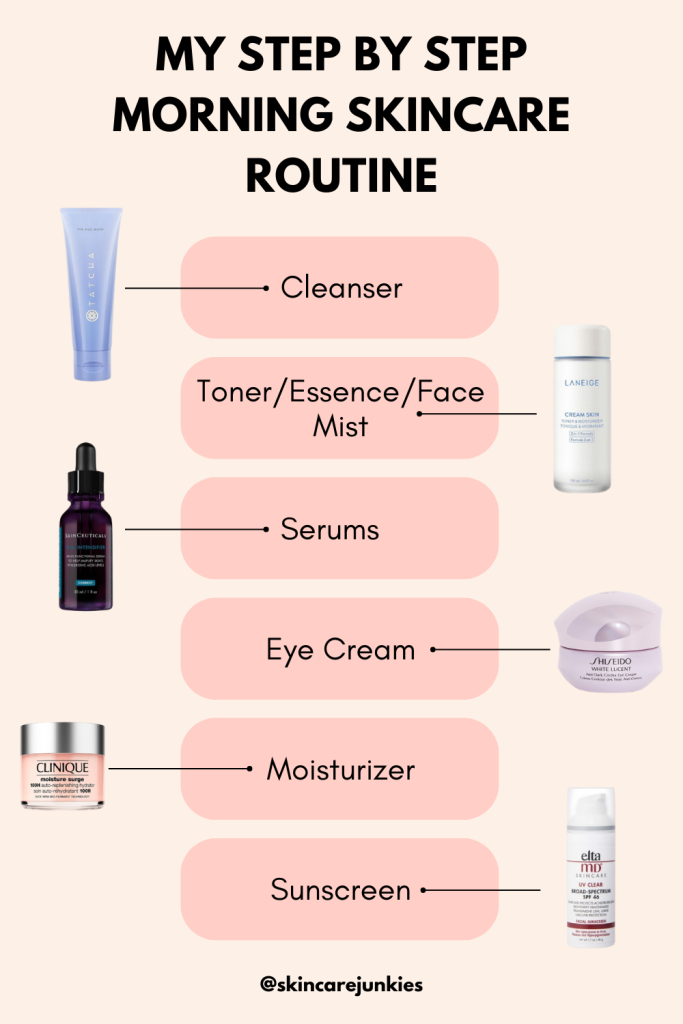
Are you tired of feeling overwhelmed by complicated skincare routines that promise flawless skin but leave you more confused than ever? Imagine waking up each day with a clear, glowing complexion without spending hours in front of the mirror or emptying your wallet on countless products.
Sounds like a dream, right? The secret lies in simplicity. With a simple skincare routine, you can achieve healthy, radiant skin without the fuss. Your skin deserves the best care, but it doesn’t have to be complicated. Dive into the world of effortless skincare and discover how a straightforward approach can transform your skin—and boost your confidence.
Curious to learn the steps that will redefine your beauty routine? Keep reading, and unlock the secret to a glowing, stress-free you.
Daily Cleansing Tips
Daily cleansing is the first step to healthy skin. It removes dirt, oil, and impurities. A good cleansing habit helps skin breathe and stay fresh. Simple daily care can prevent many skin problems.
Choosing The Right Cleanser
Select a cleanser based on your skin type. For dry skin, use a cream or lotion cleanser. Oily skin needs a gel or foam cleanser to remove excess oil. Sensitive skin benefits from a gentle, fragrance-free cleanser. Check ingredients to avoid harsh chemicals that irritate skin.
- Dry skin: Cream or lotion cleansers
- Oily skin: Gel or foam cleansers
- Sensitive skin: Gentle, fragrance-free cleansers
Morning Vs Evening Cleansing
Morning cleansing wakes up your skin and removes sweat. Use a light cleanser to freshen your face. Evening cleansing is crucial to remove makeup, dirt, and pollution. Use a deeper cleanser or double cleanse for thorough cleaning. Keep both cleansings gentle to protect your skin barrier.

Credit: www.youtube.com
Moisturizing Made Easy
Moisturizing keeps your skin soft and healthy. It prevents dryness and protects your skin’s barrier. A simple moisturizing routine fits easily into any lifestyle. Choose the right products and apply them the right way. This section helps you make moisturizing easy and effective.
Picking The Best Moisturizer
Choose a moisturizer based on your skin type:
- Dry skin:Look for thick creams with ingredients like shea butter or glycerin.
- Oily skin:Use lightweight, oil-free lotions or gels.
- Combination skin:Pick a balanced moisturizer that hydrates without feeling heavy.
- Sensitive skin:Select fragrance-free and hypoallergenic options.
Check for added benefits like SPF or antioxidants for extra protection. Avoid harsh chemicals that may irritate your skin. Patch test new products before full use.
How Often To Moisturize
Moisturize at least twice a day—morning and night. Apply after cleansing to lock in moisture. Use more if your skin feels dry during the day. After washing hands or face, reapply to maintain hydration. Adjust frequency based on weather and skin needs. Consistency keeps skin smooth and comfortable.
Sun Protection Essentials
Protecting your skin from the sun is more than just a good habit—it’s essential for healthy, glowing skin. Sun damage can cause premature aging, dark spots, and even increase the risk of skin cancer. Understanding the essentials of sun protection helps you keep your skin safe every day, whether you’re indoors or outdoors.
Types Of Sunscreens
Sunscreens come in two main types: physical (mineral) and chemical. Physical sunscreens use ingredients like zinc oxide or titanium dioxide to reflect UV rays. They start working immediately and are great for sensitive skin.
Chemical sunscreens absorb UV rays and convert them into heat. Ingredients such as avobenzone and oxybenzone are common here. These need about 15-20 minutes to become effective after application.
- Physical Sunscreens:Often thicker, good for sensitive skin, less likely to cause irritation.
- Chemical Sunscreens:Usually lighter and easier to apply, but you must wait before sun exposure.
Applying Sunscreen Correctly
Many skip proper application, reducing sunscreen’s effectiveness. You should apply sunscreen generously—about a shot glass worth for your face and neck alone.
Don’t forget spots like your ears, hairline, and the back of your neck. Reapply every two hours, especially if you are sweating or swimming. Think of sunscreen as a layer of armor—you want it to cover all vulnerable areas fully.
Have you noticed some sunscreens leave a white cast? That’s common with physical sunscreens. To avoid this, try tinted formulas or mix a small amount with your moisturizer.

Credit: www.playingwithapparel.com
Simple Exfoliation Steps
Exfoliation is a key part of a simple skincare routine that can brighten your complexion and smooth your skin texture. It helps remove dead skin cells that clog pores and dull your face. But knowing how to exfoliate correctly makes all the difference between glowing skin and irritation.
Physical Vs Chemical Exfoliants
You have two main choices for exfoliation: physical and chemical exfoliants. Physical exfoliants use small particles or tools to manually scrub away dead skin. Think of gentle scrubs with sugar or soft brushes.
Chemical exfoliants, on the other hand, use acids like AHAs (glycolic or lactic acid) or BHAs (salicylic acid) to dissolve dead skin cells without scrubbing. They often feel gentler and work deeper than physical scrubs.
Which one suits you depends on your skin type and sensitivity. For example, if you have acne-prone or sensitive skin, chemical exfoliants might be less irritating. Have you tried both types? Noticing which leaves your skin smoother without redness is a good guide.
Frequency Of Exfoliation
How often you exfoliate matters as much as what you use. Too often can lead to dryness, redness, or even breakouts.
Most skin types benefit from exfoliating 2-3 times a week. If your skin is sensitive or dry, once a week might be enough. Oily skin can often handle more frequent exfoliation.
Listen to your skin’s reactions after each session. Does it feel tight or irritated? That’s a sign to cut back. Remember, exfoliation is about improving your skin’s health, not damaging it.
Nighttime Skin Care
Nighttime skin care is your chance to repair and nourish your skin deeply. While you sleep, your skin renews itself, making this the best time to use products that work effectively without interruption. Are you making the most out of your night routine?
Using Serums And Treatments
Serums and treatments are like power boosters for your skin. They contain concentrated ingredients that target specific concerns such as wrinkles, dullness, or acne.
Apply a serum right after cleansing and toning but before moisturizing. This helps the active ingredients penetrate better and deliver results faster.
Choose serums with ingredients like hyaluronic acid for hydration, retinol for anti-aging, or vitamin C for brightening. Remember, a little goes a long way—just a few drops can be enough.
Night Cream Benefits
Night creams are richer and thicker than day creams. They lock in moisture and create a protective barrier to prevent water loss while you sleep.
Using a night cream can improve skin texture and reduce dryness. It often contains ingredients like peptides and antioxidants that support skin repair overnight.
Think about how your skin feels in the morning—does it feel soft and refreshed or dry and tight? A good night cream can make that difference.
Healthy Skin Habits
Healthy skin habits go beyond the creams and lotions you apply. They begin with the lifestyle choices you make every day. Simple changes in what you eat, how well you sleep, and how you manage stress can transform your skin’s appearance and health.
Hydration And Diet
Water is your skin’s best friend. Drinking enough water keeps your skin hydrated from the inside out, which helps prevent dryness and dullness.
Think about what you eat too. Foods rich in antioxidants, like berries and leafy greens, protect your skin from damage. Healthy fats found in nuts, seeds, and fish support your skin’s natural barrier.
Have you noticed how your skin reacts after a sugary or processed meal? Cutting back on these can reduce inflammation and breakouts. Try adding a colorful variety of fruits and vegetables to your plate every day for a natural glow.
Sleep And Stress Management
Good sleep is like a reset button for your skin. When you rest well, your body repairs damaged skin cells and boosts collagen production, which keeps skin firm and smooth.
Stress, on the other hand, can cause flare-ups and increase oil production, leading to breakouts. Finding small ways to relax—like deep breathing or a short walk—can make a big difference.
Ask yourself, how often do you sacrifice sleep for work or social plans? Prioritizing even a bit more rest can improve your skin’s texture and tone noticeably.

Credit: www.youtube.com
Frequently Asked Questions
What Are The Basics Of A Simple Skincare Routine?
A simple skincare routine includes cleansing, moisturizing, and sun protection. These steps keep skin clean, hydrated, and safe from UV damage. Consistency is key for visible results and healthy skin.
How Often Should I Follow My Skincare Routine Daily?
You should follow your skincare routine twice daily, in the morning and evening. This helps remove impurities, replenish moisture, and protect your skin throughout the day and night.
Can A Simple Skincare Routine Improve Acne-prone Skin?
Yes, a simple routine with gentle cleanser and non-comedogenic moisturizer can reduce acne. Avoid harsh products and over-washing to prevent irritation and excess oil production.
What Skincare Products Are Essential For Beginners?
Beginners need a gentle cleanser, a good moisturizer, and sunscreen. These essentials maintain skin balance, hydration, and protect against sun damage, forming a solid skincare foundation.
Conclusion
A simple skincare routine helps keep your skin healthy and fresh. Cleanse, moisturize, and protect your skin daily. Consistency is key to seeing good results. Choose products that suit your skin type. Avoid using too many products at once. Give your skin time to adjust and improve.
Healthy skin starts with easy, daily care. Stick to these steps for a glowing look. Your skin will thank you with a natural shine. Simple habits make a big difference over time.
