Your skin works hard all day, facing dirt, pollution, and stress. Giving it the right care at night can make a huge difference.
Imagine waking up to softer, clearer, and healthier skin every morning. The good news? You don’t need a complicated routine or expensive products. With just a few simple steps, you can refresh your skin while you sleep. Ready to discover an easy night skin care routine that fits into your busy life?
Keep reading to learn how to treat your skin right and wake up glowing.
Credit: www.skincancercentres.com.au
Cleansing Basics
Cleansing is the foundation of every night skin care routine. It removes dirt, oil, and makeup that build up during the day. Clean skin helps other products work better and keeps your skin healthy. Understanding the basics of cleansing ensures you do it right and protect your skin.
Choosing The Right Cleanser
Select a cleanser based on your skin type. For dry skin, use gentle cream or lotion cleansers. Oily skin benefits from foaming or gel cleansers that remove excess oil. Sensitive skin needs fragrance-free and mild cleansers to avoid irritation.
Check ingredients to avoid harsh chemicals. Look for terms like “hydrating,” “non-comedogenic,” and “soap-free.” These keep your skin clean without stripping moisture. Avoid cleansers with alcohol or strong fragrances.
Proper Cleansing Techniques
Start with lukewarm water to open pores. Use a small amount of cleanser, about a dime size. Gently massage your face in circular motions for 30 seconds. Focus on areas like the forehead, nose, and chin.
Rinse thoroughly with lukewarm water to remove all cleanser. Pat your face dry with a soft towel. Avoid rubbing, which can irritate the skin. Cleanse twice a day, especially before bed, to maintain fresh skin.
Toning Benefits
Toning is a key step in a simple night skin care routine. It helps balance the skin’s pH level after cleansing. This keeps the skin healthy and ready to absorb moisturizers. Toners can remove leftover dirt and oil. They also soothe the skin and tighten pores. Using a toner can improve skin texture and calm irritation. It refreshes the face without drying it out.
Types Of Toners
- Hydrating Toners:Add moisture and soothe dry skin.
- Astringent Toners:Control oil and reduce shine for oily skin.
- Exfoliating Toners:Contain gentle acids to remove dead skin cells.
- Calming Toners:Include ingredients like aloe or chamomile to reduce redness.
How To Apply Toner
Use a cotton pad or clean hands for application. Gently pat or swipe toner on your face and neck. Avoid rubbing or pulling the skin. Let the toner dry before applying moisturizer. Use toner twice a day for best results. Choose a toner that fits your skin type and needs.
Moisturizing Tips
Moisturizing is a crucial part of your night skin care routine. It helps lock in hydration and repair your skin while you sleep. Understanding how to pick and apply the right moisturizer can make a noticeable difference in your skin’s health and appearance.
Selecting A Suitable Moisturizer
Choosing the right moisturizer depends on your skin type and concerns. If you have dry skin, look for rich creams with ingredients like hyaluronic acid or shea butter. For oily skin, lightweight, oil-free gels work best to avoid clogging pores.
Consider products with added benefits like antioxidants or soothing ingredients if your skin feels sensitive or irritated. Have you ever tried a moisturizer that felt heavy or sticky? That’s a sign it might not suit your skin’s needs.
Applying Moisturizer Effectively
Apply moisturizer on clean, slightly damp skin to help seal in moisture. Use gentle upward strokes and avoid tugging on your skin, especially around delicate areas like the eyes. Don’t forget your neck—it’s often overlooked but shows signs of aging too.
Using just the right amount is key; too little won’t hydrate properly, and too much can leave your skin greasy. Have you noticed how your skin feels after applying moisturizer? That feedback helps you adjust how much you use and how often.
Targeted Treatments
Targeted treatments help focus on specific skin concerns during your night routine. These treatments work deeper than basic cleansing and moisturizing. They support skin repair and improve texture, tone, and hydration.
Choosing the right product depends on your skin needs. Ingredients like antioxidants, vitamins, and peptides are common in targeted treatments. Using these consistently leads to better skin health and appearance.
Serums And Their Uses
Serums contain active ingredients that address skin problems directly. They are lightweight and absorb quickly into the skin. Common uses include:
- Brightening dull skin with vitamin C
- Fighting wrinkles using retinol
- Hydrating dry skin with hyaluronic acid
- Calming redness through niacinamide
Apply a few drops of serum after cleansing and before moisturizing. This allows the serum to penetrate deeply and work effectively overnight.
Eye Cream Essentials
The skin around the eyes is thin and delicate. It needs special care to stay healthy and youthful. Eye creams target issues like puffiness, dark circles, and fine lines.
Look for ingredients such as caffeine to reduce puffiness. Peptides and antioxidants help with wrinkles and skin firmness. Gently tap the cream around the eye area using your ring finger. Avoid rubbing or pulling the skin.
Weekly Extras
Adding weekly extras to your night skin care routine can elevate your results without overwhelming your schedule. These steps help remove dead skin, boost radiance, and keep your complexion fresh. They aren’t daily chores but powerful rituals that make a visible difference.
Exfoliation Methods
Exfoliation clears away dead skin cells, allowing your moisturizer to absorb better. You can choose between physical scrubs or chemical exfoliants like AHAs and BHAs. Physical scrubs gently buff your skin, but be careful not to apply too much pressure to avoid irritation.
Chemical exfoliants dissolve dead skin cells more evenly and can improve texture and tone. If you haven’t tried them, start with a low concentration and see how your skin reacts. How often do you really need to exfoliate? Twice a week is usually enough to keep your skin smooth without stripping natural oils.
Face Masks For Glow
Face masks are a great way to give your skin a boost of hydration and nutrients. Choose masks based on your skin’s current needs—hydrating masks for dryness, clay masks for oil control, or brightening masks for dullness. I found that a simple honey and yogurt mask once a week gave my skin a natural glow without any fuss.
Applying a mask is also a moment to relax and check in with your skin. Are you noticing any changes in texture or tone? This weekly pause helps you adjust your routine and keep your skin in balance.

Credit: www.reddit.com
Lifestyle Factors
Lifestyle choices play a big role in skin health. Simple habits can improve how your skin looks at night. These factors work with your skin care routine for better results. Healthy skin starts from within and how you treat your body daily.
Hydration And Diet
Drinking enough water keeps skin soft and clear. Water helps remove toxins and supports skin repair. Eating fruits and vegetables adds vitamins that skin needs. Foods rich in antioxidants protect skin from damage. Avoid too much sugar and processed foods to reduce breakouts. A balanced diet supports glowing, healthy skin over time.
Sleep And Stress Management
Good sleep helps skin cells heal and renew at night. Aim for 7 to 8 hours of restful sleep each night. Stress can cause skin problems like redness and acne. Find ways to relax, like deep breathing or light exercise. Lower stress levels help skin stay calm and balanced. Consistent sleep and stress control improve your skin’s look daily.
Credit: timicosmetics.com
Frequently Asked Questions
What Are The Essential Steps In A Night Skin Care Routine?
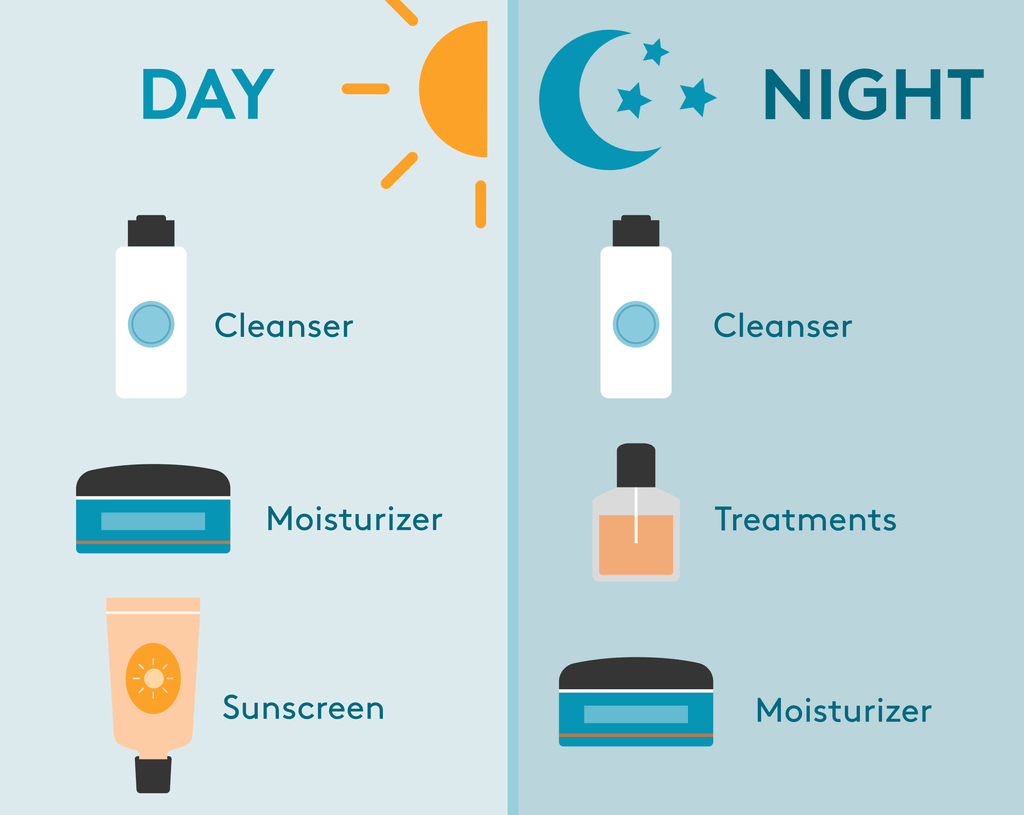
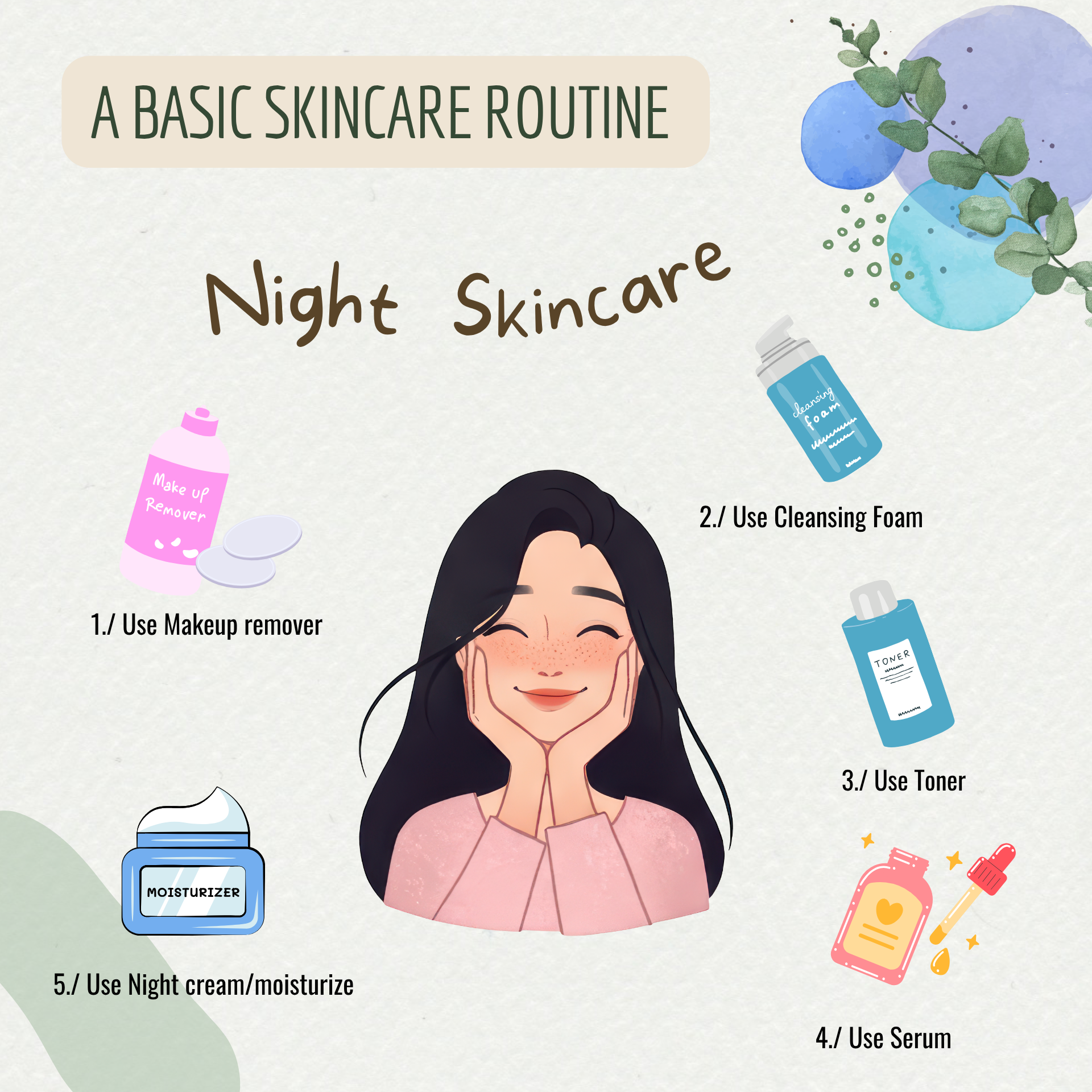
A simple night skin care routine includes cleansing, toning, moisturizing, and applying treatments. Cleansing removes dirt and makeup. Toner balances skin pH. Moisturizer hydrates and repairs. Treatments target specific concerns like acne or aging. Consistency is key for healthy skin.
How Often Should I Follow My Night Skin Care Routine?
You should follow your night skin care routine every night. This helps your skin repair and regenerate while you sleep. Regular care improves texture, tone, and hydration. Skipping routines can cause buildup and dullness. A nightly routine ensures lasting skin health.
Can I Skip Moisturizer In My Night Skin Care Routine?
Moisturizer is essential even at night. It locks in hydration and repairs the skin barrier. Without it, skin can become dry and flaky. Choose a moisturizer suitable for your skin type. Applying moisturizer at night supports skin renewal and softness.
Why Is Cleansing Important In A Night Skin Care Routine?
Cleansing removes dirt, oil, and makeup accumulated during the day. It prevents clogged pores and breakouts. Proper cleansing prepares skin for better absorption of other products. Using a gentle cleanser protects skin’s natural moisture. It’s the first crucial step in any routine.
Conclusion
A simple night skin care routine is a must. It helps maintain healthy skin. Cleanse your face gently. Use a soft towel to dry. Apply a nourishing moisturizer. Don’t forget your neck. A good night’s sleep aids skin repair. Consistency is key.
Stick to this routine daily. Your skin will thank you. It becomes smoother and more radiant. Feel more confident every morning. Remember, healthy skin reflects a healthy lifestyle. Simple steps can lead to great results. Try it today and notice the difference.
