
Have you ever wondered if there’s a simple, natural way to boost your skin’s health and glow? Sesame oil might be the secret you’re missing.
This ancient oil, packed with powerful nutrients, can transform your skincare routine without harsh chemicals. Imagine feeling your skin softer, smoother, and more radiant every day. Keep reading to discover how sesame oil can work wonders for your skin and why you should consider adding it to your daily care.
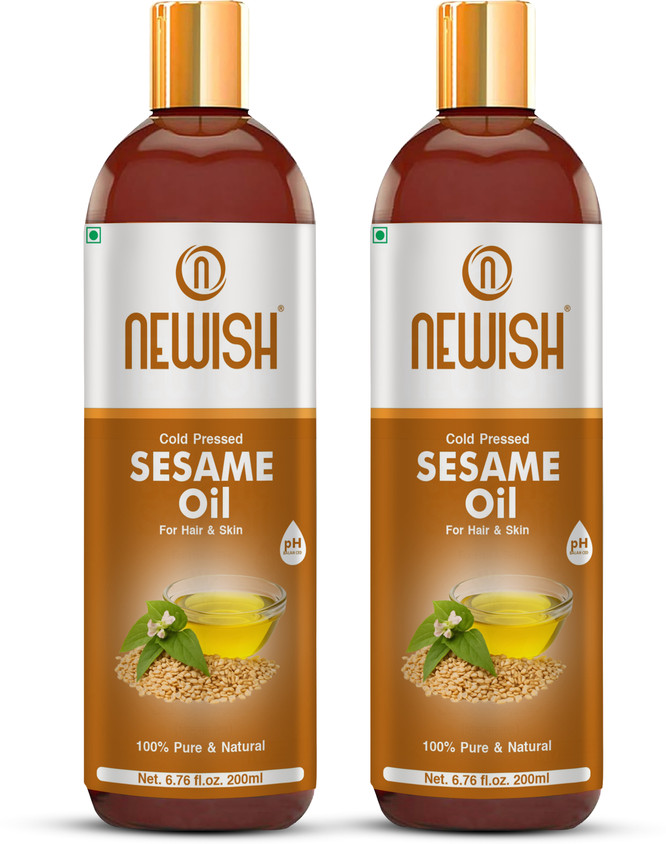
Credit: www.flipkart.com
Benefits Of Sesame Oil For Skin
Sesame oil offers many benefits for the skin. It nourishes deeply and helps protect the skin from damage. This oil contains natural compounds that support healthy, glowing skin. Regular use can improve skin texture and maintain moisture balance.
Moisturizing Properties
Sesame oil is an excellent natural moisturizer. It penetrates deeply into the skin layers. This helps lock in moisture and prevents dryness. The oil forms a protective barrier that keeps skin hydrated longer. It is suitable for all skin types, especially dry and sensitive skin.
Antioxidant Effects
Sesame oil is rich in antioxidants like vitamin E and sesamol. These compounds fight free radicals that cause skin aging. Antioxidants help reduce wrinkles and fine lines. They also support skin repair and keep skin looking youthful. Using sesame oil regularly can protect skin from environmental stress.
Anti-inflammatory Benefits
Sesame oil has natural anti-inflammatory properties. It soothes irritated and red skin quickly. The oil helps reduce swelling and calm skin conditions like eczema. It also supports faster healing of minor wounds and burns. Applying sesame oil can bring relief to sensitive and inflamed skin.
How Sesame Oil Enhances Skin Health
Sesame oil has been cherished for centuries, not just in cooking but also for its remarkable benefits to skin health. Its unique blend of nutrients offers more than just surface-level hydration. You might be surprised how this natural oil can transform your skin’s texture, appearance, and healing process.
Boosting Skin Elasticity
Sesame oil is rich in antioxidants like vitamin E, which protect your skin from damage caused by free radicals. This helps maintain the skin’s firmness and elasticity over time.
Regularly massaging sesame oil into your skin can improve blood circulation. Better circulation means your skin cells get more oxygen and nutrients, making your skin look plumper and more youthful.
Reducing Signs Of Aging
Have you noticed fine lines or dull patches appearing on your skin? Sesame oil’s antioxidant properties help slow down the aging process by neutralizing harmful molecules that break down collagen.
Using sesame oil can soften wrinkles and brighten your complexion. Its natural anti-inflammatory effects also reduce redness and irritation, giving your skin a smoother, healthier glow.
Healing And Repairing Skin
Sesame oil contains essential fatty acids that support the skin’s natural barrier. This helps lock in moisture and speeds up the healing of minor cuts, burns, and scars.
If you struggle with dry or cracked skin, applying sesame oil regularly can soothe discomfort and promote faster recovery. It acts like a shield, protecting your skin from harmful environmental factors.
Using Sesame Oil In Your Skincare Routine
Sesame oil is more than just a cooking staple; it’s a powerful ally for your skin. Using it regularly can bring hydration, protection, and a natural glow. But how exactly can you fit sesame oil into your daily skincare routine? Let’s break it down into simple, practical steps.
Daily Application Tips
Start with a small amount of sesame oil—just a few drops are enough for your face. Gently massage it into clean skin using circular motions to boost circulation and absorption.
You can apply it either in the morning for a light moisturizer or at night as a nourishing treatment. If you have oily skin, try mixing it with a lighter carrier oil to avoid feeling greasy.
Combining With Other Ingredients
Sesame oil pairs well with several natural ingredients to enhance its benefits. Mixing it with honey adds extra moisture and helps fight bacteria, ideal for dry or acne-prone skin.
Adding a few drops of essential oils like lavender or tea tree can address specific skin concerns such as inflammation or breakouts. Have you ever thought about blending oils to create a personalized skincare boost?
Diy Sesame Oil Face Masks
Making your own face masks with sesame oil is simple and fun. Try mixing sesame oil with yogurt and turmeric for a soothing, brightening mask that calms irritation and evens skin tone.
Another option is combining sesame oil with avocado and honey for a deeply hydrating mask that leaves your skin soft and glowing. Use these masks once or twice a week and notice how your skin feels more balanced and refreshed.
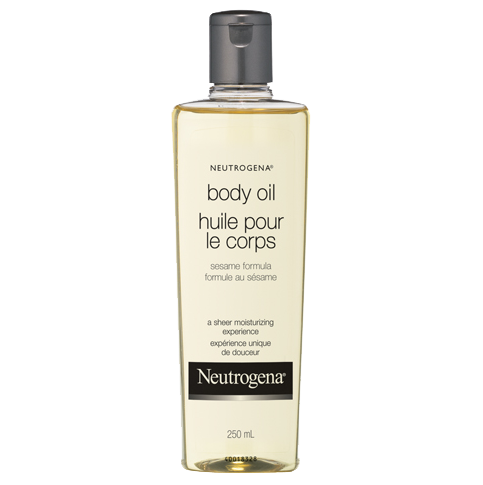
Credit: www.neutrogena.ca
Choosing The Right Sesame Oil
Choosing the right sesame oil for your skin can make a big difference in how effective it is. Not all sesame oils are created equal, and understanding the differences helps you pick the best one for your skincare routine. Let’s look at what matters most when selecting sesame oil.
Cold-pressed Vs Refined Oils
Cold-pressed sesame oil is extracted without heat, preserving most of its natural nutrients. This type tends to retain antioxidants and vitamins that benefit your skin, such as vitamin E and sesamol. Refined oils go through processing that removes impurities but can strip away these nutrients, making them less effective for skin care.
If you want the maximum skin benefits, cold-pressed oil is usually the better choice. However, refined oils have a longer shelf life and milder scent, which some people might prefer. Have you noticed how your skin reacts differently to oils? That could be why.
Organic And Pure Options
Organic sesame oil comes from seeds grown without pesticides or harmful chemicals. Choosing organic means you reduce the risk of irritating your skin with residues. Pure sesame oil ensures you get the oil without added fillers or synthetic ingredients that could cause breakouts or dryness.
Look for labels that confirm both organic certification and purity. You might pay a bit more, but your skin will thank you. How often do you check ingredient lists to avoid hidden additives?
Storage And Shelf Life
Proper storage extends the life and effectiveness of sesame oil. Keep it in a cool, dark place away from direct sunlight to prevent it from going rancid. A tightly sealed glass bottle is ideal to protect the oil from air and moisture.
Typically, cold-pressed sesame oil lasts around six months, while refined versions can last up to a year. If your oil smells bitter or looks cloudy, it’s time to replace it. Do you track when you open skincare products? It’s a small habit that can save you from using expired oils.
Precautions And Possible Side Effects
Sesame oil offers many skin benefits, but it requires careful use. Some people may experience side effects or allergies. Knowing the right precautions helps keep your skin safe and healthy. Use sesame oil wisely to enjoy its benefits without risks.
Allergy Considerations
Some people are allergic to sesame oil. Allergy symptoms can include redness, itching, or swelling. Avoid using sesame oil if you have a known sesame allergy. Watch for any unusual skin reactions after applying the oil. Stop use immediately if irritation occurs.
Patch Testing Guidelines
Perform a patch test before using sesame oil on your skin. Apply a small amount on the inner wrist or elbow. Wait 24 to 48 hours to check for any reaction. No redness or itching means it is safe to use. Patch testing helps prevent allergic reactions.
Avoiding Overuse
Using too much sesame oil can clog pores and cause breakouts. Apply a small amount and massage gently into the skin. Limit use to once or twice daily for best results. Overusing may lead to oily skin or irritation. Balance is key for healthy skin care.

Credit: www.amazon.ca
Frequently Asked Questions
What Are The Benefits Of Sesame Oil For Skin?
Sesame oil moisturizes and nourishes the skin deeply. It has antioxidant properties that protect against damage. It also helps reduce inflammation and promotes healing of dry, flaky skin.
Can Sesame Oil Help With Acne-prone Skin?
Yes, sesame oil has antibacterial and anti-inflammatory effects. It soothes acne and reduces redness. It also balances oil production without clogging pores, making it suitable for acne-prone skin.
How Do I Use Sesame Oil For Glowing Skin?
Apply a few drops of sesame oil to clean skin. Massage gently in circular motions for 5 minutes. Leave it on overnight or wash off after 20 minutes for a natural glow.
Is Sesame Oil Safe For Sensitive Skin?
Sesame oil is generally safe for most skin types. It is gentle and reduces irritation and redness. However, do a patch test first to avoid any allergic reactions.
Conclusion
Sesame oil offers numerous benefits for skin health. It moisturizes and protects. Rich in antioxidants, it fights free radicals. Vitamins E and B improve skin texture. Its anti-inflammatory properties calm irritation and redness. Regular use can enhance skin’s natural glow.
Easy to incorporate into your routine. Use as a gentle cleanser or moisturizer. Suitable for most skin types. Natural and effective. Consider adding sesame oil to your skincare. Simple steps for healthier skin. Enjoy the benefits of this ancient oil.
Keep your skin nourished and radiant.
