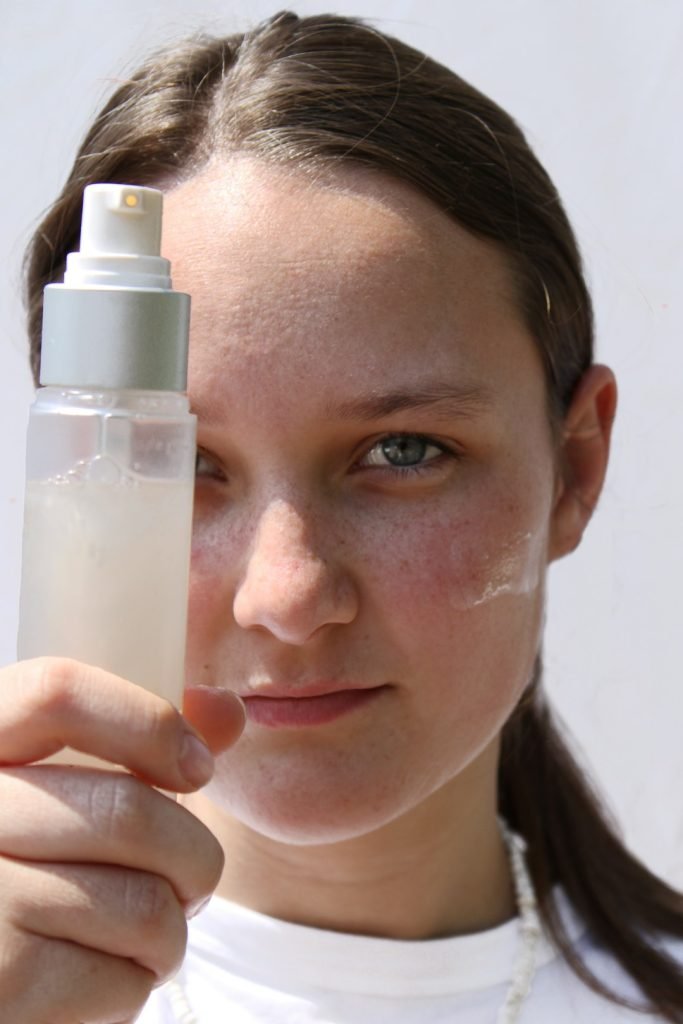
Are you tired of sifting through endless skincare products, only to wonder if they really work? You’re not alone.
With so many options on the market, it’s easy to feel overwhelmed and confused about which ingredients actually deliver results. The truth is, not all skincare ingredients are created equal. Some are backed by solid scientific evidence, while others rely on marketing hype.
Imagine knowing exactly which ingredients are scientifically proven to improve your skin’s health and appearance. It’s like having a personal skincare expert guiding your choices. We’ll uncover the science-based skincare ingredients that truly make a difference, so you can make informed decisions and achieve the glowing, healthy skin you deserve. Keep reading, because your skin’s future is about to get a whole lot brighter.

Credit: www.ashpveda.com
Key Skincare Ingredients Backed By Science
Knowing which ingredients in your skincare actually work can change how you care for your skin. Science has tested many compounds, showing clear benefits for different skin concerns. Understanding these key ingredients helps you choose products that deliver real results and avoid wasting time on hype.
Role Of Antioxidants
Antioxidants protect your skin by neutralizing free radicals that cause damage and premature aging. Vitamins C and E are powerful antioxidants found in many serums and creams. Using products with these ingredients can brighten your skin and reduce signs of sun damage.
Have you noticed a difference after adding a vitamin C serum to your routine? Many people see improved skin tone and texture within weeks. Consistent use is key to keeping your skin shielded against environmental stress.
Benefits Of Retinoids
Retinoids are derivatives of vitamin A that boost cell turnover and collagen production. They help smooth wrinkles, fade dark spots, and clear acne. Retinoids have strong scientific support as one of the most effective anti-aging ingredients.
Start slow with retinoids to avoid irritation—apply a small amount a few times a week and increase as your skin adjusts. Have you experienced the “retinoid glow” after a few months? That fresh, radiant skin is a sign your cells are renewing.
Power Of Peptides
Peptides are short chains of amino acids that act as messengers to your skin cells. They encourage collagen and elastin production, improving firmness and elasticity. Many studies confirm peptides help reduce fine lines and support skin repair.
Look for products with peptides if your skin feels dull or loose. Combining peptides with antioxidants can give your skin an extra boost. What changes have you seen when adding peptides to your skincare?
Hydration With Hyaluronic Acid
Hyaluronic acid attracts and holds moisture, making it a top ingredient for hydration. It can hold up to 1,000 times its weight in water, helping skin stay plump and smooth. This ingredient suits all skin types, even oily or sensitive skin.
If your skin often feels tight or flaky, hyaluronic acid might be missing from your routine. Applying it on damp skin locks in moisture more effectively. Have you tried layering hyaluronic acid under your moisturizer for better hydration?

Credit: chemistrycachet.com
How Ingredients Target Skin Aging
Skin aging happens due to many changes inside the skin. Ingredients in skincare products work to slow down these changes. They help keep skin looking fresh and healthy. Some ingredients focus on building important proteins, while others smooth out wrinkles or tighten the skin. Understanding how these ingredients work helps choose the right products.
Collagen Boosting Components
Collagen is a protein that keeps skin firm and strong. As we age, collagen production slows down. Ingredients like retinol and vitamin C help the skin make more collagen. Peptides also send signals to boost collagen creation. These components support the skin’s structure and reduce sagging over time.
Reducing Fine Lines And Wrinkles
Fine lines and wrinkles form when skin loses moisture and elasticity. Ingredients such as hyaluronic acid attract water to the skin. This plumps up the skin and smooths wrinkles. Antioxidants like vitamin E protect skin from damage that causes wrinkles. These ingredients soften the look of aging skin.
Improving Skin Elasticity
Skin elasticity means how well skin returns to its shape. Ingredients like niacinamide help improve elasticity by strengthening the skin barrier. Collagen and elastin fibers benefit from these ingredients. This keeps skin tight and reduces sagging. Better elasticity means skin looks younger and healthier.
Combining Ingredients For Maximum Impact
Combining skincare ingredients enhances their benefits and targets multiple skin concerns. Careful pairing boosts the effectiveness of active compounds. Proper technique ensures ingredients work well together without causing irritation.
Layering Techniques
Start with the thinnest texture and move to the thickest. For example, apply serums before creams. Allow each layer to absorb fully before adding the next. This method helps ingredients penetrate better and reduces pilling.
Use gentle tapping or patting motions rather than rubbing. This protects the skin barrier and aids absorption. Focus on problem areas by applying targeted products first. Follow with overall moisturizing or protective layers.
Avoiding Ingredient Conflicts
Some ingredients do not mix well and can cause irritation or reduce effectiveness. For instance, avoid combining retinol with vitamin C in the same routine. Retinol needs a lower pH, while vitamin C requires a more acidic environment.
Do not use exfoliating acids and retinol together to prevent over-exfoliation. Use these actives on alternate days instead. Niacinamide pairs well with most ingredients but avoid mixing it with pure vitamin C in one step.
Read product labels to check for warnings about combining ingredients. Patch test new combinations before applying them to the whole face. This prevents adverse reactions and keeps skin healthy.
Choosing Products For Your Skin Type
Choosing skincare products that match your skin type is essential for effective results and avoiding irritation. Understanding your skin’s unique needs helps you pick ingredients that support its health rather than cause problems. Let’s break down how to select science-backed ingredients tailored to your specific skin concerns.
Oily And Acne-prone Skin
If your skin gets shiny quickly or you often deal with breakouts, look for ingredients that control oil and reduce bacteria. Salicylic acid is a proven option—it gently unclogs pores and exfoliates dead skin cells without harsh scrubbing. Niacinamide also helps by calming inflammation and balancing oil production, so you avoid dryness that can trigger more oil.
Try lightweight, non-comedogenic moisturizers that won’t clog pores. Ask yourself: Are you choosing products that reduce oil but still keep your skin hydrated? Avoid heavy creams that can worsen acne or cause flare-ups.
Dry And Sensitive Skin
Dry skin often feels tight and may flake, while sensitive skin reacts easily to harsh ingredients. Look for soothing, hydrating ingredients like hyaluronic acid, which attracts moisture, and ceramides that repair the skin barrier. These ingredients help your skin hold onto water and protect against irritants.
Fragrance-free and gentle formulations work best here. Consider whether your products calm redness and itching rather than cause more sensitivity. Avoid exfoliants like strong acids or physical scrubs that might damage fragile skin.
Combination Skin Solutions
Combination skin can be tricky because it includes both oily and dry areas. Balancing ingredients is key. Lightweight moisturizers with hyaluronic acid hydrate dry patches without adding oil to the T-zone. Ingredients like niacinamide can regulate oil and strengthen the skin barrier all over your face.
Look for products labeled “balancing” or “for combination skin,” but always check the ingredient list. Have you noticed how some products feel too heavy on your oily zones or too light on dry spots? Adjust your routine by targeting each area specifically, using spot treatments if needed.
Incorporating Science-based Skincare Into Routine
Adding science-based skincare ingredients to your daily routine can transform how your skin looks and feels. It’s not just about using products; it’s about choosing the right ingredients backed by research. This approach helps you target specific concerns effectively and avoid wasting time on trends that don’t deliver results.
Think about how you feel after a good night’s sleep or a refreshing morning walk — your skin can show similar signs of renewal when you treat it properly. Are you ready to see what a consistent, science-driven routine can do for your complexion?
Daily Morning Essentials
Your skin faces pollution, UV rays, and dryness every day. Start your morning routine with ingredients that protect and hydrate your skin.
- Vitamin C serum:A powerful antioxidant that brightens your skin and shields it from environmental damage.
- Sunscreen:Non-negotiable. Choose broad-spectrum SPF 30 or higher to prevent premature aging and skin cancer.
- Hyaluronic acid:This ingredient attracts moisture, keeping your skin plump and hydrated throughout the day.
Using these essentials consistently can drastically improve your skin’s resilience. Have you noticed how your skin reacts on days you skip sunscreen or moisturizer?
Nighttime Repair Rituals
Nighttime is when your skin repairs itself, so the products you use should support regeneration and hydration.
- Retinoids:Proven to boost collagen and speed up cell turnover, helping reduce wrinkles and fine lines.
- Peptides:These small proteins encourage skin healing and firmness.
- Moisturizers with ceramides:Restore the skin barrier and lock in moisture to prevent dryness.
I once struggled with dull skin until I added a retinoid to my nighttime routine. Within weeks, my complexion looked smoother and more vibrant. What’s one product you could add tonight to help your skin heal while you sleep?

Credit: platedskinscience.com
Frequently Asked Questions
What Are The Best Science-based Skincare Ingredients?
Science-based skincare ingredients include retinoids, hyaluronic acid, vitamin C, niacinamide, and peptides. These ingredients are proven to improve skin texture, hydration, and reduce signs of aging effectively.
How Does Hyaluronic Acid Benefit The Skin?
Hyaluronic acid deeply hydrates by attracting moisture to the skin. It improves elasticity, reduces wrinkles, and creates a plump, youthful appearance without irritation.
Why Is Niacinamide Important In Skincare?
Niacinamide strengthens the skin barrier, reduces inflammation, and balances oil production. It also minimizes pores and brightens uneven skin tone for healthier skin.
Can Vitamin C Improve Skin Brightness?
Yes, vitamin C is a powerful antioxidant that brightens skin and fades dark spots. It also protects against environmental damage and boosts collagen production.
Conclusion
Science-based skincare ingredients help keep your skin healthy and strong. They work by supporting your skin’s natural functions. Choosing products with proven ingredients can improve your skin’s texture and glow. Simple steps with the right ingredients make a big difference.
Trust science to guide your skincare choices every day. Your skin deserves care that is safe and effective. Try to learn about ingredients before buying skincare products. Healthy skin is possible with knowledge and good habits. Small changes lead to better skin over time.
